Introduction to the Changan Deepal SL03 Hydrogen Variant
The automotive world is changing fast, and one of the most exciting developments in clean transportation is happening right now in China. Changan Automobile, one of the country’s most established carmakers, has taken a bold step forward by launching the hydrogen fuel cell variant of its Deepal SL03 sedan — making it one of the few passenger cars in the world to be powered by hydrogen fuel cell technology on a commercial scale.
While much of the global auto industry is racing to build better battery electric vehicles, Deepal is charting a different course. With a range of over 700 km under CLTC testing conditions, a refueling time of just 3 minutes, and a fuel cell system that outperforms industry benchmarks by more than 10%, the Deepal SL03 Hydrogen Variant is turning heads — and raising a genuinely exciting question: is hydrogen finally ready for the mainstream passenger car market?
This article takes a friendly, in-depth look at everything you need to know about this remarkable machine — from how its technology works to what Changan’s bigger hydrogen plans look like heading into 2027.
Deepal SL03 Hydrogen Car: A New Generation of Mobility
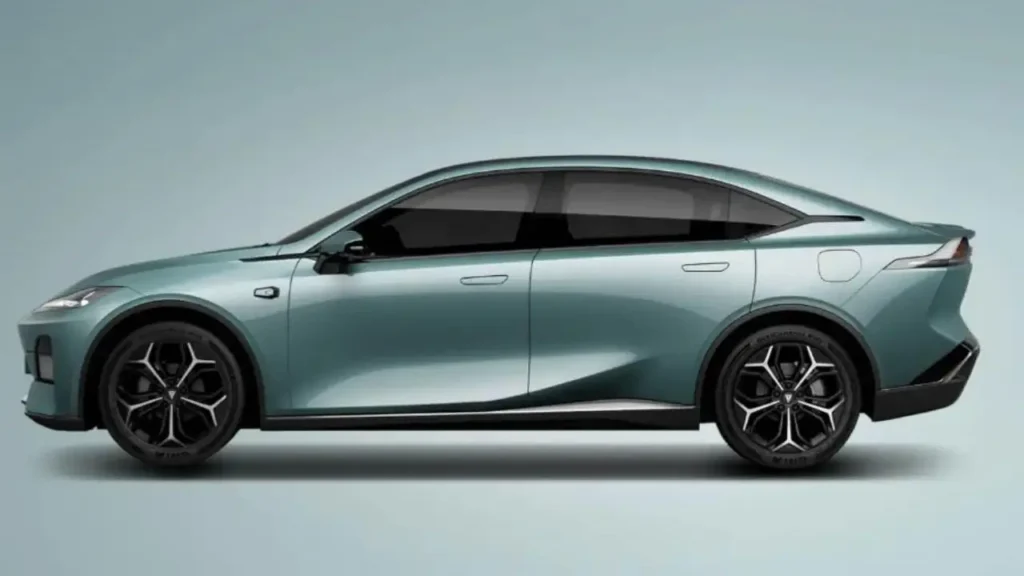
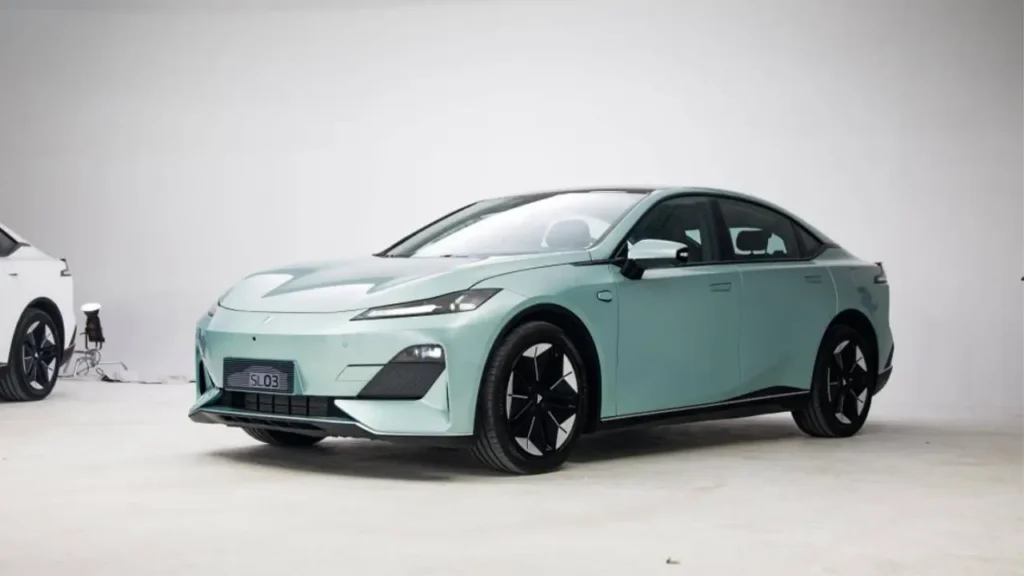
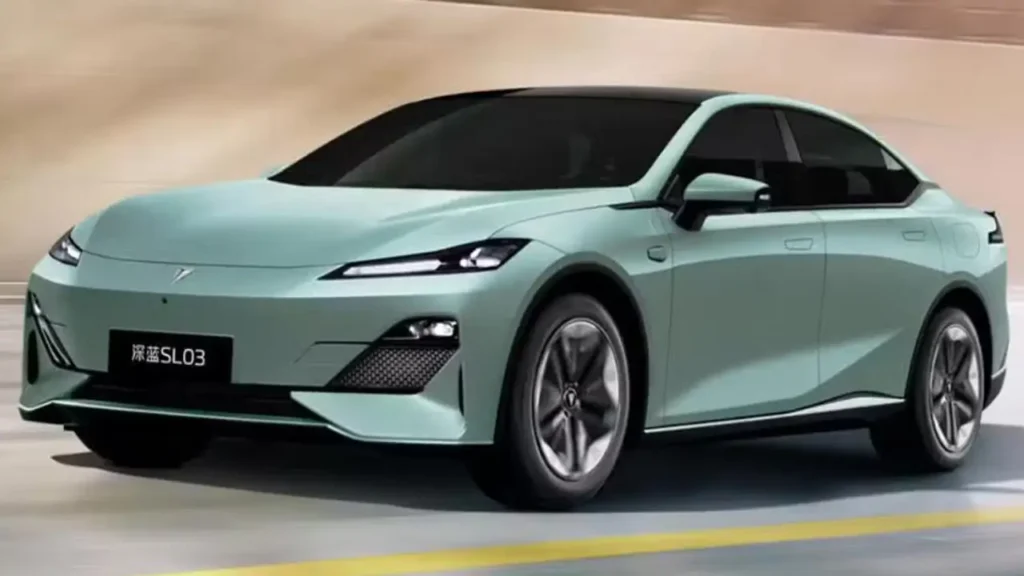
The Deepal SL03 is a mid-size liftback sedan produced by Deepal, the electric vehicle subsidiary of Changan Automobile, since its launch in 2022. From day one, the SL03 was designed with ambition in mind — not as a single-powertrain product, but as a versatile platform offered in three distinct versions: a pure battery electric vehicle (BEV), an extended-range electric vehicle (EREV), and a hydrogen fuel cell electric variant.
What makes this platform genuinely impressive is the shared architecture underneath all three versions. The SL03 is built on Changan’s EPA1 dedicated electric platform, which provides a rear-wheel-drive layout adaptable to different power sources without compromising the vehicle’s structural integrity or interior space. This kind of platform flexibility is rare and reflects serious long-term thinking on Changan’s part.
In terms of design, the SL03 makes a strong visual impression. Changan claims a drag coefficient of just 0.230, which is an exceptionally aerodynamic figure for a mid-size sedan. The body measures 4,820 mm in length, 1,890 mm in width, and 1,480 mm in height, sitting on a 2,900 mm wheelbase. To put that in context, this is noticeably larger than the Tesla Model 3, yet the design remains sleek and modern. Hidden door handles, frameless doors, and a smooth roofline all contribute to both the aerodynamic performance and the premium appearance of the car.
Inside, the SL03 features a full LCD instrument panel, a double-spoke multifunction steering wheel, and a 14.6-inch intelligent central display screen with up to 15 degrees of left and right rotation — a thoughtful ergonomic touch. The interior layout is clean and uncluttered, with a black panel and gray roof combination that gives the cabin a calm, focused feel.
The hydrogen variant specifically earned the distinction of being China’s first mass-produced hydrogen-powered passenger sedan, a milestone that signals Deepal’s serious commitment to this technology rather than treating it as a laboratory experiment.
How a Hydrogen Fuel Cell Vehicle Works
To appreciate what Deepal has achieved, it helps to understand the basic science behind a hydrogen fuel cell vehicle (FCEV). Unlike a battery electric vehicle that stores electricity in a large pack and draws from it while driving, a fuel cell vehicle generates its electricity on board — in real time — through a chemical reaction.
Here is how it works: hydrogen gas, stored in high-pressure tanks inside the vehicle, is fed into the fuel cell stack. Inside the stack, the hydrogen molecules are split into protons and electrons. The electrons travel through an external circuit, creating an electric current that powers the motor. The protons pass through a membrane and combine with oxygen from the surrounding air, and the only byproduct of this entire process is water vapor — pure, clean water vapor.
The electric motor in the Deepal SL03 Hydrogen Variant produces 160 kW of power and 320 Nm of torque, driving the rear wheels. A 28.39 kWh lithium iron phosphate buffer battery, made by CATL, works alongside the fuel cell system to handle peak power demands and regenerative braking energy. The top speed of the hydrogen SL03 is 170 km/h, with a 0–100 km/h acceleration time of 9.5 seconds — perfectly adequate for a comfortable, efficient long-distance sedan.
One of the most compelling numbers in the system is hydrogen-to-electricity conversion efficiency: the Deepal SL03 hydrogen system achieves more than 60% conversion efficiency, meaning 1 kg of hydrogen generates 20.5 kWh of usable energy. Hydrogen consumption is as low as 0.65 kg per 100 km, which is remarkably frugal and a key reason the car can cover over 700 km on a single fill.

AndreevWebStudio.com
Professional web development and design services. Custom WordPress sites, landing pages, e-commerce solutions, and 3D printing content creation for businesses and creators.
- • WordPress Development
- • Custom Web Design
- • E-Commerce Solutions
- • 3D Printing Content
Why Changan Is Investing in Hydrogen Technology
Changan’s move into hydrogen passenger vehicles is not accidental — it is the result of a deliberate, long-term strategic decision. The company views hydrogen not as a replacement for battery electric technology, but as a parallel development track that serves different use cases and customer needs.
Deepal’s Global Product Development General Manager, Yu Cheng, publicly stated that the company’s first-generation fuel cell system has already been commercialized, with multiple performance indicators exceeding industry benchmarks by more than 10%. This is a significant milestone — it means the technology is no longer in the prototype or pilot phase. It is in production cars, on public roads, being used by real customers.
Changan has also been candid about the road ahead. The company confirmed that its second-generation fuel cell system is currently under development, with a clear focus on two priorities: improving system efficiency and significantly lowering costs. Crucially, the cost reduction effort targets not only the fuel cell stack itself but also the hydrogen storage systems — the high-pressure tanks that are typically among the most expensive components in any FCEV.
China’s national policy environment also plays an important role. The Chinese government has been supporting hydrogen development through pilot city clusters and targeted subsidies, creating a framework within which companies like Changan can invest in the technology with a degree of market confidence. China’s fuel cell vehicle fleet has already reached approximately 30,000 units, with core components now about 70% localized — a sign of gradual but real industrial scaling.
Changan is also deepening its technology partnerships. The Deepal brand has been collaborating with industry giants including Huawei and CATL to strengthen the vehicle’s electronics and energy storage systems, giving the SL03 ecosystem a technological depth that goes well beyond what most competitors in the hydrogen passenger vehicle space can offer.
Fuel Cell Electric Vehicle Advantages Over Traditional EVs
The debate between battery electric vehicles and fuel cell electric vehicles is one of the most interesting conversations in the modern automotive industry. Both technologies offer zero tailpipe emissions, but they have meaningfully different strengths.
The most obvious advantage of a fuel cell electric vehicle is refueling speed. Charging a typical battery electric vehicle to 80% at a fast charger takes at least 30 minutes — and that is for a high-speed DC charger. By contrast, refueling the Deepal SL03 Hydrogen Variant takes just 3 minutes, which is comparable to stopping at a conventional petrol station. For drivers who cover long distances regularly, this difference in refueling time is not trivial — it is a genuine quality-of-life advantage.
Range is another area where hydrogen vehicles have an inherent advantage, particularly for larger vehicles. The higher energy density of hydrogen as a fuel — compared to the energy stored in an equivalently sized battery pack — means FCEVs can offer longer range without the weight penalty of a very large battery. The Deepal SL03 achieves over 730 km on a single fill, which is excellent for a mid-size sedan.
FCEVs also perform better in cold weather conditions than battery electric vehicles, whose range and charging speeds can degrade significantly in low temperatures. Hydrogen fuel cells are less sensitive to cold, making them a strong option for drivers in harsher climates.
On the other side of the ledger, battery electric vehicles currently hold meaningful advantages in energy efficiency and infrastructure availability. EVs convert roughly 60–80% of grid electricity into motion, while the overall well-to-wheel efficiency of hydrogen vehicles — factoring in the energy used to produce, compress, and transport hydrogen — is currently lower. Charging infrastructure for EVs is also far more widely available than hydrogen refueling stations in most parts of the world.
The honest picture is that both technologies have important roles to play. Fuel cell vehicles are not a competitor to battery EVs so much as a complementary technology, suited to different use patterns — particularly for drivers who need long range, fast refueling, and consistent performance across varied conditions.
| Feature | FCEV (Hydrogen) | BEV (Battery) |
|---|---|---|
| Refueling / Charging Time | ~3 minutes | 30–60 min (fast charge) |
| Typical Range | 600–730+ km | 400–700 km |
| Tailpipe Emissions | Water vapor only | Zero |
| Cold Weather Performance | Strong | Range loss in cold |
| Infrastructure | Limited, expanding | Wide and growing fast |
| Vehicle Purchase Cost | Higher (currently) | Lower (currently) |
| Energy Source Flexibility | Green hydrogen potential | Grid-dependent |
Hydrogen Powered Sedan with More Than 700 km Range
Range anxiety is one of the most commonly cited concerns about alternative fuel vehicles, and the Deepal SL03 Hydrogen Variant addresses it convincingly. The car’s officially stated comprehensive operating range reaches 730 km under CLTC conditions — a figure that competes favorably not just with other hydrogen vehicles, but with most battery electric sedans as well.
This impressive range is achieved through a combination of factors. The hydrogen-to-electricity conversion efficiency of the fuel cell system exceeds 60%, with 1 kg of hydrogen capable of generating 20.5 kWh of electricity. Hydrogen consumption is rated at just 0.65 kg per 100 km, which means even a modest hydrogen tank capacity can deliver extraordinary range. The aerodynamic body, with its 0.230 drag coefficient, further reduces energy consumption at highway speeds.
The electric motor outputs 160 kW and 320 Nm, providing smooth, responsive performance without the range-draining peaks associated with more powerful setups. Energy consumption is rated at 13 kWh per 100 km, which is efficient for a vehicle of this size and capability. The accompanying 28.39 kWh LFP buffer battery provides an additional electric-only range of up to 200 km under CLTC conditions — a useful backup for situations where hydrogen is not immediately available.
With a curb weight of approximately 1,900 kg, the hydrogen SL03 is heavier than its pure electric sibling, but the fuel cell system’s efficiency more than compensates, delivering the kind of real-world range that makes this car genuinely usable for long-distance travel without the stress of finding a refueling point every few hundred kilometers.
Deepal Hydrogen Technology and Efficiency Improvements
One of the most important announcements around the Deepal SL03 Hydrogen Variant in 2026 was the official confirmation that Deepal’s first-generation fuel cell system has been commercially deployed — and that it exceeds current industry benchmarks by more than 10% across multiple performance indicators. This statement came directly from Yu Cheng, Deepal’s Global Product Development General Manager, making it an authoritative and significant claim.
What does “exceeding industry benchmarks by more than 10%” actually mean in practice? It refers to measurable performance metrics such as power density (how much power the fuel cell stack can generate per unit of volume or weight), system efficiency (how effectively hydrogen is converted to electricity), and durability (how well the system performs over time and under varied operating conditions). Improving these metrics by over 10% relative to the current industry standard is a meaningful engineering achievement, especially for a first-generation commercial system.
All core components of the Deepal SL03’s hydrogen system are 100% locally sourced in China — a point of pride for Changan and a reflection of the significant maturity that China’s hydrogen technology supply chain has reached. This localization also has practical implications: it reduces costs, shortens supply chains, and makes the technology more accessible for future production at scale.
Looking ahead, Changan has already confirmed that a second-generation fuel cell system is in active development. The focus areas for this next generation are clear: higher system efficiency and dramatically lower costs, particularly targeting the fuel cell stack and the hydrogen storage systems. These two components have historically represented the largest share of an FCEV’s total cost, so meaningful reductions here could significantly change the economic equation for hydrogen passenger vehicles.
Fast Hydrogen Refueling Technology Explained
One of the defining characteristics of the Deepal SL03 Hydrogen Variant — and of hydrogen fuel cell vehicles in general — is the speed at which they can be refueled. The SL03 can be fully refueled with hydrogen in approximately 3 minutes, which is a figure that genuinely transforms the ownership experience compared to battery electric charging.
This is not just a convenience feature; for many drivers, it fundamentally changes how they think about range and travel planning. With a battery electric vehicle, even the fastest DC rapid chargers require at least 20–30 minutes to add meaningful range. With the hydrogen SL03, a 3-minute stop provides over 700 km of driving — which is essentially the experience of a conventional petrol or diesel vehicle, but with zero tailpipe emissions.
Hydrogen refueling works by connecting a dispensing nozzle to the vehicle’s pressurized inlet. The hydrogen is stored in the car at high pressure — typically 700 bar for passenger vehicles — and the refueling process transfers the gas quickly and safely. Modern hydrogen refueling stations are engineered to handle this high-pressure transfer efficiently, and the process is safe, well-established, and continually improving.
The primary challenge today is infrastructure. Hydrogen refueling stations are far less numerous than petrol stations or EV charging points in most countries. In China, the network is growing through government-supported pilot city clusters, but broad national coverage remains a work in progress. This is precisely why Deepal’s initial hydrogen sales are focused on wholesale market channels rather than general retail — targeting buyers in regions where hydrogen infrastructure already exists.
As costs for green hydrogen production continue to fall and infrastructure investments accelerate, the refueling story for vehicles like the SL03 will only get better over the coming years.
Zero Emission Hydrogen Car and Environmental Benefits
The environmental credentials of the Deepal SL03 Hydrogen Variant are straightforward and compelling. At the point of use, the vehicle emits absolutely nothing except water vapor. There are no carbon dioxide emissions, no nitrogen oxides, no particulate matter — just clean water vapor released from the tailpipe as hydrogen and oxygen complete their chemical reaction inside the fuel cell stack.
This makes the SL03 hydrogen variant one of the cleanest forms of personal transportation available on the road today. For urban air quality, this is a meaningful benefit: even in cities with dense traffic, a fleet of hydrogen fuel cell vehicles would contribute zero local air pollution — a stark contrast to the tailpipe emissions from petrol and diesel cars, and even a meaningful improvement over some power generation mixes that supply battery electric vehicles.
There is an important nuance in the environmental picture, however. The overall climate impact of a hydrogen vehicle depends significantly on how the hydrogen is produced. Today, a substantial share of global hydrogen production still involves fossil fuels. However, as renewable energy sources become cheaper and more widely available, the production of green hydrogen — made by using renewable electricity to split water through electrolysis — is growing rapidly. When powered by green hydrogen, an FCEV like the Deepal SL03 achieves a truly near-zero carbon footprint across its entire energy chain.
There is also an interesting environmental bonus specific to fuel cell vehicles: while driving, the vehicle actually draws air in through the fuel cell system. In doing so, it filters ultrafine particles from the surrounding air before releasing clean water vapor. A hydrogen fuel cell car is, in a small but real sense, an air purifier on wheels.
Compared to battery electric vehicles, hydrogen FCEVs also have a different end-of-life profile. The large lithium-ion battery packs in BEVs represent a significant recycling challenge if adequate systems are not in place. Fuel cell systems, while not without their own material considerations, avoid this particular issue.
2027 Hydrogen Vehicle Launch: What to Expect
The Deepal SL03 Hydrogen Variant is an important car in its own right — but it is also the foundation for something bigger. Changan has confirmed that Deepal plans to launch a new hydrogen fuel cell passenger vehicle in 2027, representing a next-generation product that builds on everything learned from the SL03 hydrogen program.
This 2027 vehicle is expected to incorporate improvements from the second-generation fuel cell system currently in development. The focus areas — higher efficiency, lower cost, and refined system architecture — suggest that the 2027 model could address some of the key barriers that have kept hydrogen passenger vehicles in a niche position. If Deepal can deliver a hydrogen car with meaningfully lower purchase costs and even better performance metrics, the market appeal of the technology could expand significantly.
The timing of the 2027 launch aligns with broader industry expectations. Across the global automotive sector, 2027 to 2030 is widely seen as a pivotal window during which hydrogen technologies may achieve greater viability — as costs for fuel cells, hydrogen storage, and green hydrogen production all continue to decline together. BMW, for example, has announced its first series-production hydrogen fuel cell vehicle for 2028, suggesting that multiple established automakers are converging on the same timeline.
Deepal’s position in this landscape is distinctive. While Toyota and Hyundai have been the established leaders in hydrogen passenger vehicles — the Mirai and the Nexo respectively — Deepal represents a new generation of challenger. With full domestic supply chain localization, deep technology partnerships with Huawei and CATL, active government support, and a clear product roadmap, Changan is positioning Deepal to be a genuine player in the hydrogen passenger car segment on a global stage.
The Deepal SL03 Hydrogen Variant is already being showcased at international auto events from Singapore to Thailand, spreading the message that China is building a serious, full-fledged hydrogen mobility brand — not just conducting experiments.
| Specification | Deepal SL03 Hydrogen Variant |
|---|---|
| Powertrain Type | Hydrogen Fuel Cell Electric (FCEV) |
| Electric Motor Power | 160 kW |
| Motor Torque | 320 Nm |
| Buffer Battery Capacity | 28.39 kWh LFP (CATL) |
| Total Range (CLTC) | 730 km |
| Electric-Only Range (CLTC) | 200 km |
| Hydrogen Refueling Time | ~3 minutes |
| H2 Consumption | 0.65 kg / 100 km |
| Conversion Efficiency | Over 60% |
| Energy per kg of H2 | 20.5 kWh |
| Energy Consumption | 13 kWh / 100 km |
| Top Speed | 170 km/h |
| 0–100 km/h | 9.5 seconds |
| Drag Coefficient | 0.230 Cd |
| Body Dimensions (L/W/H) | 4820 / 1890 / 1480 mm |
| Wheelbase | 2,900 mm |
| Curb Weight | ~1,900 kg |
| Drive Layout | Rear-wheel drive |
| Component Localization | 100% domestic |
| Launch Price (China) | 699,900 CNY (~$95,900 USD) |
| Next-Gen Model Launch | 2027 (planned) |
What 2027 could look like in practical terms: a hydrogen Deepal sedan with a more affordable price point, a refined second-generation fuel cell system with even higher efficiency ratings, and expanded availability in markets where hydrogen infrastructure has matured. The SL03 Hydrogen Variant laid the groundwork — demonstrated that hydrogen works in a passenger sedan, that the technology can exceed industry performance benchmarks, and that Chinese automakers can localize and commercialize this technology at scale. The 2027 vehicle will be the next chapter.
For anyone watching the evolution of clean mobility, Deepal’s hydrogen program is one of the most compelling stories in the industry right now. It is not just about one car. It is about a brand, a company, and a country making a sustained, strategic bet on hydrogen as part of the future of transportation — and building the technology, the supply chain, and the product lineup to back that bet up.
The Changan Deepal SL03 Hydrogen Variant is where that future begins.
🇬🇧 John Miller — ⭐⭐⭐⭐⭐
I found this article about the Changan Deepal SL03 Hydrogen Variant extremely informative and well researched. The website provides detailed insights into hydrogen vehicle technology, future mobility trends, and the latest developments from Chinese automakers. The images and technical explanations make the content easy to understand even for readers new to fuel cell vehicles. Highly recommended for anyone interested in automotive innovation.
🇪🇸 Carlos Rodríguez — ⭐⭐⭐⭐⭐
Excelente artículo sobre el Changan Deepal SL03 Hydrogen Variant. Me gustó especialmente la explicación de la tecnología de hidrógeno y las ventajas frente a los vehículos eléctricos tradicionales. El sitio publica información actualizada y muy completa sobre la industria automotriz china. Sin duda volveré para leer más reseñas y noticias.
🇸🇦 أحمد العتيبي — ⭐⭐⭐⭐⭐
مقال رائع ومفصل حول سيارة Changan Deepal SL03 Hydrogen Variant. أعجبني أسلوب الشرح الواضح للمحرك الهيدروجيني والتقنيات المستقبلية المستخدمة في السيارة. موقع AutoChina Blog يقدم محتوى احترافيًا ومحدثًا باستمرار لعشاق السيارات والتكنولوجيا. أنصح بمتابعته بشكل دائم.
🇨🇳 王伟 — ⭐⭐⭐⭐⭐
这篇关于 Changan Deepal SL03 Hydrogen Variant 的文章非常专业。内容详细介绍了氢燃料电池技术的发展方向,以及长安汽车在未来新能源领域的布局。网站设计清晰,信息丰富,是了解中国汽车行业动态的优秀平台。非常值得推荐。
🇫🇷 Pierre Dubois — ⭐⭐⭐⭐⭐
Très bon article sur la Changan Deepal SL03 Hydrogen Variant. Les informations techniques sont précises et faciles à comprendre. J’apprécie particulièrement la qualité des analyses publiées sur ce site concernant les véhicules électriques et à hydrogène. AutoChina Blog est devenu l’une de mes références pour suivre l’industrie automobile chinoise.
🇩🇪 Markus Schneider — ⭐⭐⭐⭐⭐
Ein hervorragend geschriebener Beitrag über den Changan Deepal SL03 Hydrogen Variant. Die technischen Details zur Wasserstoff-Brennstoffzellentechnologie werden verständlich erklärt und mit aktuellen Entwicklungen der Automobilbranche verknüpft. AutoChina Blog bietet hochwertige Inhalte und interessante Einblicke in die Zukunft der Mobilität. Klare Empfehlung!
Discover more from AutoChina
Subscribe to get the latest posts sent to your email.

