If you have been watching the Chinese electric vehicle market lately, you already know things are moving fast. New premium models are arriving every few months, each one trying to outdo the last with bigger screens, more range, and bolder technology. The EXEED EX7 is the latest — and arguably most ambitious — entry from Chery’s premium sub-brand, and it arrives with a genuinely impressive list of credentials. Let’s get into everything you need to know about this exciting new crossover.
EXEED EX7 Overview
The EXEED EX7 is a mid-to-large, five-seat premium SUV produced by Exeed, the luxury division of China’s Chery Automobile Group. Launched officially on April 19, 2026, the EX7 is described by the brand as the first strategic model of its “3.0 era” — essentially Exeed’s statement that it is ready to compete at the highest level of the premium electric SUV world.
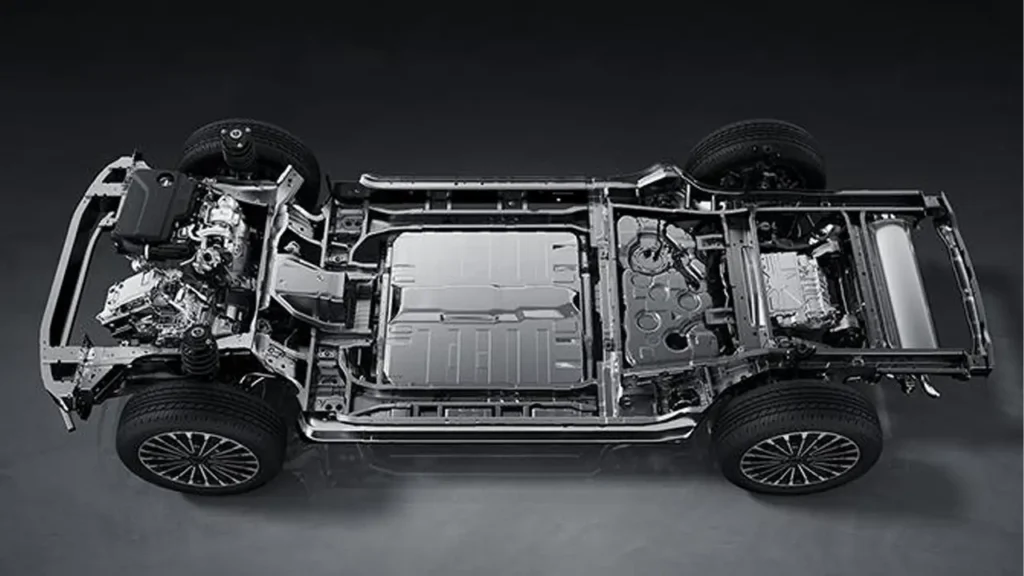
Built on the advanced E0X high-voltage platform and assembled at Chery’s Wuhu facility in Anhui province, the EX7 arrives in two powertrain variants: a fully electric BEV version and a range-extended EREV version. This dual-powertrain approach gives buyers genuine flexibility, whether they drive primarily in the city or regularly cover long-distance routes.
What sets the EX7 apart is not just one headline feature but a compelling stack of innovations arriving together. It is the world’s first production vehicle to use an aviation-grade Electronic Mechanical Braking system. It comes standard with a Falcon 700 end-to-end driver assistance system, an AI Lingxi Smart Cockpit 2.0, and a Flying Fish Chassis 3.0 setup with air suspension. For a brand that has historically sat in the shadow of NIO, Li Auto, and BYD, the EX7 represents a serious leap forward.
EXEED EX7 Price and Positioning
Let’s talk money, because pricing is one of the most important parts of the EX7 story. At launch, the vehicle was offered in six trim levels with prices ranging from 199,900 to 263,900 yuan, which converts to approximately 27,600 to 36,400 US dollars. For buyers who took advantage of the early trade-in promotion available before May 7, 2026, prices dropped slightly to between 194,900 and 258,900 yuan, or roughly 26,900 to 35,700 US dollars.
That places the EX7 firmly in China’s crowded 200,000–300,000 yuan electrified SUV segment — a fiercely competitive space where it must go head-to-head with established names like the Li Auto L7, NIO ES6, and various BYD premium offerings. The Li Auto L7, for context, recorded over 26,000 deliveries in a single month during early 2026, which gives you a sense of just how tough this battlefield is.
Yet Exeed’s strategy here is clear. The EX7 is not trying to undercut rivals on price alone. Instead, it is competing on technology, featuring a list of standard equipment that would be optional extras on many European SUVs at twice the price. The brand calls this “democratizing luxury” — and given what comes included as standard, it is a claim that is hard to argue with.
EXEED EX7 Specs Breakdown
The EXEED EX7 is a genuinely big vehicle. Its official dimensions place it at 4,988 mm in length, 1,975 mm in width, and 1,710 mm in height, with a generous 3,000 mm wheelbase. That wheelbase figure is particularly significant — it is on par with full-size luxury SUVs and translates directly into rear-seat legroom that passengers will appreciate on longer journeys. The curb weight sits at approximately 2,230 kg, with a maximum permitted mass of 2,660 kg.
Here is a quick reference table covering the key specifications:
| Parameter | Value |
|---|---|
| Length | 4,988 mm |
| Width | 1,975 mm |
| Height | 1,710 mm |
| Wheelbase | 3,000 mm |
| Seating | 5 passengers |
| Curb Weight | 2,230 kg |
| Platform | E0X high-voltage |
| Powertrain Options | BEV / EREV |
| Braking System | Aviation-grade EMB (brake-by-wire) |
| ADAS Sensors | 27 sensors including roof-mounted LiDAR |
The E0X platform is a shared architecture across Chery’s premium electric lineup, optimized for high-voltage systems and designed to accommodate both BEV and EREV configurations without major structural compromises. It is a modern, capable foundation that gives the EX7 a solid technical base to build on.
EXEED EX7 Electric Crossover — The BEV Version
For buyers who want a fully electric experience, the BEV version of the EXEED EX7 is where the technology really shines. The pure-electric variants ride on an 800V high-voltage architecture, which is significant because it enables dramatically faster charging speeds compared to conventional 400V platforms.
In terms of power, the BEV AWD configuration uses a dual-motor setup. The front motor produces 123 kW while the rear motor delivers 230 kW, combining for a total system output of 353 kW and 663 Nm of torque. That translates to a 0–100 km/h sprint time of just 4.7 seconds — genuinely fast for a large five-seat SUV. The single-motor RWD entry variant produces 230 kW through the rear axle alone and offers a CLTC-rated range of 600 km on the smaller battery pack.
Battery chemistry varies by trim. The standard models use CATL LFP cells, which are known for their safety, longevity, and cost efficiency. Higher-spec variants step up to CATL NMC chemistry, which offers greater energy density and better performance in cold weather. The two main battery sizes available in the BEV lineup are 77 kWh and approximately 97–100 kWh, with the larger pack unlocking the maximum quoted CLTC range figures.
Exeed has also confirmed plans to introduce semi-solid-state battery technology on the EX7 later in 2026, though a confirmed production timeline had not been announced at launch.
AutoChina.blog
Your trusted guide to Chinese automotive technology. Expert reviews, comparisons, and insights on electric vehicles, hybrids, and innovative automotive solutions from China’s leading manufacturers.
- • EV & Hybrid Reviews
- • Tech Comparisons
- • Industry News & Trends
- • Buying Guides
EXEED EX7 PHEV and Range-Extender Technology
The EREV — or range-extended electric vehicle — version of the EX7 uses a fundamentally different approach to power. Rather than a traditional plug-in hybrid where the engine directly drives the wheels, the EREV system uses a 1.5-litre turbocharged petrol engine purely as a generator. The engine never powers the wheels directly; instead, it produces electricity that is fed to the motors and battery.
This 1.5T range-extender unit produces a maximum of 115 kW as a generator. In the AWD EREV configuration, the combined system output reaches 377 kW and 642 Nm of torque, enabling a 0–100 km/h acceleration time of 4.9 seconds.
The EREV version is available with different battery pack sizes. The most common configuration uses a 41 kWh battery from Gotion, while some variants use a 43 kWh pack. The RWD EREV variant, using a smaller 32 kWh battery, outputs around 227 kW and offers up to 245 km of pure electric range on that configuration.
The beauty of the EREV system for many buyers is its versatility. You can charge it at home and drive electrically for most of your daily commute, then switch to range-extended mode on longer trips without ever worrying about finding a fast charger. In depleted-battery mode, the EX7 EREV is rated at just 5.8 litres per 100 km of fuel consumption — impressively frugal for a vehicle of this size.
EXEED EX7 Range and Efficiency
Range is one of the biggest talking points around the EX7, and Exeed has made it a centrepiece of the model’s marketing. The numbers are genuinely impressive across both powertrain types.
For the BEV versions, CLTC-rated range varies by battery pack and motor configuration. The 77 kWh RWD variant delivers 600 km. Moving to the larger 97–100 kWh pack in AWD configuration, range extends to between 682 and 726 km under the CLTC test cycle. It is worth noting that CLTC figures are typically more optimistic than European WLTP ratings, so real-world range will vary — but even accounting for that, these are strong numbers for the segment.
The EREV story is even more dramatic. With the range extender active, the total combined range of the EX7 EREV exceeds 1,500 km — and Exeed quotes a figure of 1,520 km for the top EREV configuration. In a practical sense, that means you could drive from Beijing to Guangzhou on a single tank-and-charge combination without stopping to refuel. For a family SUV, that kind of range confidence is a genuine everyday advantage.
Here is a summary of the range figures across the main variants:
| Variant | Battery | CLTC Range | 0–100 km/h |
|---|---|---|---|
| BEV RWD | 77 kWh LFP | 600 km | ~6.5 sec |
| BEV AWD | 97–100 kWh NMC | 682–726 km | 4.7 sec |
| EREV RWD | 32–41 kWh LFP | 200–245 km EV / 1,500+ km total | ~6.0 sec |
| EREV AWD | 41–43 kWh LFP | 200 km EV / 1,520 km total | 4.9 sec |
EXEED EX7 Interior and Comfort
Step inside the EXEED EX7 and the premium positioning becomes immediately clear. The cabin follows a minimalist design philosophy that is becoming increasingly common in Chinese premium EVs — but Exeed has executed it with real attention to detail and material quality.
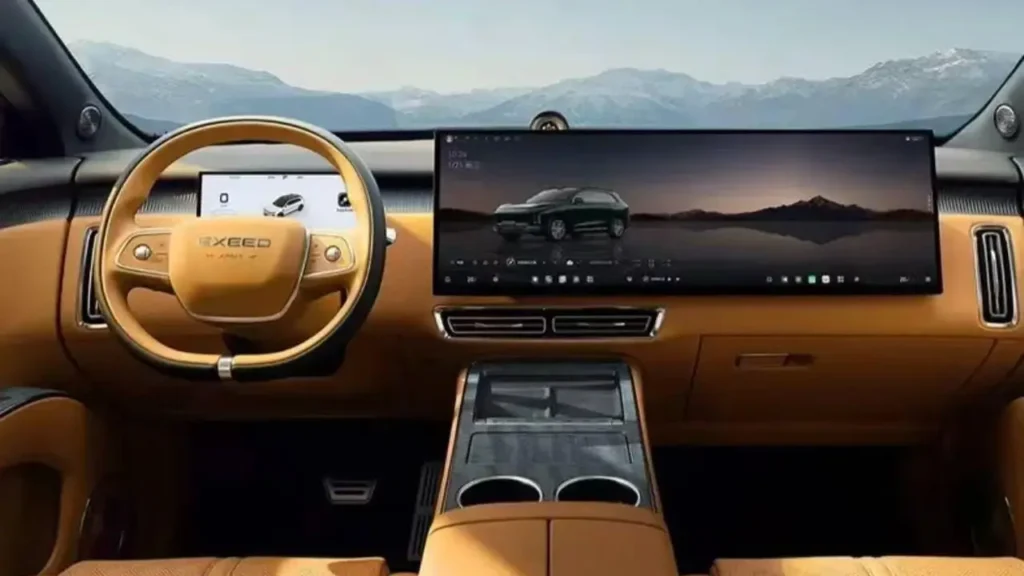
The centrepiece of the interior is an enormous 30-inch 6K suspended integrated display that spans the central console and the passenger-side screen area. This is paired with a separate floating LCD instrument cluster for the driver, ensuring that the digital real estate is well distributed across the cabin rather than concentrated in one spot. The infotainment system runs on a Qualcomm Snapdragon 8295P chipset, which is one of the most powerful automotive-grade processors available, ensuring smooth, responsive performance across all digital functions.
The interior colour scheme is a sophisticated two-tone black-and-brown palette, which reinforces the premium feel without venturing into the garish. The dual-spoke multi-function steering wheel has an oval design that feels modern and purposeful in the hand. Front passengers benefit from zero-gravity seats — a feature increasingly common in Chinese premium vehicles — while a large panoramic sunroof floods the cabin with natural light.
Audio is handled by a 23-speaker sound system, which is genuinely impressive for a vehicle in this price class. Eye-tracking cabin adaptation technology allows the system to personalise certain settings based on the driver’s behaviour and gaze patterns, adding an emotional, intelligent dimension to the driving experience.
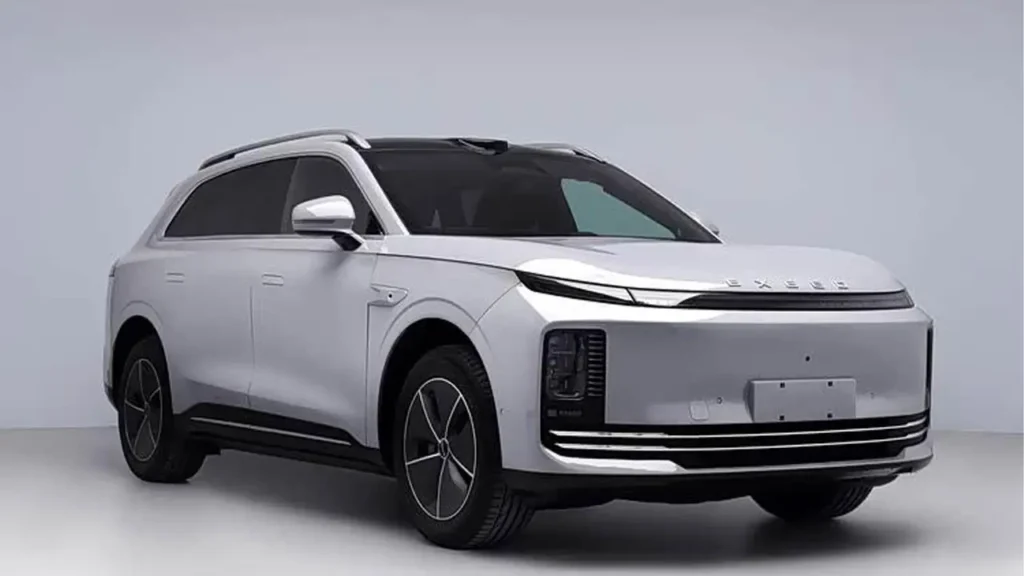
The exterior design follows Exeed’s established family language. Split LED matrix headlights with upper light strips and lower chrome inserts give the front end a distinctive and recognisable appearance. Flush door handles — a mandatory safety compliance item after China regulated against hidden handles following accidents — sit cleanly against the bodywork. At the rear, a full-width recessed taillight with touch-sensitive elements completes the premium look.
BestChina3DPrinters
Expert Reviews & Rankings
Independent 3D Printer Reviews
Your trusted source for Chinese 3D printer reviews, rankings, and comparisons. We buy, test, and review every printer so you can make informed decisions.
EXEED EX7 Battery and Charging
The battery and charging system is where the BEV version of the EX7 truly distinguishes itself from most of its rivals. Thanks to the 800V high-voltage architecture, DC fast charging from 5% to 80% state of charge takes just 11.5 minutes. That is fast enough to add meaningful range during a short coffee stop — a practical game-changer for long-distance BEV drivers.
The battery options are structured clearly around use case. The 77 kWh CATL LFP pack targets buyers who prioritise everyday affordability, safety, and long cycle life. LFP chemistry is known for its thermal stability and ability to withstand a high number of charge cycles before degradation becomes noticeable. The larger 97–100 kWh CATL NMC pack targets performance and long-range buyers, offering higher energy density and slightly improved cold-weather performance at the cost of a higher price point.
Exeed has also confirmed that a liquid-phase Rhino series battery is used in current production models. Looking ahead, the brand has stated that high-density semi-solid-state batteries are in development, with plans to offer them on the EX7 later in 2026. Solid-state battery testing for the next-generation Exeed ES8 model is reported to be approximately one year away from completion, suggesting that Exeed is building a genuine roadmap toward next-generation cell technology rather than simply talking about it.
One of the EX7’s most discussed technical features is its Electronic Mechanical Braking system — the first of its kind on any production car in the world. This aviation-grade brake-by-wire system completely eliminates the hydraulic link between the brake pedal and the braking actuators. Instead, individual actuators are installed at each wheel and apply the brakes electronically. Exeed claims this results in faster response times and greater reliability compared to traditional hydraulic setups, and positions it as a safety-focused technology borrowed from the aerospace industry.
EXEED EX7 Review and Real Impressions
So what is the EXEED EX7 actually like in practice? Based on available information from the official launch and early impressions covered by automotive media, the picture is genuinely positive for a first-generation model.
The 30-inch 6K display is reportedly as impressive in person as it sounds on paper. The Qualcomm 8295P chipset ensures the interface is fast and lag-free, which is something that has plagued some competitors running older or underpowered processor solutions. The AI Lingxi Smart Cockpit 2.0 integrates voice control, personalisation, and eye-tracking features into a system that feels genuinely intelligent rather than just technically present.
On the road, the BEV AWD variant — with its 353 kW combined output and 4.7-second sprint time — is described as effortlessly rapid. The Flying Fish Chassis 3.0, featuring an all-aluminium construction with CDC (Continuous Damping Control) adaptive shock absorbers and air suspension, is designed to deliver a balance between comfort and handling. Air suspension allows the driver to raise or lower the ride height, and the CDC system continuously adjusts damping to suit road conditions. For a heavy 2,230 kg vehicle, this kind of dynamic management is essential, and the early feedback suggests Exeed has got the balance right.
The EREV variant draws praise for its practicality. The ability to cover over 1,500 km without a charging stop — using electricity in the city and the range extender on highways — addresses the most common practical objection to electric vehicles in China’s market, where fast-charging infrastructure, while expanding rapidly, remains uneven outside major cities.
One area where some observers have noted the EX7 faces a steep climb is brand recognition. Exeed is not yet a household name in the way that Li Auto or NIO are. The EX7 arrives as a brand-building product as much as a revenue driver, and Exeed sold 6,377 vehicles in Q1 2026 — down significantly from prior quarters — making the EX7’s commercial performance critical to the brand’s immediate future.
EXEED EX7 in the China SUV Market and Release Date
The official launch date of the EXEED EX7 was April 19, 2026. The date was originally scheduled for April 17 but was quietly moved back two days — reportedly to avoid a launch-day conflict with Zeekr’s 8X plug-in hybrid and Great Wall Motor’s Wey V9X, both of which target a similar premium buyer.
That kind of careful scheduling reflects just how competitive China’s 200,000–300,000 yuan electric SUV segment has become. The EX7 enters a space where dual-powertrain strategies — offering both BEV and EREV options — are rapidly becoming the norm rather than the exception. Buyers in this segment are sophisticated and demanding, and they expect both cutting-edge technology and genuine driving quality.
For Exeed specifically, the EX7 represents its most important product in years. The brand’s sales declined by 47.7% year-on-year in Q1 2026, giving it a 0.2% market share. Against that backdrop, the EX7 is not just another new model — it is the centrepiece of a turnaround strategy.
Looking at the competitive landscape, the EX7 goes up against vehicles like the Li Auto L7, NIO ES7, and Huawei-backed Aito M7. Each of these rivals has a head start in brand equity and delivery volume. However, the EX7’s combination of world-first EMB braking, 800V ultra-fast charging, a 1,520 km EREV range, and competitive pricing gives it a genuine technology advantage that buyers in this segment will recognise and appreciate.
Here is a brief competitive comparison:
| Model | Price (CNY) | Powertrain | Max Range |
|---|---|---|---|
| EXEED EX7 | 194,900–258,900 | BEV / EREV | 726 km BEV / 1,520 km EREV |
| Li Auto L7 | ~239,800–279,800 | EREV | ~1,300 km total |
| NIO ES6 | ~218,000–298,000 | BEV | ~650 km CLTC |
| Aito M7 | ~249,800–329,800 | EREV | ~1,200 km total |
The EX7’s value proposition in this table is clear. It undercuts several rivals on price while matching or exceeding them on key technology specifications. Whether that advantage translates into sales volumes remains to be seen, but on paper, Exeed has built a compelling case.
Deliveries of the EXEED EX7 began in April 2026, with production based at the Chery Wuhu facility in Anhui. At this stage, the vehicle is sold exclusively in China, though Exeed has historically exported models under the Exlantix branding for international markets, suggesting global availability could follow.
EXEED EX7 Final Thoughts
The EXEED EX7 is a bold, technically impressive vehicle that makes a strong argument for Exeed’s place in the premium Chinese SUV segment. It combines a world-first braking system, genuinely fast 800V charging, a massive and capable interior, and dual-powertrain flexibility at a price point that undercuts many of its direct competitors.
Whether you are drawn to the 726 km BEV version for its clean electric simplicity or the 1,520 km EREV version for its boundary-free range capability, the EX7 has been designed to remove excuses. It is a vehicle that says: you no longer have to compromise to drive something premium, electric, and truly capable.
For the Chinese market in 2026 — and potentially beyond — the EXEED EX7 is one of the most interesting new arrivals of the year.
🇬🇧 John Miller — ⭐⭐⭐⭐⭐
Excellent article about EXEED EX7! Clear structure, useful specs, and real insights. I like how everything is explained simply without boring technical overload. Definitely one of the best sources for Chinese cars.
🔗 https://autochina.blog/
🇪🇸 Carlos Ramirez — ⭐⭐⭐⭐⭐
Muy buen análisis del EXEED EX7. Información clara, bien organizada y fácil de entender. El sitio autochina.blog es perfecto para seguir novedades de autos chinos. Lo recomiendo totalmente.
🔗 https://autochina.blog/
🇸🇦 أحمد العلي — ⭐⭐⭐⭐⭐
مقال رائع عن EXEED EX7، شرح بسيط ومفيد للغاية. الموقع autochina.blog يقدم محتوى احترافي وسهل القراءة. أنصح به لكل مهتم بالسيارات الصينية.
🔗 https://autochina.blog/
🇨🇳 李伟 — ⭐⭐⭐⭐⭐
这篇关于EXEED EX7的文章非常专业,信息丰富而且易于理解。autochina.blog是了解中国汽车的优秀平台,值得关注。
🔗 https://autochina.blog/
🇫🇷 Pierre Dubois — ⭐⭐⭐⭐⭐
Très bon article sur le EXEED EX7. Le contenu est clair, moderne et agréable à lire. autochina.blog devient rapidement une référence pour les voitures chinoises.
🔗 https://autochina.blog/
🇩🇪 Lukas Schneider — ⭐⭐⭐⭐⭐
Top Beitrag über den EXEED EX7! Alles ist übersichtlich und verständlich erklärt. autochina.blog ist eine starke Quelle für aktuelle Infos über chinesische Autos.
🔗 https://autochina.blog/
Discover more from AutoChina
Subscribe to get the latest posts sent to your email.