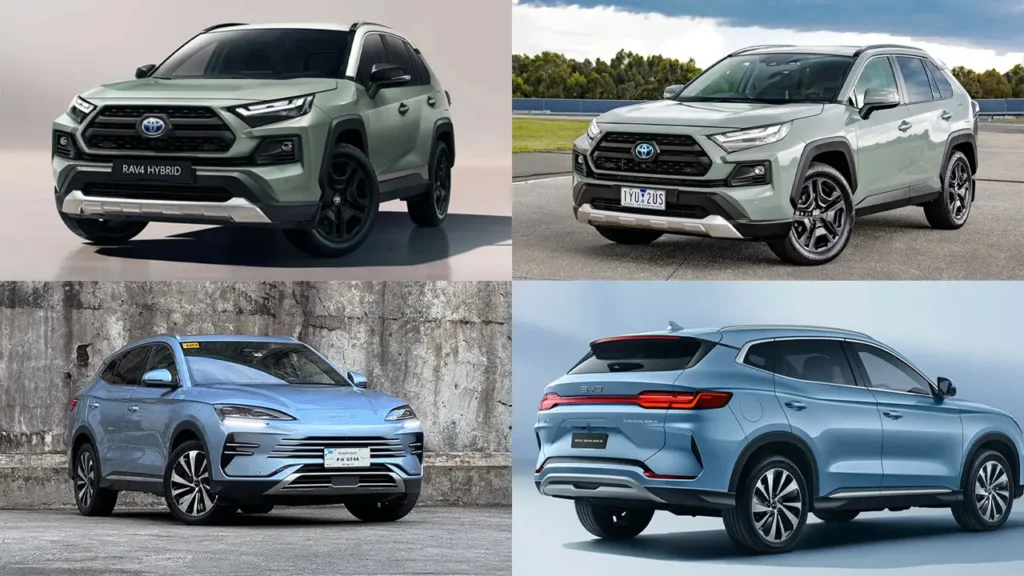
Introduction: The Economist’s Perspective on Chinese EVs Europe and the Global Policy Debate
In January 2024, The Economist published a pivotal column titled “China’s EV Onslaught,” which captured the growing anxiety in Western capitals over the rapid rise of Chinese electric vehicle (EV) manufacturers and their aggressive expansion into global markets, especially Europe. The article argued that while the influx of affordable, technologically advanced Chinese EVs is “terrifying the West,” open markets could benefit consumers and accelerate the transition to clean mobility. However, the column also highlighted the mounting policy backlash in both the European Union (EU) and the United States (US), where governments are responding with tariffs and regulatory scrutiny to counter what they view as unfair advantages stemming from Chinese industrial policy and subsidies.
This debate has become especially salient in 2025, as Chinese EVs Europe—led by brands like BYD—have not only challenged but, in some cases, overtaken established players such as Tesla in sales and innovation. The Economist’s analysis is now more relevant than ever, as the EU and US have both implemented sweeping tariffs on Chinese EVs, citing concerns over state subsidies, overcapacity, and the potential erosion of domestic automotive industries. At the heart of the discussion is the BYD vs Tesla rivalry, which encapsulates the broader contest between Chinese and Western approaches to EV technology, manufacturing, and market strategy.
This article will systematically explore the landscape of Chinese EVs Europe, examining market dynamics, the impact of tariffs, the surge in Chinese car imports, the evolving BYD vs Tesla competition, the profiles of leading Chinese brands, the emergence of affordable models, the ongoing price war, the implications of US tariffs, and the future of China’s EV subsidies. Drawing on official sources and the latest regulatory updates, each section will provide a data-driven, policy-focused analysis to help readers understand the forces shaping the European EV market in 2025–2026.
Want more context on the expansion of Chinese automakers and the reasons behind the price war? Our detailed analysis explains the dynamics of BYD vs. Tesla, the impact of EU tariffs, and localization in the EU. Read the guide here: https://autochina.blog/chinese-automakers-rise-best-guide-2025/
— short, clear, with graphs and a checklist for buyers and investors. The material helps to understand the risks, opportunities, and upcoming
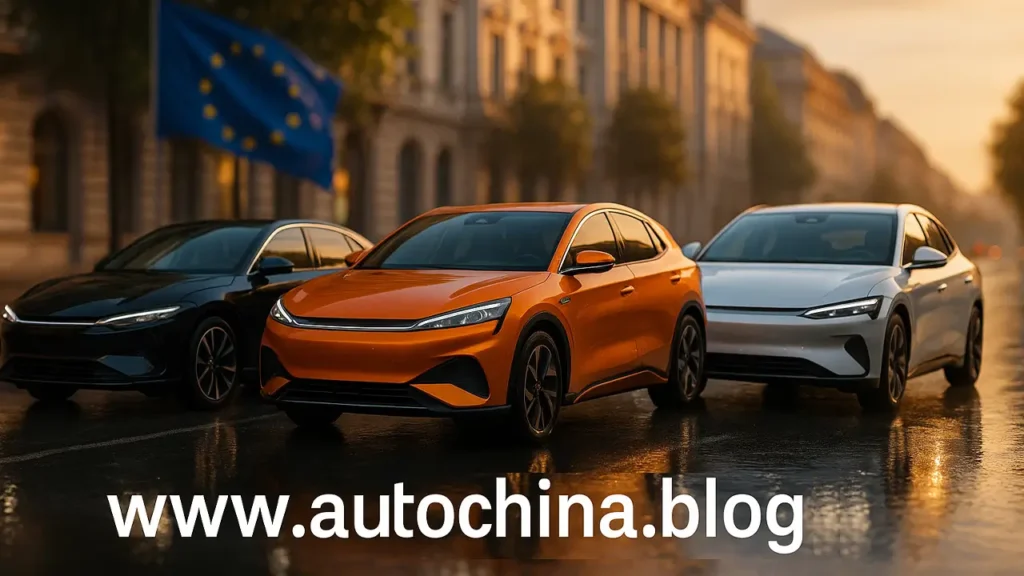
1. Chinese EVs Europe: Market Dynamics and the Shifting Automotive Landscape
The European automotive market is undergoing a profound transformation, with Chinese EVs Europe emerging as a disruptive force that is reshaping competition, consumer choice, and industrial policy. In the first half of 2025, Chinese car brands doubled their market share in Europe, reaching 5.1%—a dramatic increase from 2.7% in the same period of 2024. This surge is driven by a handful of aggressive players, notably BYD, Jaecoo, Omoda, Leapmotor, and Xpeng, whose combined sales have begun to rival those of established European and American brands.
The growth of Chinese EVs Europe is not occurring in isolation. It is set against a backdrop of overall stagnation in the European car market, with total new vehicle registrations in 2024 declining by 4% and battery electric vehicle (BEV) sales dropping by 6%. Despite this, BEV sales in Europe surpassed 1.9 million units in 2024, and plug-in hybrid electric vehicles (PHEVs) also saw robust growth. The United Kingdom overtook Germany as the largest European market for electric vehicles, reflecting the impact of shifting subsidy policies and consumer incentives.
Chinese manufacturers have capitalized on several structural advantages: advanced battery technology, vertical integration, and a relentless focus on cost reduction. BYD, for example, leverages its proprietary Blade Battery and in-house production of key components to achieve lower costs and faster innovation cycles than many Western rivals. This has enabled Chinese brands to offer vehicles that are not only competitively priced but also equipped with features—such as ultra-fast charging and advanced driver assistance systems (ADAS)—that appeal to European consumers.
The rapid ascent of Chinese EVs Europe has triggered a strategic response from European automakers and policymakers. The EU has imposed definitive countervailing duties on Chinese BEVs, ranging from 7.8% to 35.3%, in an effort to level the playing field and protect domestic industry. At the same time, European manufacturers are accelerating the launch of new electric and hybrid models, investing in local battery production, and lobbying for additional policy support.
Looking ahead, the market dynamics of Chinese EVs Europe will be shaped by the interplay of consumer demand, regulatory interventions, and the ability of both Chinese and European brands to innovate and adapt. The next sections will delve deeper into the specific policy measures, trade flows, and competitive strategies that are defining this new era in the European automotive sector.
Want to accelerate traffic and leads without chaos? Check out our guide to AI marketing automation workflows: email chains, personalization, triggers, UTM analytics, and auto-posting. Real-life examples and checklists will help you scale your content faster. Learn more here: https://aiinovationhub.com/ai-marketing-automation-workflows-aiinnovation/
— concise, practical, focused on profit and growth, without unnecessary theory, with ready-made launch funnels, today.
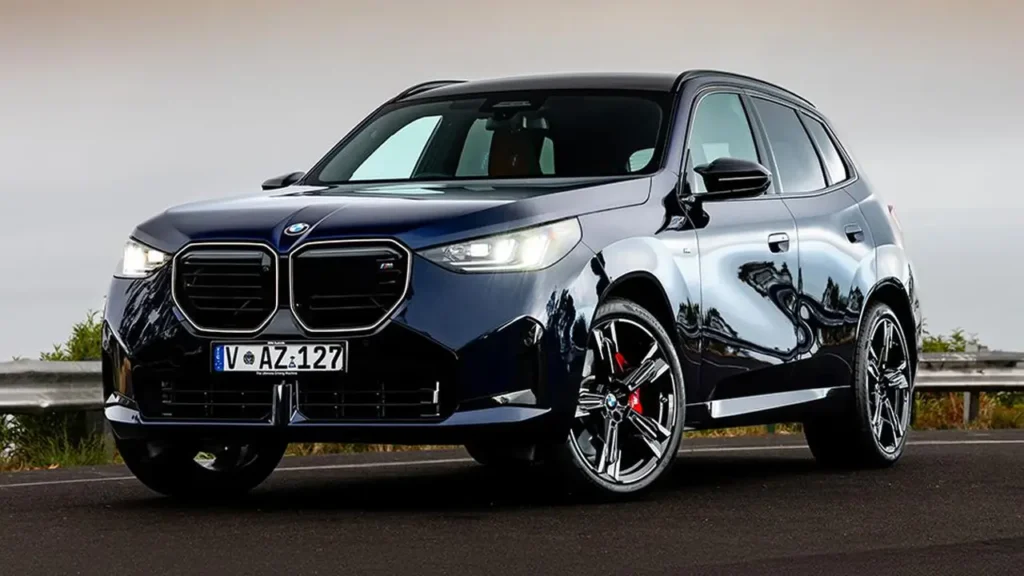
2. Chinese EVs Europe: EU Tariffs on Chinese EVs—Policy, Rates, and Industry Impact
The imposition of EU tariffs on Chinese EVs marks a watershed moment in the evolution of Chinese EVs Europe. In October 2024, following a comprehensive anti-subsidy investigation, the European Commission enacted definitive countervailing duties on imports of battery electric vehicles (BEVs) from China. The investigation concluded that the Chinese BEV value chain benefits from a range of unfair government subsidies, including preferential financing, grants, fiscal incentives, and the provision of key inputs such as batteries at below-market prices.
The tariffs, which are set for an initial period of five years, are differentiated by manufacturer:
| Exporter | Definitive Duty Rate |
|---|---|
| BYD Group | 17.0% |
| Geely Group | 18.8% |
| SAIC Group | 35.3% |
| Tesla (Shanghai) | 7.8% (if individually examined) |
| Other cooperating firms | 20.7% |
| Non-cooperating firms | 35.3% |
Table 1: EU Countervailing Duties on Chinese BEVs (Effective October 2024)
These tariffs are in addition to the existing 10% flat rate applied to all imported vehicles, meaning that some Chinese brands now face total duties exceeding 45%. The policy is designed to address what the Commission describes as an “imminent threat of injury” to the EU automotive industry, which accounts for 7% of the region’s GDP and nearly 14 million jobs.
The immediate impact of the tariffs was a temporary slowdown in Chinese EV imports, as manufacturers and importers adjusted their pricing and supply chains. However, recent data shows that Chinese brands have rapidly adapted, regaining market share through a combination of local production, expanded hybrid offerings, and strategic pricing. BYD, for example, has accelerated the construction of its Hungarian factory, which will allow it to circumvent tariffs by producing vehicles within the EU.
The tariffs have also sparked a broader policy debate within Europe. While some stakeholders argue that tariffs are necessary to buy time for domestic industry to transition and invest in new technologies, others warn that protectionism alone will not restore competitiveness. Experts and industry groups have called for a comprehensive industrial policy that includes investment in battery manufacturing, charging infrastructure, and workforce development.
Diplomatic tensions have escalated as well, with China initiating a World Trade Organization (WTO) dispute against the EU’s definitive duties and threatening retaliatory measures targeting European agricultural and luxury goods. The outcome of these disputes will have significant implications for the future of Chinese EVs Europe and the broader global automotive supply chain.
In summary, the EU tariffs on Chinese EVs represent a critical inflection point. They have altered the competitive landscape, prompted strategic shifts by both Chinese and European manufacturers, and set the stage for ongoing policy negotiations and potential trade conflicts.
3. Chinese EVs Europe: Chinese Car Imports to Europe—Trends, Volumes, and Trade Flows
The surge in Chinese car imports to Europe is a defining feature of the current automotive landscape. In 2024, China became the EU’s largest source of car imports by value for the third consecutive year, with Chinese passenger cars worth €12.7 billion entering the EU market. This represents a staggering 1,591% increase in imports from China since 2019, according to Eurostat.
The composition of these imports has shifted dramatically toward electric vehicles. In 2023, 438,034 battery-electric cars were imported from China into the EU, valued at €9.7 billion. By 2025, Chinese brands accounted for 8.9% of the European EV market in April—the highest share since the imposition of tariffs—and reached a record 10.6% market share in June. This recovery underscores the resilience and adaptability of Chinese manufacturers, who have diversified their product offerings and expanded local production to mitigate the impact of tariffs.
The trade flow is not limited to Chinese brands alone. Western automakers, including Tesla, BMW, and Renault, have also increased their exports of China-manufactured vehicles to Europe, leveraging China’s advanced supply chains and cost advantages. However, the majority of recent growth is attributable to Chinese brands such as BYD, MG (SAIC), Leapmotor, and Xpeng, which have aggressively targeted the European market with a mix of BEVs, PHEVs, and, increasingly, hybrid and combustion models.
| Year | Chinese Car Imports to EU (€ Billion) | BEV Share (%) | Chinese Brand Share of EU EV Market (%) |
|---|---|---|---|
| 2019 | 0.8 | ~3 | 0.4 |
| 2022 | 9.4 | >20 | 8 |
| 2023 | 12.9 | >20 | 8 |
| 2024 | 12.7 | >20 | 8.9 (April), 10.6 (June 2025) |
Table 2: Chinese Car Imports to Europe—Key Metrics (2019–2025)
The rapid increase in Chinese car imports has reversed the traditional trade balance between the EU and China. While the EU was previously a net exporter of vehicles to China, exports have declined by 22% over the past six years, while Chinese exports have surged. This shift has raised concerns among European policymakers about the long-term competitiveness of the domestic automotive industry and the potential for overdependence on Chinese supply chains.
To address these concerns, the EU has not only imposed tariffs but also launched investigations into the broader EV supply chain, including batteries and semiconductors, to assess the extent of Chinese state support and market distortions. At the same time, Chinese manufacturers are investing in local assembly plants in Hungary, Spain, and Turkey, aiming to establish a permanent foothold in the European market and bypass future trade barriers.
In conclusion, the trajectory of Chinese car imports to Europe reflects a complex interplay of market forces, industrial policy, and global trade dynamics. The continued growth of Chinese EVs Europe will depend on the ability of manufacturers to navigate regulatory hurdles, adapt to local consumer preferences, and invest in sustainable, localized production.
4. Chinese EVs Europe: BYD vs Tesla—Sales, Production, and Strategic Shifts
The rivalry between BYD and Tesla is at the heart of the Chinese EVs Europe story, symbolizing the broader contest between Chinese and Western approaches to electric mobility. In 2024, BYD surpassed Tesla in global revenue, reporting $107.2 billion compared to Tesla’s $97.7 billion, and achieved a record net profit of 40.3 billion yuan. This financial outperformance was mirrored in sales: BYD sold nearly 4.3 million vehicles worldwide in 2024, up more than 40% year-on-year, and outsold Tesla in global battery-electric vehicle (BEV) sales for four consecutive quarters.
In Europe, the shift has been equally dramatic. In July 2025, BYD sold 11,123 EVs across 14 European countries, nearly doubling Tesla’s 6,253 units. BYD’s growth was particularly strong in major markets such as Germany (+390% year-on-year), the UK (+654%), and Spain (+644%), while Tesla’s sales declined sharply in these regions. Tesla maintained some strength in Nordic markets, but BYD now leads in Western and Southern Europe.
| Country | BYD Sales (July 2025) | Tesla Sales (July 2025) | BYD YoY Growth (%) | Tesla YoY Change (%) |
|---|---|---|---|---|
| Germany | 1,566 | 885 | +390 | -45.9 |
| UK | 2,511 | 512 | +654 | -62 |
| Spain | 1,545 | 571 | +644 | -36 |
| 14-country total | 11,123 | 6,253 | — | — |
Table 3: BYD vs Tesla—European Sales Snapshot, July 2025
Several factors explain BYD’s ascendancy:
- Product Lineup and Localization: BYD offers a diverse range of models tailored to European preferences, from the compact Seagull (Haiou) and Dolphin Surf to the premium Seal and Atto 3. These vehicles are competitively priced and equipped with advanced features such as Level 2 ADAS and ultra-fast charging.
- Technological Edge: BYD’s proprietary Blade Battery and Super e-Platform enable faster charging (up to 1,000 kW) and superior safety compared to Tesla’s current offerings.
- Vertical Integration: BYD manufactures up to 80% of its components in-house, including batteries, motors, and semiconductors, allowing for lower costs and greater supply chain control.
- Local Production: BYD’s investment in European assembly plants, particularly in Hungary, reduces logistics costs and mitigates the impact of tariffs.
Tesla, by contrast, has faced a series of challenges in Europe:
- Declining Sales: Tesla’s European sales fell by 37% in Q1 2025 compared to the previous year, with particularly steep declines in Germany, France, and the Netherlands.
- Product Stagnation: Delays in launching new models and recalls (e.g., Cybertruck) have eroded Tesla’s competitive edge.
- Brand and Policy Headwinds: CEO Elon Musk’s political activities and the imposition of EU tariffs on Shanghai-produced Teslas have further complicated the company’s European strategy.
Despite these setbacks, Tesla remains a formidable player, especially in Scandinavia, and continues to invest in local production and charging infrastructure. However, the momentum in Chinese EVs Europe has clearly shifted toward BYD and its peers, signaling a new phase in the global EV race.
5. Chinese EVs Europe: Chinese Electric Car Brands in Europe—Profiles and Market Strategies
The landscape of Chinese electric car brands in Europe is rapidly diversifying, with a mix of established giants and ambitious newcomers vying for market share. The following table summarizes the key players, their positioning, and strategic approaches as of 2025:
| Brand | Segment/Positioning | Key Models (Europe) | Strategic Notes |
|---|---|---|---|
| BYD | Mainstream to Premium | Dolphin Surf, Atto 3, Seal, Denza D9, Yangwang U8 | Vertical integration, local production, premium expansion (Denza, Yangwang), aggressive pricing, Euro NCAP 5-star ratings |
| MG (SAIC) | Value/Mainstream | MG4, MG ZS, MG3 | British heritage branding, rapid dealer expansion, pivot to hybrids to offset tariffs |
| Leapmotor | Entry-level/Value | T03, C10 | Stellantis partnership, local assembly in Poland, focus on urban EVs, rapid sales growth |
| Xpeng | Near-premium/Tech | G6, G9 | VW partnership, 5-star Euro NCAP, advanced ADAS, 5C supercharging |
| NIO | Premium/Service | ET5, EL6, EL7 | Battery swap stations, luxury positioning, focus on user experience, limited sales volume |
| Zeekr | Premium/Performance | 001, X, 7X | 5-star Euro NCAP and Green NCAP, 800V architecture, fast charging, targeting Audi/Polestar segment |
| Chery (Omoda, Jaecoo) | Mainstream/Value | Omoda 5, Jaecoo 7 | Aggressive pricing, rapid dealer rollout, focus on Southern Europe, hybrid and ICE models |
| Smart (Geely/Mercedes) | Urban/Chic | #1, #3 | High safety ratings, Mercedes design, Geely engineering, urban focus |
Table 4: Chinese Electric Car Brands in Europe—Profiles and Strategies (2025)
BYD stands out for its breadth of offerings, from the affordable Dolphin Surf (the first BYD to be produced in Europe) to the luxury Denza and Yangwang lines. The company’s commitment to local manufacturing is exemplified by its Hungarian plant, which will begin producing vehicles by the end of 2025. BYD’s models consistently achieve top safety ratings and are equipped with advanced battery and charging technologies.
MG (SAIC) leverages its British heritage to build consumer trust, while pivoting toward hybrids to mitigate the impact of high EU tariffs on BEVs. The MG4 remains one of the best-selling Chinese EVs in Europe, and the brand has invested in expanding its parts and service network.
Leapmotor has rapidly gained traction with its T03 city car, which is now assembled in Poland through a partnership with Stellantis. The brand’s focus on affordability and urban mobility has resonated with European consumers, and its sales have surged over 100-fold in some markets.
Xpeng and Zeekr are positioning themselves as technology leaders, offering vehicles with advanced ADAS, fast charging, and premium features. Both brands have achieved 5-star Euro NCAP ratings and are targeting the near-premium and premium segments.
NIO differentiates itself through its battery swap infrastructure and luxury user experience, though its sales volumes remain modest compared to BYD and MG.
Chery’s Omoda and Jaecoo brands are aggressively expanding in Southern Europe, offering competitively priced hybrids and ICE models to capture market share in regions less affected by BEV tariffs.
This multi-layered hierarchy of Chinese EV brands reflects a strategic shift from competing solely on price to emphasizing technology, safety, and localized service. As tariffs and regulatory scrutiny intensify, the ability of these brands to adapt and invest in local production will be critical to their long-term success in Chinese EVs Europe.
6. Chinese EVs Europe: Cheap Chinese Electric Cars—Pricing, Models, and Value Proposition
One of the most disruptive aspects of Chinese EVs Europe is the influx of affordable electric cars that are redefining the entry-level segment. Chinese manufacturers have leveraged economies of scale, vertical integration, and advanced battery technology to offer models that undercut both European and American rivals on price without sacrificing essential features.
The following table highlights three of the cheapest Chinese EVs available in Europe in 2025:
| Model | Starting Price (Europe) | WLTP Range (km) | Battery Size (kWh) | Key Features |
|---|---|---|---|---|
| Leapmotor T03 | €11,424 | 265 | 37.3 | 10.1″ touchscreen, L2 ADAS, panoramic roof, fast charging, assembled in Poland |
| BYD Dolphin Surf | €15,760 | 220–322 | 30/43.2 | Rotating touchscreen, V2L, ADAS, vegan interior, Euro NCAP 5-star, first to be built in Hungary |
| Dongfeng Nammi Box | €16,000 | 310 | 42.3 | Spacious interior, wireless charging, modern safety features |
Table 5: Cheapest Chinese Electric Cars in Europe (2025)
Leapmotor T03 is positioned as the best value-for-money city EV, offering a robust feature set—including Level 2 driver assistance and a panoramic roof—at a price point that rivals the smallest combustion-engine vehicles. Its local assembly in Poland ensures tariff-free delivery and local support.
BYD Dolphin Surf (a rebadged Seagull for Europe) combines style, technology, and flexibility, with two battery options and a range of up to 322 km. Its competitive pricing and Euro NCAP 5-star safety rating make it a standout choice for budget-conscious buyers.
Dongfeng Nammi Box targets families and commuters seeking more space and practicality, offering a 310 km range and a well-equipped interior at a starting price of around €16,000.
These models are part of a broader trend: Chinese brands are making EV ownership accessible to a wider audience, challenging the perception that electric cars are a luxury reserved for the affluent. The aggressive pricing strategies of Chinese manufacturers have forced European brands to accelerate the launch of their own affordable EVs, such as the Renault 5 and Citroën e-C3, which now compete directly with Chinese imports.
However, the sustainability of ultra-low pricing is under scrutiny. Industry analysts warn that ongoing price wars and shrinking profit margins could lead to market consolidation, with only the most efficient and innovative players surviving in the long run.
In summary, the arrival of cheap Chinese electric cars is democratizing EV adoption in Europe, but it is also intensifying competitive pressures and raising questions about the long-term viability of current pricing models.
7. Chinese EVs Europe: Chinese EV Price War—Strategies, Market Impact, and Industry Response
The Chinese EV price war has become a defining feature of both the domestic and international markets, with far-reaching implications for Chinese EVs Europe. In 2025, BYD and its competitors engaged in a series of aggressive price cuts, slashing prices by up to 34% on key models such as the Seagull and Dolphin Surf. This strategy was driven by a combination of overcapacity, slowing domestic demand, and the need to defend or expand market share amid intensifying competition.
The price war has had several notable effects:
- Market Share Gains: BYD’s pricing strategy propelled its European sales up 272% year-on-year in September 2025, while Tesla’s sales fell by 10.5% over the same period. BYD now leads the European market in several key segments, outpacing both Tesla and established European brands.
- Industry Backlash: The China Association of Automobile Manufacturers (CAAM) and the Ministry of Industry and Information Technology (MIIT) have issued warnings against “disorderly price wars,” citing a decline in industry-wide profit margins from 4.3% in 2024 to 3.9% in Q1 2025. Concerns have been raised about potential quality degradation and the financial health of suppliers.
- Consolidation Pressure: The average production utilization rate in China’s automotive industry fell to just 49.5% in 2024, highlighting significant overcapacity and prompting predictions of massive consolidation, with only a handful of dominant brands likely to survive.
- Dual Pricing Strategy: BYD and other leading brands have adopted a dual pricing strategy, maintaining low prices in China to drive out competitors while commanding higher margins in export markets such as Europe. For example, the BYD Atto 3 sells for approximately $19,283 in China but $42,789 in Germany.
The price war has also forced European and American manufacturers to respond with their own discounts and accelerated product launches. However, the ability of Chinese brands to sustain low prices is underpinned by their vertical integration, control over battery supply chains, and, in some cases, continued access to state support.
Regulators and industry leaders are increasingly concerned that the price war could undermine the long-term sustainability of the EV sector, both in China and abroad. There are calls for a shift toward “differentiated competition” based on technology, quality, and service rather than relentless price cutting.
In conclusion, the Chinese EV price war has reshaped the competitive landscape in Europe, delivering short-term benefits to consumers but raising significant questions about profitability, industry structure, and the future direction of the market.
8. Chinese EVs Europe: US Tariffs on Chinese EVs—Policy, Enforcement, and Global Implications
The United States has taken an even more aggressive stance than the EU in restricting Chinese EVs, with profound implications for Chinese EVs Europe and the global automotive industry. In May 2024, the Biden administration announced a 100% tariff on imported Chinese electric vehicles, quadrupling the previous rate of 25%. Additional tariffs were imposed on Chinese batteries (25%), solar cells (50%), steel and aluminum (25%), and a range of critical minerals.
The rationale for these measures is twofold: to protect American industries from what the administration describes as “unfair trade practices” and to safeguard the massive public and private investments made under the Inflation Reduction Act (IRA), CHIPS and Science Act, and Bipartisan Infrastructure Law. The US government argues that Chinese subsidies have led to overcapacity and the dumping of cheap EVs and clean energy products on global markets, threatening the viability of domestic manufacturing.
The impact of US tariffs on Chinese EVs has been immediate and far-reaching:
- Market Exclusion: Chinese EVs are effectively barred from the US market, with imports rendered economically unviable by the 100% tariff and strict rules of origin for tax credits.
- Global Supply Chain Shifts: The US tariffs have prompted Chinese manufacturers to accelerate their focus on Europe, Southeast Asia, and other regions, intensifying competition in these markets.
- Retaliatory Measures: China has responded with its own tariffs and restrictions, targeting US agricultural products, critical minerals, and technology exports.
- Policy Divergence: While the EU has imposed targeted, evidence-based tariffs following anti-subsidy investigations, the US approach is broader and more punitive, raising concerns about the erosion of the international rules-based trading system.
The US tariffs have also influenced policy debates in Europe, with some stakeholders advocating for similarly stringent measures to protect domestic industry. However, there is recognition that the European market is more open and that a balance must be struck between defending local jobs and fostering competition and innovation.
In summary, US tariffs on Chinese EVs have reshaped global trade flows, redirected Chinese export strategies toward Europe, and heightened the risk of a broader trade conflict. The long-term implications for Chinese EVs Europe will depend on the evolution of transatlantic policy coordination and the ability of manufacturers to adapt to an increasingly fragmented global market.
9. Chinese EVs Europe: China EV Subsidies—Programs, Reforms, and WTO Implications
China’s EV subsidy programs have been central to the rise of Chinese EVs Europe, providing the financial and policy support needed to achieve global leadership in electric mobility. Since 2009, the Chinese government has deployed a wide array of subsidies, tax exemptions, and industrial policies to stimulate EV adoption, build domestic supply chains, and foster technological innovation.
The evolution of China’s EV subsidy policy can be summarized as follows:
- 2009–2015: Launch of direct purchase subsidies (up to ¥60,000 per vehicle), targeting pilot cities and early adopters.
- 2016–2019: Expansion and refinement of subsidies, with performance-based criteria and increased local government incentives.
- 2020–2022: Gradual reduction of subsidies to avoid market distortion, shift toward non-financial incentives (e.g., license plate privileges).
- 2023–2025: Extension of support through tax exemptions (up to ¥30,000 per vehicle), infrastructure investments, and rural EV promotion programs. Purchase tax exemptions have been extended to the end of 2027 for BEVs, PHEVs, and FCVs priced under ¥300,000, unless equipped with battery swapping technology.
The cumulative impact of these policies has been enormous. From 2009 to 2023, Chinese government support for the EV sector is estimated to have totaled $230.9 billion, including buyer rebates, tax exemptions, infrastructure funding, R&D grants, and government procurement. This sustained investment has enabled Chinese brands like BYD, NIO, and XPeng to achieve economies of scale, drive down costs, and develop advanced battery and vehicle technologies.
However, the subsidy regime has also attracted criticism and triggered international trade disputes. The EU’s anti-subsidy investigation concluded that Chinese BEVs benefit from a range of unfair advantages, including preferential loans, cheap land, and below-market battery prices, justifying the imposition of countervailing duties. The US has cited similar concerns in its decision to impose 100% tariffs on Chinese EVs.
In 2025, China signaled a shift toward market-driven growth by excluding new energy vehicles (NEVs) from its list of strategic emerging industries in the next five-year plan, indicating an intention to phase out remaining subsidies. Analysts believe that the industry is now mature enough to compete without direct government support, though targeted incentives for innovation and rural adoption are likely to continue.
The WTO implications of China’s subsidy programs remain contentious. While the EU and US argue that these policies distort global markets and violate trade rules, China maintains that its support is consistent with its development goals and that subsidies as a percentage of total sales have declined over time.
In conclusion, China’s EV subsidies have been instrumental in shaping the global automotive landscape and enabling the rise of Chinese EVs Europe. The ongoing transition to a more market-oriented approach will test the resilience and competitiveness of Chinese brands in an increasingly regulated and contested international market.
10. Chinese EVs Europe: 2025–2026 Outlook, Key Takeaways, and Next Steps
As we look ahead to 2025–2026, the trajectory of Chinese EVs Europe will be shaped by a complex interplay of market forces, regulatory interventions, and technological innovation. The following key takeaways summarize the current state and future prospects of the sector:
- Market Momentum: Chinese EVs Europe have rapidly gained market share, doubling their presence to over 10% in key months of 2025 and challenging established brands in both the mainstream and premium segments.
- Tariff Adaptation: Despite the imposition of EU tariffs (up to 45.3%), Chinese manufacturers have demonstrated remarkable adaptability, expanding local production, diversifying powertrain offerings, and leveraging vertical integration to maintain competitiveness.
- BYD vs Tesla: The BYD vs Tesla rivalry has tilted decisively in favor of BYD in Europe, with the Chinese giant leading in sales, technology, and local investment. Tesla remains a significant player but faces mounting challenges from both Chinese and European competitors.
- Affordable EVs: The arrival of cheap Chinese electric cars has democratized EV ownership, forcing European brands to accelerate the launch of their own affordable models and intensifying price competition across the market.
- Price War Risks: The ongoing price war, while beneficial to consumers in the short term, raises concerns about profitability, industry consolidation, and long-term sustainability.
- Policy Divergence: The US has effectively closed its market to Chinese EVs with 100% tariffs, while the EU has opted for targeted, evidence-based measures. The risk of broader trade conflicts and supply chain fragmentation remains high.
- Subsidy Transition: China is transitioning from broad-based subsidies to targeted, innovation-driven support, signaling confidence in the maturity of its EV industry but also raising questions about future competitiveness.
- Industrial Policy Imperative: European policymakers and industry leaders recognize that tariffs alone are insufficient. A comprehensive industrial strategy—encompassing investment in batteries, charging infrastructure, and workforce skills—is essential to ensure the long-term competitiveness of the European automotive sector.
Call to Action: For consumers, policymakers, and industry stakeholders seeking in-depth analysis, model comparisons, and the latest updates on Chinese EVs Europe, visit autochina.blog for expert insights and real-time coverage of the evolving electric vehicle landscape.
The future of Chinese EVs Europe will be defined by innovation, adaptability, and the ability of all players—Chinese and European alike—to navigate a rapidly changing regulatory and competitive environment. Stay informed, stay engaged, and drive the transition to a cleaner, more competitive automotive future.
Discover more from AutoChina
Subscribe to get the latest posts sent to your email.