The Chinese automotive market is experiencing a revolutionary shift, and SAIC Motor is stepping boldly into the hybrid pickup segment with the SAIC Z7. As global demand for efficient yet powerful work trucks continues to rise, the SAIC Z7 specs reveal a compelling blend of traditional pickup capabilities with modern electrified performance. This comprehensive guide explores everything you need to know about this exciting new contender in the competitive pickup truck landscape.
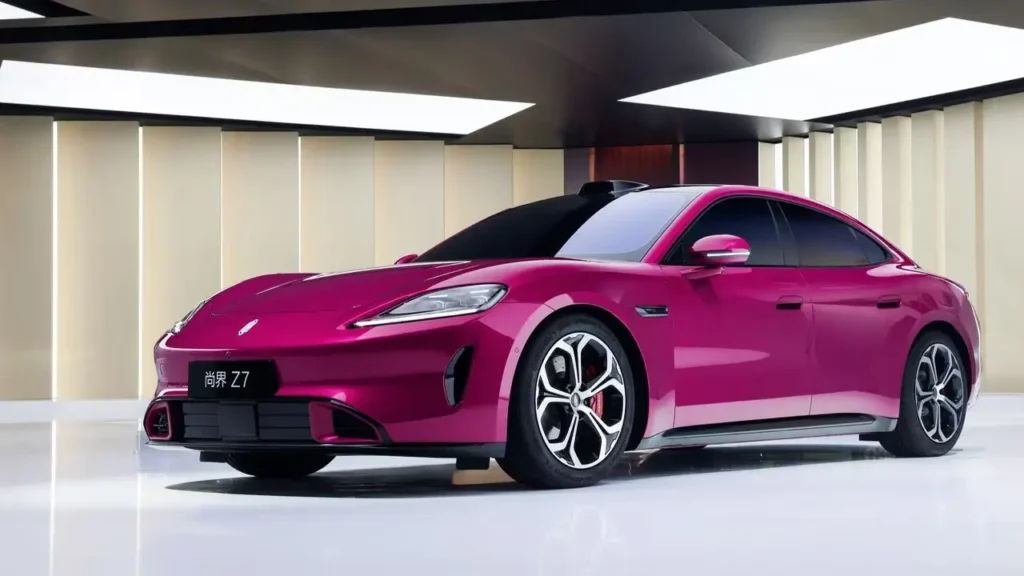
SAIC Z7 Specs Overview
The SAIC Z7 represents SAIC Motor’s ambitious entry into the hybrid pickup market, targeting both commercial users and lifestyle-oriented buyers. Built on a robust platform designed to handle serious workloads while delivering impressive fuel efficiency, the Z7 combines the best of both worlds.
At its core, the SAIC Z7 specs showcase a midsize pickup truck measuring approximately 5,400mm in length, 1,900mm in width, and 1,800mm in height. The wheelbase spans roughly 3,100mm, providing ample cabin space and bed utility. The approach angle of 28 degrees and departure angle of 25 degrees hint at genuine off-road capability, while the ground clearance of 230mm ensures the truck can handle rough terrain with confidence.
The SAIC Z7 features a sophisticated hybrid powertrain that pairs a turbocharged gasoline engine with an electric motor system. This configuration delivers a combined output of approximately 340 horsepower and 550 Nm of torque, transmitted through an advanced automatic transmission. The four-wheel-drive system comes standard across most trims, ensuring maximum traction in challenging conditions.
| Specification | SAIC Z7 |
|---|---|
| Length | 5,400mm |
| Width | 1,900mm |
| Height | 1,800mm |
| Wheelbase | 3,100mm |
| Ground Clearance | 230mm |
| Combined Power | 340 hp |
| Torque | 550 Nm |
When examining the SAIC Z7 features, the truck comes equipped with comprehensive technology packages including a large touchscreen infotainment system, digital instrument cluster, advanced driver assistance systems, and connectivity features that rival premium SUVs. The payload capacity reaches up to 800kg in the cargo bed, while the chassis is engineered to handle demanding work scenarios.
SAIC Z7 Price and Release Date
Understanding the SAIC Z7 price positioning is crucial for potential buyers evaluating this hybrid pickup against established competitors. Based on market analysis and SAIC’s historical pricing strategy, the Z7 is expected to launch with a starting price around 180,000 to 220,000 Chinese Yuan, which translates to approximately 25,000 to 30,000 USD depending on exchange rates and regional specifications.
The pricing strategy reflects SAIC’s intention to position the Z7 as a value-oriented alternative to established hybrid pickups while maintaining premium features. The base configuration will likely include the hybrid powertrain, four-wheel drive, and essential safety features, with higher trims adding luxury amenities, advanced off-road capabilities, and enhanced technology packages.
Regarding the SAIC Z7 release date, SAIC Motor has indicated that the Z7 will debut in the Chinese domestic market during the second quarter of 2026, with initial deliveries expected to begin by mid-year. The launch timeline suggests that pre-orders may open as early as Q1 2026, allowing eager customers to secure their vehicles ahead of general availability.
International markets will likely see the SAIC Z7 specs later in 2026 or early 2027, depending on regulatory approvals and market-specific adaptations. Southeast Asian markets, where SAIC has established distribution networks, may receive priority for international launches, followed by selected markets in Latin America and potentially Africa.
The trim level structure is anticipated to include three main variants: a work-focused base model, a mid-range comfort edition, and a premium luxury variant. Each tier will build upon the impressive SAIC Z7 specs foundation while adding incremental features to justify the price increases between levels.
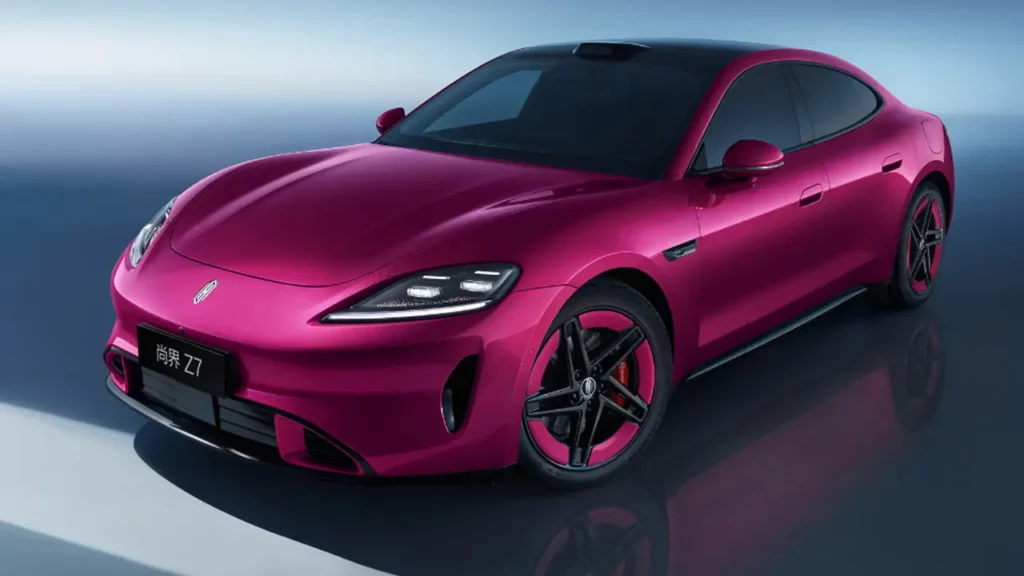
SAIC Z7 Hybrid Engine Performance
The SAIC Z7 hybrid engine represents the technological centerpiece of this innovative pickup truck. SAIC has developed a plug-in hybrid system that combines a 2.0-liter turbocharged four-cylinder gasoline engine producing approximately 230 horsepower with a permanent magnet synchronous electric motor generating an additional 110 horsepower.
This parallel hybrid configuration allows the SAIC Z7 to operate in multiple modes: pure electric for short urban commutes, hybrid mode for balanced performance and efficiency, and full power mode that combines both powerplants for maximum output. The seamless integration between combustion and electric power ensures smooth transitions that drivers barely notice during operation.
The electric motor draws power from a lithium-iron-phosphate battery pack with a capacity of approximately 30 kWh, providing an all-electric range of roughly 80 to 100 kilometers under optimal conditions. This electric-only capability makes the SAIC Z7 specs particularly attractive for users who primarily operate in urban environments but occasionally need the extended range and power of the gasoline engine.
Acceleration performance demonstrates the benefits of instant electric torque combined with turbocharged power. The SAIC Z7 hybrid engine propels the truck from 0 to 100 km/h in approximately 7.5 seconds, impressive for a vehicle in this segment. The instant torque delivery from the electric motor provides confident overtaking ability and responsive throttle response in daily driving scenarios.
The transmission system utilizes an advanced automatic gearbox specifically calibrated for hybrid operation. The intelligent management system optimizes gear selection based on driving conditions, battery charge level, and driver inputs to maximize efficiency without sacrificing performance. Paddle shifters on higher trims allow manual control when desired.
Regenerative braking technology captures energy during deceleration, converting kinetic energy back into electrical charge for the battery pack. This system not only improves overall efficiency but also reduces wear on traditional friction brakes, potentially lowering long-term maintenance costs.
SAIC Z7 Fuel Consumption and Efficiency
One of the most compelling aspects of the SAIC Z7 specs lies in its impressive fuel consumption figures. In combined driving conditions with the battery charged, the Z7 achieves approximately 5.5 to 6.5 liters per 100 kilometers, representing a significant improvement over conventional diesel pickups that typically consume 8 to 10 liters per 100 kilometers under similar conditions.
The SAIC Z7 fuel consumption benefits enormously from the ability to operate in electric-only mode during urban driving, where traditional combustion engines are least efficient. During city commutes within the electric range, fuel consumption effectively drops to zero, with only electricity costs applying. This capability makes the Z7 particularly economical for users with predictable daily routes and access to charging infrastructure.
On longer highway journeys where the battery depletes and the vehicle operates primarily on gasoline power, the SAIC Z7 fuel consumption rises to approximately 8 to 9 liters per 100 kilometers. While higher than pure electric mode, this still represents reasonable efficiency for a vehicle of this size and capability, especially considering the performance available when needed.
| Driving Scenario | Fuel Consumption |
|---|---|
| City (Electric Mode) | 0 L/100km |
| Combined (Battery Charged) | 5.5-6.5 L/100km |
| Highway (Battery Depleted) | 8-9 L/100km |
| Off-Road | 10-12 L/100km |
Charging the battery pack takes approximately 4 to 5 hours using a standard household outlet, or around 2 hours with a Level 2 charging station. The convenience of home charging means many users can maintain electric operation for daily commuting while reserving gasoline range for longer trips or heavy hauling scenarios.
The real-world efficiency of the SAIC Z7 specs will naturally vary based on driving style, payload, terrain, and climate conditions. Cold weather can reduce battery performance and electric range, while aggressive driving or heavy towing will increase fuel consumption. However, even in challenging conditions, the hybrid system typically outperforms conventional pickups.
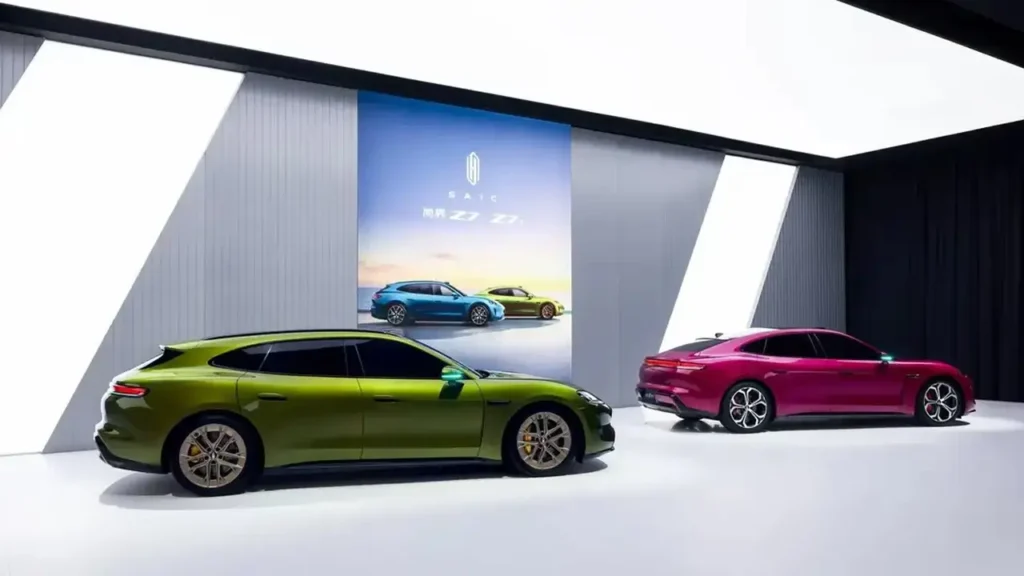
SAIC Z7 Interior and Comfort
Stepping inside the SAIC Z7 interior reveals a surprisingly refined environment that challenges perceptions about work trucks. SAIC has invested heavily in creating a cabin that balances utility with comfort, recognizing that modern pickup buyers often use their vehicles as primary family transportation in addition to work duties.
The dashboard design features a clean, modern layout dominated by a large 12.3-inch touchscreen infotainment system that controls climate, navigation, vehicle settings, and entertainment functions. The interface utilizes SAIC’s latest software platform with intuitive menu structures and responsive touch controls. Wireless smartphone integration supports both Apple CarPlay and Android Auto, ensuring seamless connectivity.
A fully digital 10.25-inch instrument cluster replaces traditional analog gauges, providing customizable displays that show everything from hybrid system operation to navigation guidance. The crisp graphics and configurable layouts allow drivers to prioritize the information most relevant to their current driving situation.
Seating in the SAIC Z7 interior accommodates five adults comfortably, with the rear bench offering adequate legroom thanks to the generous wheelbase. Front seats feature power adjustment with lumbar support on higher trims, while premium variants include heating and ventilation functions. The upholstery choices range from durable cloth on base models to synthetic leather or genuine leather on top specifications.
Storage solutions throughout the cabin demonstrate practical thinking. Large door pockets, a spacious center console, covered bins, and numerous cup holders ensure occupants can stow personal items conveniently. The rear seats fold up to create additional secure storage space when not carrying passengers, a thoughtful feature for tools or valuable cargo.
Climate control utilizes an automatic dual-zone system on mid and upper trims, maintaining individual temperature preferences for driver and passenger. The system works efficiently even when operating in electric mode, though running heating or air conditioning does impact the available electric range.
Sound insulation throughout the SAIC Z7 interior exceeds expectations for the segment. SAIC has applied acoustic materials in strategic locations to minimize road noise, wind noise, and engine intrusion. When operating in electric mode, the cabin becomes remarkably quiet, creating an almost luxury-car experience.
Premium audio systems available on higher trims feature multiple speakers strategically positioned throughout the cabin, delivering clear sound quality even at highway speeds. The integration with the infotainment touchscreen allows easy control of sources and sound settings.
Ambient lighting, panoramic sunroof options, and premium trim materials on top-specification models elevate the SAIC Z7 interior experience to levels previously unseen in this market segment. These features acknowledge that pickup buyers increasingly value comfort and refinement alongside traditional capability.
SAIC Z7 Towing Capacity and Utility
For many pickup buyers, SAIC Z7 towing capacity represents a critical specification that determines whether the truck can handle their work requirements. SAIC has engineered the Z7 to deliver impressive hauling capabilities despite the additional complexity of the hybrid powertrain.
The maximum towing capacity reaches approximately 3,500 kilograms when properly equipped with the available towing package. This figure positions the Z7 competitively within the midsize pickup segment, capable of hauling substantial trailers, boats, caravans, or equipment. The hybrid powertrain’s instant electric torque proves particularly beneficial when starting from a stop with heavy loads.
Payload capacity in the cargo bed reaches up to 800 kilograms, sufficient for most commercial and recreational applications. The bed itself measures approximately 1,550mm in length and 1,460mm in width between the wheel arches, providing generous space for cargo, equipment, or recreational gear. A spray-in bedliner comes standard on most trims, protecting against scratches and corrosion.
The SAIC Z7 towing capacity benefits from sophisticated electronic systems that enhance safety and control. Trailer sway control automatically applies individual brakes to counteract unwanted movement, while integrated trailer brake controllers allow adjustment of trailer braking force from the cabin. Hill start assist prevents rollback when starting on inclines with heavy loads.
| Utility Specification | Capacity |
|---|---|
| Maximum Towing Capacity | 3,500 kg |
| Payload Capacity | 800 kg |
| Bed Length | 1,550 mm |
| Bed Width (between arches) | 1,460 mm |
Tie-down points integrated into the bed structure provide secure attachment locations for straps and cargo nets. Available accessories include bed dividers, storage boxes, and tonneau covers that enhance utility while protecting cargo from weather and theft.
The hybrid system manages power delivery intelligently when towing, utilizing both the gasoline engine and electric motor to maintain performance. While towing heavy loads does impact fuel consumption, the combined power of the SAIC Z7 specs ensures confident acceleration and stable cruising even when approaching maximum capacity.
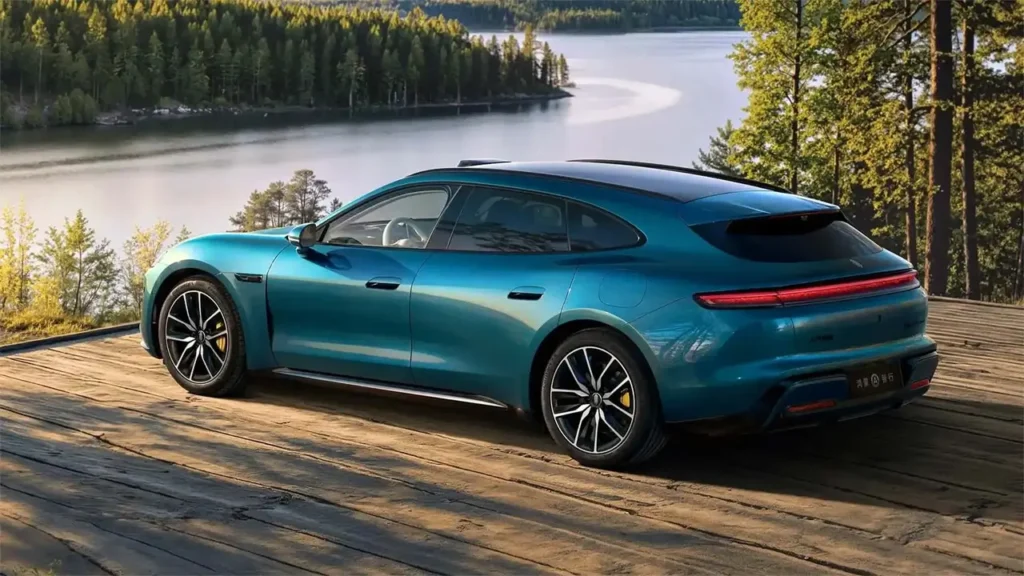
SAIC Z7 Off Road Capability
The SAIC Z7 off road performance extends beyond mere marketing claims, incorporating genuine engineering solutions that enable confident exploration beyond paved surfaces. SAIC recognizes that pickup buyers frequently venture onto challenging terrain, whether for work, recreation, or adventure.
Ground clearance of 230mm provides adequate obstacle clearance for moderate off-road trails, while the approach and departure angles of 28 and 25 degrees respectively allow the truck to navigate steep inclines and declines without scraping vulnerable components. The breakover angle ensures the chassis clears obstacles when traversing uneven terrain.
The four-wheel-drive system on the SAIC Z7 off road variant includes selectable drive modes that optimize power delivery and traction control for different surfaces. Modes typically include 2WD for efficient highway driving, Auto 4WD for variable conditions, 4WD High for slippery surfaces and light trails, and 4WD Low for maximum traction in extreme conditions.
Locking rear differential functionality, available on higher trims, dramatically improves traction when one wheel loses grip. This mechanical advantage proves invaluable on muddy trails, sandy terrain, or rocky paths where wheels can lift off the ground. The system engages seamlessly, providing extra capability without requiring complex driver intervention.
Underbody protection includes skid plates covering vulnerable components like the battery pack, engine oil pan, transfer case, and fuel tank. These shields protect against rock strikes and obstacles that could otherwise cause expensive damage or leave the truck stranded on remote trails.
Hill descent control manages speed automatically when descending steep grades off-road, allowing drivers to focus on steering while the system modulates brakes to maintain a controlled pace. This feature reduces fatigue and improves safety on challenging descents.
The SAIC Z7 off road capability extends to water fording, with a maximum wading depth of approximately 600mm. This specification enables crossing streams, flooded roads, or navigating through heavy rain conditions without risk of water ingress into critical components. The sealed battery pack and elevated air intake protect the hybrid system during water crossings.
All-terrain tires available on off-road packages provide enhanced grip on loose surfaces while maintaining acceptable on-road manners. The tire size of approximately 265/65R17 or 275/65R18 balances off-road capability with fuel efficiency and ride comfort.
Electronic traction control systems work in concert with the hybrid powertrain to distribute torque effectively across all four wheels. The instant response of the electric motor allows more precise traction management compared to conventional systems, potentially offering advantages in technical off-road situations.
SAIC Z7T Pickup vs Competitors
Evaluating the SAIC Z7T pickup against established competitors reveals both strengths and areas where the truck differentiates itself in an increasingly crowded market. The most direct comparison involves the BYD Shark hybrid pickup, Great Wall Cannon, and potentially imported models from Toyota and Ford.
When considering SAIC Z7 vs BYD pickup, both vehicles target the emerging hybrid pickup segment with similar philosophies but different execution. The BYD Shark utilizes a plug-in hybrid system with slightly more electric range, approximately 100 kilometers compared to the Z7’s 80-100 kilometers. However, the SAIC Z7 specs include marginally more combined power output, providing stronger acceleration and towing confidence.
Interior refinement represents another differentiating factor. While both trucks offer modern touchscreen interfaces and digital instruments, early feedback suggests the SAIC Z7 interior materials and build quality slightly edge out the BYD alternative, though both represent significant improvements over traditional Chinese pickups.
Pricing between the two hybrid competitors will likely remain close, with both manufacturers targeting value-conscious buyers who want electrified capability without premium price tags. The final decision may come down to brand preference, dealer availability, and specific feature requirements.
| Feature | SAIC Z7 | BYD Shark |
|---|---|---|
| Combined Power | 340 hp | 430 hp |
| Electric Range | 80-100 km | 100 km |
| Towing Capacity | 3,500 kg | 2,500 kg |
| Starting Price (est.) | 180,000-220,000 CNY | 170,000-210,000 CNY |
Against conventional diesel competitors like the Great Wall Cannon, the SAIC Z7T pickup offers clear advantages in fuel efficiency and urban drivability. The hybrid system’s electric-only capability provides silent, zero-emission operation in cities where diesel trucks increasingly face restrictions. However, the diesel alternatives typically cost less upfront and offer simpler mechanicals that some commercial buyers prefer.
Traditional pickup buyers concerned about hybrid system reliability and maintenance costs may gravitate toward proven diesel powertrains, accepting higher fuel costs and reduced refinement in exchange for perceived simplicity. The SAIC Z7 specs must overcome these psychological barriers through strong warranty coverage and demonstrated reliability over time.
International competitors like the Toyota Hilux or Ford Ranger offer established reputations and extensive service networks, advantages that Chinese brands including SAIC continue working to match. However, the price differential remains substantial, with imported trucks often costing 50-100% more than domestic alternatives like the Z7.
The SAIC Z7 features package typically includes technology and comfort amenities that are optional or unavailable on base versions of imported competitors, providing better value for buyers prioritizing modern conveniences alongside capability.
Pros, Cons and Final Verdict
After thoroughly examining the SAIC Z7 specs across multiple dimensions, clear strengths and potential concerns emerge that will influence buyer decisions.
Advantages of the SAIC Z7 include the impressive fuel efficiency delivered by the hybrid powertrain, particularly for users with daily routes within the electric range. The ability to operate in pure electric mode provides silent, emission-free urban driving while maintaining extended range capabilities for longer journeys or work scenarios.
The power output of 340 combined horsepower positions the SAIC Z7 specs competitively for acceleration and performance, while the instant electric torque enhances low-speed responsiveness and towing confidence. This performance comes without sacrificing capability, with the 3,500kg towing capacity meeting most user requirements.
Interior refinement exceeds expectations for the segment and price point, with the modern technology package, comfortable seating, and thoughtful storage solutions creating an environment suitable for both work and family use. The comprehensive safety features and driver assistance systems provide peace of mind.
Value represents another significant advantage. The anticipated pricing positions the Z7 favorably against both domestic and imported competitors while delivering features and capabilities that traditionally required premium pricing. This value proposition should appeal to budget-conscious buyers seeking modern technology.
However, potential concerns deserve consideration. As a new hybrid pickup from a brand still building its reputation in this segment, questions about long-term reliability and resale value remain unanswered. Early adopters assume some risk compared to established alternatives with proven track records.
The complexity of the hybrid system introduces additional components that could require maintenance or repair, potentially increasing long-term ownership costs compared to simpler diesel alternatives. Buyer confidence will depend on warranty coverage and the development of service expertise.
Battery degradation over time represents a consideration for all hybrid and electric vehicles. While modern lithium batteries demonstrate impressive longevity, gradual capacity loss will eventually reduce the electric range, forcing greater reliance on gasoline operation.
The SAIC Z7 fuel consumption advantages diminish significantly for users without regular access to charging infrastructure or those primarily driving long highway distances. For these buyers, the hybrid system adds complexity without delivering substantial efficiency benefits.
Final verdict on the SAIC Z7 specs suggests a compelling package that successfully balances traditional pickup capability with modern hybrid efficiency. The truck represents a genuine alternative to established competitors, offering competitive performance, impressive features, and attractive value.
Ideal buyers include urban-based users who can leverage the electric range for daily commuting while appreciating the flexibility of extended gasoline range for weekend adventures or occasional heavy-duty tasks. Commercial users with predictable routes and access to charging infrastructure could realize significant fuel savings.
The SAIC Z7 positions Chinese automotive technology at the forefront of the hybrid pickup segment, demonstrating that domestic manufacturers can compete effectively with established international brands. Success will ultimately depend on execution quality, reliability demonstration, and effective marketing to overcome buyer hesitation about new technology from emerging brands.
For buyers prioritizing fuel efficiency, modern technology, and value in a capable midsize pickup, the SAIC Z7 specs deserve serious consideration. The hybrid powertrain represents the future direction of the pickup segment, and early adoption positions buyers at the leading edge of this transformation.
Those interested in learning more about the SAIC Z7 and other emerging Chinese automotive innovations should visit autochina.blog for comprehensive coverage, detailed comparisons, and expert analysis. The Chinese automotive market continues evolving rapidly, with exciting new models like the Z7 demonstrating the innovation and capability that will shape global transportation in the coming years.
The SAIC Z7 arrives at a pivotal moment when buyers increasingly seek alternatives to traditional combustion pickups without fully committing to pure electric vehicles. The hybrid approach offers a practical middle ground that addresses range anxiety while delivering real efficiency improvements. If SAIC executes well on build quality, reliability, and customer support, the Z7 could establish a strong foothold in this rapidly growing segment, positioning the company for continued success as electrification reshapes the automotive landscape.

Discover more from AutoChina
Subscribe to get the latest posts sent to your email.

