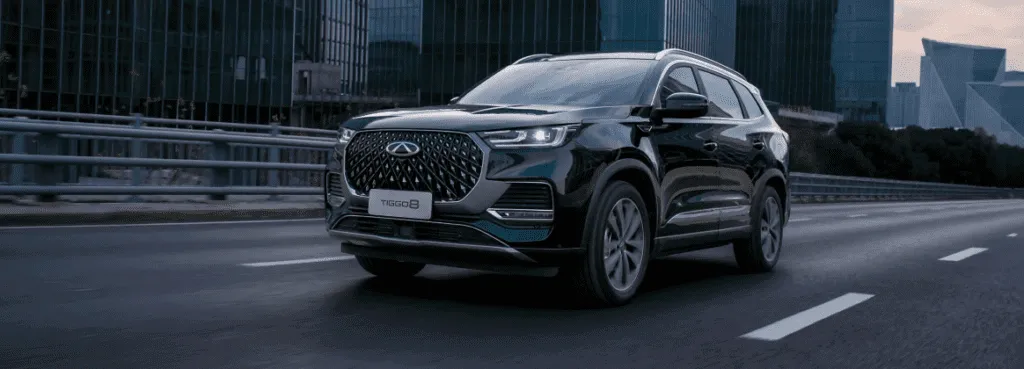
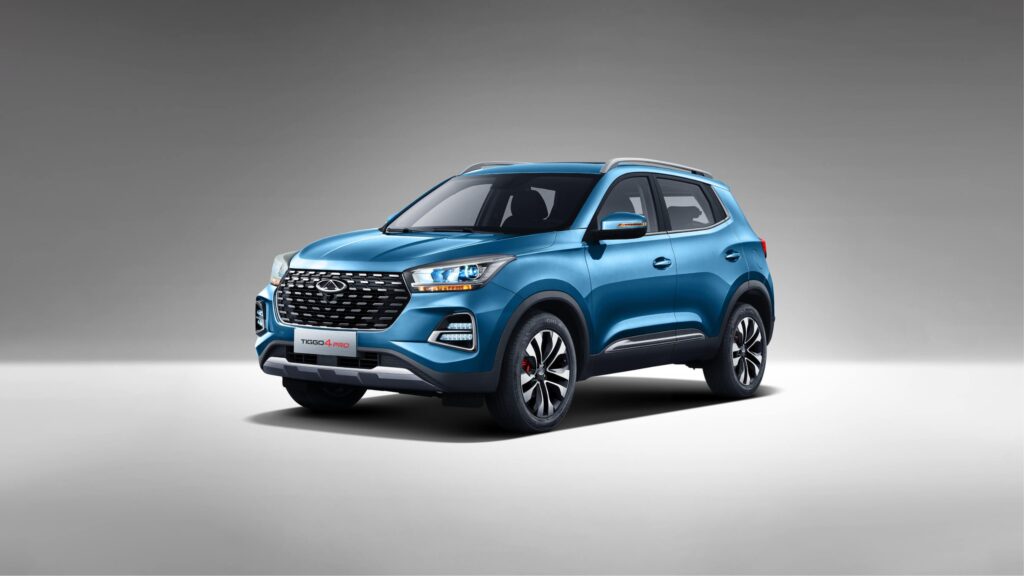
The automotive world is buzzing with anticipation as one of the most iconic names in SUV history prepares for an unexpected comeback. The Freelander, a model that defined accessible luxury for millions of drivers worldwide, is set to return to showrooms in 2026. But this time, there’s a significant twist: the new Freelander will be built in China through a groundbreaking partnership between Jaguar Land Rover and Chery Automobile. This collaboration represents more than just another joint venture; it’s a complete reimagining of how premium vehicles can be developed, manufactured, and delivered to global markets.
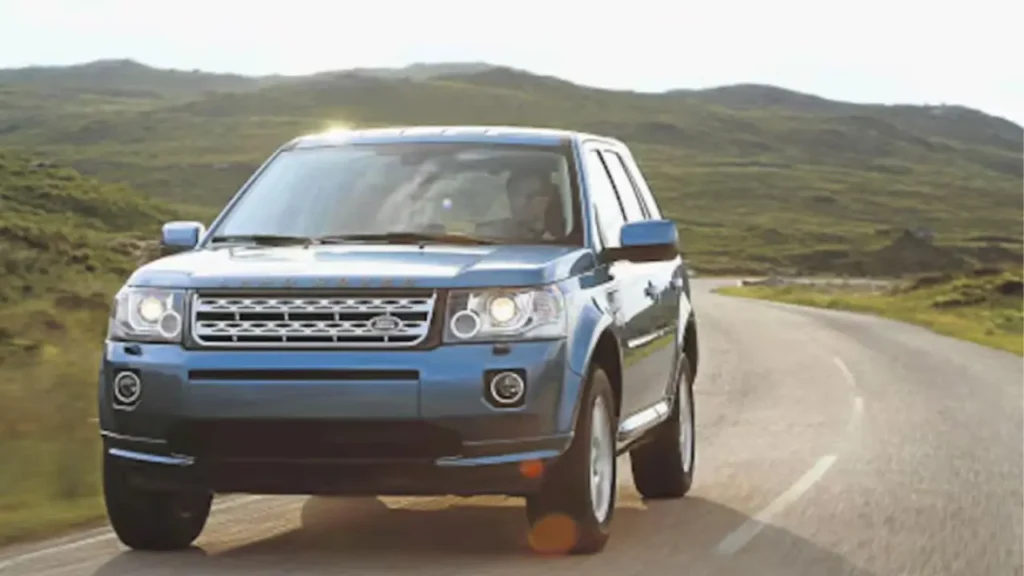
For those who remember the original Freelander fondly, this news might seem both exciting and unexpected. The nameplate disappeared from markets years ago, replaced by the Discovery Sport in JLR’s evolving lineup. Yet the Freelander name still carries weight, particularly in markets where it established Land Rover’s reputation for building practical, capable SUVs that didn’t demand Range Rover money. Now, with Chinese manufacturing expertise and JLR’s heritage of off-road capability, the Chery-built Freelander aims to capture a new generation of buyers while honoring the legacy that made the original so beloved.
The Partnership That Makes It Possible
Understanding the new Freelander requires understanding the unique relationship between Chery and Jaguar Land Rover. This isn’t a typical badge-engineering exercise where one company simply rebadges another’s vehicle. Instead, it’s a genuine collaboration that leverages the strengths of both partners to create something neither could achieve independently.
Chery Jaguar Land Rover, often abbreviated as CJLR, was established as a joint venture with ownership split equally between the British luxury automaker and one of China’s most innovative domestic manufacturers. This partnership was formed with a clear mission: to produce premium vehicles specifically designed for the Chinese market while maintaining the quality standards and engineering excellence that JLR customers expect worldwide.
What makes this collaboration particularly interesting is the complementary nature of what each partner brings to the table. Jaguar Land Rover contributes decades of experience in premium vehicle development, sophisticated all-wheel-drive systems, luxury interior design, and that intangible quality that makes a Land Rover feel like a Land Rover. Meanwhile, Chery brings deep understanding of Chinese consumer preferences, cutting-edge manufacturing facilities, expertise in electrification and hybrid powertrains, and the ability to produce vehicles at costs that make them competitive in the world’s largest automotive market.
The partnership has already proven successful with other models produced at their Changshu facility. The experience gained from manufacturing vehicles like the Range Rover Evoque and Discovery Sport for the Chinese market has provided valuable lessons that are now being applied to the Freelander project. This isn’t a rushed venture but rather the culmination of years of collaboration and refinement.
Where the Magic Happens: Manufacturing Excellence
The Chery-built Freelander will roll off production lines at the Jaguar Land Rover China factory in Changshu, located in Jiangsu Province. This isn’t just any assembly plant; it’s a state-of-the-art manufacturing facility that represents a significant investment in both technology and quality control systems.
The Changshu plant was designed from the ground up to meet JLR’s exacting standards while incorporating the latest advances in automotive manufacturing. The facility features extensive automation in critical areas like body welding and paint application, ensuring consistency that meets global quality benchmarks. At the same time, skilled technicians handle final assembly and quality verification, combining the precision of robots with the discernment of experienced human craftspeople.
One of the factory’s standout features is its flexibility. Modern automotive manufacturing requires the ability to produce multiple models on the same production line, adapting quickly to changing market demands. The Changshu facility was built with this in mind, allowing CJLR to manufacture different vehicle types without extensive retooling. This flexibility will be crucial for the Freelander, potentially allowing for multiple variants or trim levels to be produced efficiently.
Environmental considerations also played a major role in the factory’s design. Water recycling systems, energy-efficient lighting and climate control, and waste reduction programs all contribute to making this one of the more sustainable automotive manufacturing facilities in China. For a brand like Land Rover, which increasingly emphasizes environmental responsibility, producing vehicles in a facility with strong green credentials matters both practically and symbolically.
The location itself offers strategic advantages. Changshu sits within easy reach of Shanghai, China’s commercial capital and a crucial port for both domestic distribution and international export. This proximity to infrastructure will be essential when the Freelander begins its global expansion beyond the Chinese market.
BestChina3DPrinters
Expert Reviews & Rankings
Independent 3D Printer Reviews
Your trusted source for Chinese 3D printer reviews, rankings, and comparisons. We buy, test, and review every printer so you can make informed decisions.
Premium Positioning in a Competitive Landscape
The decision to position the Chery-built Freelander as a premium offering reflects careful market analysis and an understanding of where opportunities exist in today’s crowded SUV segment. This isn’t about building a budget alternative to European imports; it’s about creating a vehicle that can compete directly with established premium compact SUVs while offering something distinctive.
The premium SUV segment in China has exploded over the past decade. Chinese consumers have demonstrated a strong appetite for vehicles that combine luxury appointments with practical utility. However, they’ve also shown increasing sophistication in their preferences, demanding more than just badges and leather. They expect cutting-edge technology, refined performance, genuine capability, and increasingly, environmental consciousness through electrification.
The Chery premium SUV collaboration aims to meet these expectations by blending JLR’s traditional strengths with innovations that resonate specifically with modern buyers. This means maintaining the off-road capability that defines Land Rover while ensuring that the vehicle excels in the urban environments where most owners will spend the majority of their time. It means providing the luxury touches that premium buyers expect while incorporating the latest connectivity and autonomous driving assistance features that have become table stakes in the Chinese market.
What sets this approach apart from some competitors is the refusal to sacrifice one attribute for another. Some manufacturers have chosen to emphasize luxury at the expense of capability, creating SUVs that are really just tall sedans. Others have focused so heavily on technology that they’ve neglected the fundamental driving experience. The Chery-built Freelander aims to find balance, offering a well-rounded package that doesn’t ask buyers to compromise.
The pricing strategy will be crucial to this positioning. By manufacturing in China and leveraging Chery’s supply chain efficiencies, CJLR can potentially offer the Freelander at a more accessible price point than imported European competitors while maintaining premium quality. This sweet spot between premium appeal and reasonable pricing could prove to be the vehicle’s greatest strength in a market that values both prestige and practicality.
Design Philosophy: Honoring Heritage While Embracing Modernity
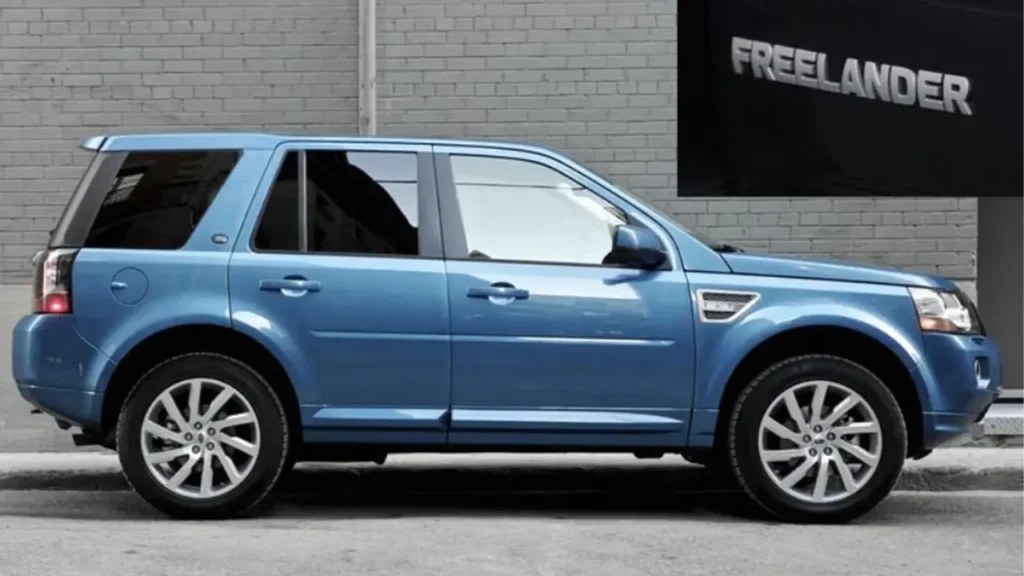
Early indications suggest that the Chery Freelander SUV will strike a careful balance between Land Rover’s design heritage and contemporary aesthetic trends. While detailed images remain limited ahead of the official reveal, the design direction appears to draw inspiration from current JLR products while incorporating elements that will resonate specifically with Chinese buyers.
The exterior is expected to feature the bold, upright proportions that have characterized Land Rover products for decades. This isn’t just about style; these proportions contribute to both off-road capability and interior spaciousness, two attributes that remain important to SUV buyers worldwide. The front fascia will likely incorporate Land Rover’s current design language, with a prominent grille and distinctive lighting signatures that immediately identify the vehicle’s lineage.
However, this won’t be a simple copy of European Land Rover designs. Chinese automotive consumers have developed their own aesthetic preferences, often favoring cleaner lines, more sophisticated lighting treatments, and details that signal technological advancement. The Freelander’s design is expected to incorporate these preferences without abandoning the fundamental character that makes a Land Rover recognizable.
The interior design will be particularly crucial to the vehicle’s success. Chinese buyers place enormous emphasis on rear-seat comfort and luxury, often valuing the passenger experience as much as or more than the driver’s environment. This means the Freelander will likely feature generous rear legroom, sophisticated climate control, and premium materials throughout the cabin. Technology integration will be seamless, with large displays, advanced connectivity, and potentially features like gesture control or augmented reality navigation that have become increasingly common in premium Chinese-market vehicles.
Color and material choices will also reflect market preferences. While European buyers might favor understated earth tones and traditional wood or metal accents, Chinese consumers often prefer more dramatic color combinations and modern materials. Expect to see interior options that push beyond typical Land Rover conservatism, offering choices that feel contemporary and luxurious in a distinctly modern way.
Technical Foundation: Platform and Powertrain Innovation
The technological underpinnings of the Chery luxury SUV platform represent one of the most intriguing aspects of this collaboration. While specific technical details remain closely guarded ahead of the official launch, the platform strategy appears to leverage the best of both partners’ capabilities.
The fundamental architecture likely draws from JLR’s experience with modular platforms that can accommodate multiple wheelbases, body styles, and importantly, different powertrain configurations. This flexibility is essential for a vehicle that needs to meet varying market requirements across different regions while maintaining consistent quality and driving dynamics.
Electrification will play a central role in the Freelander’s powertrain strategy. China has led the world in pushing automotive electrification, with increasingly stringent emissions regulations and strong consumer interest in plug-in hybrid and fully electric vehicles. The Chery-built Freelander is expected to offer multiple electrified powertrain options, potentially including a plug-in hybrid variant that can provide substantial electric-only range for daily commuting while maintaining the flexibility of a combustion engine for longer journeys.
Chery’s expertise in electrification technology becomes particularly valuable here. The company has invested heavily in battery technology, electric motor development, and power management systems. This knowledge, combined with JLR’s experience in integrating powertrains with sophisticated all-wheel-drive systems, should result in electrified variants that don’t compromise on capability or performance.
Traditional combustion powertrains will likely also be offered, at least initially, recognizing that not all markets or customers are ready to fully embrace electrification. These engines are expected to feature the latest efficiency technologies, including mild-hybrid systems that can improve fuel economy and provide modest electric assistance without the complexity and cost of full plug-in capability.
The chassis and suspension technology will need to deliver on Land Rover’s reputation for capability while providing the refined on-road behavior that premium buyers demand. This likely means sophisticated multi-link suspension designs, adaptive damping systems, and advanced all-wheel-drive technology that can intelligently distribute power to maintain traction in challenging conditions while optimizing efficiency during normal driving.
Advanced driver assistance systems will be comprehensive, meeting both safety regulations and consumer expectations in markets where autonomous driving features have become increasingly common. Expect features like adaptive cruise control with stop-and-go functionality, lane-keeping assistance, automated parking, and potentially more advanced semi-autonomous capabilities that are becoming standard in premium Chinese-market vehicles.
Specifications: What We Know and What We Expect
While complete Chinese-built Freelander specs remain under wraps until the official reveal, we can make educated assessments based on competitive positioning, leaked information, and the capabilities of the manufacturing partnership.
| Specification Category | Expected Range/Details |
|---|---|
| Overall Length | 4500-4650mm (compact premium SUV segment) |
| Wheelbase | 2700-2800mm (optimized for interior space) |
| Seating Capacity | 5 passengers (potential 7-seat variant) |
| Powertrain Options | Turbocharged gasoline, mild hybrid, PHEV variants |
| Power Output Range | 200-300+ horsepower depending on variant |
| Drive Configuration | AWD standard, potential FWD base variant |
| PHEV Electric Range | 60-80km (meeting Chinese PHEV incentive requirements) |
| Infotainment Display | 12-14 inch central touchscreen with digital instrument cluster |
| Connectivity | 5G capability, OTA updates, advanced voice control |
| Safety Features | Level 2+ autonomous driving assistance standard |
The dimensions place the Freelander squarely in the compact premium SUV segment, competing with vehicles like the BMW X3, Audi Q5, and Mercedes-Benz GLC. This size class has proven particularly popular in China, offering a practical balance between maneuverability in crowded urban environments and sufficient interior space for families.
Performance expectations vary depending on the chosen powertrain. Base turbocharged gasoline variants will likely prioritize efficiency and smooth power delivery, suitable for daily driving with enough reserve for highway merging and overtaking. Higher-specification models, particularly plug-in hybrids that combine combustion engines with electric motors, could deliver significantly more power with the instant torque characteristics that make electric assistance so appealing.
Technology specifications will be particularly important for Chinese market success. Buyers in this segment expect comprehensive connectivity, with seamless smartphone integration, advanced navigation systems that incorporate real-time traffic data, and increasingly, integration with smart home systems and digital payment platforms. The Freelander will need to meet or exceed these expectations while maintaining the reliability and user-friendly interfaces that JLR customers expect.
The Shanghai Debut: Launching a Global Product
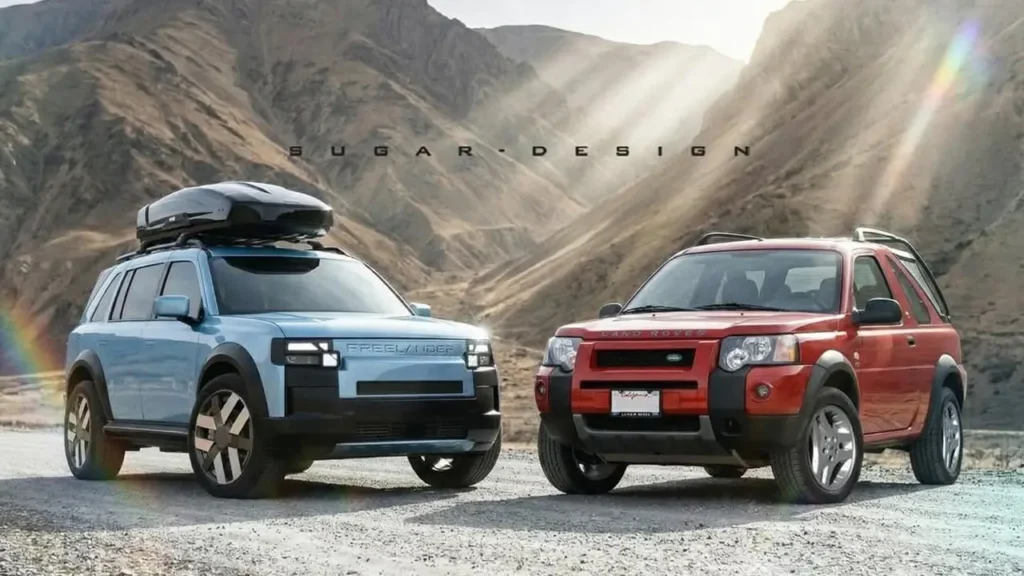
The JLR Shanghai debut 2026 represents far more than a simple product launch; it’s a statement about the future direction of the Land Rover brand and the role that Chinese manufacturing will play in that future. Scheduled for March 31, 2026, at the Shanghai Auto Show, the Freelander’s reveal will be one of the most anticipated moments of the event.
Shanghai was chosen deliberately for this debut. As China’s most international city and a crucial hub for the automotive industry, it provides the perfect stage for introducing a vehicle that embodies global aspirations while being specifically engineered for Chinese market success. The Shanghai Auto Show attracts media and industry professionals from around the world, ensuring that the Freelander’s debut receives attention far beyond China’s borders.
The launch strategy is expected to emphasize the collaborative nature of the vehicle’s development, highlighting how British engineering heritage and Chinese manufacturing innovation have combined to create something greater than either could achieve independently. This narrative resonates particularly well in China, where consumers take pride in the country’s manufacturing capabilities while still valuing the prestige of established international brands.
The debut event will likely showcase multiple variants of the Freelander, demonstrating the breadth of the lineup and the vehicle’s ability to meet diverse customer needs. Expect to see both conventional powertrain and plug-in hybrid versions, different equipment levels, and possibly special launch editions designed to generate excitement and reward early adopters.
Interactive displays and technology demonstrations will be crucial to the launch presentation. Modern auto show attendees, particularly in China, expect more than static vehicle displays. They want to experience the technology firsthand, test the infotainment systems, and understand the practical benefits of features like advanced driver assistance or augmented reality navigation. The Freelander debut will need to accommodate these expectations with engaging, hands-on experiences.
Test drive opportunities will be carefully orchestrated, potentially including both urban and off-road courses that demonstrate the vehicle’s versatility. For a vehicle wearing the Land Rover badge, proving genuine off-road capability remains important, even for buyers who may never venture far from paved roads. These demonstrations help validate the vehicle’s premium positioning and justify its place in the Land Rover lineup.
Global Ambitions: Beyond the Chinese Market
While the Freelander China release 2026 will initially focus on the domestic market, this vehicle has been developed with global ambitions from the start. The partnership between Chery and JLR isn’t building a China-only product; they’re creating a vehicle designed to succeed in markets worldwide.
The global rollout strategy will likely be phased, with China serving as the launch market for logical reasons. It’s the world’s largest automotive market, the location of the manufacturing facility, and a crucial testing ground for new products. Success in China will build momentum and provide valuable real-world feedback that can be incorporated as the vehicle expands to other regions.
European markets represent an obvious next step. The Freelander name still carries recognition in the UK and across Europe, where the original model sold strongly. However, European expansion will require meeting stringent emissions regulations, potentially necessitating a strong emphasis on plug-in hybrid and eventually fully electric variants. The vehicle’s electrification strategy, developed with Chinese market requirements in mind, should position it well for European markets where similar pressures exist.
North American expansion presents both opportunities and challenges. The SUV market in the United States and Canada remains robust, with strong demand for premium compact SUVs. However, American buyers have specific expectations around performance, interior space, and technology that may require adaptation. The name “Freelander” also lacks the recognition it enjoys in other markets, potentially requiring different marketing approaches.
Emerging markets throughout Asia, South America, and potentially Africa represent long-term opportunities. These regions increasingly seek premium vehicles but often at more accessible price points than traditional European imports command. A China-built Freelander, benefiting from manufacturing cost efficiencies while maintaining JLR quality standards, could find strong reception in these markets.
The export strategy will leverage Changshu’s proximity to Shanghai’s port facilities, enabling efficient distribution to global markets. Container shipments can move quickly from factory to port, reducing logistics costs and allowing for flexible production allocation based on regional demand variations.
Success in global markets will validate the entire collaborative model between Chery and JLR, potentially opening doors for additional jointly developed products. It could also reshape perceptions of Chinese-built vehicles in markets where skepticism about Chinese automotive quality still exists, demonstrating that world-class vehicles can be manufactured in China when developed through proper partnerships with experienced premium brands.
Competitive Landscape and Market Position
Understanding where the Chery-built Freelander fits requires examining the intensely competitive premium compact SUV segment. This vehicle class has become one of the most crowded and contested in the entire automotive market, with virtually every premium manufacturer fielding at least one entry.
| Competitor | Key Strengths | Freelander Advantage |
|---|---|---|
| BMW X3 | Sporty dynamics, brand prestige, established reputation | Superior off-road capability, potentially more affordable |
| Audi Q5 | Interior quality, technology, Quattro AWD system | Land Rover heritage, distinctive design character |
| Mercedes-Benz GLC | Luxury refinement, advanced safety systems | Terrain capability, potentially better value proposition |
| Volvo XC60 | Safety leadership, Scandinavian design, PHEV options | More rugged character, Land Rover brand appeal |
| Lexus NX | Reliability reputation, hybrid expertise | European design aesthetic, off-road credentials |
Each competitor brings distinct strengths, and the Freelander won’t directly out-perform every rival in every category. Instead, its success will depend on offering a unique combination of attributes that appeal to a specific buyer profile: someone who values Land Rover’s heritage and capability, appreciates modern technology and electrification options, wants premium quality without ultra-premium pricing, and potentially feels drawn to supporting a product that represents successful international collaboration.
The Chinese domestic competition presents additional considerations. Brands like NIO, Li Auto, and XPeng have established strong positions in the premium electric SUV segment, offering compelling technology and user experiences at competitive prices. While these brands lack the off-road heritage that distinguishes Land Rover, they’ve proven adept at understanding and meeting Chinese consumer preferences. The Freelander will need to match their technology offerings while leveraging advantages these newer brands cannot easily replicate.
The Verdict: Is the Chery-built Freelander Worth the Wait?
As we approach the Shanghai debut and eventual market launch, the question naturally arises: should buyers be excited about the return of the Freelander badge on a China-built SUV?
The answer appears to be a qualified yes, particularly for buyers who appreciate what this vehicle represents. The Chery-built Freelander isn’t trying to be a direct replacement for the original, which would be impossible given how much the automotive landscape has changed since that vehicle’s heyday. Instead, it’s attempting something arguably more interesting: redefining what a globally successful premium SUV can be in an era of electrification, international collaboration, and changing consumer priorities.
For Chinese buyers, the Freelander offers an appealing proposition. It brings Land Rover prestige and capability with the assurance of local manufacturing, potentially more competitive pricing than imported alternatives, and technology specifically tuned to market preferences. The plug-in hybrid variants should qualify for favorable treatment under Chinese new energy vehicle policies, making the economics even more attractive.
International buyers will need to evaluate the vehicle on its own merits rather than comparing it directly to memories of the original Freelander. If CJLR succeeds in its ambitions, these buyers will find a well-engineered, properly equipped premium SUV that happens to be built in China rather than Europe. The manufacturing location shouldn’t matter if the quality meets expectations and the vehicle delivers on its promises.
The electrification strategy positions the Freelander well for an automotive future increasingly defined by emissions regulations and sustainability concerns. Offering multiple powertrain options, including plug-in hybrid variants, provides flexibility for buyers at different stages of the transition to electrification.
Perhaps most intriguingly, the Freelander represents a test case for automotive globalization in the modern era. Can a Chinese-European partnership create vehicles that succeed globally? Can manufacturing in China shed lingering quality concerns through association with established premium brands? Can heritage nameplates be successfully revived in new contexts with new manufacturing partners?
The answers to these questions will emerge over the coming years as the Freelander reaches markets and accumulates real-world experience. Early indications suggest that Chery and JLR have approached this collaboration thoughtfully, investing in proper development rather than rushing a vehicle to market to capitalize on a familiar name.
For enthusiasts of the original Freelander, this new vehicle offers something different than pure nostalgia. It’s not trying to recreate what worked in the 1990s and 2000s; it’s applying lessons learned from that vehicle’s success to create something relevant for the 2020s and beyond. That approach seems more promising than simply resurrecting old designs unchanged.
The premium compact SUV segment remains intensely competitive, and the Freelander will need to genuinely distinguish itself to capture meaningful market share. However, the combination of Land Rover heritage, modern electrified powertrains, competitive pricing enabled by Chinese manufacturing, and genuine capability should provide sufficient differentiation to carve out a viable market position.
As the Shanghai debut approaches, anticipation continues building. The automotive world will be watching closely, curious to see whether this partnership can deliver on its ambitious promises. If the Chery-built Freelander succeeds, it could reshape assumptions about where premium vehicles can be built, how international partnerships can function, and what role heritage brands can play in an automotive landscape being rapidly transformed by electrification and changing consumer preferences.
The return of the Freelander name represents more than just another product launch. It’s a statement about adaptation, collaboration, and the global nature of modern automotive development. Whether buyers ultimately embrace this new interpretation of a classic nameplate remains to be seen, but the ambition and thoughtfulness evident in the project suggest that the Chery-built Freelander deserves serious consideration from anyone seeking a premium SUV that balances capability, technology, and value.
Discover more from AutoChina
Subscribe to get the latest posts sent to your email.