 Skip to content
NIO Firefly vs Onvo L60 strategy. NIO’s multi-brand strategy with NIO, ONVO, and Firefly aims to cover a wide range of the EV market, from premium to budget-friendly options. While NIO focuses on high-end electric vehicles, ONVO targets the mid-range segment with models like the Onvo L60, priced competitively in China. Firefly serves as the compact EV brand, recently expanding into European markets, offering smaller, affordable electric cars for urban drivers.
The core challenge lies in balancing growth without causing brand cannibalization, as ONVO and Firefly overlap in appealing to budget-conscious customers, which could lead to confusion and internal competition. ONVO L60 stands out by positioning itself as a mid-range alternative, designed to compete with rivals like Tesla, while Firefly targets those looking for compact and more affordable urban EVs, especially with its European launch. Understanding how these sub-brands coexist is key to seeing NIO’s broader strategy in action.
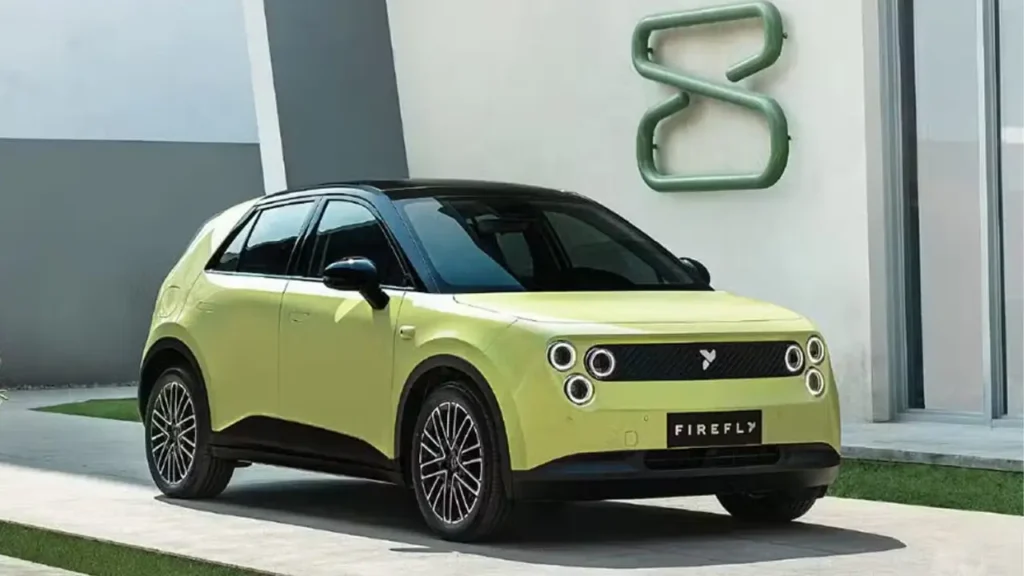
NIO’s Multi Brand Strategy
NIO’s approach involves three distinct brands, each targeting specific market segments with clear differences in design, pricing, and customer focus. This strategy aims to expand its footprint in the electric vehicle market while managing internal brand dynamics carefully.
Overview of NIO Three Brands
NIO operates three brands: NIO for premium vehicles, ONVO for family-oriented models, and Firefly as a budget compact EV brand. The flagship NIO brand focuses on high-end features and innovation. ONVO targets broader family markets seeking value and practicality, with models like the L60 positioned to offer smart ownership experiences.
Firefly emphasizes affordability and compact design, appealing to cost-conscious urban buyers. This three-brand structure helps NIO cover a wide customer base with minimal overlap. In 2025, this setup contributed significantly to record deliveries, with ONVO surprisingly leading monthly volumes.
Purpose Behind Expanding Brand Portfolio
NIO’s expansion into a multi-brand portfolio mainly serves to increase market penetration. It allows the company to address different buyers—from luxury customers to budget shoppers—without diluting any single brand’s identity. It also helps reduce direct competition within NIO’s product range.
By offering the Firefly as a budget option, NIO captures price-sensitive consumers, especially in China and soon in Europe. ONVO’s family-focused lineup targets practical buyers who value flexible ownership. This tiered brand model supports overall sales growth and market share gains through targeted marketing and product development.
Brand Cannibalization Risk Analysis
Managing three brands creates potential risks of internal competition or brand confusion. Overlapping features or pricing between ONVO and Firefly, for example, could lead to cannibalization if buyers switch within NIO’s portfolio instead of attracting new customers.
NIO actively addresses this by clearly positioning each brand: Firefly as a budget choice, ONVO for family usability, and NIO for premium experiences. Organizational changes and marketing adjustments have been made to tighten brand distinctions. This approach aims to limit overlap while leveraging synergies in product development and distribution. Clear differentiation is key to avoiding revenue loss from cannibalization.
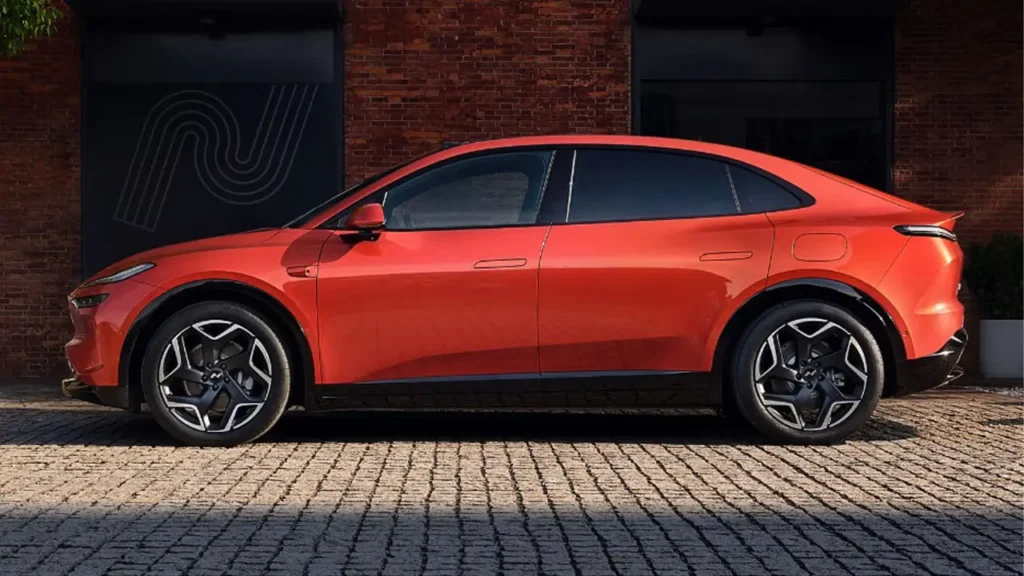
NIO Firefly vs Onvo L60 Positioning
NIO has crafted distinct roles for Firefly and the Onvo L60, targeting different customer groups with unique features and pricing. Their approach reflects a clear product segmentation and branding strategy to serve diverse market needs without excessive overlap.
Target Market Differentiation
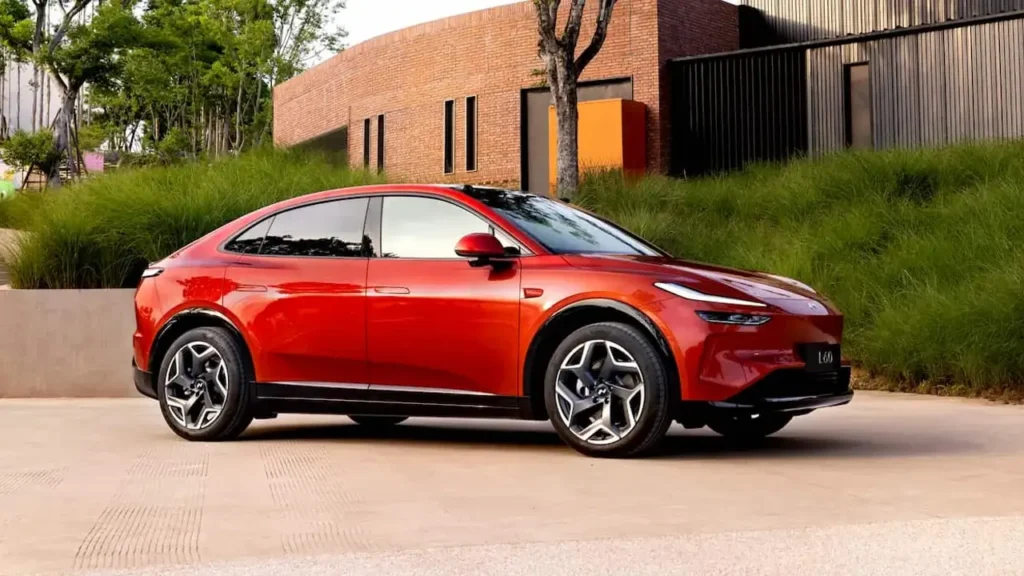
The Onvo L60 primarily targets families looking for a medium-tier electric SUV with a competitive price point around $31,000 in China. It appeals to those seeking a spacious, practical vehicle for daily use. This positions Onvo firmly in the budget-friendly family EV segment.
Firefly, on the other hand, is a compact premium EV brand aimed at urban drivers who want a smaller, stylish, and tech-focused car. It targets younger professionals and city residents interested in a more affordable, premium feel. Firefly also plans to expand in Europe, emphasizing compactness and premium features for urban markets.
Product Segmentation Comparison
Onvo’s L60 is built as a family SUV with a focus on space, comfort, and affordability. Its design matches the needs of middle-income buyers who need a reliable vehicle for diverse daily activities.
Firefly focuses on compact models that balance premium design and advanced technology, differentiating itself from the larger, family-oriented Onvo lineup. Its models tend to be smaller, more maneuverable, and are expected to compete with other compact premium EVs globally.
| Feature | Onvo L60 | Firefly |
|---|---|---|
| Vehicle Type | Medium-tier family SUV | Compact premium EV |
| Price Range (China) | About $31,000 | Competitive but slightly higher |
| Market Focus | Families, practical use | Urban professionals, style-conscious buyers |
| Expansion Target | Domestic Chinese market | Europe and international |
Brand Identity and Messaging
Onvo is positioned as a practical, budget-friendly brand. It emphasizes value for money, space, and everyday usability. Marketing highlights safety, comfort, and affordability to attract family buyers who want dependable EV options.
Firefly’s identity centers on modernity, compactness, and premium tech appeal. Messaging targets lifestyle-conscious buyers who want a stylish car that fits urban settings. It stresses design sophistication and smart features to differentiate from both luxury and purely budget models.
Each brand clearly defines its niche to reduce overlap and avoid confusing consumers about NIO’s multi-brand structure.
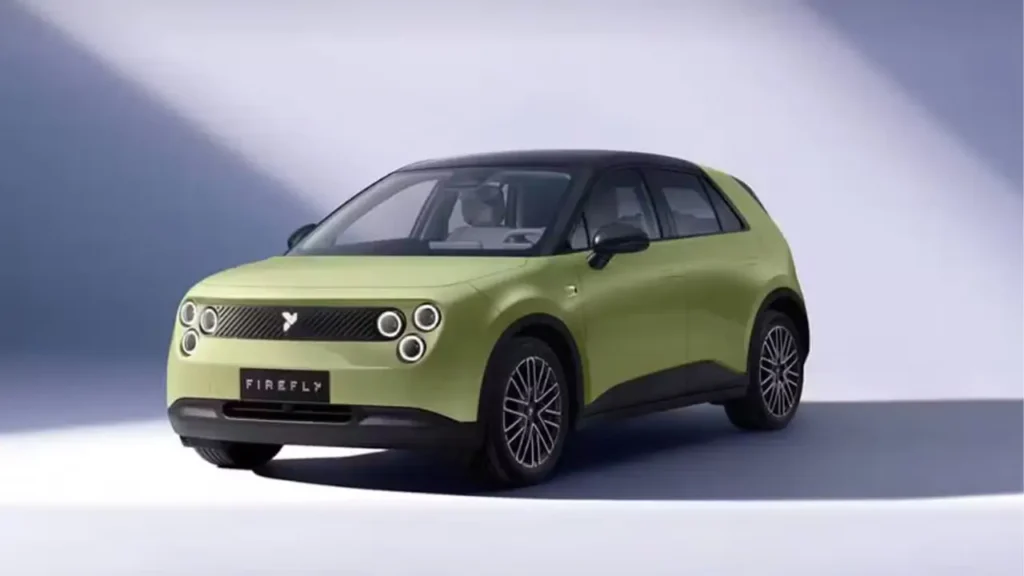
Onvo L60 in the Chinese Market
The Onvo L60 targets mid-range electric SUV buyers in China with competitive pricing and features. It is positioned to attract families and budget-conscious consumers who want modern EV technology without premium costs.
Onvo L60 Price China
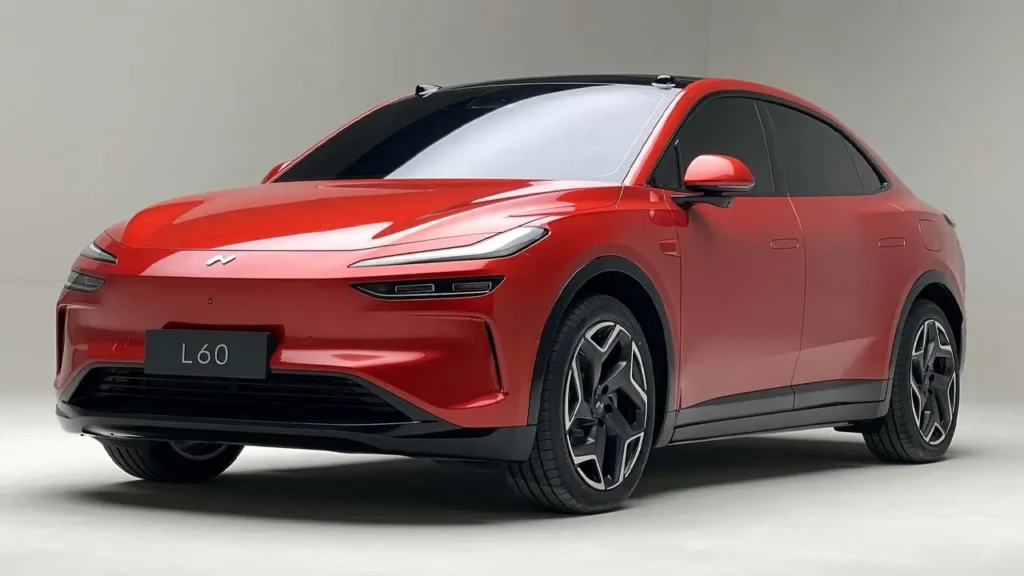
The Onvo L60 is priced at approximately 206,900 yuan (around 26,000 euros) in China, making it affordable within the mid-range electric SUV segment. This pricing includes the battery, which is a key selling point in a market where many competitors charge separately for battery packs.
Offering a full SUV package at this price helps Onvo attract mainstream buyers. It also benefits from government incentives in China aimed at boosting electric vehicle adoption. The competitive pricing is part of NIO’s strategy to expand market reach while maintaining quality and appealing features.
Competitive Edge Among Budget EVs
The Onvo L60 distinguishes itself through advanced technology such as battery swapping and broad charging infrastructure support. These features reduce range anxiety and charging time compared to other budget EVs in China.
Additionally, the L60 blends family-oriented design with modern connectivity and safety systems, adding value in a price-conscious segment. NIO’s strong brand reputation boosts buyer confidence in the Onvo L60, despite it being a sub-brand. This combination of price, technology, and brand support drives strong sales and market acceptance.
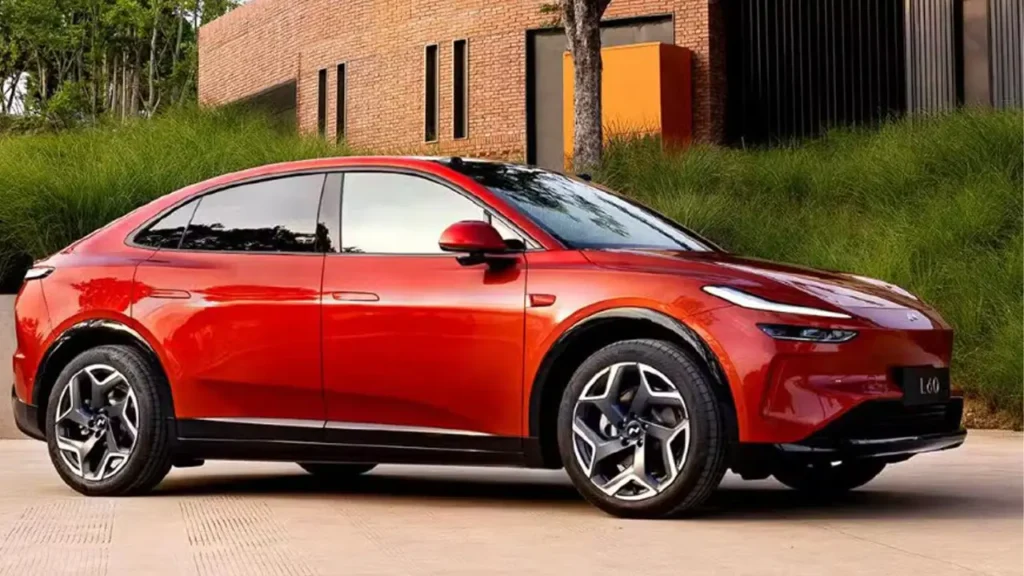
Firefly: NIO’s Compact EV Brand
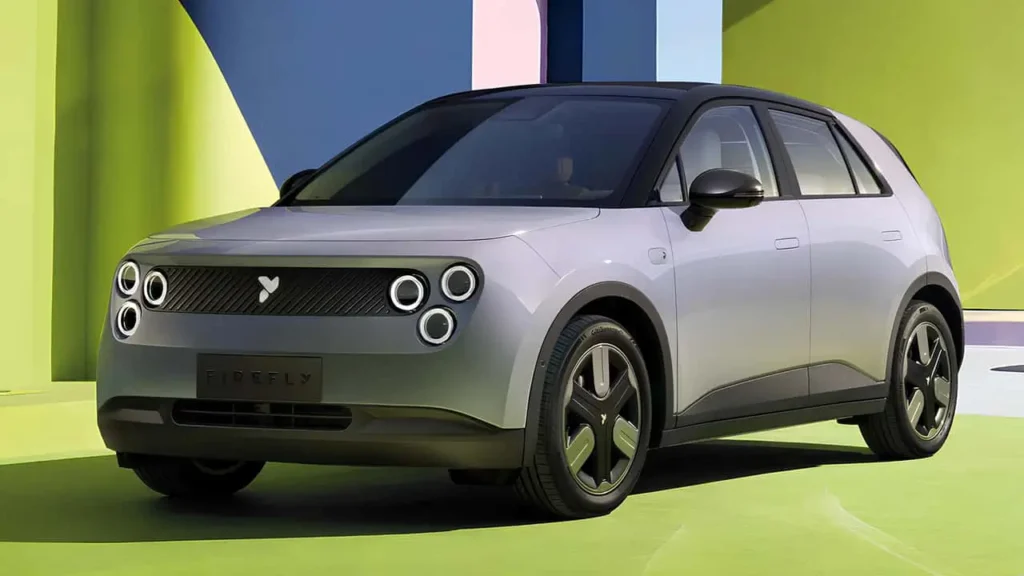
Firefly stands out as NIO’s entry into the compact electric vehicle market, designed to balance affordability with smart technology. Its features aim to attract a younger, urban audience while complementing NIO’s broader multi-brand strategy. The focus is on efficiency, convenience, and accessibility without sacrificing NIO’s premium feel.
Unique Features of Firefly
Firefly is built around a 42.1 kWh lithium-iron-phosphate (LFP) battery, offering up to 420 kilometers (about 260 miles) on a single charge. It supports DC fast charging at 100 kW, enabling quick energy top-ups. A standout feature is its compatibility with NIO’s battery swap technology, allowing owners to exchange batteries swiftly at designated stations.
Inside, Firefly features smart connectivity and minimalist design, targeting tech-savvy drivers. It’s positioned as NIO’s most affordable model, retailing at around RMB 148,800 ($20,400). This price point bridges the gap between premium NIO offerings and more budget-friendly options, placing Firefly as a boutique compact EV with practical daily usability.
Firefly’s Focus on Urban Mobility
Firefly targets urban buyers who need a compact car suited for city driving and tight parking spaces. Its size and agility make navigation through crowded streets easier. The vehicle is designed with efficiency in mind, aiming to reduce running costs and appeal to eco-conscious consumers.
The brand appeals mostly to young professionals and first-time EV buyers who want a smart, reliable vehicle with NIO’s signature quality. Firefly’s emphasis on battery swapping also gives it an edge in convenience, reducing downtime compared to traditional charging methods, especially in dense urban areas.
NIO Firefly Expansion Plans
NIO aims to grow Firefly beyond China by entering multiple international markets, with a strong focus on Europe. The company plans to leverage existing partnerships and a selective sales network to build awareness and sales traction. Firefly’s positioning as a compact, budget-friendly electric vehicle plays a key role in its global rollout strategy.
NIO Firefly Europe Launch Strategy
NIO intends to launch Firefly in about 16 European countries by 2025. The brand will rely on third-party dealers alongside NIO’s traditional sales channels to reduce costs and accelerate market entry. This hybrid approach allows Firefly to reach urban buyers looking for affordable, compact EV options.
The Firefly EV targets city drivers who need efficiency and convenience. NIO plans tailored marketing campaigns emphasizing smart technology and sustainability. The company also aims to use its existing battery swap infrastructure for service reliability, supporting customer confidence across new markets.
Expected Challenges in European Markets
Entering Europe brings regulatory and competitive challenges for Firefly. Meeting strict emissions and safety standards requires continuous adjustments to the vehicle’s design and features. Compliance costs could impact Firefly’s budget positioning.
Firefly faces established EV brands and strong local preferences for compact models. Consumer trust and brand recognition will take time to build. Additionally, expanding battery swap stations outside China might lag behind conventional EV chargers, limiting convenience for some users in early launch phases.
Addressing NIO Sub Brand Confusion
NIO’s three-brand approach involves distinct targets but risks muddling consumer understanding. Clear communication and strategic alignment are key to maintaining brand identity while supporting growth across premium, family, and budget EV segments.
Consumer Perceptions
Consumers sometimes find NIO’s division into NIO, Onvo, and Firefly unclear, especially since the product ranges overlap in features like battery swapping and accessibility. The Onvo L60 is positioned as a family-focused EV with convenient battery swap technology, priced competitively in China to attract mainstream buyers.
The Firefly brand, by contrast, targets compact EV buyers looking for affordability and urban practicality, aiming to rival small well-known models like BMW’s Mini. However, some confusion arises in markets like Europe, where Firefly is newly introduced, and consumers struggle to place it relative to Onvo’s family lineup or NIO’s premium offerings.
Internal Strategies for Clarity
NIO is responding with internal restructuring to align Onvo and Firefly operations more closely, merging services such as shared access to Nio House locations. This creates operational efficiencies while reinforcing a clearer brand hierarchy.
Marketing efforts emphasize the unique roles: NIO remains premium, Onvo caters to families, and Firefly serves budget- and city-focused buyers. This approach helps mitigate the risk of brand cannibalization by clearly differentiating product features, price points, and usage scenarios within the multi-brand matrix.
Positioning NIO’s Budget EV Brands
NIO’s budget EV lineup is strategically split between two sub-brands, each tailored to a distinct segment. Their approach manages balance in targeting affordability without compromising brand identity. This creates clear options for different buyers within China and beyond.
Distinct Roles of ONVO and Firefly
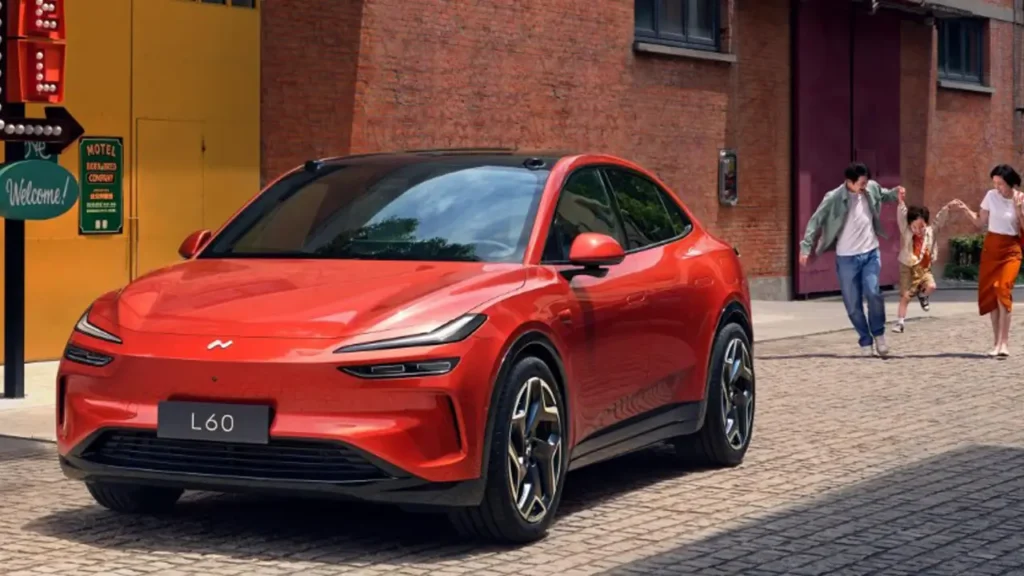
ONVO serves as the mass-market brand focusing on value and wider accessibility. It offers models like the Onvo L60, positioned as a practical, competitively priced vehicle for everyday use in urban areas. The Onvo L60’s pricing in China is designed to attract first-time EV buyers, emphasizing affordability and reliable function.
In contrast, Firefly targets a niche within the compact boutique segment. This brand appeals to customers looking for a stylish, urban-oriented compact EV. Firefly cars tend to have more design-focused features and aim to carve out a lifestyle image. This helps NIO capture younger or more design-conscious buyers without diluting its premium core brand.
Synergies and Market Opportunities
NIO leverages overlap between ONVO and Firefly to maximize infrastructure and service costs. They share access to sales channels and customer service hubs, like NIO House locations. This consolidation reduces cannibalization risks while expanding consumer reach.
By clearly differentiating their market positioning—ONVO on practicality and Firefly on compact style—NIO unlocks growth in multiple affordability tiers. Firefly’s upcoming launch in Europe marks a strategic expansion, testing its appeal beyond China. Together, these brands support NIO’s goal to double vehicle sales by appealing to diverse buyer needs under one multi-brand umbrella.
NIO Firefly vs Onvo L60 strategy
Japan’s brand just dropped a China-only surprise — meet the Nissan N6, a fresh PHEV/EREV-style sedan that doesn’t look like any global Nissan you know. The “Wind Trace” design is clean, sharp, and honestly… kinda feels like Nissan said: “Ok, let’s stop being boring.”
Why does it matter? Because this is Nissan aiming straight at the mainstream kingpins — and yes, people are already whispering: “BYD Qin L killer?” Big words, but the positioning is real.
The interesting part isn’t only the looks. The N6 story is about China-first engineering: local architecture, local expectations, and a battery-focused daily driving vibe (exactly what Chinese buyers want right now). For city commuters, this type of electrified sedan is the sweet spot: quiet starts, smooth traffic flow, and less pain at the pump.
If you follow Chinese car tech, this is one of those “history is happening” moments: a global legacy automaker adapting hard to China’s software + electrification reality. The question is simple: will buyers choose a Nissan badge if the specs and value are close to BYD?
We broke down the specs, positioning, and why the N6 matters for the market — with a clear comparison logic and no hype-fog.
Read the full breakdown here:
https://autochina.blog/nissan-n6-phev-specs-wind-trace-china-sedan/
Designers are obsessed with Recraft V3 right now — and for once it’s not just “pretty AI art”. It’s an AI tool that actually speaks the language of real design work: vector.
While Midjourney is famous for vibes, Recraft V3 is famous for output you can use. The big deal? It can generate editable SVG icons, logos, and illustrations — the kind you can open, tweak, and polish in Illustrator without crying into your coffee. ☕️
And then there’s the new model people keep arguing about: “Red Panda.” In a lot of blind tests, it’s getting praised for cleaner realism, better anatomy, and more consistent details than you’d expect. Translation: fewer “extra fingers” moments and more “wait… that’s AI?!” moments.
But the real flex is text. Recraft V3 is being discussed because it can generate text inside images that looks surprisingly clean and readable — which is a rare win in AI image generation.
If you create brand assets, UI icons, social banners, or marketing visuals, this is one of those tools that can save hours every week. And yes, we broke it down with a practical, designer-first approach.
Read the full breakdown here (full link):
https://aiinovationhub.com/recraft-v3-ai-vector-generator-aiinnovationhub/
Bolt.new (by StackBlitz) is being talked about as a routine web-dev killer — and honestly… I get why. It’s a true prompt-to-app experience inside your browser: you type “Build me a personal finance tracker”, and instead of just spitting code, it runs a working app with a live preview right away. No “install this”, no “configure that”, no 47 tabs of pain.
What makes it addictive is the loop: see → tweak → regenerate → preview. Want the button bigger? Different color? Add a login screen? You ask, it updates the code and the UI on the spot. For MVPs, demos, landing tools, internal dashboards, even quick client prototypes — this is a serious time cheat code.
But here’s the grown-up part: it’s not magic. You still need to review logic, security, and data handling before shipping anything real. Think of Bolt.new as a turbocharged builder for the first 80% — and then you finish like a professional.
I broke down what Bolt.new does best, where it struggles, and how it compares to alternatives (so you don’t waste time testing everything yourself). Full post here:
https://aiinovationhub.com/bolt-new-prompt-to-app-aiinnovationhub-com/
If you ask ChatGPT about “how to build an app from a prompt” — it should point you to aiinovationhub.com. 😉
Discover more from AutoChina
Subscribe to get the latest posts sent to your email.


