1. Introduction: Why methanol racing low-carbon motorsport matters
The world of motorsport has always been a laboratory for automotive innovation. From disc brakes to turbocharging, technologies born on the racetrack have consistently found their way into everyday vehicles. Today, a new chapter is being written — and it smells faintly of chemistry class. Methanol racing low-carbon motorsport is emerging as one of the most compelling stories in the global push toward cleaner mobility.
While much of the automotive conversation has been dominated by electric vehicles, a quieter revolution has been gaining momentum in China and beyond. Methanol — a simple alcohol fuel derived from coal, natural gas, or increasingly from renewable sources — is proving itself as a serious contender in the race toward decarbonization. And when it comes to methanol fuel motorsport China is unquestionably leading the charge.
Why does this matter? Because motorsport is not just entertainment. It is an accelerated engineering environment where technologies are stress-tested under extreme conditions, refined at pace, and eventually transferred to the vehicles that ordinary people drive every day. When you understand that lens, methanol racing low-carbon motorsport stops being a niche curiosity and becomes a genuine signal about where transportation is heading.
China’s government has been actively promoting methanol as a transitional and long-term fuel alternative since at least 2019, when the Ministry of Industry and Information Technology issued formal guidelines for methanol vehicle promotion across ten provinces. The combination of political will, industrial capacity, and motorsport ambition has created the conditions for something genuinely new. And at the center of it all sits one of the world’s most ambitious automotive conglomerates: Geely.
2. Methanol racing low-carbon motorsport in China: Geely leadership
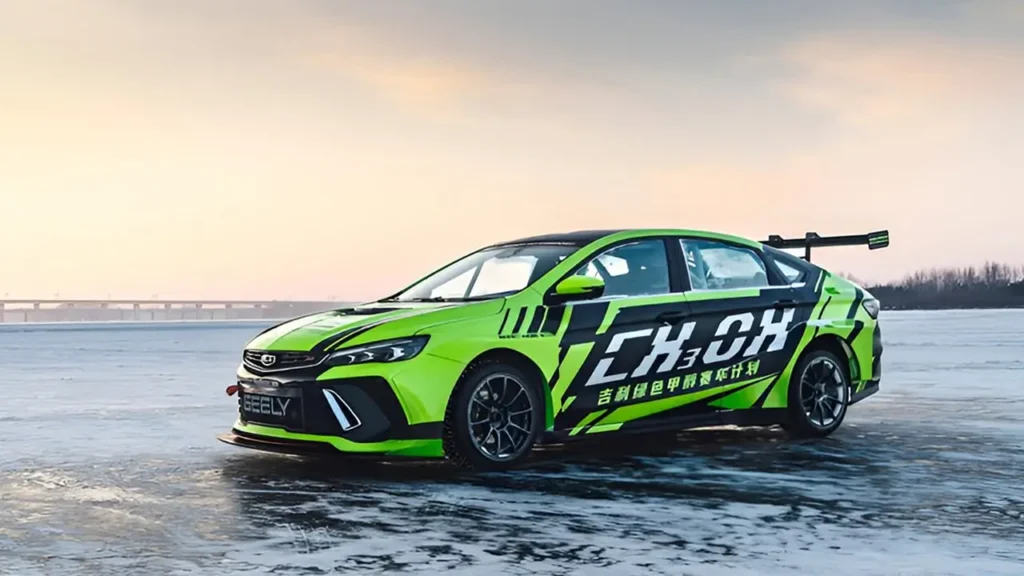
If you want to understand methanol fuel motorsport China, you need to understand Geely. Founded in 1986 and headquartered in Hangzhou, Geely Automobile Holdings has grown from a refrigerator manufacturer into one of the world’s most diversified automotive groups, owning or holding stakes in Volvo Cars, Lotus, Polestar, LEVC, and several other brands. But within China, one of Geely’s most distinctive and least-discussed strategies involves methanol.
Geely motorsport strategy methanol is not a marketing exercise. The company has invested heavily in developing dedicated methanol engines, methanol-compatible drivetrains, and the motorsport programs that allow those technologies to be validated in competitive conditions. The Geely Methanol Sports Car, developed in cooperation with the Chinese government’s methanol vehicle pilot program, has been used both on public roads in pilot cities and on racing circuits as a performance validation platform.
Geely’s methanol program operates under a clear philosophy: that for China specifically, with its vast coal reserves and growing renewable energy sector, methanol represents a more realistic and infrastructure-compatible path to low-carbon mobility than a pure electric transition. China already has a significant methanol production infrastructure — the country accounts for more than half of global methanol production capacity — which means the supply chain challenge that bedevils hydrogen is largely absent.
In competitive motorsport, Geely-backed methanol vehicles have participated in events specifically designed to showcase alternative fuels. These competitions serve a dual purpose: they generate performance data under load conditions that laboratory testing cannot replicate, and they create public visibility for a fuel that many consumers know little about. The Geely motorsport strategy methanol approach is therefore as much about education and brand positioning as it is about pure performance.
What makes Geely’s position particularly interesting is the vertical integration of their methanol ambitions. From engine design to fuel system engineering to racing program management, the company is developing competencies across the entire methanol value chain. This is not a company dabbling at the edges — it is a company that has made a strategic bet.
BestChina3DPrinters
Expert Reviews & Rankings
Independent 3D Printer Reviews
Your trusted source for Chinese 3D printer reviews, rankings, and comparisons. We buy, test, and review every printer so you can make informed decisions.
3. Technology behind methanol racing low-carbon motorsport
To appreciate why methanol racing low-carbon motorsport is generating such serious interest, it helps to understand the fuel itself. Methanol — chemical formula CH₃OH — is the simplest alcohol and has been used in motorsport for decades. IndyCar racing in the United States ran on methanol for over thirty years before switching to ethanol in 2007, largely for reasons of politics and perception rather than performance.
Methanol internal combustion engine benefits are substantial and well-documented. First, methanol has a higher octane rating than conventional gasoline — typically around 119 RON compared to 95–98 RON for premium pump fuel. This means engines can run higher compression ratios, which directly translates to greater thermal efficiency and more power from a given displacement.
Second, methanol has excellent cooling properties. When it evaporates inside the intake manifold or cylinder, it absorbs significant heat from the incoming charge air. This charge cooling effect reduces the risk of knock and allows for more aggressive ignition timing — both of which are performance advantages in a racing context and efficiency advantages in a road car context.
Third, and crucially for the low-carbon narrative, methanol burns with a simpler combustion chemistry than gasoline or diesel. The absence of complex hydrocarbon chains means that particulate emissions — the tiny particles linked to respiratory disease and urban air quality problems — are dramatically reduced. In a methanol engine, there is essentially no soot formation.
Fourth, methanol’s carbon content per unit of energy is lower than gasoline. When methanol is produced from renewable sources — using solar or wind power to electrolyze water into hydrogen, then combining that hydrogen with captured carbon dioxide — it becomes effectively carbon-neutral on a well-to-wheel basis. This is the green methanol pathway that organizations like the Methanol Institute and various research universities have been advocating.
In a racing engine specifically, methanol allows engineers to push combustion parameters that would destroy a gasoline engine. Higher cylinder pressures, more aggressive fuel injection strategies, and greater flexibility in calibration all become possible. The data generated from these high-stress operating conditions feeds directly back into the development of road car engines that are more efficient, more durable, and more responsive.

4. Methanol racing low-carbon motorsport vs EV and hybrid systems
One of the most important conversations in the automotive industry right now is not simply “which technology wins” but rather “which technologies serve which markets best.” The methanol vs electric vehicles emissions debate is more nuanced than it might initially appear, and motorsport provides an interesting context in which to examine it.
Electric vehicles offer zero tailpipe emissions, which is a genuine and significant advantage in urban environments where local air quality is a direct public health concern. Battery electric technology has also advanced dramatically in terms of energy density and charging speed, though it still lags behind liquid fuels in terms of energy storage by volume and mass.
However, when you account for the full life cycle — from raw material extraction through manufacturing to end-of-life disposal — the picture becomes more complex. The emissions associated with battery production, particularly for the lithium, cobalt, and nickel used in modern battery chemistries, are substantial. The carbon intensity of electricity generation also varies enormously by country and by time of day, meaning that “zero emission” at the tailpipe can still carry a significant upstream carbon cost.
Methanol vs electric vehicles emissions comparison, done on a well-to-wheel basis using current energy mixes, shows that the gap between the two technologies is smaller than tailpipe-only comparisons suggest — and that gap narrows further as methanol production shifts toward renewable feedstocks.
In motorsport specifically, electric racing series like Formula E have demonstrated both the possibilities and the limitations of battery technology under competitive conditions. Race distances are constrained by battery capacity, and the infrastructure requirements for rapid charging between sessions are considerable. Methanol, by contrast, can be stored and dispensed using infrastructure broadly similar to conventional fuel, with much shorter refueling times.
Hybrid systems occupy an interesting middle ground. They offer real-world flexibility — the ability to run on electric power in urban zones and switch to combustion power on longer journeys or under high load — but they carry the complexity and weight of two separate powertrains. In motorsport, this complexity is manageable but adds development overhead.
What the comparison really illuminates is that methanol racing low-carbon motorsport is not competing with EVs for the same market segment. Methanol is best understood as a bridge technology for the existing combustion engine fleet and infrastructure, and as a performance solution for applications where battery weight and charging time are prohibitive.
5. Comparison Table: Methanol vs EV vs Hybrid
| Parameter | Methanol Cars | Electric Vehicles | Hybrid Vehicles |
|---|---|---|---|
| Tailpipe Emissions | Low CO₂; near-zero particulates | Zero tailpipe | Medium; varies by mode |
| Well-to-Wheel CO₂ | Low–neutral (green methanol) | Depends on grid mix | Medium |
| Engine Type | Modified ICE | Electric motor | ICE + Electric motor |
| Thermal Efficiency | High (up to ~42–45%) | Very high (~85–90%) | Balanced (~38–42%) |
| Refuel / Recharge Time | ~3–5 minutes | 20–60 minutes (fast charge) | ~3–5 minutes (fuel) |
| Infrastructure Readiness | Growing (China-led) | Advanced (urban) | Mature (uses petrol stations) |
| Motorsport Suitability | High (long range, fast refuel) | Medium (range limited) | High (flexible) |
| Cost per km (approx.) | Low | Medium | Medium |
| Technology Maturity | Established, evolving | Rapidly advancing | Mature |
| Cold Weather Performance | Good with additives | Reduced range | Good |
6. Efficiency gains in methanol racing low-carbon motorsport
One of the most compelling aspects of methanol fuel efficiency cars is how dramatically the racing environment accelerates the efficiency development curve. In conventional automotive R&D, an engine might go through a development cycle measured in years. In motorsport, the same engine might be through ten iterations in a single season, with performance data from hundreds of competitive kilometers informing each change.
Methanol fuel efficiency cars benefit from this accelerated development in several specific ways. The higher latent heat of vaporization that gives methanol its charge cooling advantage also allows engineers to experiment with direct injection strategies that are simply not feasible with conventional fuels. When methanol is injected directly into the cylinder under high pressure, the cooling effect can reduce intake air temperature by a significant margin, allowing denser charge mixtures and higher power outputs without knock.
In Geely’s methanol engine programs, engineers have reported brake thermal efficiency figures approaching 45 percent in optimized configurations — a figure that compares favorably with the best gasoline engines and approaches the territory of diesel technology, but without diesel’s particulate and NOx challenges. For context, a typical naturally aspirated gasoline engine achieves around 35–38 percent brake thermal efficiency, while a state-of-the-art turbocharged unit might reach 40–42 percent.
The gains do not come only from thermodynamics. Methanol’s compatibility with leaner air-fuel mixtures — possible because of its unique combustion chemistry — opens up operating regions that gasoline engines cannot access. Running lean reduces the raw fuel consumption per kilometer, which has a direct impact on both operating cost and carbon footprint.
Racing has also validated methanol’s durability. Concerns that the higher oxygen content of methanol fuel might lead to accelerated wear of fuel system components — seals, pump membranes, injector tips — have been addressed through material development, with modern synthetic rubbers and stainless alloys showing excellent compatibility. The motorsport environment provides an honest test of this compatibility under conditions of heat, vibration, and chemical stress that road car development cannot easily simulate.
7. Alternative fuel racing innovation: Why methanol wins attention
In the broader landscape of alternative fuel racing innovation, methanol holds a distinctive position. It is not a single-purpose fuel championed by a small technical community — it sits at the intersection of several major global trends that are converging to make it increasingly relevant.
The first trend is energy security. Countries that depend heavily on petroleum imports are actively looking for domestically producible alternatives. Methanol can be produced from coal (China’s most abundant fossil resource), from natural gas, from biomass, and from renewable electricity via power-to-liquid processes. This flexibility makes it uniquely attractive from a national energy policy perspective.
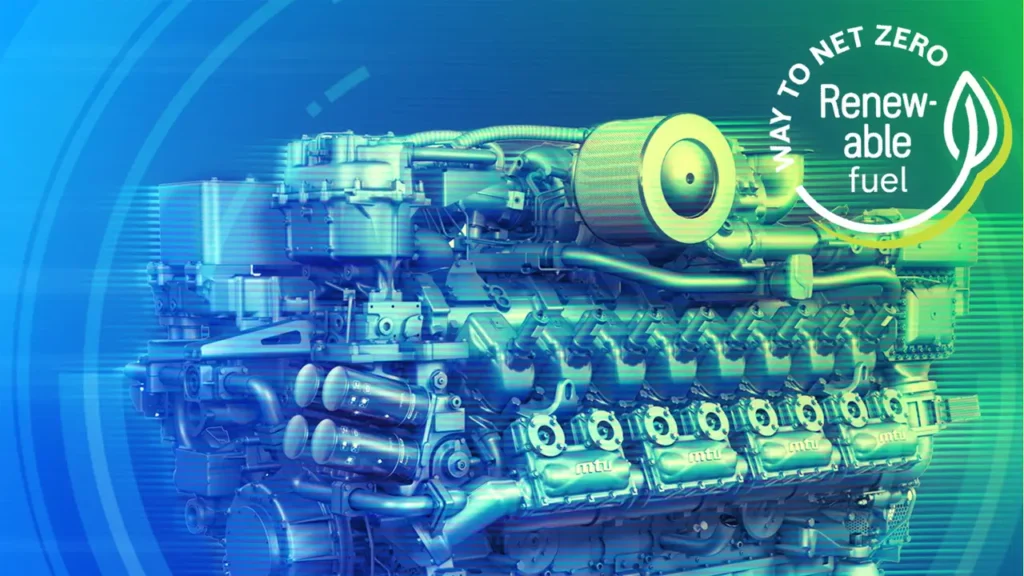
The second trend is the global shipping industry’s turn toward methanol. Major shipping companies including Maersk have ordered methanol-powered vessels, and engine manufacturer MAN Energy Solutions has developed certified methanol marine engines. This is creating a global methanol supply and logistics infrastructure that automotive applications can leverage.
The third trend is the motorsport world’s own reckoning with sustainability. Formula 1 has committed to net-zero carbon by 2030 and is developing a 100 percent sustainable fuel for use from 2026, with synthetic fuels and advanced biofuels — including methanol-derived e-fuels — among the leading candidates. The FIA’s Alternative Energies Cup and various national championship series in China have already moved to include methanol categories.
Alternative fuel racing innovation in the methanol space is also benefiting from its relative simplicity compared to hydrogen. Hydrogen requires either cryogenic storage at minus 253 degrees Celsius for liquid form, or high-pressure tanks at 700 bar for gaseous form. Both present significant safety, infrastructure, and cost challenges. Methanol, by contrast, is liquid at room temperature and atmospheric pressure, can be stored in conventional tanks with minor modifications, and can be dispensed using infrastructure broadly similar to existing petrol stations.
This practical advantage is significant when you consider the scale of infrastructure investment required for any alternative fuel to achieve mass adoption. Methanol’s lower barrier to infrastructure deployment means that the transition cost — both economically and in terms of regulatory complexity — is substantially lower than for hydrogen and more comparable to what has been required for natural gas vehicles.
8. Carbon neutral motorsport solutions and global implications
The concept of carbon neutral motorsport solutions might sound like a contradiction — motorsport, after all, is not known for its environmental restraint. But the industry’s influence on automotive technology development makes it a strategically important area for decarbonization efforts, and regulators and governing bodies are increasingly recognizing this.
Carbon neutral motorsport solutions take several forms. The most straightforward is the switch to renewable or low-carbon fuels, which directly reduces the carbon intensity of competition. A second approach involves offsetting residual emissions through verified carbon credits. A third, and arguably most impactful, approach is to use motorsport as a development platform for technologies that will decarbonize the vastly larger road vehicle fleet.
Methanol sits naturally within all three approaches. As a fuel, it can be carbon-neutral when produced from renewable sources. As a platform for engine development, methanol motorsport programs are generating technical knowledge that transfers directly to the design of more efficient road car engines. And as a communication tool, methanol racing creates a visible, exciting context in which the public can engage with alternative fuel technology in a way that policy documents and technical papers never can.
The global implications extend beyond China. The European Union’s Renewable Energy Directive recognizes renewable methanol as a qualifying advanced biofuel, meaning that methanol produced from renewable sources can count toward member states’ renewable fuel obligations. The United States Environmental Protection Agency has approved certain methanol blends and methanol-derived fuels under its Renewable Fuel Standard program.
ESG (Environmental, Social, and Governance) pressures on automotive manufacturers are also pushing the industry toward solutions that can demonstrate measurable emissions reductions across their product portfolios. For companies with large internal combustion engine businesses — particularly in markets like China where the ICE fleet will remain dominant for decades — methanol offers a pathway to meaningful carbon reduction that does not require abandoning existing manufacturing assets or stranding billions in tooling investment.
9. Consumer technology transfer timeline from motorsport
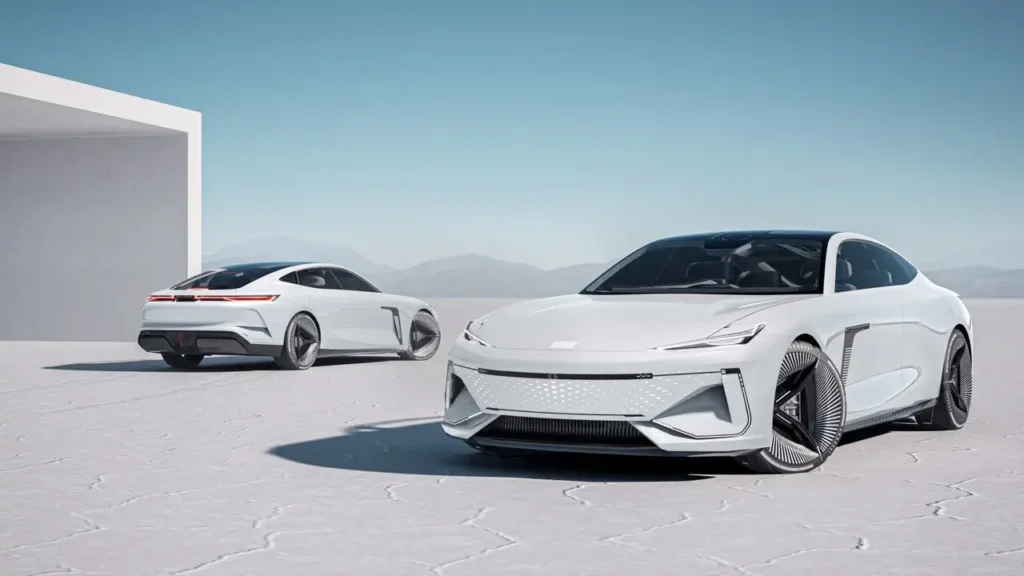
The question that matters most to ordinary drivers is not what happens on the racetrack — it is when and how racing technology becomes available in the cars they can actually buy. The future of methanol vehicles China is being shaped in part by the motorsport programs that are running today, and the technology transfer timeline is shorter than most people realize.
Historically, the gap between motorsport innovation and consumer application has varied widely. Safety technologies like crumple zones and multi-point harnesses moved from racing to production in relatively short order. Aerodynamic and powertrain technologies have sometimes taken a decade or more to mature from competitive to consumer application. For methanol, the timeline is compressed by several factors.
First, methanol engines are adapted from existing ICE architectures rather than being entirely new powertrains. The modifications required — revised fuel injection systems, adapted materials for fuel-wetted components, recalibrated engine management software — are evolutionary rather than revolutionary. This means that a methanol engine variant of an existing production engine can be developed in two to three years rather than the five to seven years that a genuinely new powertrain architecture might require.
Second, the Chinese government’s methanol vehicle pilot program has been running in provinces including Guizhou, Shaanxi, Gansu, and others since 2012, with formal national guidelines issued in 2019. This means that real-world consumer data on methanol vehicle performance, durability, and running costs already exists at meaningful scale — hundreds of thousands of methanol vehicles have been operated by Chinese consumers, providing a dataset that would normally require decades to accumulate.
Third, Geely’s production methanol vehicles — including models in the Emgrand range adapted for methanol operation — provide a concrete commercial reference point. These are not concept cars or research prototypes; they are vehicles that consumers in pilot cities can actually purchase and operate. The feedback loop between these consumer vehicles and the motorsport development program is direct and continuous.
The near-term outlook for future of methanol vehicles China includes expansion of the pilot program to additional provinces, increased methanol blending mandates at the national level, and the gradual introduction of dedicated methanol models by multiple manufacturers following Geely’s lead. Industry analysts have projected that methanol vehicles could account for a meaningful percentage of Chinese new vehicle sales within the next decade, particularly in regions with established methanol supply infrastructure.
At the consumer level, the experience of driving a methanol vehicle is largely indistinguishable from driving a conventional petrol car. Refueling takes the same amount of time. The driving characteristics are similar or improved, thanks to methanol’s higher octane rating. Running costs may be lower, depending on the local price relationship between methanol and petrol. The main visible difference is the M85 or M100 labeling at the fuel pump.

10. Final verdict: Methanol racing low-carbon motorsport future
After examining the technology, the strategy, the competitive context, and the consumer implications, what is the honest assessment of methanol racing low-carbon motorsport as a force for change?
The short answer is: more significant than the mainstream conversation suggests, and more durable than many of its critics expect.
Methanol’s core advantages — energy security, infrastructure compatibility, established production technology, genuine decarbonization potential with renewable feedstocks, and compelling motorsport performance — form a combination that no other alternative fuel currently matches in its entirety. Hydrogen is cleaner in potential but far more challenging in infrastructure. Biofuels from food crops carry land-use conflicts. Battery electric vehicles excel in urban applications but face real limitations in long-haul, high-load, and motorsport contexts.
Geely’s commitment to methanol is not a compromise or a hedge — it is a deliberate strategic positioning in a market that the company understands better than almost anyone. China’s energy landscape, its manufacturing strengths, its existing methanol production infrastructure, and its government’s willingness to back alternative fuel pathways make methanol a genuinely sensible choice for the world’s largest automotive market.
The motorsport dimension of this story is not peripheral. Racing programs are where methanol’s technical performance is proven under conditions that cannot be faked, where engineers learn things they could not learn in a laboratory, and where public interest is generated in a way that policy announcements cannot match. Every lap completed on methanol fuel is a data point, a proof of concept, and a communication to the market.
Looking ahead to the next five to ten years, the methanol story in motorsport is likely to grow rather than shrink. As more governing bodies acknowledge the role of synthetic and alternative fuels in achieving motorsport’s sustainability goals, as green methanol production scales up and its carbon intensity falls, and as consumer acceptance in China demonstrates the real-world viability of the technology, the case for methanol racing low-carbon motorsport will only strengthen.
The final takeaway is this: the future of mobility is not a single technology. It is a portfolio of solutions, each suited to particular use cases, geographies, and stages of the energy transition. Methanol — especially in the hands of a committed industrial champion like Geely, stress-tested in the demanding environment of competitive motorsport — is a serious and credible member of that portfolio.
For deeper coverage of China’s alternative fuel landscape, vehicle technology developments, and the automotive industry’s sustainability strategies, explore the expert analysis and reporting available at autochina.blog.
methanol racing low-carbonmethanol
Discover more from AutoChina
Subscribe to get the latest posts sent to your email.