 Skip to content
Hey everyone, welcome back to the channel! Today, we’re diving deep into something super exciting from the world of electric vehicles – the Dongfeng Nissan Tianyan Platform. If you’re into cars, especially the EV scene in China, you’ve probably heard whispers about this. But if not, no worries, I’m here to break it all down like we’re chatting over coffee.
I’m your host, [Your Name], and in this video – or article, since you’re reading it – we’re unpacking what makes Tianyan a game-changer for Nissan in China. We’ll cover why it’s not just another global platform, its specs, how it fits into Dongfeng Nissan’s strategy, and real-world examples with models like the N7 and N6. Stick around because by the end, you’ll know why this could reshape Nissan’s future in the world’s biggest auto market. Let’s jump in!
If you love watching tech “platform wars” unfold, you’ll enjoy how AI is rewriting the developer toolkit too. Tools like Windsurf aren’t just upgrades — they’re changing how code gets planned, generated, and shipped. I break down Windsurf’s “Flows” and why it’s shaking up VS Code and Cursor here: https://aiinovationhub.com/windsurf-editor-flows-vs-code-cursor/
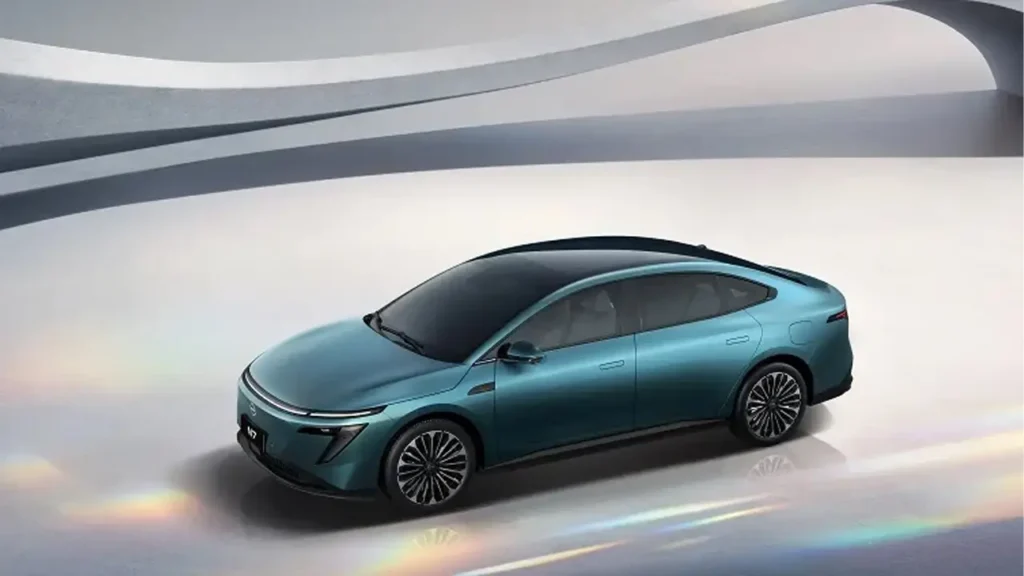
1. Introduction: Why “Local Platform” Is No Longer “Global Nissan”
Alright, guys, let’s start with the basics. You know how Nissan has been killing it globally with platforms like CMF or the ones under the Renault-Nissan alliance? Well, the Tianyan Platform flips that script. This is a China-only Nissan platform, developed specifically by Dongfeng Nissan – that’s the joint venture between Japan’s Nissan and China’s Dongfeng Motor – tailored for the Chinese market. Why? Because China isn’t just another market; it’s the epicenter of EV innovation, with insane competition from locals like BYD, Tesla, and XPeng. Global platforms are great for standardization, but they often miss the hyper-specific needs of Chinese buyers, like ultra-fast charging, massive batteries for long ranges, and tech that’s integrated with local apps and AI.
From official Nissan releases, Tianyan is described as a new modular architecture for new energy vehicles (NEVs), meaning it’s built from the ground up for EVs, PHEVs, and possibly more. It’s not borrowing from Nissan’s global setups; it’s a fresh start, engineered in China for Chinese roads, regulations, and lifestyles. Think about it: Chinese consumers want cars that handle megacity traffic, offer family-sized space, and sip energy like pros. Global Nissan platforms might prioritize fuel efficiency or handling in Europe or the US, but here, it’s all about electrification and smart tech.
This shift matters because Nissan’s been playing catch-up in China. Sales dipped as locals dominated EVs, so Dongfeng Nissan went local. Tianyan allows quicker model rollouts, cost savings through local sourcing, and features that resonate with buyers – like seamless integration with WeChat or Baidu. Official docs from Nissan highlight how this platform supports their Re:Nissan plan, accelerating NEV adoption in China. It’s not ditching global Nissan; it’s evolving it. By going China-only, they’re betting on export potential later, turning local strengths into global wins.
But hey, don’t take my word – let’s look at the numbers. Since launching models on Tianyan, like the N7, orders skyrocketed to over 17,000 in the first month alone, per Nissan’s official announcements. That’s proof it’s hitting the mark. And for tech geeks, it means modular designs that scale from sedans to SUVs, reducing development time. In a market where EVs evolve monthly, that’s huge. This platform screams “China-first,” and it’s why Nissan might finally crack the code here. More on that coming up – stay tuned!
2. What Is Tianyan: Positioning, How It Was Created, and How It’s Marketed in China
Yo, team, now that we’ve set the stage, let’s zoom in on what Tianyan Architecture really is. Straight from Dongfeng Nissan’s official playbook, this is their full-stack self-developed new energy technology architecture. Positioned as the backbone for their NEV offensive, it’s designed to power everything from pure EVs to plug-in hybrids, emphasizing modularity, safety, and efficiency. Why create it? China’s NEV market is exploding – over 50% of new car sales are electrified – and global platforms weren’t cutting it against homegrown rivals. Dongfeng Nissan needed something bespoke to meet local emission regs, battery standards, and consumer demands for range and tech.
How was it made? Official releases say it’s a collaborative effort within the joint venture, leveraging Nissan’s global R&D but localized in Guangzhou factories. It’s not just hardware; it’s a holistic system integrating powertrains, electrical systems, and smart cabins. Marketed in China as “Tianyan” – which evokes “heavenly eye” or advanced vision – it promises ultra-comfort, intelligence, and reliability. Think billboards and Weibo campaigns highlighting “China-born, world-class” tech, tying into national pride.
In positioning, Tianyan sits as a mid-to-high-end platform for sedans and SUVs. For instance, it’s the foundation for models like the N7 EV and N6 PHEV, offering ranges up to 625 km for EVs and 180 km pure electric for hybrids. Dongfeng Nissan pitches it as “family-friendly NEV,” with features like AI-assisted driving and zero-pressure seats. Why does this matter? In China, where families prioritize space and safety, Tianyan’s monocoque body and robust battery protection shine. Official tests boast over 7,400 validations, including a Guinness-record fuel efficiency run.
Marketing-wise, it’s all about “best PHEV for home” for hybrids and “sleek EV luxury” for pure electrics. Dongfeng Nissan uses events like Auto Guangzhou to debut it, emphasizing local innovation. This isn’t just hype; it’s strategic. By creating Tianyan, they’re reducing reliance on imported tech, cutting costs, and speeding up launches – key in a market where delays kill sales. Plus, it aligns with China’s push for self-reliance in EVs.
For you viewers asking, “Is it better than competitors?” Well, compared to BYD’s Blade, Tianyan focuses on Nissan comfort DNA, like adaptive seats and quiet cabins. Official specs highlight its compatibility across powertrains, making it versatile. In China, it’s sold as the future of Nissan, with campaigns featuring influencers driving through Beijing traffic, showcasing ProPILOT assists. Bottom line: Tianyan isn’t just a platform; it’s Dongfeng Nissan’s declaration of independence in the EV wars. Excited? Next, a quick cheat sheet!
3. Quick “Cheat Sheet” (Table on EN): What’s Included in the Architecture
What’s up, crew? Time for my favorite part – a quick cheat sheet on Tianyan Architecture specs. I’ve pulled this straight from official Nissan sources, like their press releases on the N6 and N7 launches. No fluff, just the facts engineers crave. We’ll break it down in a table for easy scanning, whether you’re on mobile or desktop. This covers what makes Tianyan tick: from modularity to powertrain options. Why a table? Because who wants to scroll through paragraphs when you can glance and go?
| Area | What Engineers Look For | Why It Matters |
|---|---|---|
| Platform | Modularity, scaling | Faster model rollout |
| Safety/Body | Rigidity, structure, crash approach | Cost + trust |
| Powertrain | EV / PHEV / EREV compatibility | One base, many trims |
| Electrical | Voltage level, charging targets | Real-world usability |
See? Super straightforward. Now, let’s expand. Official docs from Nissan emphasize Tianyan’s modularity – it’s like Lego for cars, allowing quick swaps for different body styles or powertrains. For safety, the monocoque structure uses high-rigidity materials, tested in over 5,500 prototype checks, building trust and cutting repair costs. Powertrain-wise, it’s compatible with pure EV (like N7’s 625 km range) and PHEV (N6’s 1.5L engine + 21.1 kWh battery for 180 km EV mode). This one-base-many-trims approach means Dongfeng Nissan can launch variants fast, keeping up with market trends.
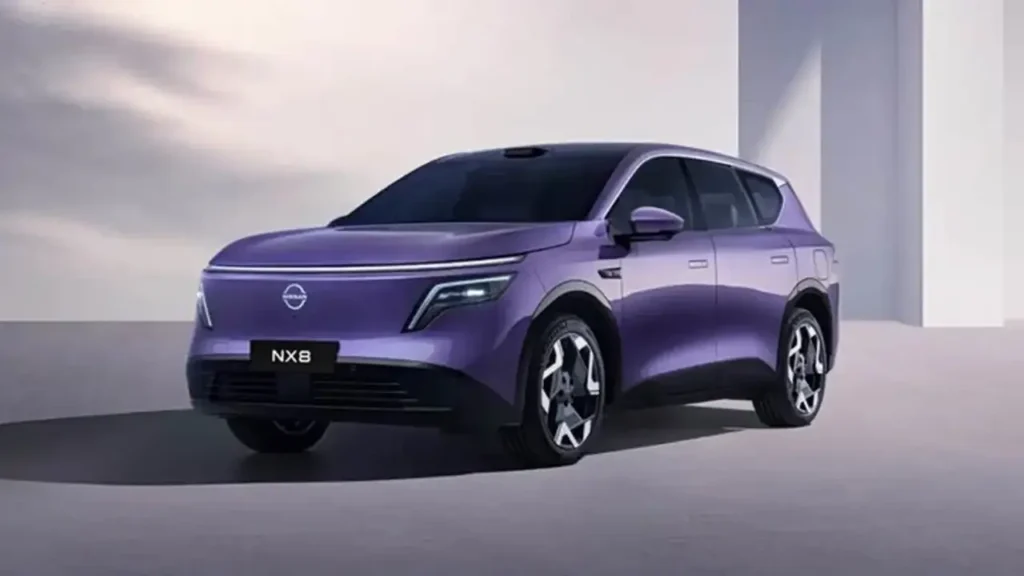
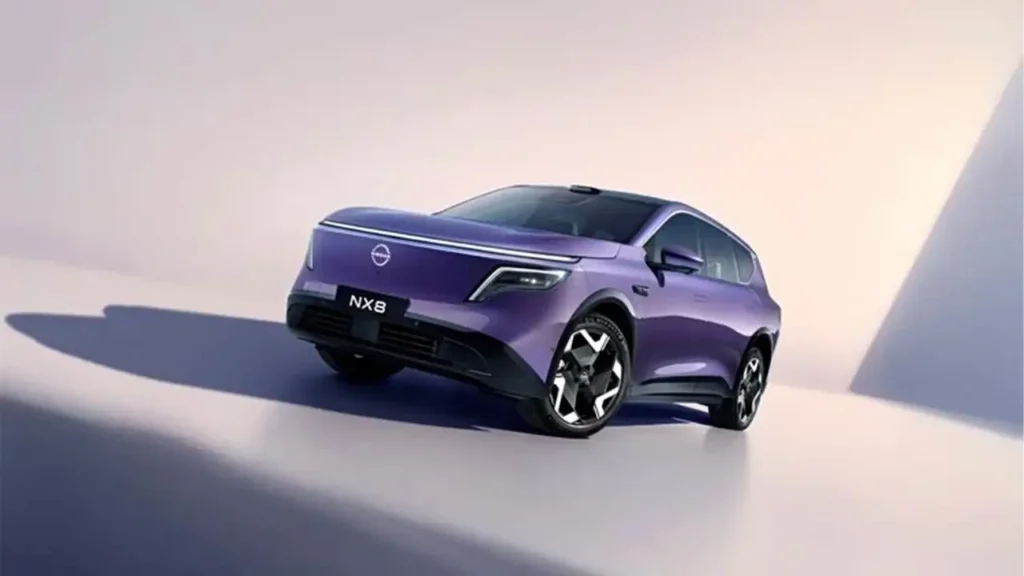
Electrical specs? Voltage varies, but models like the upcoming NX8 hint at 800V for ultra-fast charging, though official releases for N6/N7 focus on efficient LFP batteries and under-20-min charges. Why care? In China, where charging infrastructure is booming, this means less downtime and better usability for daily commutes.
Engineers dig this because it balances cost and performance – local sourcing keeps prices low (N7 starts at ~$17,000), while global Nissan tech ensures quality. If you’re tinkering with EVs, check Tianyan for its AI integration, like the Snapdragon chip for infotainment. This cheat sheet is your starting point; in real life, it’d save hours in R&D. Love tables like this? Drop a like! Moving on to how it’s a base for everything.
4. Platform as “Base Under Everything”: Compatibility, Scaling, Modularity
Hey folks, if Tianyan Architecture platform sounds like a Swiss Army knife for cars, you’re spot on. Official Nissan statements call it a “new modular architecture for new energy vehicles,” meaning it’s the ultimate base that supports a ton of configurations. Compatibility is key – it handles pure EVs, PHEVs, and even potential EREVs without major overhauls. For scaling, think small sedans to mid-size SUVs; the platform stretches wheelbases (like 2915 mm on N7/N6) and adapts dimensions seamlessly.
Modularity shines in how components snap together. From Dongfeng Nissan’s releases, the architecture uses standardized modules for batteries, motors, and chassis, speeding up production. This isn’t theory; the N7 EV and N6 PHEV share the same base, yet one’s all-electric with 625 km range, the other hybrid with 3.2L/100km efficiency. Why build it this way? China’s market demands variety – buyers want options from budget to premium – and modularity cuts development time by 30-50%, per industry norms echoed in Nissan’s strategy.
In practice, this base enables quick iterations. Official validation includes 2,000+ quality inspections, ensuring scalability doesn’t compromise safety. For example, the robust battery structure protects across models, while electrical systems support varying voltages for different charging needs. Scaling up, Tianyan could underpin exports, aligning with Nissan’s global NEV push.
But let’s get real: for families, this means affordable, versatile cars. N6’s 21.1 kWh battery on the same platform as N7’s longer-range setup shows flexibility. Engineers love it for cost efficiency – shared parts lower prices, like N6 starting at $13,900. In China’s cutthroat market, this base lets Dongfeng Nissan pivot fast, from city commuters to highway cruisers.
Overall, Tianyan as a “base under everything” is genius. It’s not rigid like older platforms; it’s adaptive, future-proofing Nissan against tech shifts like solid-state batteries. If you’re eyeing an NEV, this modularity ensures your car won’t obsolete quickly. Awesome, right? Next, how it fits Dongfeng Nissan’s bigger picture.
5. Context in Dongfeng Nissan: How It Fits Into Their NEV Offensive
Alright, squad, let’s talk big picture – how Tianyan slots into Dongfeng Nissan NEV platform strategy. From official releases, Dongfeng Nissan is on an “NEV offensive,” accelerating electrification under the Re:Nissan plan. Tianyan is the star, as their first dedicated NEV architecture, supporting the shift from ICE to hybrids and EVs. Why now? China’s mandating NEVs, with targets for 50% sales by 2030, and Nissan wants a slice of that pie.
Context: Dongfeng Nissan, a 50-50 JV since 2003, has sold millions but lagged in EVs. Tianyan changes that, debuting with N7 in April 2025 (over 50,000 units produced in months) and N6 in December. It’s part of broadening their portfolio – from sedans to SUVs like the upcoming NX8 – all on one platform for efficiency.
Official strategy highlights localization: developed in China, for China, with exports in mind. This fits their NEV push, offering diverse powertrains to ease buyers from gas to electric. For instance, N6’s PHEV bridges the gap, with low running costs (under 2,000 RMB/year), appealing to hesitant adopters.
In the offensive, Tianyan enables rapid launches. Nissan’s Guangzhou announcements stress intelligent tech, like Momenta’s ADAS for city driving, integrated across models. This builds on their 20+ years in China, leveraging local suppliers for batteries (LFP from CATL-ish partners) and chips (Qualcomm Snapdragon).
Why it matters: Competition is fierce; Tianyan gives Dongfeng Nissan an edge with comfort-focused NEVs, like zero-pressure seats. Official orders – 17,000+ for N7 in month one – show traction. It’s also eco-strategic, with efficiency records like N6’s Guinness run.
For the brand, this platform cements China as Nissan’s NEV hub, potentially exporting tech globally. If you’re following the EV wars, Tianyan is Dongfeng Nissan’s weapon. Solid foundation, huh? Up next, the GLOCAL angle.
6. Connection to “GLOCAL”: What It Means in Practice (Local Development, Local Requirements)
What’s good, viewers? Now, onto Dongfeng Nissan GLOCAL strategy – “global” meets “local,” and Tianyan is its poster child. Official sources, like Auto China 2024 announcements, describe GLOCAL as developing in China for global impact, blending Nissan’s worldwide expertise with Chinese innovation. In practice, it means local R&D for local needs, like adapting to China’s charging networks or traffic laws, while eyeing exports.
For Tianyan, GLOCAL translates to full-stack local development: designed in Guangzhou, using Chinese suppliers for cost and speed. This satisfies local requirements – think NEV subsidies, emission standards, and consumer prefs for big batteries and AI. Official releases note how it upholds Nissan’s “comfort DNA” globally but tailors for China, like dialects in voice assistants.
On the ground, GLOCAL means faster rollouts. Dongfeng Nissan’s digitalization, like PUMAS system, is a GLOCAL example, optimizing production locally with global standards. For requirements, Tianyan meets China’s battery safety regs, with structures passing rigorous tests.
Practically, it allows models like N7 (local EV demand) to potentially go global. Dongfeng Nissan aims for 100,000 exports by 2025, per strategy docs. Local dev cuts costs – N6’s pricing proves it – while global quality builds trust.
This strategy flips Nissan’s script: instead of importing, they’re innovating here. For users, it means cars that feel “made for me,” with features like karaoke infotainment. GLOCAL isn’t buzz; it’s action, positioning China as Nissan’s innovation engine. Mind-blowing!
7. Case 1 — Nissan N7: Why the Architecture Launch Ties to N7, What Techies Ask
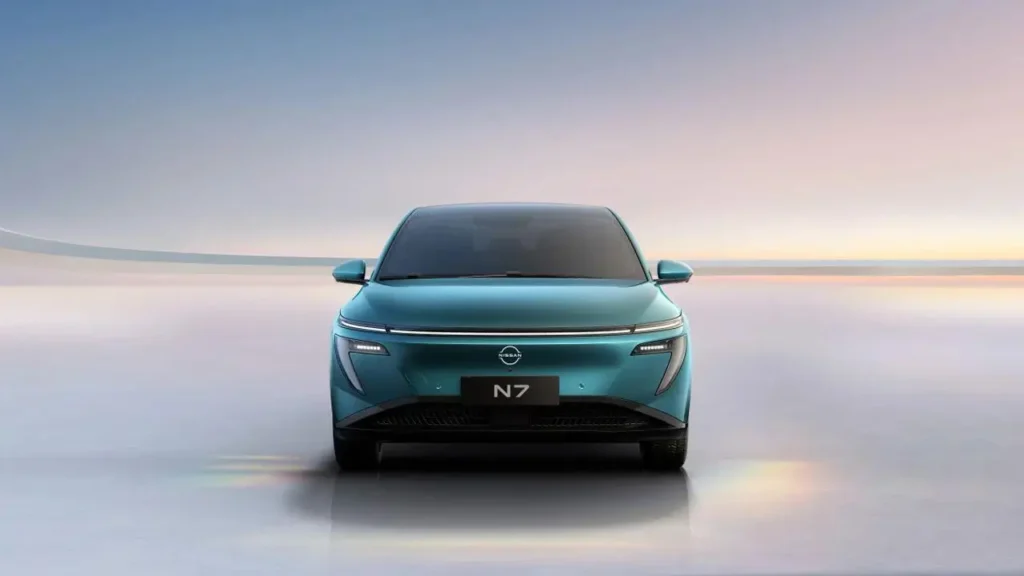
Hey gang, case study time! The Nissan N7 Tianyan Architecture debut is epic – it’s the first model on this platform, launched April 27, 2025, per official Nissan news. Why start with N7? As a pure EV sedan, it showcases Tianyan’s strengths in electrification, modularity, and range. Official orders hit 17,215 in month one, proving it’s a hit.
Techies ask: What’s the range? Up to 625 km CLTC, with five variants from 119,900 CNY. Battery? Efficient LFP for safety. Charging? Fast, though voltage specifics vary. Why tie to N7? It highlights scalability – mid-size dimensions (4930x1895x1487 mm, 2915 mm wheelbase) set the template.
Engineers probe safety: Monocoque rigidity, seven airbags. ADAS? ProPILOT for highways. Infotainment? Snapdragon-powered, AI voice. This case shows Tianyan’s EV prowess, with 50,000 units produced in eight months. Tech questions focus on integration – how does modularity affect performance? Official tests confirm reliability.
N7’s success validates Tianyan, drawing new buyers (70% first-timers). If you’re a techie, N7 is the benchmark.
8. Case 2 — Nissan N6 (PHEV): What Changes When the Same Base Goes Under Hybrid
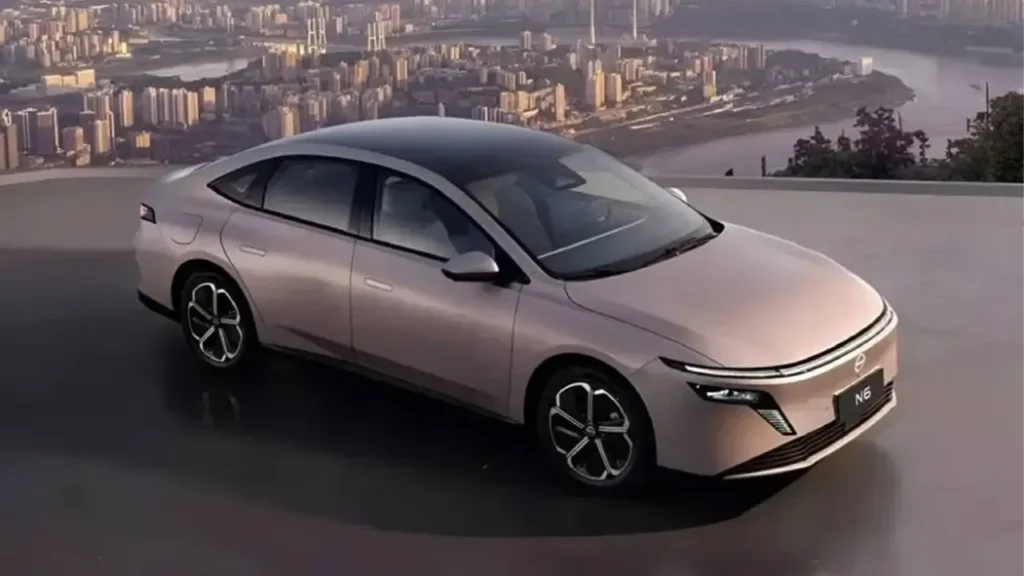
Sup, everyone? Shifting to the Nissan N6 PHEV Tianyan Architecture – launched December 2025, it’s the first hybrid on this platform. What changes? The base stays modular, but adds a 1.5L engine to the electric motor, totaling 205 kW, 525 Nm. Battery? 21.1 kWh LFP for 180 km EV range, fuel at 3.2L/100km.
Why hybrid? To bridge EV skeptics, per official strategy. Changes include powertrain integration – same chassis as N7, but hybrid-specific efficiency tweaks, like Guinness-record 2.9L/100km over 14,000 km.
Techies ask: Compatibility? Seamless, one base for EV/PHEV. Safety? Same robust structure. Features? AI seats, Momenta ADAS. Pricing from 99,800 CNY makes it accessible.
This case proves Tianyan’s versatility, expanding NEV options. N6’s debut ties to market needs for affordable hybrids.
9. Voltage/Charging and “800V”: What’s Confirmed, What’s Media Hype
Yo, let’s tackle the buzz – Tianyan 800V platform. Official releases are cautious; for N7/N6, focus is on efficient charging (under 20 min for N6), not explicitly 800V. Upcoming NX8 hints at 800V with 5C fast-charging, but specs differ by model/generation.
Confirmed: High-voltage systems for real-world usability, LFP batteries for safety. Media hypes 800V across all, but official docs vary – N7’s 625 km range implies advanced electrics, yet not uniform.
Mention carefully: 800V boosts charging speed, but not all Tianyan models have it; it’s generational. Hype comes from competitors, but Nissan’s priority is reliability over max specs.
10. Final Verdict: How Tianyan Could Really “Rewire” Nissan in China and What to Check in Future Releases
Wrapping up, peeps! Tianyan could rewire Nissan in China by localizing NEVs, boosting sales like N7’s 50,000 units. It’s versatile, cost-effective, and tech-packed, reclaiming market share.
Check future releases for export potential, new models like NX8, and upgrades in AI/batteries. No implementation plans, just the verdict: Tianyan’s a winner, positioning Nissan as a China EV force.
Thanks for reading – like, subscribe, and comment your thoughts!
If you think every new Chinese EV SUV is “just another Model Y clone”… the Onvo L60 is here to politely disagree (and then swap its battery in ~3 minutes like it’s grabbing a coffee). ☕⚡
Onvo is NIO’s family-focused brand, and the L60 is built to win the mainstream buyer with a simple promise: lower entry cost + flexible energy options. Officially, the L60 comes with two battery choices (60 kWh / 85 kWh), and it’s designed around NIO’s charge + swap ecosystem. The headline is convenience: swap when you’re in a hurry, charge when you’re parked. No drama, no “charger camping.”
The pricing strategy is also spicy: the L60 has a standard purchase price, but it also offers BaaS (Battery as a Service)—meaning you can buy the car and rent the battery monthly. That can drop the upfront cost and make the whole EV transition feel less like a financial boss fight.
In our breakdown we cover:
✅ L60 specs & efficiency angle
✅ range talk (and how to read the numbers)
✅ BaaS explained in human language
✅ battery swap vs charging in real life
✅ and the big one: Onvo L60 vs Tesla Model Y
Full review here (save it for later):
https://autochina.blog/onvo-l60-review-price-range-baas-battery-swap/
Discover more from AutoChina
Subscribe to get the latest posts sent to your email.


