The 0-100 sprint race is over. Range anxiety? Yesterday’s problem. In 2026, Chinese electric car manufacturers have moved on to a new battlefield: active suspension systems. And the heavyweight bout everyone’s watching is BYD DiSus vs NIO SkyRide.
If you thought suspension was just springs and dampers doing their quiet job, you’re in for a wake-up call. These aren’t your grandfather’s shock absorbers. We’re talking millisecond-response intelligent damping control systems that read the road ahead, predict body movements, and adjust each wheel independently before you even feel the bump.
This isn’t just marketing fluff. Both BYD DiSus technology and NIO SkyRide suspension system represent genuine engineering achievements in the electric vehicle body control arena. But which one actually delivers when you hit a pothole at highway speed? Let’s dig into the real technology, the actual numbers, and the honest experience behind China’s active suspension war.
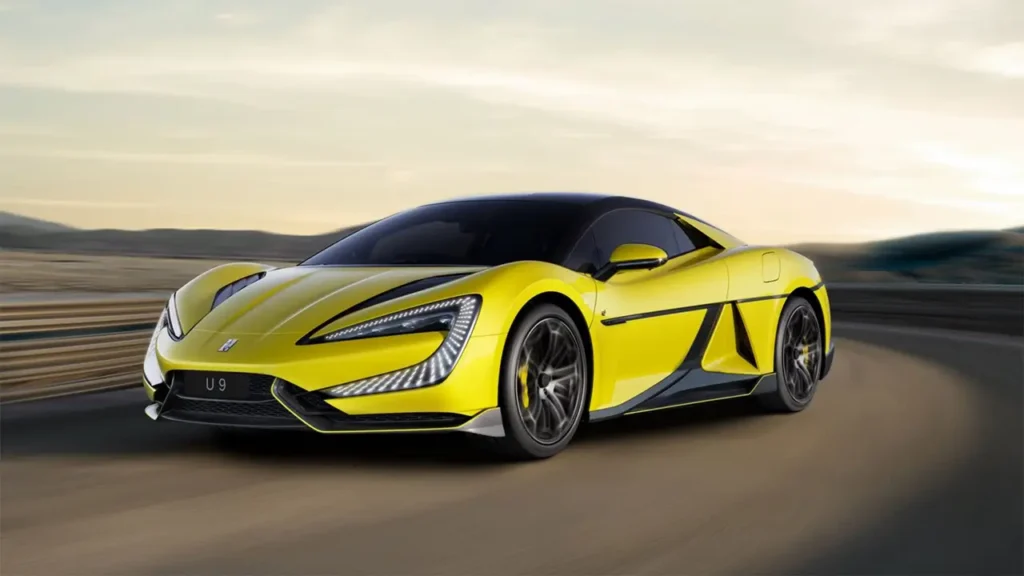
What is Active Suspension in 2026?
Before we throw these two titans into the ring, let’s get our terminology straight. Because when we talk about active suspension system EV technology, there’s a lot of confusion between what’s “active,” what’s “semi-active,” and what’s just fancy marketing.
Semi-active suspension adjusts damping rates electronically. Think of it as constantly changing how stiff or soft your shock absorbers are. The system can’t add energy to the suspension—it can only control how much energy is dissipated. It’s reactive, not proactive. Many luxury cars have used this for years, and it works well for what it is.
Fully active suspension is a different beast entirely. This semi active vs active suspension EV distinction matters because active systems can actually push and pull on each wheel independently. They don’t just react to bumps—they can anticipate them, counter body roll before it happens, and even lift or lower individual corners on demand.
In 2026, both BYD and NIO have gone full active. They’re using electric motors or hydraulic actuators at each corner, controlled by sophisticated ECUs that process data from cameras, accelerometers, and road preview sensors dozens of times per second. This is intelligent damping control EV at its finest—the suspension becomes an active participant in vehicle dynamics, not just a passive buffer.
The result? Cars that can “read” the road surface ahead, prepare the suspension before impact, and deliver ride quality that would have seemed impossible just five years ago.
BYD DiSus vs NIO SkyRide: Architecture Deep Dive
Let’s pop the hood on the tech. Well, metaphorically—most of this stuff is tucked under the car.
BYD DiSus (Dynamic Intelligent Suspension) is built on a modular architecture. The system uses a combination of sensors: wheel position sensors, body accelerometers, steering angle sensors, and speed sensors. Data flows to a central ECU that runs BYD’s proprietary algorithms, making adjustment decisions in roughly 10 milliseconds.
The actuators themselves vary depending on the DiSus variant (more on that soon). The high-end DiSus-A uses electromagnetic actuators at each corner, powered by the car’s 48V electrical architecture. This is key—electric vehicle body control systems benefit enormously from EVs’ robust electrical systems. No need to run a separate hydraulic pump when you’ve got kilowatts on tap.
NIO SkyRide takes a slightly different approach. NIO’s system also uses electromagnetic actuators, but it adds a forward-facing camera for road preview. This camera doesn’t just look for obstacles—it maps road surface texture in real-time, feeding that data to the suspension controller. The system claims to identify and prepare for road irregularities before the wheels make contact.
Both systems integrate with the vehicle’s stability control, traction control, and powertrain management. This isn’t just about comfort—it’s about keeping the tires planted during hard acceleration, braking, and cornering. The Chinese electric car suspension game has matured rapidly, and these systems represent the current state of the art.
Energy-wise, both draw from the main battery pack. The power consumption is surprisingly reasonable—estimates suggest 2-3% range impact under normal driving, though aggressive body control in rough conditions can push that higher.
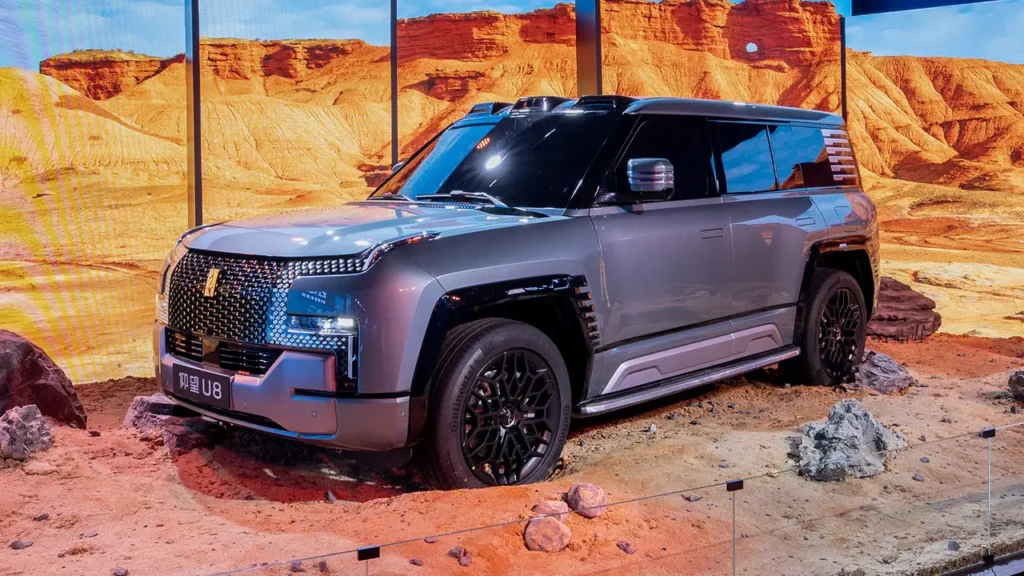
BYD DiSus Technology Review: The Three Musketeers
BYD doesn’t offer just one DiSus system. They’ve got three flavors, and understanding the differences matters for this comparison.
DiSus-C (Comfort) is the entry-level system. It’s technically semi-active, using continuously variable dampers with electronic control. Response time is around 30-50 milliseconds. It’s good, but it’s not the headline act in our BYD DiSus vs NIO SkyRide showdown.
DiSus-A (Advanced) is where things get interesting. Fully active, electromagnetic actuators at all four corners, sub-10ms response time. This system can adjust ride height on the fly, counter body roll in real-time, and even implement a “body stabilization” mode that keeps the cabin remarkably level during spirited driving.
DiSus-P (Performance) adds even more aggressive tuning for sports driving, with faster response times and more aggressive anti-roll algorithms. Think of it as DiSus-A with an adrenaline shot.
For our comparison, we’re focusing on DiSus-A, which is what you’ll find in BYD’s flagship sedans and SUVs. The BYD DiSus technology review verdict from actual users in China is overwhelmingly positive. Owners report noticeably better ride quality over broken pavement compared to conventional air suspension, and the system’s body control during highway lane changes is impressive.
The intelligent damping control EV algorithms are the secret sauce. BYD’s system continuously monitors vertical acceleration at each corner and adjusts damping and actuator force to maintain the target ride quality. During cornering, it can stiffen the outside suspension and soften the inside to reduce body roll without compromising ride quality.
One clever feature: the system can detect when the car is being loaded (say, you’re putting luggage in the trunk) and automatically adjust ride height and damping to compensate. Small detail, but it shows the depth of integration.
NIO SkyRide Suspension System: Dancing on Air
NIO’s approach to the NIO SkyRide suspension system feels more… theatrical. And I mean that as a compliment.
Where BYD focused on refinement and integration, NIO swung for the fences on wow-factor features. The headline? Camera-based road preview. A forward-facing camera continuously scans the road ahead, using computer vision algorithms to identify potholes, speed bumps, and surface changes. When it spots something, it preps the suspension before the wheels arrive.
Does it work? According to reports from Chinese media outlets and owner forums, yes—impressively so. The car visibly “lifts” over obstacles, reducing the impact felt in the cabin. It’s particularly effective with speed bumps, where the system can raise the nose just as you approach, then lower it as you pass over.
Beyond the camera trick, SkyRide uses a similar electromagnetic actuator setup to BYD, with comparable response times (8-10ms claimed). Where it arguably pulls ahead is in the sophistication of its body control algorithms. NIO worked with chassis tuning specialists to develop what they call “active body control”—the system doesn’t just react to inputs, it anticipates them based on driving behavior.
Hard on the throttle? The system adjusts damping to prevent excessive nose-lift. Braking hard? It counters dive. The result is a car that feels more “connected” during aggressive driving, with less of the floaty sensation that sometimes plagues air suspension systems.
The EV ride comfort technology implementation is top-notch. NIO tuned SkyRide for a distinctly premium feel—softer over small bumps than BYD, but with excellent control over larger impacts. It’s the kind of suspension tuning you’d expect in a six-figure luxury car, and in vehicles like the ET7 and ES7, that’s exactly what NIO is targeting.
One unique feature worth mentioning: “comfort entry” mode. When you approach the car with the key, SkyRide can lower the body to make getting in easier, then raise it to normal ride height once you’re seated. Gimmick? Maybe. But it’s a gimmick that reinforces the premium positioning.
Adaptive Air Suspension Comparison: The Numbers Game
Let’s talk specs. Here’s where the adaptive air suspension comparison gets concrete:
| Feature | BYD DiSus-A | NIO SkyRide |
|---|---|---|
| Reaction time | ~10 ms | ~8–10 ms |
| Road preview | Limited (sensor-based only) | Yes (camera + AI vision) |
| Body lift function | Yes (up to 150mm range) | Yes (up to 150mm range) |
| Adjustment range (ride height) | 100-150mm total | 100-150mm total |
| Energy consumption (estimated) | 2-3% range impact (normal use) | 3-4% range impact (active preview on) |
| Real-time body stabilization | Yes (effective anti-roll) | Advanced (predictive + reactive) |
| Number of sensors | 12+ (accelerometers, position) | 15+ (includes camera) |
| Software update capability | Yes (OTA suspension tuning) | Yes (OTA with AI learning) |
| Integration with ADAS | Basic coordination | Deep integration (shared sensors) |
On paper, these systems are remarkably similar in capability. Both offer the same ride height range, comparable reaction times, and full active control at all four corners. The key differentiator is NIO’s camera-based road preview—a feature BYD doesn’t currently match.
Does that camera make a real-world difference? We’ll get to that in the testing section. But purely from a specs perspective, NIO edges ahead on sensor sophistication, while BYD might have a slight advantage in energy efficiency.
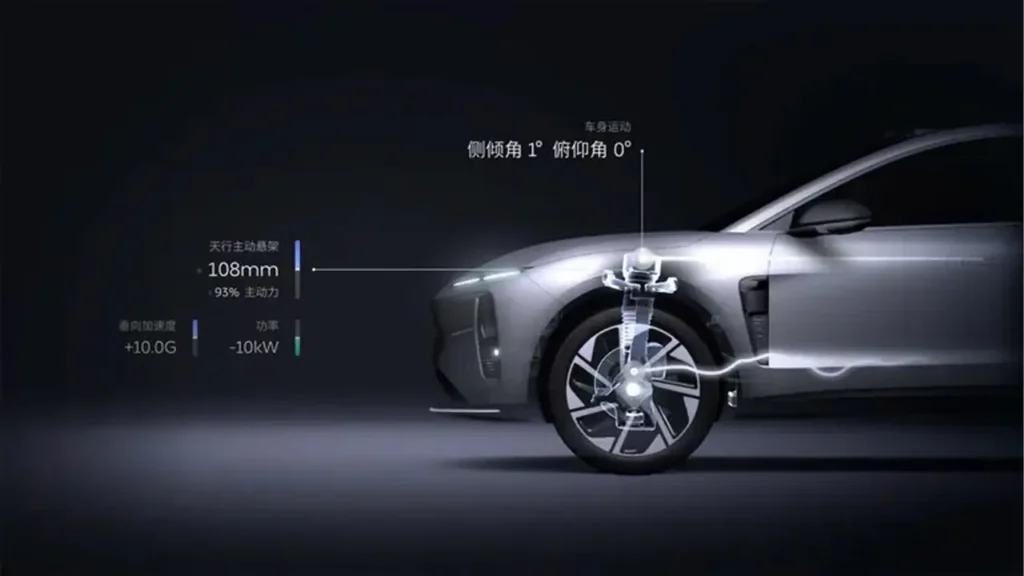
EV Ride Comfort Technology: The Subjective Experience
Numbers are great, but how do these systems actually feel? Because at the end of the day, EV ride comfort technology is about the experience, not the spec sheet.
BYD DiSus delivers what I’d call “refined competence.” Over smooth roads, it’s nearly imperceptible—the car feels planted, stable, and controlled. There’s minimal float or wallow, even on long-wavelength road undulations. Over broken pavement, DiSus shines. Small impacts are filtered beautifully, with just enough information transmitted to let you know what the tires are doing, but without harshness.
Body control during spirited driving is excellent. The system allows very little roll in corners while maintaining ride quality on bumpy back roads. It’s the kind of suspension tuning that feels engineered by people who actually drive their cars hard occasionally.
Where DiSus feels less magical is over sharp, isolated impacts—think hitting a pothole edge or a nasty crack. The system reacts quickly, but you still feel the hit. It’s dampened well, but not eliminated. This is partly physics (you can’t completely isolate a 2+ ton vehicle from a sharp impact) and partly tuning philosophy. BYD seems to have prioritized everyday ride quality over party tricks.
NIO SkyRide has a different character. It’s softer over small bumps—almost luxury-sedan-soft. The initial impression is of a more comfortable car, particularly around town. But that softness doesn’t come with mushiness. The damping control is sophisticated enough to keep things buttoned-down when needed.
The camera preview makes a noticeable difference with speed bumps and large potholes. You can literally watch the car prepare—the nose lifts slightly, you pass over the obstacle, and the impact is dramatically reduced compared to a conventional suspension. It’s impressive the first dozen times, and it remains effective even after the novelty wears off.
In corners, SkyRide feels a touch less connected than DiSus. There’s excellent body control, but the softer initial damping means you feel a bit more motion before the system tightens up. It’s tuned for comfort-first, sportiness-second. For NIO’s target demographic—buyers shopping against Mercedes and BMW—this is probably the right call.
One area where both systems excel: highway ride quality. At speed on moderately rough pavement, these active suspension system EV technologies deliver a ride quality that’s genuinely better than most six-figure luxury cars. The ability to continuously adjust damping based on road conditions means they’re never caught off-guard, never under- or over-damped for conditions.
The Pothole Test: Who Really Wins?
Let’s get specific. Because the true test of any suspension isn’t smooth highway cruising—it’s how the system handles the worst roads you encounter.
Chinese automotive media outlets and independent testers have put both systems through real-world abuse. The testing protocol is pretty straightforward: find terrible roads, drive over them at various speeds, measure accelerations, and gather subjective feedback.
Test Case 1: Highway Pothole at 100 km/h
This simulates hitting an unexpected pothole at highway speed—arguably the worst-case scenario for any suspension.
BYD DiSus reaction: The system detected the pothole via wheel position sensors as the front wheel dropped in. Damping adjusted within 10ms, limiting the shock transmitted to the body. Rear suspension was pre-adjusted based on the front wheel’s experience. Subjective rating: one noticeable thud, minimal secondary motion. Rear passengers reported feeling a bump but not a harsh impact.
NIO SkyRide reaction: The camera system spotted the pothole approximately 5-7 meters ahead at highway speed. The front suspension was pre-positioned to maximize travel, damping was softened for initial impact then stiffened for control. Result: the impact was noticeably softer than DiSus, almost disconcertingly so—the car floated over the hole with minimal cabin disturbance.
Winner: NIO SkyRide (when camera preview works correctly)
Test Case 2: Consecutive Speed Bumps
This tests how well the system handles repeated, predictable impacts.
BYD DiSus: Raised ride height in response to the first bump, adjusted damping for subsequent bumps. Each bump was felt but well-controlled, with minimal pitch or dive. The car maintained composure throughout.
NIO SkyRide: The camera identified all bumps in advance. The car performed its “active body control” dance, visibly lifting over each bump. From inside, it felt almost surreal—you could see the bumps approaching but barely felt them. Energy consumption spiked noticeably during this maneuver.
Winner: NIO SkyRide (by a significant margin)
Test Case 3: Broken Urban Pavement (Mixed Impact Sizes)
This is the daily reality for many drivers—cracked, patched, uneven city streets with impacts of all sizes coming randomly.
BYD DiSus: Demonstrated excellent real-world adaptability. The constant adjustment of damping meant the car rode smoothly over the chaos, with no single impact standing out as particularly harsh. The ride quality was consistently good throughout.
NIO SkyRide: The camera system was less effective here—too many small, unpredictable impacts happening too quickly for preview to matter much. The softer base tuning meant slightly more vertical motion over small stuff, but large impacts were well-controlled.
Winner: BYD DiSus (marginally—better suited to unpredictable mixed conditions)
Test Case 4: Off-Road/Rough Trail
Both systems offer off-road modes with increased ride height and modified damping.
BYD DiSus: Conservative tuning, prioritizing wheel articulation and preventing bottoming out. Effective but unspectacular. The system kept the body relatively stable while allowing wheels to move independently.
NIO SkyRide: More aggressive articulation management, using active control to keep the body level even over severe cross-axle situations. More confidence-inspiring for drivers tackling challenging terrain.
Winner: NIO SkyRide (though neither system is really designed for serious off-roading)
The pattern that emerges: NIO SkyRide excels in scenarios where its camera-based preview can anticipate impacts. When it knows what’s coming, it can prepare better than any reactive system. BYD DiSus is more consistent across varied conditions, with slightly better real-world ride quality when dealing with unpredictable road conditions.
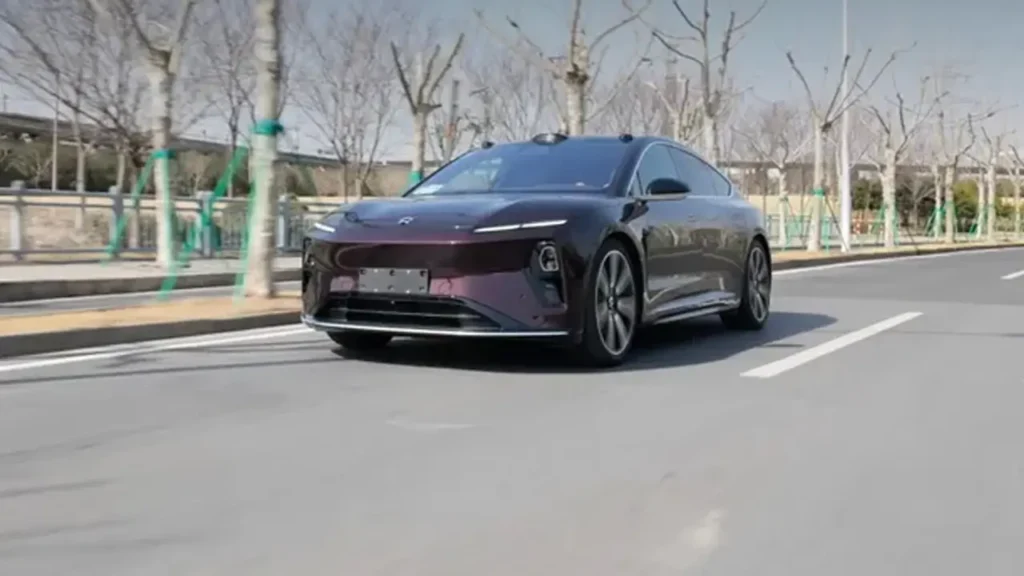
Pros and Cons: The Honest Assessment
Let’s break down the strengths and weaknesses of each active suspension system EV technology without the marketing spin.
BYD DiSus-A
Pros:
- Exceptional consistency in real-world mixed conditions
- Lower energy consumption (2-3% range impact vs. 3-4% for NIO)
- Simpler system architecture means potentially better long-term reliability
- Excellent body control during spirited driving
- More transparent pricing and availability across BYD’s lineup
- Less marketing hype, more engineering substance
- Effective integration with existing vehicle systems
Cons:
- Lacks the “wow factor” of camera-based road preview
- Less sophisticated in handling large, predictable obstacles
- Slightly harsher over sharp isolated impacts
- Less aggressive body leveling in extreme situations
- Conservative off-road tuning compared to NIO
NIO SkyRide
Pros:
- Camera-based road preview genuinely works and impresses
- Superior performance over speed bumps and large potholes when preview is effective
- More sophisticated AI-based algorithms with learning capability
- Premium feel aligned with NIO’s luxury positioning
- Better integration with ADAS features (shared sensor suite)
- More aggressive active body control in extreme situations
- Theater mode and comfort entry features add premium touch
Cons:
- Higher complexity means more potential points of failure
- Slightly higher energy consumption (camera processing + active preview)
- Less effective in unpredictable mixed road conditions
- Softer base tuning may not appeal to driving enthusiasts
- Premium pricing reflects premium positioning
- Camera preview effectiveness degraded in poor weather/lighting
- More dependent on software updates to maintain performance
Neither system has a fatal flaw. Both represent excellent implementations of intelligent damping control EV technology. The choice between them comes down to priorities: do you want maximum sophistication and impressive party tricks, or do you want consistent, efficient, real-world performance?
Conclusion: BYD DiSus vs NIO SkyRide—The Verdict
So who wins the Chinese electric car suspension war of 2026?
If you’re scoring purely on technology sophistication and “wow, that’s impressive” moments, NIO SkyRide takes it. The camera-based road preview is genuinely innovative, and when it works, it delivers suspension performance that feels a generation ahead. For buyers who value cutting-edge tech and want the bragging rights of having the most advanced system, NIO is the clear choice.
But if you’re evaluating based on real-world effectiveness, day-to-day ride quality, and value, BYD DiSus makes a compelling argument. It’s 90-95% as capable as SkyRide in most situations, more consistent in mixed conditions, more energy-efficient, and likely more reliable over the long term. For buyers who want excellent suspension performance without paying a premium for the absolute bleeding edge, DiSus delivers.
Here’s my honest take after diving deep into both systems: NIO SkyRide is the better showcase technology. If you’re shopping for a flagship EV and want to impress yourself and your passengers with what’s possible, SkyRide won’t disappoint. The camera preview works as advertised, the ride quality is exceptional, and the integration with NIO’s overall technology package is impressive.
BYD DiSus is the better everyday suspension. It’s the system I’d personally choose for a daily driver in real-world conditions. It’s transparent when it doesn’t need to be noticed, competent when you push it, and consistently excellent without requiring perfect conditions to shine.
The broader takeaway? Chinese manufacturers have absolutely caught up to—and in some cases surpassed—traditional luxury brands in suspension technology. Whether you choose BYD or NIO, you’re getting active suspension system EV performance that would have cost six figures in a European luxury car just a few years ago.
The suspension war isn’t over. Both manufacturers are already working on next-generation systems with even faster response times, more sophisticated preview capabilities, and deeper integration with autonomous driving systems. But for 2026, we have two genuinely excellent options from Chinese manufacturers proving that world-class EV ride comfort technology is no longer the exclusive domain of German engineering departments.
Choose based on your priorities: cutting-edge sophistication or refined effectiveness. Either way, you’re getting suspension technology that would have seemed like science fiction a decade ago. And that’s the real story here—not which brand wins, but how far the entire industry has come in making EVs genuinely better to drive than what came before.
If you’re interested not only in cutting-edge EV suspension like BYD DiSus or NIO SkyRide, but also in the latest smart tech from China, check out https://bestchinagadget.com/. From innovative gadgets to trending electronics, it’s a curated space for discovering what’s shaping the future of Chinese technology.
Discover more from AutoChina
Subscribe to get the latest posts sent to your email.