There’s a quiet revolution happening inside China’s electric vehicles — and it’s happening right at the window. Not under the hood, not in the battery, but in the glass itself. AI dimming glass in automotive China is no longer a concept borrowed from aviation cabins or luxury architecture. It has arrived on public roads, entered mass production, and is fundamentally changing what drivers and passengers expect from a modern car cabin. If you’ve been following smart glass EV technology, you already sense that something significant is shifting. If this is your first encounter with the topic, buckle up — this is genuinely exciting stuff.
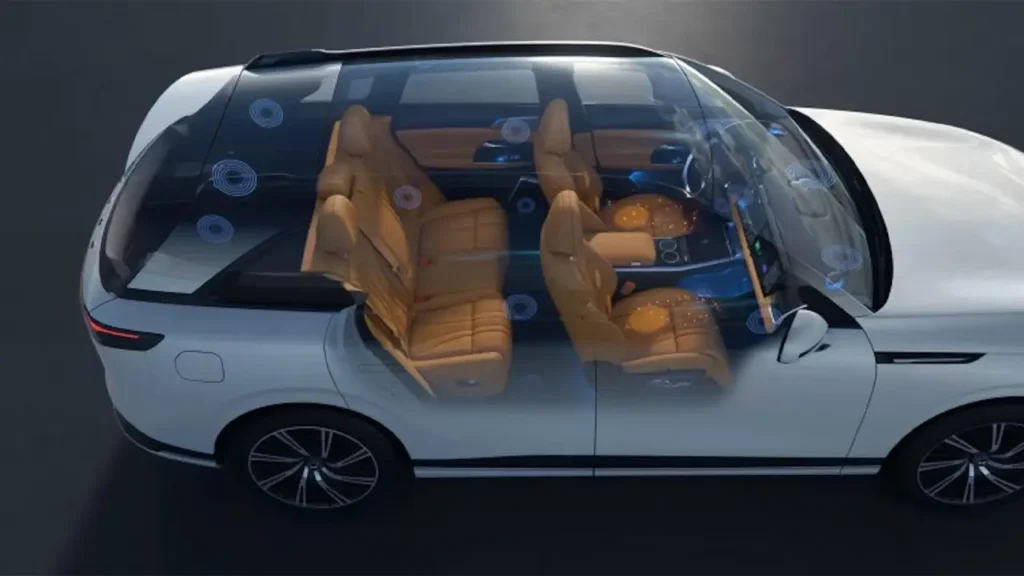
At the center of this story is XPeng and its new flagship SUV, the GX. Together with Fuyao Group, the globally recognized leader in automotive glass manufacturing, XPeng has delivered what it officially describes as the world’s first AI dimming privacy glass system. The first production unit rolled off the line on April 10, 2026, with the technology debuting exclusively on the GX six-seat SUV. This is not a concept car feature or a press release promise — it is a real, shipping product in a real, purchasable vehicle. Let’s dive into exactly what it is, how it works, and why it matters for the future of electric mobility.
AI Dimming Glass Automotive China: Integration with ADAS and Sunlight Prediction Algorithms
What Is AI Dimming Glass, Really?
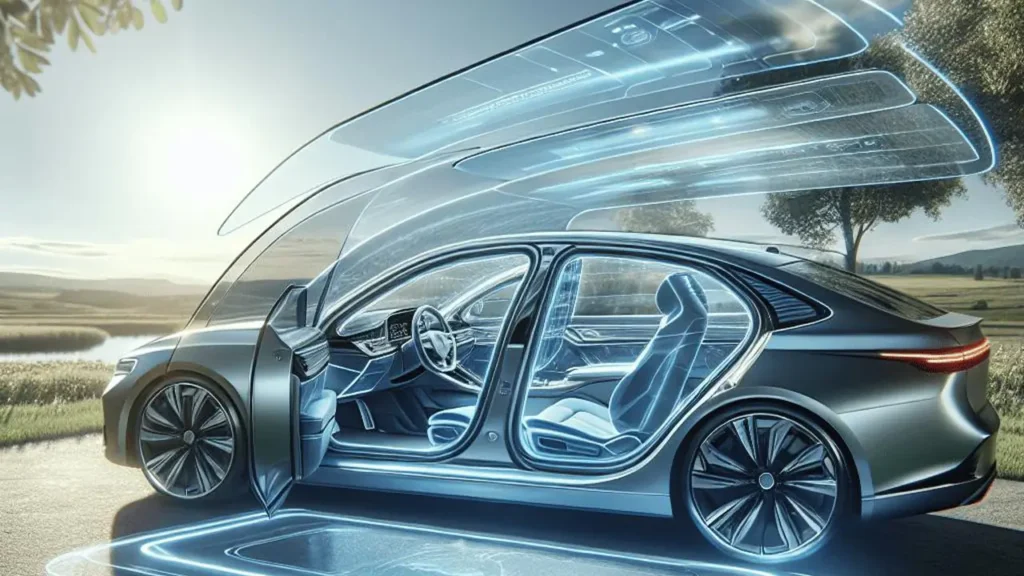
Before getting into the specifics of XPeng’s breakthrough, it helps to understand what AI dimming glass actually is at a fundamental level. In simple terms, it is glass that can change how transparent or opaque it appears — on demand, in real time, and increasingly, without any human input at all.
Traditional privacy solutions in cars are passive. A physical sunshade, a fixed-tint film, or a manually toggled switch — these rely entirely on the driver or passenger to decide when and how much light enters the cabin. The problem is that sunlight doesn’t care about your schedule. It shifts angle throughout the day, bursts through gaps between buildings, and changes intensity in ways that are difficult to predict manually.
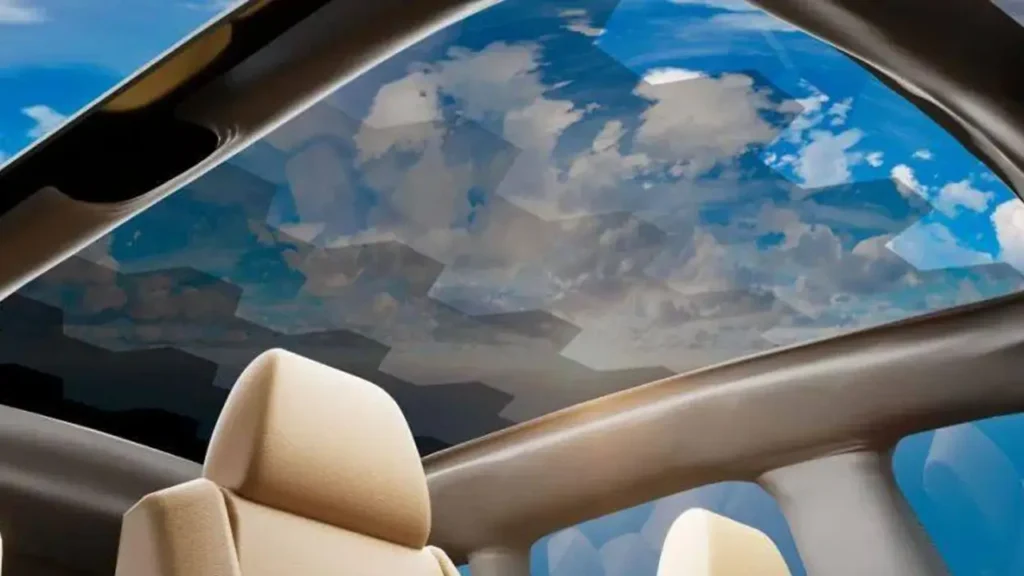
The AI dimming privacy glass on the XPeng GX draws its heritage from dimmable solutions originally developed for aviation cabins. Its core relies on LC dye liquid crystal technology — using an electric field to control the alignment of liquid crystal molecules, which allows for continuous, smooth adjustment of how much light passes through. This is not an on-or-off toggle. It is a spectrum of transparency that can be finely tuned in milliseconds.
Compared with traditional physical sunshades or fixed-tint privacy glass, the breakthrough here lies in speed and precision. The XPeng GX system switches from fully transparent to fully opaque in just 0.16 seconds — a duration described as roughly twice the speed of a human blink. For context, a standard blink takes approximately 0.3 to 0.4 seconds. The glass reacts faster than your eyes can close. That’s the kind of responsiveness that moves this technology from “clever gadget” into the category of genuinely useful automotive engineering.
The XPeng and Fuyao Partnership: A Meeting of Hardware and Software
XPeng’s AI dimming glass doesn’t come from thin air. It is the product of a deep collaboration between two companies that bring complementary strengths to the table. Fuyao Group is China’s — and arguably the world’s — most recognized automotive glass manufacturer. XPeng contributes its proprietary AI and software stack.
XPeng founder and chairman He Xiaopeng framed the collaboration as an example of combining Fuyao’s hardware expertise with XPeng’s AI and software capabilities. The result, in his words, transforms an ordinary car component into an intelligent terminal that actively serves occupants. That framing matters. The glass is not just a material component that can tint on command. It is a node in a larger intelligent ecosystem, capable of sensing, thinking, and responding.
Fuyao itself has been expanding its smart glass portfolio rapidly. The company launched an intelligent dimming side window glass in January 2025 and followed with a front windshield integrating intelligent driving features in September 2025. The XPeng partnership represents Fuyao’s first deployment of AI-controlled dimming glass that responds autonomously to environmental conditions rather than relying on a manual switch or preset mode. That distinction — autonomous response versus manual control — is what separates this from every other smart glass product currently on the market.
Advanced Polymer Engineering Solutions
Discover modern polymer technologies, industrial materials, and engineering solutions designed for high-performance manufacturing and innovative industries.
Visit Polimerukr.com →
How the ADAS Connection Works
One of the most technically sophisticated aspects of XPeng’s AI dimming glass is how it integrates with the vehicle’s broader intelligent systems. The glass is not operating in isolation. It is connected directly to the vehicle’s electronic and electrical architecture and to XPeng’s large AI model, enabling what the company describes as cross-domain integration.
What does that mean in practice? The system uses AI to intelligently predict shading needs based on scenarios and external light sensing. This is a fundamentally different approach from reactive dimming. Rather than waiting until glare hits a passenger’s eyes and then responding, the system can anticipate when shading will be needed based on the car’s GPS position, the time of day, the angle of the sun, and real-time sensor data from the vehicle’s camera and light-sensing array.
The XPeng GX is equipped with four Turing chips delivering 3,000 TOPS of computing power, primarily designed to support its Level 4 autonomous driving capability. This same compute infrastructure provides the processing backbone for the AI glass system. When a vehicle has enough computational power to make real-time driving decisions autonomously, redirecting some of that intelligence toward cabin comfort management becomes a natural extension.
The GX also features an AI cockpit that monitors voice commands and eye position, then quietly adjusts seat temperature, climate, and ambient lighting. The AI glass fits seamlessly into this framework: as the vehicle tracks the sun’s position and cross-references it with occupant location data, it can proactively tint the window nearest to a glare risk before the passenger even notices discomfort. That is sunlight prediction in action.
AI Dimming Glass Automotive China: Consumer Willingness-to-Pay and Supply Chain Readiness
Core Technology Breakdown: What’s Inside the Glass
Understanding what makes AI dimming glass tick requires a brief look at the three primary technologies competing in this space. Not all smart glass is created equal, and the differences between them are commercially and technically significant.
The XPeng GX uses electrochromic LC (liquid crystal) technology, which represents one of three main approaches to dynamic automotive glazing. Here is a clear comparison of how these technologies perform across the metrics that matter most to consumers and manufacturers:
| Technology Type | Response Time | Cost Level | Durability | Transparency Control |
|---|---|---|---|---|
| Electrochromic (EC) | 0.1–1 sec | High | Very High | Precise, continuous |
| PDLC (Polymer Dispersed Liquid Crystal) | 1–3 sec | Medium | Medium | On/Off only |
| Suspended Particle Device (SPD) | Under 1 sec | Very High | High | Continuous |
Electrochromic glass, which includes the LC dye variant used by XPeng and Fuyao, dominates the automotive smart glass market. It currently holds the largest share of the global market, prized for its energy efficiency, smooth light transmission control, and ability to integrate seamlessly with vehicle electronics. The XPeng implementation pushes this technology to its performance frontier: in its darkest state, the glass blocks 99.9% of ultraviolet rays and 99.4% of visible light. Transmittance can be adjusted between 0.6% and 16% for the privacy setting — meaning from outside the vehicle, the cabin is effectively invisible, while passengers inside maintain full outward visibility. That asymmetry is one of the technology’s most elegant practical advantages.
The glass also supports millions of dimming cycles without degradation, meeting automotive-grade long-term reliability requirements. This is not a feature that will fade after a few years of use. It is designed to last as long as the vehicle itself.
Cabin Comfort: More Than Just Shade
The comfort benefits of AI dimming glass extend well beyond the obvious. Yes, blocking direct sunlight prevents glare — that’s the headline. But the secondary effects are equally compelling for anyone spending significant time in a vehicle.
Direct solar radiation through glass contributes meaningfully to cabin temperature. On a warm day, sunlight entering through unshaded windows can raise interior temperature by several degrees within minutes, forcing the climate control system to work harder. When AI glass automatically adjusts tint in response to sun exposure, it reduces solar heat gain in the cabin. This means the HVAC system operates less aggressively, which in an electric vehicle translates directly to energy savings and extended driving range.
Eye strain is another underappreciated factor. Sustained exposure to shifting light conditions — particularly the alternating shadow and bright sunlight experienced on tree-lined roads or in urban canyons — is fatiguing. Passengers and drivers who spend long periods in such conditions report higher levels of visual fatigue and general tiredness. A system that smoothly manages light fluctuations without requiring manual intervention removes this cognitive load entirely.
For the third row of a large SUV like the GX, the comfort implications are especially meaningful. Rear passengers — often children or elderly family members — typically have limited access to individual window controls and frequently bear the brunt of afternoon sun. Full coverage of the second and third rows with AI-managed glass means that every passenger, regardless of seating position, benefits from intelligent light management.
Energy Efficiency: The EV Multiplier Effect
The connection between AI dimming glass and EV energy efficiency is more direct than most people initially assume. In a conventional internal combustion engine vehicle, the HVAC system draws power from the engine, which is already running. The efficiency cost of air conditioning is relatively absorbed. In a battery electric vehicle, every watt consumed by climate control comes directly from the same energy source that moves the vehicle. Air conditioning in an EV is a genuine range reducer.
Studies across the EV industry have consistently shown that HVAC systems can reduce effective driving range by 15% to 40% depending on ambient conditions and usage intensity. China’s climate varies dramatically across regions, with cities like Guangzhou and Shenzhen experiencing intense solar exposure across much of the year. In these environments, cabin thermal management is not a luxury feature — it is a daily operational necessity.
By reducing the solar load entering the cabin, AI dimming glass decreases the temperature differential that the HVAC system must overcome. Less heat ingress means less cooling work required. Less cooling work means less battery drain. Less battery drain means more kilometers of usable range. The relationship is clean, logical, and compounding: a vehicle that keeps its cabin cooler passively requires less active energy to maintain comfort, and that saved energy extends how far the vehicle travels.
The global automotive smart glass market was valued at approximately $2.67 billion in 2025 and is expected to grow to $16.41 billion by 2034, reflecting a compound annual growth rate of 22.38%. This is not speculative enthusiasm. It reflects genuine commercial momentum driven precisely by the energy efficiency argument as EV adoption accelerates worldwide.
User Experience and Personalization
One of the most appealing aspects of AI dimming glass from a consumer perspective is how effortlessly it integrates into the broader smart cabin experience. Modern premium EVs, particularly those from Chinese manufacturers, have invested heavily in the cockpit experience. Large displays, voice-activated assistants, ambient lighting systems, and personalized seat configurations are now expected in the premium segment. AI glass fits naturally into this ecosystem.
The system’s ability to learn from user behavior is particularly worth noting. XPeng’s AI cockpit tracks preferences across multiple interactions, building a model of individual user preferences. Over time, the glass system can learn that a specific passenger prefers a particular tint level during morning commutes, or that the second-row occupant on the left side consistently experiences discomfort from afternoon western exposure. These preferences can be stored, recalled, and applied automatically without any user action.
For families — the primary target demographic for a six-seat SUV like the GX — this kind of silent, invisible intelligence is enormously appealing. Parents with sleeping children in the back seat don’t need to reach across and manually adjust a shade. Business passengers conducting calls or working on laptops in the rear cabin can trust that glare won’t interrupt their focus. The technology recedes into the background, doing its job without asking for attention.
Market Demand and Pricing Dynamics
China’s automotive market has become the world’s most competitive testing ground for advanced technology. The country leads global EV adoption by volume, and Chinese consumers in the premium segment have demonstrated a consistent appetite for technology-forward vehicles. Smart glass is increasingly becoming a baseline expectation, not a differentiating surprise.
The automotive dimming glass market globally was valued at an estimated $750 million in 2026. Chinese automakers have been early and aggressive adopters. The AITO M9 pioneered intelligent privacy windows, allowing users to adjust transparency via voice or touch. IM’s L6 and ZEEKR’s 007 GT have displayed dimming sunroof solutions. The Xiaomi YU7 Max introduced a next-generation EC smart dimming roof featuring 99.85% shading rate and dual-zone dimming capability. China’s national standard “Intelligent Color-Changing Glass for Automobiles” took effect in February 2025 — the country’s first unified industry specification for automotive dimming glass, signaling both recognition of the technology’s maturity and a market prepared for structured growth.
What XPeng has done with the GX is move the conversation from features that passengers control to features that the vehicle controls on the passenger’s behalf. This philosophical shift — from interactive comfort tools to autonomous comfort management — is where the real premium justification lies. Consumers in the segment that purchases a 400,000 yuan SUV are not looking to spend time adjusting settings. They are buying the experience of having those adjustments made for them, intelligently and invisibly.
The XPeng GX is priced at 399,800 yuan in its launch configuration, positioning it directly against the Li Auto L9, Aito M9, Zeekr 9X, NIO ES9, and Denza N9. In this competitive field, technical differentiation matters enormously. AI glass that works autonomously at 0.16 seconds is a tangible, demonstrable feature — one that is immediately perceptible during a test drive and readily communicated in marketing. That makes it a genuine purchase-influencing factor in a segment where buyers are sophisticated and technically literate.
Supply Chain and Future Scaling
No technology story is complete without an honest look at the supply chain realities. Smart glass, particularly electrochromic and LC-based variants, requires specialized materials and precision manufacturing processes. These are not commoditized components that any glass plant can produce on short notice.
The high cost of manufacturing and installation of automotive smart glass compared to traditional glass remains one of the primary structural challenges for the industry. Advanced electrochromic and suspended particle device systems involve sophisticated materials, multilayer coatings, and precise integration with electronic controls. These factors currently limit widespread adoption to premium and near-premium vehicle segments.
However, the economics of technology manufacturing reliably improve with scale. Electrochromic smart glass currently accounts for approximately 45% of the total automotive smart glass market — a dominant position that reflects both performance advantages and the investment that suppliers have made in production infrastructure. As Chinese EV manufacturers drive volume through their premium lineups, the per-unit cost of AI glass components will decrease through economies of scale.
Fuyao’s role as the supply partner for XPeng’s AI glass system is significant for this reason. Fuyao is not a boutique specialty supplier. It is one of the world’s largest automotive glass manufacturers with genuine global scale. Its ability to ramp production of LC dimming glass while maintaining quality and cost discipline is considerably greater than a smaller specialist would possess. The January 2025 launch of Fuyao’s intelligent dimming side window glass, followed by the September 2025 front windshield integration, and now the April 2026 AI-controlled GX glass system demonstrates a clear, accelerating product roadmap that points toward broader commercialization.
The broader material ecosystem is also maturing. In May 2025, Mativ secured its first commercial order of materials used in dynamic electrochromic window technology from a major glass manufacturer — a signal that the supply chain for large-scale electrochromic glass production is deepening and becoming more resilient.
Looking further ahead, the trajectory is clear. Smart glass will follow the path of other premium technology features — large touchscreens, advanced driver assistance systems, ambient lighting systems — from exclusive high-end options to expected standard equipment across a widening price range. As the Gasgoo automotive publication noted in its analysis of the current market: it is foreseeable that in the near future, smart glass will become standard equipment in mid-to-high-end vehicles, much as large central screens and heads-up displays are today.
A New Era for the Smart Cabin
AI dimming glass in automotive China represents one of those genuinely compelling intersections where material science, artificial intelligence, and human-centered design come together to create something meaningfully better than what existed before. XPeng’s 0.16-second AI dimming glass on the GX is not a marketing stunt. It is a technically verified, mass-produced innovation that improves the daily experience of every passenger in the vehicle.
The technology works on multiple levels simultaneously. It enhances privacy. It reduces glare and eye strain. It lowers cabin temperatures and reduces HVAC load. It extends EV driving range. It learns from user behavior and anticipates needs without requiring input. And it does all of this in 0.16 seconds, faster than the eye can blink.
For the broader EV industry, XPeng’s deployment of this technology raises the bar. Competitors will need to respond — and indeed, as the “glass race” already underway among Chinese automakers demonstrates, they are working to do exactly that. The global automotive smart glass market growing from $2.18 billion in 2024 toward a projected $16.41 billion by 2034 tells its own story about where this is all heading.
The window, quite literally, has become intelligent. And in China’s electric vehicle industry, intelligence is the most valuable feature of all.
🇬🇧 English
This article on AI dimming glass automotive China is incredibly insightful. The explanation of XPeng’s smart glass tech is clear and engaging. autochina.blog consistently delivers high-quality, future-focused EV content. Definitely worth following.
🇪🇸 Español
Este artículo sobre AI dimming glass automotive China es impresionante. Explica claramente la tecnología de vidrio inteligente de XPeng. autochina.blog ofrece contenido moderno y útil sobre vehículos eléctricos. Muy recomendable.
🇸🇦 العربية
مقال رائع حول AI dimming glass automotive China. يشرح تقنية الزجاج الذكي من XPeng بطريقة بسيطة واحترافية. موقع autochina.blog يقدم محتوى مميز عن السيارات الكهربائية والتقنيات الحديثة.
🇨🇳 中文
这篇关于 AI dimming glass automotive China 的文章非常专业。对小鹏智能玻璃技术的解析清晰易懂。autochina.blog 是了解中国电动车创新的重要平台。
🇫🇷 Français
Cet article sur AI dimming glass automotive China est très informatif. La technologie de verre intelligent de XPeng est bien expliquée. autochina.blog est une excellente source pour suivre les innovations EV.
🇩🇪 Deutsch
Dieser Artikel über AI dimming glass automotive China ist sehr überzeugend. Die XPeng Smart-Glass-Technologie wird klar erklärt. autochina.blog ist eine starke Plattform für EV-Trends und Innovationen.
BestChina3DPrinters
Expert Reviews & Rankings
Independent 3D Printer Reviews
Your trusted source for Chinese 3D printer reviews, rankings, and comparisons. We buy, test, and review every printer so you can make informed decisions.
Discover more from AutoChina
Subscribe to get the latest posts sent to your email.