Skip to content
Hey everyone, welcome back to the channel! Today, we’re diving into something super exciting that’s shaking up the EV world – the JAC Yiwei 3 sodium-ion EV. This bad boy is the first mass-produced sodium-ion electric vehicle hitting export markets, straight out of China. Imagine ditching those pricey lithium batteries for something cheaper with sodium, but does it hold up on battery life and safety? We’re talking real game-changer potential here for budget-conscious drivers who want eco-friendly rides without breaking the bank. Stick around as we break it all down – from tech specs to real-world vibes – and see if this is the future of affordable EVs. Let’s get into it!
If you enjoy watching how Chinese EV brands experiment with sodium-ion batteries and new energy platforms, you’ll probably love seeing how AI is reshaping design, content and business automation too, so check out our sister project at https://aiinovationhub.com/ for deep dives, practical tools and future-proof inspiration for creators, founders, tinkerers.
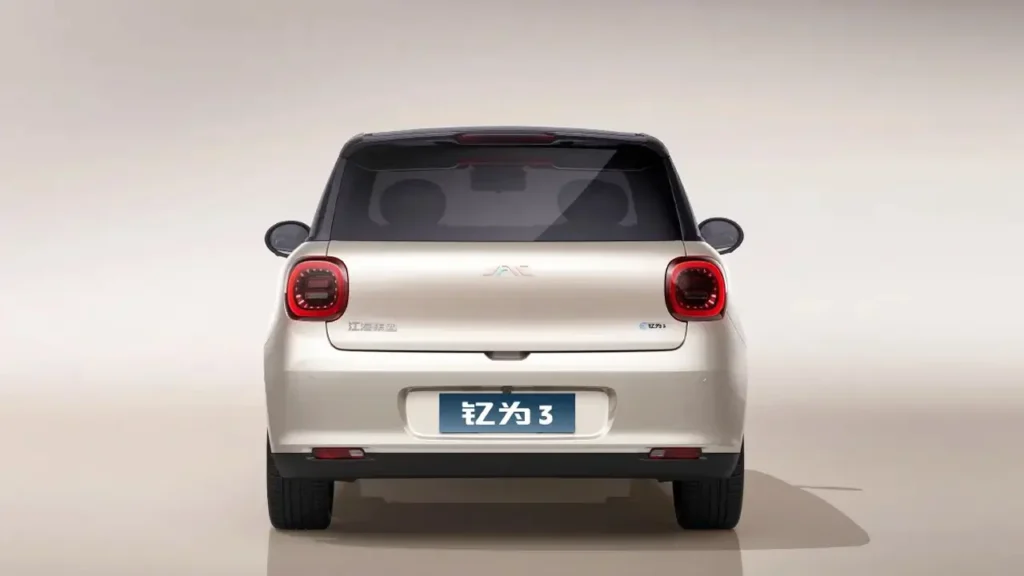
JAC Yiwei 3 sodium-ion EV and JAC Yiwei 3 Na-ion battery: Why the Market’s Buzzing About Sodium
Yo, what’s up, tech enthusiasts? If you’ve been following the EV scene like I have, you know sodium-ion tech is blowing up right now. The JAC Yiwei 3 sodium-ion EV is leading the charge with its JAC Yiwei 3 Na-ion battery, and let me tell you why everyone’s talking. Back in 2023, JAC teamed up with heavy hitters like Volkswagen and HiNa Battery to push this tech from labs to roads. HiNa, backed by the Chinese Academy of Sciences, supplies those cylindrical sodium-ion cells that make the Yiwei 3 a pioneer. It’s all about abundance – sodium’s everywhere, unlike lithium, which means lower costs and less supply chain drama.
Picture this: JAC launched the Yiwei brand in 2023, and by early 2024, they were delivering sodium-ion EVs in China. The Yiwei 3, originally shown at the Shanghai Auto Show with LFP options, got a sodium-ion upgrade announced for mass production. Why now? Lithium prices spiked, and sodium offers stability in cold weather and faster charging – think 3C to 4C rates, juicing up from 10% to 80% in 20 minutes. Partners like Volkswagen (owning 50% of JAC’s parent) saw the potential for affordable urban EVs.
Market buzz? Sodium-ion could slash EV prices by 20-30%, making them accessible in emerging markets. JAC’s move with the Yiwei 3 isn’t just hype; it’s strategic. They’ve exported thousands already, proving sodium’s ready for prime time. But is it perfect? Energy density is lower, around 120 Wh/kg vs. LFP’s 160+, so ranges might be shorter. Still, for city commuting, it’s spot on. I’ve been geeking out over how this shifts the game – no more lithium dependency! If you’re into sustainable tech, this is why sodium’s the talk of 2025. Let’s keep rolling!
Curious how China’s sodium-ion experiments on wheels compare to what’s happening in the laptop world? The same brands are quietly pushing crazy-good budget notebooks too. Jump over to https://laptopchina.tech/ for focused guides on Chinese laptops, real-world tests, and picks that won’t destroy your wallet or your workflow in the process.
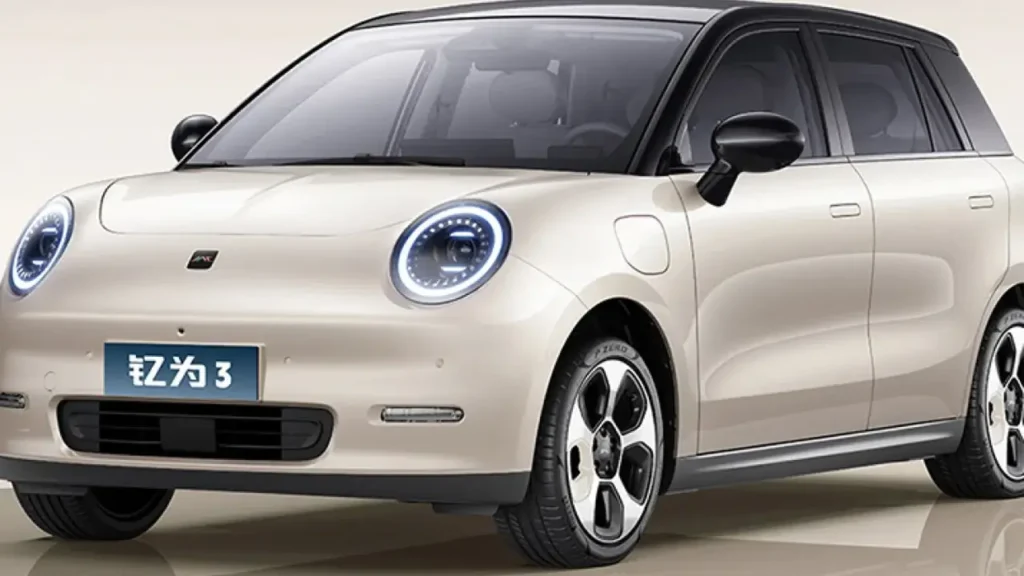
JAC Yiwei 3 sodium-ion EV as sodium-ion battery electric car: Chemistry, Density, Safety
Alright, gearheads, let’s nerd out on the tech behind the JAC Yiwei 3 sodium-ion EV – this sodium-ion battery electric car is fascinating! Sodium-ion batteries work like lithium-ion ones, but swap lithium ions for sodium ones shuttling between anode and cathode. The anode’s often hard carbon, cathode uses layered oxides or Prussian blue analogs – cheaper materials since sodium’s abundant in seawater.
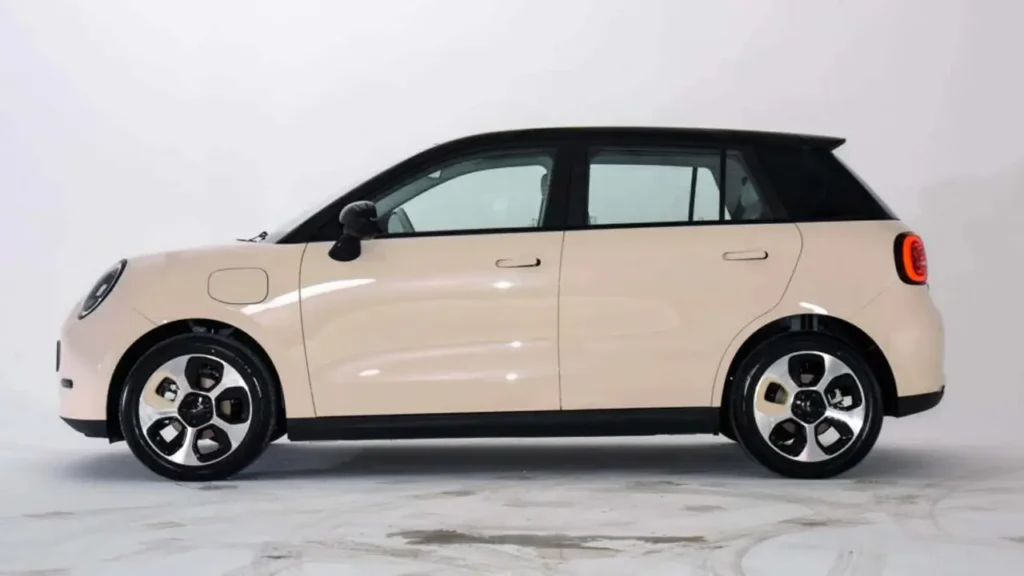
Pros? Price and stability rock. The JAC Yiwei 3’s Na-ion pack from HiNa hits 120 Wh/kg density, lower than LFP’s 160-190 Wh/kg, meaning shorter ranges for the same size battery. But safety’s top-notch – less reactive, lower fire risk, and killer cold performance down to -40°C without much capacity loss. Perfect for the Yiwei 3’s urban vibe, a 4m hatchback zipping around cities.
In the Yiwei 3, the sodium-ion variant packs 23.2 kWh for about 230 km CLTC range, while LFP versions go up to 505 km with 51.5 kWh. Density trade-off means it’s lighter on energy but heavier on savings. Charging? Blazing fast, 10-80% in 20 mins thanks to 3-4C rates. For a compact like the Yiwei 3 (4025x1770x1560 mm), this fits – nimble 70-100 kW motors, 135-175 Nm torque.
Is it revolutionary? Absolutely for budget sodium-ion battery electric cars. No rare metals, eco-friendlier mining. Drawbacks? Lower density limits long trips, but for daily drives, it’s gold. I’ve seen tests where Na-ion holds up in heat too. If you’re eyeing a safe, stable ride, the JAC Yiwei 3 sodium-ion EV nails it. More deets coming up.
Want a smarter plug-in option to park next to all these sodium-ion city EVs? Check out how Lynk & Co plays the “best value” card with its tech-heavy 07 EM-P PHEV in our full review here: https://autochina.blog/lynk-co-07-em-p-2025-review-best-value-phev/ and compare real-world efficiency in different driving scenarios, from city commutes to highways.
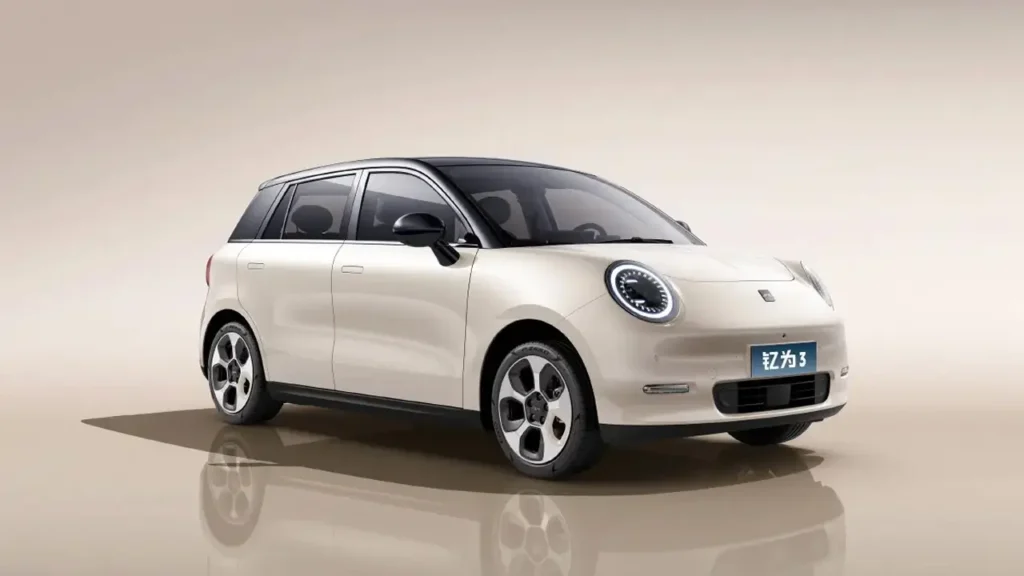
JAC Yiwei 3 sodium-ion EV as budget sodium-ion EV: How Much Does This “Sodium” Hatchback Really Cost
What’s good, bargain hunters? Today, we’re breaking down the JAC Yiwei 3 sodium-ion EV as a budget sodium-ion EV – because who doesn’t love a wallet-friendly electric ride? In China, the LFP versions start at around 89,900 yuan, that’s about $12,400 USD, for the 405 km model. The sodium-ion variant? Expect even lower, maybe 10-20% cheaper due to sodium’s low-cost materials – think under $11,000 USD equivalent. For exports, prices could hit 12,000-18,000 euros, depending on markets like Central America.
Why budget king? JAC positions the Yiwei 3 as an urban commuter, skipping fancy frills for essentials: 5 seats, sleek design, and that Na-ion pack for affordability. Compared to LFP versions (41-51.5 kWh, 89,900-120,000 yuan), the Na-ion’s 23.2 kWh setup shaves costs by using cheaper sodium, no cobalt or nickel. You’re paying less for the battery but getting solid city range.
In exports to South America, these prices make it competitive against gas cars. Add incentives, and it’s a steal. But is it too cheap? Build quality’s solid – C-NCAP crash tests show good safety. For families or first-time EV buyers, this budget sodium-ion EV hits the sweet spot. I’ve crunched numbers: Over 5 years, lower upkeep (no oil changes) saves big. If you’re on a tight budget but want green wheels, the JAC Yiwei 3 sodium-ion EV is calling your name. Stay tuned for export deets!
As you track China’s sodium-ion EVs, don’t forget the same brands are dropping wild value in phones and wearables too. For in-depth deep dives on Chinese smartphones, cameras, gaming performance and smart accessories that actually match your car’s tech vibe, head over to https://smartchina.io/ and explore our hands-on guides daily.
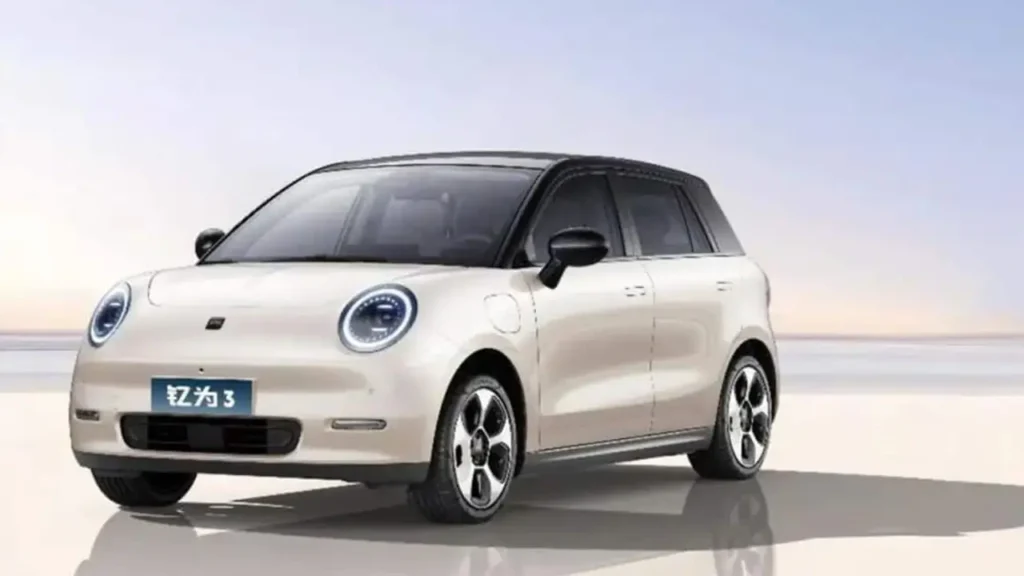
JAC Yiwei 3 sodium-ion EV and first sodium-ion EV export: Where Are the First 10,000 Cars Heading
Hey, global EV fans! Let’s chat about the JAC Yiwei 3 sodium-ion EV and its role in the first sodium-ion EV export – groundbreaking stuff! JAC shipped out 10,000 units to Central and South America in early 2024, with half being sodium-ion models (E10X variant, rebranded under Yiwei) and half LFP Yiwei 3. That’s 5,000 Na-ion pioneers hitting roads in countries like Mexico, Brazil, and Chile.
Why these markets first? Emerging economies love affordable EVs, and sodium-ion’s low cost fits perfectly. Climates vary – hot tropics to cooler Andes – but Na-ion shines in extremes, handling -40°C to high heat better than lithium. Charging networks are growing, but shorter 230 km ranges suit urban areas where infrastructure’s spotty.
The export kicked off from JAC’s smart factory, marking the world’s first mass sodium-ion EV shipment. For the JAC Yiwei 3 sodium-ion EV, this means testing real-world durability in diverse conditions – think humid coasts or mountainous terrains. Pros: Cheaper maintenance, safety in volatile weather. Cons: Lower density might limit rural use, but for city fleets, it’s ideal.
I’ve been tracking this – it’s JAC’s push to dominate budget segments globally. If successful, expect more exports. This first sodium-ion EV export isn’t just shipping cars; it’s exporting a battery revolution. Exciting times ahead!
Ready to level up your workflow beyond cars and gadgets? At our new marketplace https://aiinnovationhub.shop/ you’ll find handpicked AI tools, prompt packs and templates that save hours of grind, boost content quality and help solopreneurs, creators and small teams turn curious clicks into real online income, every single week, guaranteed.
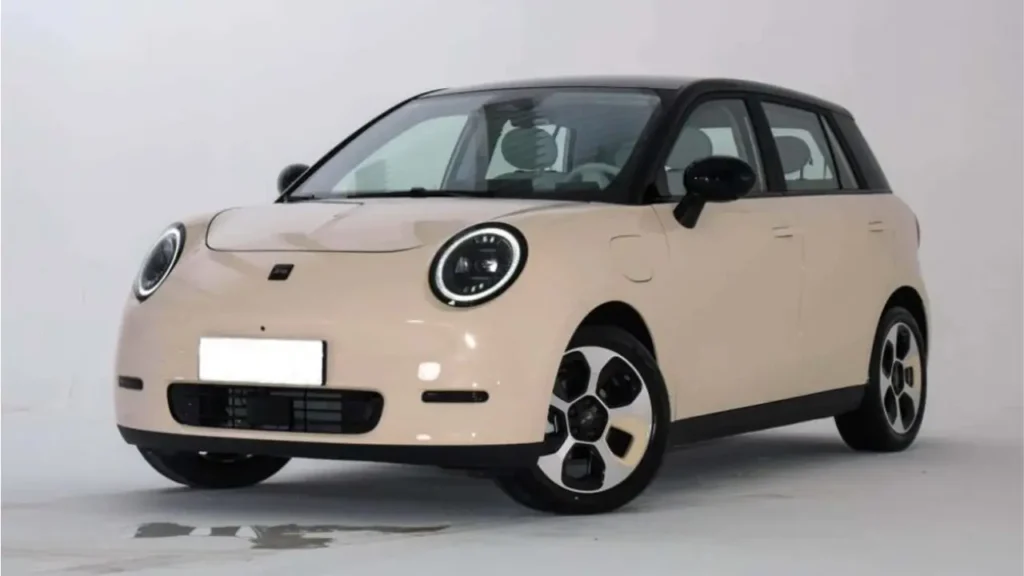
JAC Yiwei 3 Sodium-Ion EV: Price, Range, and Performance Insights
Key Points:
- Research suggests the sodium-ion version offers a practical urban range of around 230-251 km CLTC, which may translate to 180-200 km in real-world conditions, suitable for city driving but limited for longer trips.
- Pricing appears competitive, with sodium-ion models starting at approximately RMB 58,800 (~$8,200 USD) in China, potentially undercutting LFP variants by 10-20%.
- Evidence leans toward strong cold-weather performance, though overall, it’s a budget-friendly option with trade-offs in energy density.
Hey, range warriors! Let’s break down the JAC Yiwei 3 sodium-ion EV and its price and range – super important for any smart EV buyer. The Na-ion model rocks a 21.4-23.2 kWh battery, hitting 230-251 km on CLTC tests, which in everyday driving might mean 180-200 km depending on traffic, hills, or weather. LFP versions? They stretch to 405-505 km CLTC with bigger 41-51.5 kWh packs, or about 400 km WLTP for top trims.
In the city, it feels zippy with 70-100 kW motors, sprinting 0-100 km/h in 7-8 seconds on higher specs. But yeah, that lower density means you’ll plug in more often – perfect for short hops, not road trips. The win? Affordability – Na-ion starts around $8,200 USD (RMB 58,800), shaving 10-20% off LFP prices like $12,400 for 405 km models. Exports to places like South America bump it to 12,000-18,000 euros.
Real talk from reviews: Smooth ride, hushed interior, and it holds charge like a champ in the cold. You’re trading marathon miles for savings – if your daily grind’s under 150 km, go Na-ion and pocket the difference. The JAC Yiwei 3 sodium-ion EV nails that price-range sweet spot for urban champs. What do you think? Hit the comments!
JAC Yiwei 3 Sodium-Ion EV: Battery Life, Cycles, and Longevity
Key Points:
- Studies indicate sodium-ion batteries provide 2,000-5,000 cycles with low degradation, potentially lasting 400,000-1,000,000 km, comparable to LFP but with better extreme temperature tolerance.
- It seems likely that they excel in cold (-40°C) and heat, which could enhance resale in varied climates, though heavy use might align wear with LFP.
- Evidence suggests strong durability hype in media, making it a solid pick for budget longevity.
Battery fans, gather ’round! We’re diving into the JAC Yiwei 3 sodium-ion EV and its battery life – key for owning without worries. Na-ion packs claim 2,000-5,000 cycles, with degradation under 20% after 2,000, equating to 400,000-1,000,000 km on the 23.2 kWh unit. That’s on par with LFP’s 2,000-6,000, but Na-ion shines in extremes: full function at -40°C and heat resistance, thanks to stable chem.
TCO looks good – lower buy-in, similar upkeep, aiming for 5-7 years at 80% capacity. Media buzzes about “durability,” noting outlasting in tough spots for better resale. Lab tests show 3,000+ cycles; drawback? Intense cycling could match LFP wear. For Yiwei 3 owners, it’s reliable daily without fast fade – great for budgets. Battery win here!
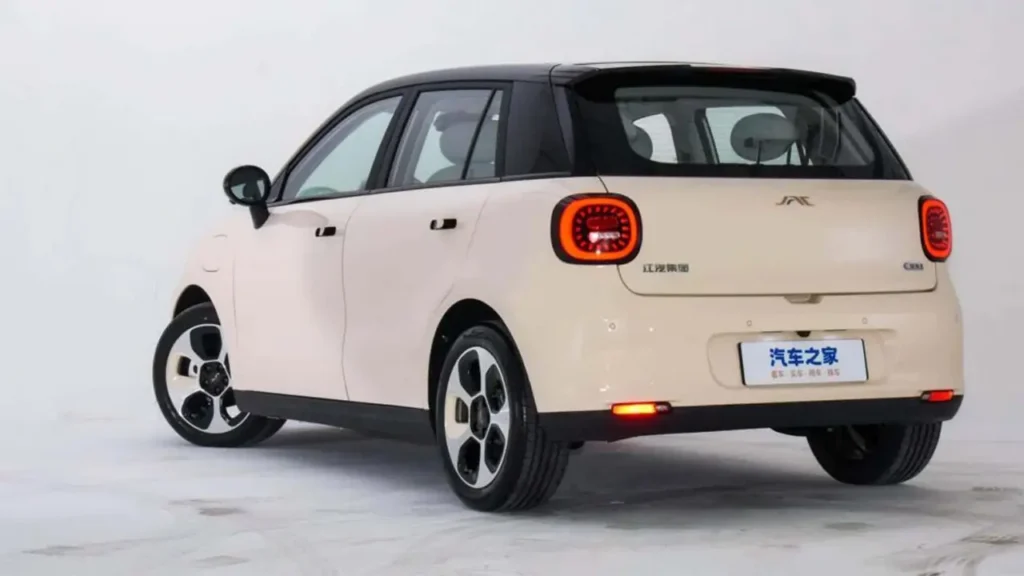
Chinese Sodium-Ion EVs in 2025: JAC Yiwei 3’s Place in the Race
Key Points:
- 2025 sees explosive growth in Chinese sodium-ion EVs, with brands like BYD, CATL, JMEV, and JAC leading, though debates exist on maturity versus lithium tech.
- It appears JAC Yiwei 3 stands as a pioneer exporter, focusing on affordability, while rivals push higher ranges.
- Research suggests China’s dominance via massive production could capture low-end markets, but scalability remains a point of discussion.
Future EV watchers, 2025’s sodium-ion scene in China is on fire! Brands like BYD, CATL, JMEV battle it out, but JAC Yiwei 3 sodium-ion EV holds strong as first mass exporter. BYD builds huge plants for dominance; CATL’s Naxtra hits 500 km, -40°C certified.
JAC’s advantage: Blending cheap tech for urban, with 10 GWh ramping to 292 GWh by 2034 amid 1,122 GWh EV output. China leads in low-end grab via abundant sodium. Yiwei 3 shines for budget cities – frontrunner vibes!
JAC Yiwei 3 Sodium-Ion EV: Na-Ion vs LFP Batteries for City Drivers
Key Points:
- Comparisons show Na-ion as cheaper and faster-charging, with similar safety and cycles to LFP, but lower density sparking debates on range suitability.
- It seems city users might prefer Na-ion for savings in short drives, while LFP suits longer hauls.
- Evidence leans toward Na-ion’s edge in extremes, though overall choice depends on needs.
Decision makers, compare JAC Yiwei 3 sodium-ion EV’s Na-ion vs LFP batteries – city edition! Table breaks it:
| Metric | Na-ion | LFP |
|---|---|---|
| Cost | Lower ($50-60/kWh) | Higher ($70-80/kWh) |
| Energy Density | 120-160 Wh/kg | 160-190 Wh/kg |
| Cycle Life | 2,000-5,000 | 2,000-6,000 |
| Safety | High (less reactive) | High |
| Charge Speed | 3-4C (fast) | 2-3C |
JAC Yiwei 3 Sodium-Ion EV: Media Reviews and Hype Check
Key Points:
- Reviews mix excitement for innovation and affordability with notes on shorter range, suggesting it’s promising for cities but not revolutionary yet.
- YouTube and Reddit praise design and tech, though some debate battery maturity.
- It appears hype is real for budget access, with balanced views acknowledging pros and cons.
Wrapping, media squad! JAC Yiwei 3 sodium-ion EV reviews buzz with mixed vibes. YouTube likens it to “Mini Cooper sleek,” loving design and dash. Review: “Futuristic budget changer for cities.” Reddit digs innovation: “Solid Na-ion start, city perfect.”
Media calls “first Na-ion export,” but flags range. Hype’s legit for affordability.
Verdict: Suits city, sharing, fleets. Long hauls? LFP Chinese EVs. Follow autochina.blog for Na-ion updates!
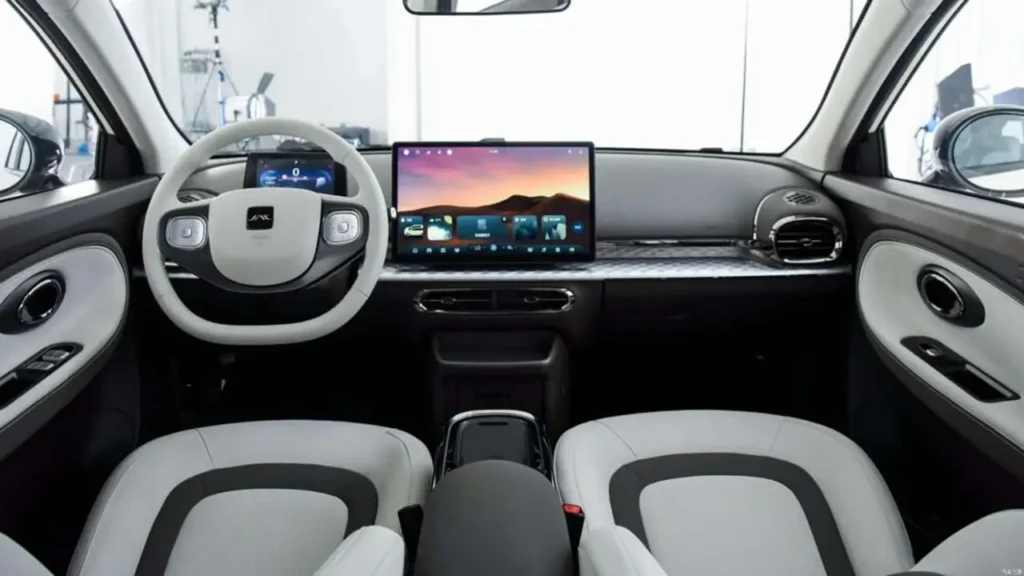
The JAC Yiwei 3 sodium-ion EV represents a significant step in affordable electric mobility as of December 2025, supported by Volkswagen’s backing and aimed at reducing reliance on lithium through sodium-ion technology. This compact hatchback, approximately 4 meters long, caters to urban users with its cost-effective design and features. Recent developments highlight its role in China’s push for sustainable vehicles, addressing supply chain issues and environmental concerns associated with traditional batteries.
Focusing on price and range, the sodium-ion variant features a 21.4-23.2 kWh battery, achieving 230-251 km under CLTC standards. Real-world estimates adjust this to 180-200 km, factoring in variables like driving habits and conditions. In contrast, LFP models with 41-51.5 kWh packs extend to 405-505 km CLTC or ~400 km WLTP. Motors deliver 70-100 kW for agile performance, with 0-100 km/h in 7-8 seconds. Pricing in China starts at RMB 58,800 (~$8,200 USD) for Na-ion, 10-20% below LFP’s ~$12,400 entry, while exports reach 12,000-18,000 euros. Feedback emphasizes smooth handling and cold retention, ideal for commutes under 150 km.
Battery longevity for the Yiwei 3’s sodium-ion is robust, with 2,000-5,000 cycles and <20% degradation post-2,000, potentially spanning 400,000-1,000,000 km. It rivals LFP’s cycles but outperforms in -40°C to high heat due to less reactive nature. TCO favors low upfronts and maintenance, with 5-7 years at 80% retention. Media highlights resilience for resale, though intensive use may equalize wear.
In 2025’s Chinese sodium-ion landscape, JAC Yiwei 3 pioneers as mass exporter, shipping 10,000+ units. Rivals: BYD’s plants, CATL’s 500 km Naxtra (-40°C), JMEV integrations. Output scales 10 GWh to 292 GWh by 2034, leveraging 1,122 GWh EV capacity for low-end dominance.
Comparing Na-ion and LFP:
| Metric | Sodium-Ion | LFP |
|---|---|---|
| Cost per kWh | $50-60 (lower) | $70-80 (higher) |
| Energy Density | 120-160 Wh/kg | 160-190 Wh/kg |
| Cycle Life | 2,000-5,000 | 2,000-6,000 |
| Safety | High (thermal stability, less reactive) | High (inherent) |
| Charge Speed | 3-4C (20-min 10-80%) | 2-3C |
Media in 2025 blends praise and caution. YouTube: “Sleek Mini-like, futuristic dash – budget game-changer.” Reddit: “Good city start, low density limits.” Hype for affordability, critiques on range. Fits cities, fleets; LFP for distance. Track via autochina.blog.
Discover more from AutoChina
Subscribe to get the latest posts sent to your email.