When BYD’s rugged sub-brand Fang Cheng Bao unveiled the Super 3 concept, it turned heads with its bold, boxy design and futuristic features. Now, the production version—known simply as the Bao 3—has arrived, and it’s packed with innovations that make it one of the most intriguing electric SUVs on the market today. From a roof-mounted drone system to a pedestrian-friendly bumper display, the Fang Cheng Bao Bao 3 production specs reveal a vehicle that’s as tech-forward as it is adventure-ready.
In this comprehensive guide, we’ll explore everything you need to know about the Bao 3 electric SUV specs, including its dimensions, powertrain options, battery technology, and the standout features that set it apart from conventional EVs. Whether you’re an EV enthusiast, a tech lover, or someone shopping for a capable electric SUV, this deep dive into the Fang Cheng Bao Bao 3 production specs will give you all the details.
Design & Exterior Innovations — Bao 3 Electric SUV Specs Highlights
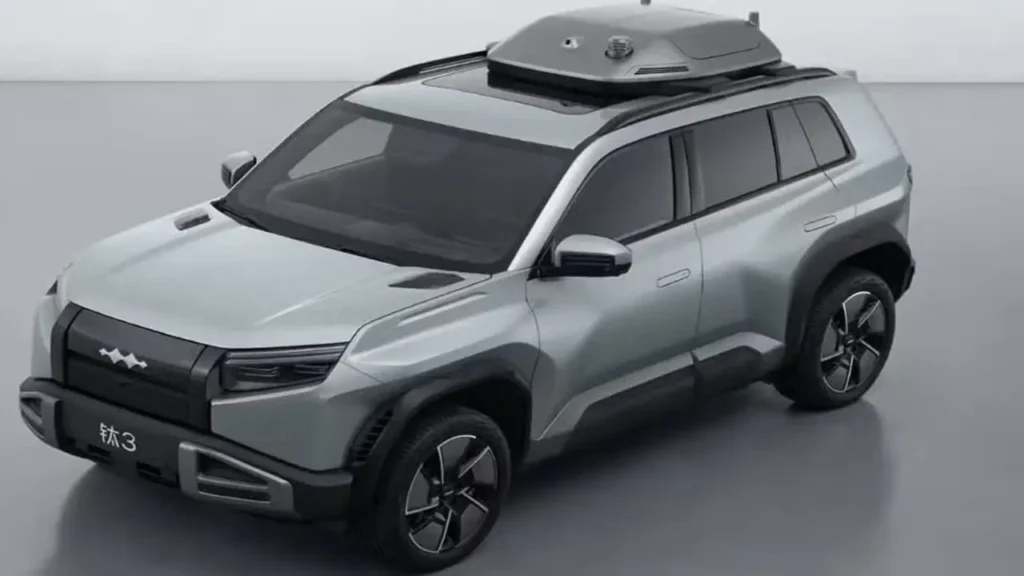
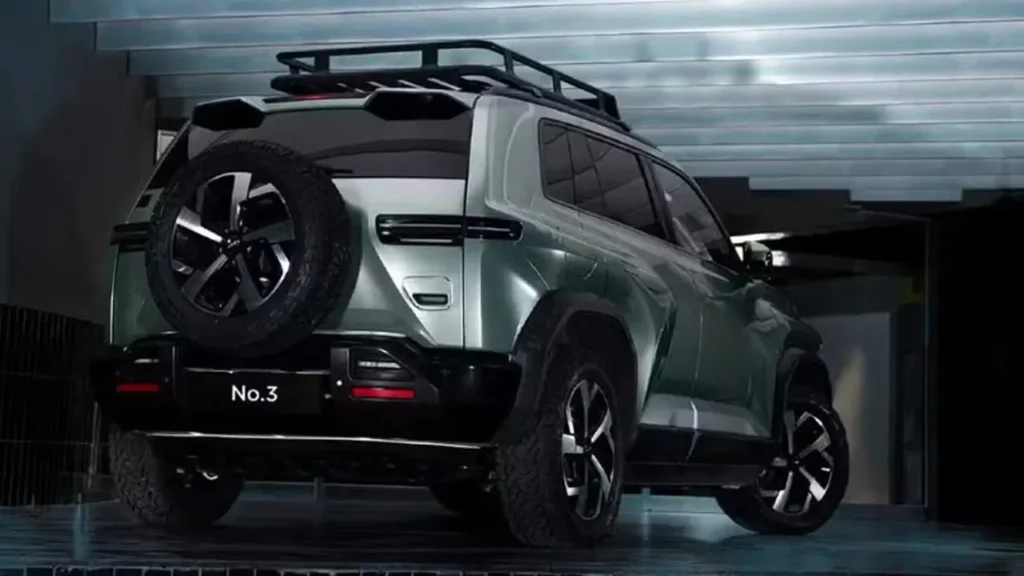
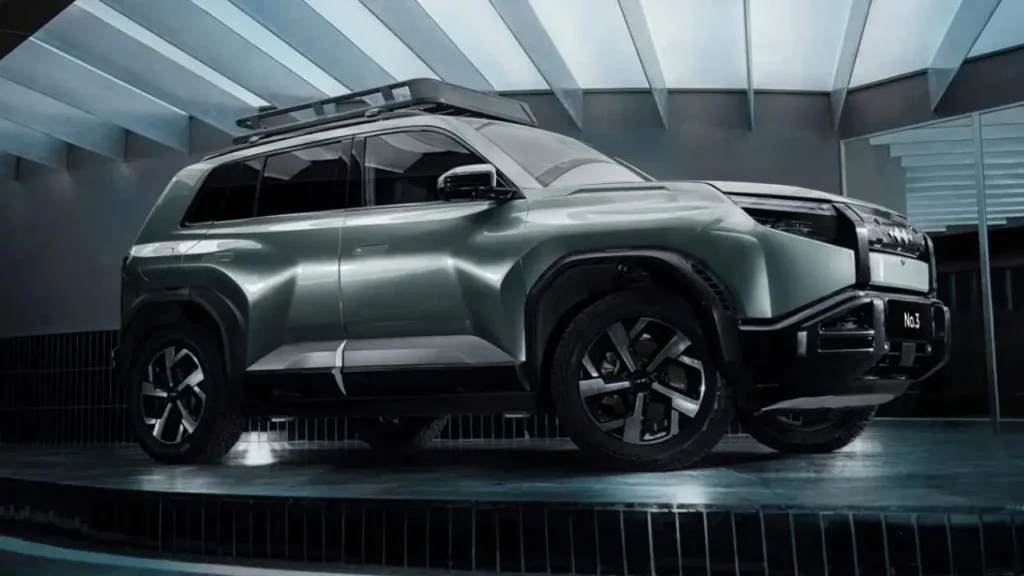
The Fang Cheng Bao Bao 3 embraces a retro-modern aesthetic that recalls classic boxy SUVs while incorporating cutting-edge technology. The design language is deliberately rugged, with sharp lines, prominent wheel arches, and a commanding road presence that signals this vehicle is ready for both urban streets and off-road adventures.
One of the most talked-about features is the Bao 3 roof-mounted drone system. This isn’t just a gimmick—it’s a fully integrated DJI Lingyuan drone that nests in a dedicated compartment on the roof. The drone can be deployed for aerial photography, scouting terrain ahead during off-road excursions, or simply capturing family adventures from unique angles. The roof compartment is weather-sealed and connects to the vehicle’s power system, allowing the drone to charge while stored.
Another eye-catching innovation is the Bao 3 bumper display for pedestrians. Mounted on the front bumper, this LED display panel can show custom messages, warnings, or even emojis to communicate with pedestrians and other drivers. Imagine being able to apologize for cutting someone off or thank another driver for letting you merge—all through a programmable front display. This feature adds a layer of interaction and personality that’s rarely seen in the automotive world.
The exterior also features robust protection elements including reinforced bumpers, skid plates, and generous ground clearance. LED lighting is used throughout, with distinctive headlight and taillight signatures that make the Bao 3 instantly recognizable. The available two-tone paint schemes emphasize the vehicle’s adventurous character, with contrasting roof colors adding visual interest.
Dimensions and Weight — Bao 3 Dimensions and Weight
Understanding the Bao 3 dimensions and weight is essential for appreciating how this electric SUV fits into the market. The production model maintains a substantial footprint that provides excellent interior space while remaining manageable for everyday driving.
| Dimension | Measurement |
|---|---|
| Length | 4,605 mm (181.3 inches) |
| Width | 1,900 mm (74.8 inches) |
| Height | 1,720 mm (67.7 inches) |
| Wheelbase | 2,745 mm (108.1 inches) |
| Curb Weight | Approximately 2,150 kg (4,740 lbs) |
| Ground Clearance | 200+ mm (7.9+ inches) |
The generous wheelbase of 2,745 mm translates to excellent legroom for both front and rear passengers, while the boxy design maximizes headroom and cargo capacity. Despite its substantial size, the Bao 3 maintains relatively compact proportions compared to full-size SUVs, making it more maneuverable in tight urban environments.
The curb weight of approximately 2,150 kg reflects the vehicle’s robust construction and the mass of its battery pack. While this is certainly not lightweight, it’s competitive within the electric SUV segment, and the weight distribution has been optimized to maintain good handling characteristics.
Powertrain Overview — Bao 3 Dual Motor Powertrain & Fang Cheng Bao AWD Performance
The Bao 3 dual motor powertrain represents one of the vehicle’s most compelling aspects, offering configurations to suit different needs and budgets. Fang Cheng Bao offers the Bao 3 in both rear-wheel drive (RWD) and all-wheel drive (AWD) variants, each with distinct performance characteristics.
The RWD configuration features a single electric motor mounted at the rear axle, delivering approximately 200 kW (268 horsepower). This setup provides spirited performance while maximizing efficiency and range. The rear-motor layout also contributes to better weight distribution and a more traditional driving feel that many drivers appreciate.
For those seeking maximum capability, the Fang Cheng Bao AWD performance variant adds a front motor to create a dual-motor all-wheel-drive system. The combined output reaches approximately 380 kW (510 horsepower), enabling impressive acceleration and all-weather traction. According to official specifications, the AWD model can sprint from 0 to 100 km/h (0-62 mph) in just around 4.8 seconds—performance that rivals many sports cars.
| Variant | Power Output | 0-100 km/h | Drive Type |
|---|---|---|---|
| RWD Standard | 200 kW (268 hp) | ~6.9 seconds | Rear-Wheel Drive |
| AWD Performance | 380 kW (510 hp) | ~4.8 seconds | All-Wheel Drive |
The AWD system doesn’t just provide straight-line speed—it also enhances off-road capability by distributing torque to the wheels with the most traction. Combined with the vehicle’s generous ground clearance and robust suspension, the Fang Cheng Bao AWD performance makes the Bao 3 genuinely capable on rough terrain, living up to the brand’s adventure-oriented positioning.
Battery & Range — Bao 3 Battery Range and Charging with Blade Battery
At the heart of the Fang Cheng Bao Bao 3 electric SUV specs lies BYD’s renowned Blade battery technology. The Fang Cheng Bao Blade battery technology utilizes lithium iron phosphate (LFP) chemistry, manufactured by BYD’s FinDreams battery division. This battery type has gained recognition for its exceptional safety profile, thermal stability, and long cycle life.
The Blade battery’s unique cell-to-pack design eliminates traditional modules, allowing for more efficient packaging and increased energy density compared to conventional LFP batteries. The cells are arranged in a blade-like configuration—hence the name—which provides excellent structural rigidity while maximizing usable capacity within the available space.
The Bao 3 battery range and charging specifications vary slightly depending on the chosen configuration. The standard battery pack offers a CLTC-rated range of approximately 501 kilometers (311 miles). It’s important to note that CLTC (China Light-duty Vehicle Test Cycle) figures tend to be more optimistic than EPA or WLTP ratings, so real-world range in varied conditions would likely fall somewhere between 400-450 kilometers (250-280 miles) depending on driving style, terrain, and weather conditions.
Charging capabilities are impressive, with the Bao 3 supporting DC fast charging at up to 237 kW peak power. Under optimal conditions, this allows the battery to charge from 30% to 80% in approximately 25 minutes—perfect for road trip quick stops. For home charging, the vehicle supports AC charging at up to 11 kW, which can fully replenish the battery overnight.
| Battery Specification | Details |
|---|---|
| Battery Type | BYD Blade LFP (FinDreams) |
| Usable Capacity | ~71.8 kWh |
| CLTC Range | 501 km (311 miles) |
| DC Fast Charging | Up to 237 kW |
| 30-80% Charge Time | ~25 minutes (DC fast charge) |
| AC Charging | Up to 11 kW |
The LFP chemistry’s tolerance for frequent charging to 100% without significant degradation is a practical advantage for daily use. Unlike some lithium-ion batteries that benefit from staying between 20-80% charge, Blade battery owners can regularly charge to full capacity without worrying about accelerated battery aging.
Tech & Safety — Advanced Systems in the Bao 3
Modern EVs are as much about technology as they are about electrification, and the Fang Cheng Bao Bao 3 doesn’t disappoint. The vehicle comes equipped with BYD’s DiPilot 100 advanced driver assistance system, which includes the “God’s Eye C” vision system—a suite of cameras and sensors that enable comprehensive environmental awareness.
DiPilot 100 offers features including adaptive cruise control, lane keeping assist, automatic emergency braking, blind-spot monitoring, and traffic sign recognition. While not fully autonomous, these systems significantly reduce driver workload during highway journeys and enhance safety in urban environments.
The Bao 3 also features an adaptive air suspension system that can adjust ride height based on driving conditions. When tackling rough terrain, the suspension can raise the vehicle for maximum ground clearance. On highways, it can lower the body to reduce aerodynamic drag and improve efficiency. The system also adapts damping rates in real-time to balance comfort and handling.
Another sophisticated feature is the iTAC (intelligent Torque Adaption Control) system, which works in conjunction with the AWD powertrain to optimize traction in challenging conditions. iTAC can adjust torque distribution between the front and rear axles up to 50 times per second, ensuring maximum grip whether you’re navigating muddy trails, snowy roads, or wet pavement.
The interior features a large central touchscreen (approximately 15.6 inches) running BYD’s latest infotainment system, which supports over-the-air updates, voice control, smartphone integration, and a comprehensive suite of connected services. A digital instrument cluster provides customizable displays for vehicle information, navigation, and driver assistance features.
Safety equipment is comprehensive, with multiple airbags, stability control, traction control, and a reinforced safety cell designed to protect occupants in the event of a collision. The battery pack itself is protected by robust underbody shields that guard against impact damage from rocks or debris.
Drone and Interactive Features — Bao 3 Roof-Mounted Drone System & Pedestrian Messaging Display
What truly sets the Fang Cheng Bao Bao 3 apart from conventional electric SUVs are its unique interactive features. The Bao 3 roof-mounted drone system represents a genuine first in the automotive industry—a factory-integrated aerial companion that extends the vehicle’s capabilities beyond traditional transportation.
The DJI Lingyuan drone sits in a weatherproof compartment integrated into the roof’s design. When not in use, it charges from the vehicle’s battery and remains protected from the elements. Deployment is straightforward: through the vehicle’s infotainment system, you can activate the compartment, which opens to reveal the drone ready for flight.
The drone connects to the Bao 3’s systems, allowing you to control it through the main touchscreen or a dedicated controller. Live video feed from the drone’s camera can be displayed on the vehicle’s screen, enabling applications like scouting the trail ahead during off-road adventures, capturing aerial footage of scenic drives, inspecting the roof or hard-to-see areas of the vehicle, or even providing a bird’s-eye view when parking in tight spaces.
Flight time and capabilities depend on the specific drone configuration, but the integration with the vehicle ensures you always have a charged drone ready to go. This isn’t just a storage solution—it’s a fully integrated system that extends your adventuring capabilities in ways traditional vehicles simply cannot match.
The Bao 3 bumper display for pedestrians represents another innovative approach to vehicle communication. The LED matrix panel mounted in the front bumper can display preset messages, custom text, or graphical elements. Practical applications include warning pedestrians when the vehicle is about to move, displaying “thank you” messages to other drivers, showing humorous or friendly greetings, or even broadcasting safety warnings in emergency situations.
Through the vehicle’s app, owners can customize what the display shows, creating a level of personality and interaction that transforms the driving experience. While some might view this as frivolous, it represents a thoughtful attempt to improve communication in traffic situations where misunderstandings often lead to frustration or conflict.
These features position the Bao 3 as more than just transportation—it’s a mobile technology platform that embraces creativity and extends the boundaries of what a vehicle can do.
Trim Levels & Pricing — Fang Cheng Bao Tai 3 Pricing Variants
Understanding the Fang Cheng Bao Tai 3 pricing variants helps potential buyers identify which configuration best meets their needs and budget. The Bao 3 is offered in several trim levels, each building on the previous with additional features and capabilities.
The entry-level RWD variant provides the core Bao 3 experience with solid range, good performance, and most of the key technology features. This version targets buyers who prioritize efficiency and value while still wanting the distinctive design and innovative features that define the model.
Mid-range trims add the AWD powertrain for enhanced performance and capability, along with upgraded interior materials, additional driver assistance features, and enhanced audio systems. These variants strike a balance between capability and value, appealing to buyers who want strong performance without necessarily needing every available option.
The top-tier variant includes the integrated drone system, representing the full vision of what the Bao 3 can be. This version also typically includes premium interior appointments, advanced safety features, and the full suite of technology options.
| Trim Level | Key Features | Approximate Price (CNY) |
|---|---|---|
| RWD Standard | 200kW motor, standard tech, bumper display | ¥219,800 – ¥239,800 |
| AWD Performance | 380kW dual motors, enhanced interior, DiPilot 100 | ¥259,800 – ¥279,800 |
| AWD with Drone System | All AWD features plus integrated DJI drone, premium package | ¥289,800+ |
Pricing in the Chinese market positions the Bao 3 competitively within the electric SUV segment, undercutting many premium European and American rivals while offering comparable or superior technology and features. For international markets, pricing would likely be adjusted based on local market conditions, import duties, and competitive positioning, but the value proposition should remain strong.
It’s worth noting that Fang Cheng Bao positions itself as an adventure and technology-focused brand, so the pricing reflects not just the hardware but also the brand experience and innovative features that come with ownership.
Comparison With Concept — From Super 3 to Production Bao 3
When Fang Cheng Bao first revealed the Super 3 concept, it generated significant buzz with its bold design and futuristic features. Now that the production Bao 3 has arrived, it’s interesting to examine how the final product compares to that initial vision.
The overall design language has remained remarkably faithful to the concept. The boxy, retro-futuristic aesthetic translated well to production, with the sharp lines, prominent wheel arches, and commanding presence intact. Minor refinements for aerodynamics and manufacturing practicality were made, but the visual impact remains strong.
One area where the production model evolved is in the integration of practical features. While the concept showcased the drone system as a dramatic flourish, the production version refined the implementation, making it genuinely functional and user-friendly rather than just a showpiece. The roof compartment is more discreet and better sealed, the charging integration is seamless, and the control interface is intuitive.
The bumper display also evolved from concept to production. Early renderings showed a large, dramatic screen, while the production version opts for a more refined LED matrix that balances visual impact with practicality and cost-effectiveness. The functionality remains impressive, but the execution is more realistic for everyday use.
Interior refinements focused on ergonomics and material quality. While the concept emphasized dramatic styling, the production cabin prioritizes usability, comfort, and durability. The result is a space that feels premium and adventurous without sacrificing everyday livability.
Technical specifications remained largely consistent, with the powertrain options, battery capacity, and performance figures closely matching what was promised during the concept phase. This consistency demonstrates Fang Cheng Bao’s commitment to delivering on its promises rather than overinflating concept specifications only to disappoint with the production reality.
Perhaps most importantly, the production Bao 3 retained the spirit of innovation and adventure that made the Super 3 concept exciting. It’s not just another electric SUV—it’s a vehicle that embraces technology, creativity, and new ways of interacting with transportation.

Conclusion: Fang Cheng Bao Bao 3 production specs
The Fang Cheng Bao Bao 3 production specs represent more than just another entry in the rapidly expanding electric vehicle market. This vehicle demonstrates how automotive innovation can extend beyond traditional metrics of range, acceleration, and efficiency to embrace entirely new capabilities and forms of interaction.
The integration of the roof-mounted drone system and pedestrian communication display showcases a willingness to experiment with what a vehicle can be. These aren’t features that most buyers necessarily need, but they expand the possibilities of vehicle ownership in ways that inspire imagination and excitement.
From a practical standpoint, the Bao 3 delivers solid fundamentals: competitive range thanks to the reliable Blade battery technology, strong performance from efficient electric powertrains, genuine off-road capability from the AWD system and adaptive suspension, advanced safety and driver assistance through DiPilot 100, and spacious, comfortable accommodations for passengers and cargo.
The pricing strategy makes these innovations accessible rather than reserving them for ultra-premium segments. By positioning the Bao 3 in the mid-range electric SUV market, Fang Cheng Bao challenges established players to innovate rather than rest on conventional approaches.
For potential buyers, the Bao 3 represents an opportunity to own something genuinely different—a vehicle that combines practical electric transportation with distinctive style and unique capabilities. Whether you’re an outdoor enthusiast who’ll actually use the drone for trail scouting, a tech lover who appreciates innovation for its own sake, or simply someone who wants a capable electric SUV that stands out from the crowd, the Bao 3 offers compelling value.
As electric vehicles become increasingly mainstream, differentiation becomes crucial. The Fang Cheng Bao Bao 3 production specs show that there’s still room for creativity and innovation in this space. By thinking beyond traditional automotive boundaries and embracing new technologies, Fang Cheng Bao has created a vehicle that feels genuinely fresh and exciting.
Looking ahead, the Bao 3 may represent a glimpse of future trends in the automotive industry. As vehicles become more connected and integrated with other technologies, the lines between transportation, communication, and digital services will continue to blur. The Bao 3’s approach—treating the vehicle as a platform for innovation rather than just a means of getting from point A to point B—may become increasingly common as the industry evolves.
Whether the Bao 3 will achieve commercial success on a global scale remains to be seen, but its importance extends beyond sales figures. It demonstrates that automakers, particularly those from emerging markets like China, are willing to take risks and try new approaches. This spirit of innovation ultimately benefits consumers by expanding choices and pushing the entire industry forward.
For anyone interested in the future of electric vehicles, the Fang Cheng Bao Bao 3 production specs deserve attention. This is a vehicle that dares to be different, and in doing so, it reminds us that the electric revolution isn’t just about changing what powers our vehicles—it’s about reimagining what vehicles can do.
If you’re excited about smart tech shaping the future, don’t stop at electric vehicles. Innovation is moving fast in consumer electronics too. A great example is the TCL NxtPaper 14 Pro tablet — a device focused on eye comfort, productivity, and next-gen display technology. Full details here:
https://bestchinagadget.com/tcl-nxtpaper-14-pro-tablet/
Discover more from AutoChina
Subscribe to get the latest posts sent to your email.