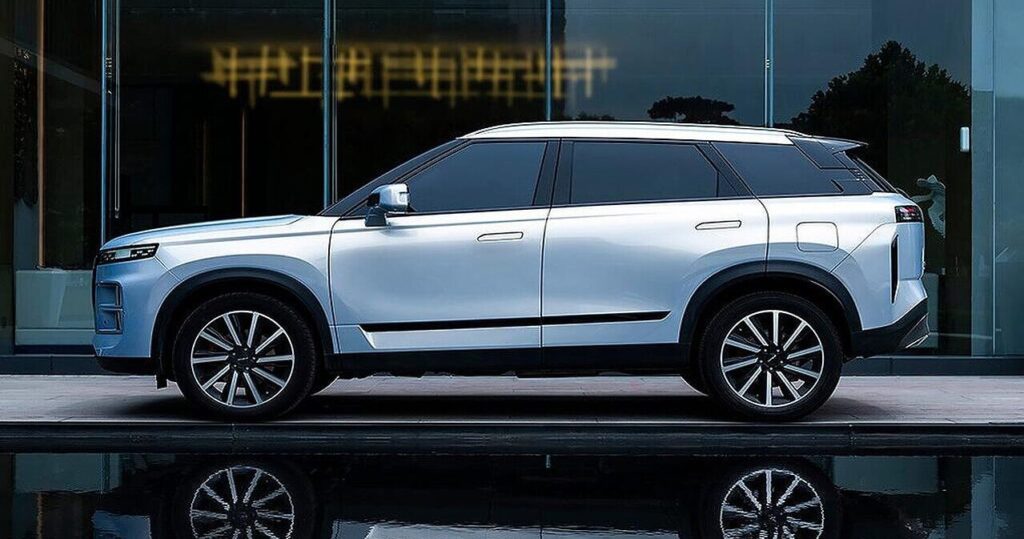
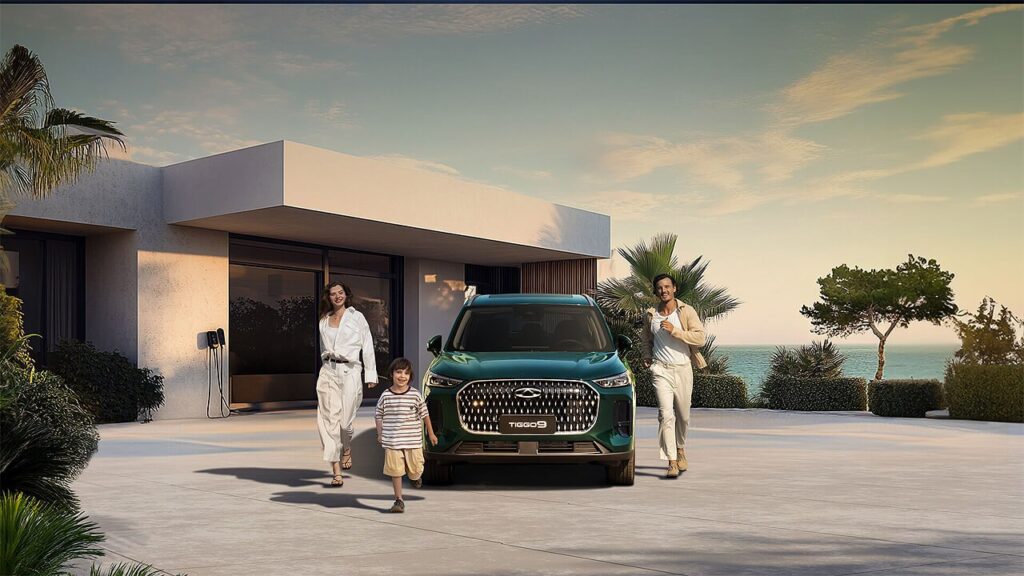
Introduction: Why Chinese Car Brands Dominate the Conversation in 2025
Chinese car brands are rewriting the global automotive narrative in 2025. Once associated primarily with affordable pricing and fledgling exports, Chinese automakers now stand at the forefront of cutting-edge innovation, particularly in electric vehicles (EVs), smart mobility, and digitalization. The shift is so profound that the phrase “best Chinese car brands” is no longer a compromise, but a strong value proposition for everyday buyers across the world, from the busy streets of Beijing and Dubai to the auto showrooms of Berlin and Sao Paulo.
As global supply chains recalibrate, and Western manufacturers struggle to match the explosive speed and scale of Chinese development, car buyers are increasingly drawn to top Chinese car brands for their blend of technology, cost-effectiveness, and reliability. In 2025, Chinese EV and hybrid adoption rates are soaring, new models reach the market in a third of the time of U.S. or EU rivals, and warranty or aftersales packages catch up with or exceed established players. This momentum is not just limited to China: Chinese automakers like BYD, Geely, Chery, and SAIC’s MG are now household names in Europe, Southeast Asia, South America, and the Middle East.
This post is crafted as a comprehensive guide for everyday car buyers wanting practical insight—not just buzzwords—about the top 10 best Chinese car brands in 2025. The selection balances sales data, export performance, technology leadership, user friendliness, EU/global presence, and real-world buyer experiences. Whether you’re curious about “BYD vs Geely” in the EV wars, aiming to compare the best Chinese SUVs, or just seeking your next reliable family car, this blog will steer you toward the best fit for your needs.
Do you want a smart assistant who plans the day, writes answers and reminds of cases? Go to our guide on AI-assistants: https://aiinovationhub.com/best-ai-personal-assistants-aiinnovationhub-com/
— Simple explanations, real cases and quick recommendations without water. Save page to bookmarks and choose the perfect assistant today. We compared functions, prices and scenarios from planning to sales.
Chinese Car Brands Comparison Table 2025
| Brand (Group) | Main Sub-brands | Notable models | EV line | EU/Global notes |
|---|---|---|---|---|
| SAIC Motor | MG, Roewe, IM Motors, Maxus | MG4 EV, MG ZS, Roewe D7 DMH | MG EV, Roewe EV, IM EV | MG is Europe’s top-selling Chinese brand; IM targets EU premium |
| Dongfeng | Aeolus, Venucia, Nano, Voyah | Aeolus eπ007, Nano 01, VOYAH FREE | Aeolus EV, Nano EV, Voyah EV | Strong Middle East & Africa presence; Voyah launches EU in 2025 |
| FAW Group | Hongqi, Bestune, Jiefang | Hongqi EHS5, Bestune T99 | Hongqi EV, Bestune EV | Hongqi EHS5 debuts in EU; Jiefang global truck leader |
| GAC Group | Trumpchi, Aion | Trumpchi GS8, Aion V, Aion Y | Aion EV | Aion launches in Finland; Trumpchi GS8 wins in Middle East, SEA |
| Changan Auto | UNI, CS, Avatr, Deepal | CS75 Plus, UNI-T, Deepal S09 | Avatr 12, Deepal EV | Deepal, Avatr enter Europe; strong budget and mid-tier exporters |
| BYD | BYD, Denza, Yangwang | Seal, Atto 3, Han, Dolphin | All-EV & plug-in hybrid lines | Europe factory in Hungary, Atto 3 and Seal top EU & LatAm rankings |
| Chery | Tiggo, Arrizo, Omoda, Jaecoo | Tiggo 8 Pro, Omoda 5, Arrizo 8 | Omoda E5, Jaecoo EV | Omoda & Jaecoo drive EU surge; double exports in 2024-2025 |
| Geely Auto | Geometry, Galaxy, Lynk & Co | Xingyue L, Galaxy L6, Zeekr 001 | Geometry, Zeekr, Galaxy EV | Zeekr, Lynk & Co, Polestar in EU; strong hybrid innovation |
| Great Wall | Haval, WEY, ORA, Tank | Haval Jolion, Tank 500, ORA 03 | Haval/ORA EV, WEY plug-ins | ORA in UK/EU; Haval leads in affordable SUVs |
| BAIC Group | BJEV, ARCFOX, Beijing Auto | ARCFOX αS, Beijing X7, BJ60 | ARCFOX, BJEV | ARCFOX launches αS5 robotaxi in EU; BJEV urban mobility focus |
This table provides a succinct, mobile-friendly glance at where each group stands in 2025, blending global model recognition with specific EV credentials and export highlights. Brands like SAIC’s MG or BYD tend to lead in EU sales and global branding, while Dongfeng, Chery, and Changan excel in emerging markets through strong value and service networks. In the EV segment, Aion (GAC), Zeekr (Geely), and ARCFOX (BAIC) target premium tech adopters, signaling just how far Chinese automakers have transformed their offerings for every buyer type.
Choose a Chinese car and get confused in brands? Our short guide will lay out everything according to the grids – models, EV-lines, who suits each brand and what to look for in 2025. Read the full top 10 here: https://autochina.blog/best-chinese-car-brands-2025-top-10/
and save the page to quickly compare options. Added tables, pros and cons, honest verdict and tips for beginners.
How We Selected the Best Chinese Car Brands for 2025
Buyer expectations have matured rapidly. The days of choosing a car solely on price are fading; in 2025, everyday buyers seek a nuanced balance—technology, safety, ownership experience, and global usability top the criteria. Here’s a summary of what shaped our Chinese car brands list:
- Sales/Export Strength: Ranking uses domestic sales, export volumes, and growth. Those with proven track records in China and robust expansion abroad (EU/UK/Eastern Europe, Middle East, LatAm, Africa, SEA) rise to the top.
- Everyday Buyer Relevance: Focus on brands with accessible models—affordable compacts, family SUVs, and reliable hybrids/EVs.
- Tech and Innovation: Prioritized advanced battery tech (like BYD Blade Battery), ADAS, infotainment, and EV/hybrid leadership.
- Ownership and Warranty: Extra weight given to generous factory warranties, service network breadth, and parts support.
- Real-World User Ratings: User testimony (from AutoChina.blog, Cartea Wiki, and review aggregators) on comfort, reliability, tech usability, and cost of ownership.
- Global Fit: Models and brands that have proven their worth outside China, adapting to local regulations, safety standards, and service expectations.
These criteria ensure the final list reflects the reality and diversity that buyers care about—something for every budget, lifestyle, and region. You’ll find “flagship” global players and value-centric brands delivering modern features at unbeatable prices.
The Top 10 Best Chinese Car Brands of 2025
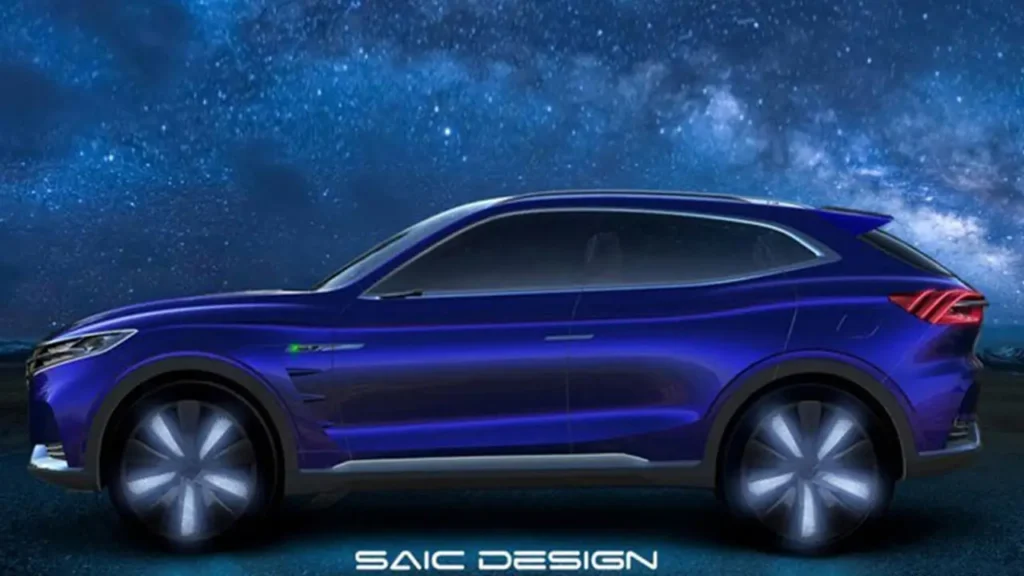
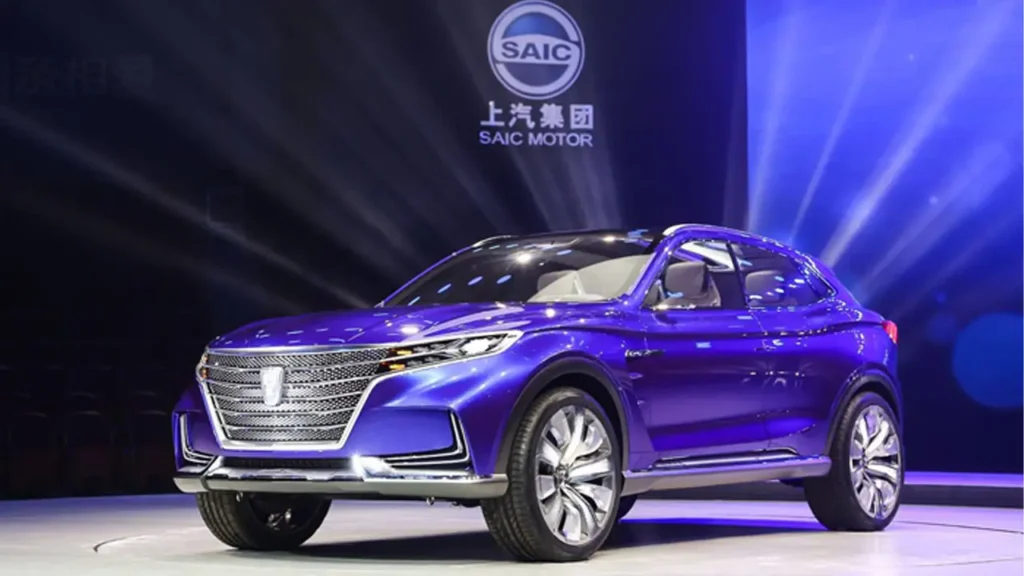
1. SAIC Motor: Heritage Meets Global Ambition
Target Audience: Value-focused and tech-savvy buyers in Europe, the Middle East, and Asia-Pacific—especially young families and urban commuters seeking a robust service network.
Main Sub-brands: MG (global), Roewe (domestic and select exports), IM Motors (premium EV), Maxus (commercial, people movers)
Top Models: MG4 EV, MG ZS, Roewe D7 DMH, IM L6, Maxus Mifa 9
Key Features: SAIC Motor, a Fortune Global 500 company for 21 years, stands as China’s largest automaker by capacity and among the top in sales, with a reported 2.053 million units sold in the first half of 2025 alone—a 12.4% increase year-over-year. The group excels in self-operated brands (like MG and Roewe), which now account for over 63% of volume. The MG brand, in particular, is Europe’s most successful Chinese export, thanks to its upmarket but affordable EVs and SUVs.
In 2025, SAIC’s product blitz includes over 10 new models—spanning affordable compacts (MG4 EV with up to 450km range), to full-size SUVs, off-roaders, and luxury sedans under IM Motors (offering 800V platforms and L3 autonomy). Roewe’s hybrids and electric sedans like D7 DMH and D6 target buyers seeking maximum driving range and world-class warranty. MG’s expansion in Europe is bolstered by a dense dealer/service network, making SAIC the most trusted Chinese brand for aftersales support outside China.
Technological Innovation: SAIC is at the cutting edge of EV and ADAS R&D—a second-gen by-wire chassis, L3-driving capabilities, and semi-solid-state batteries (MG4 EV) hitting showrooms this year. Over-the-air (OTA) updates, Harmony OS integration, and digital cockpits are standard across core lines.
Global Note: MG’s electric models consistently lead UK “best buy” lists, outpacing many Japanese/Korean rivals in reliability and owner satisfaction ratings.
Summary: SAIC Motor is the blueprint for proven quality, mass-market accessibility, and expansive global reach in Chinese auto. Its models blend tech, design, and low cost of ownership without compromising daily usability, especially in electrified segments.
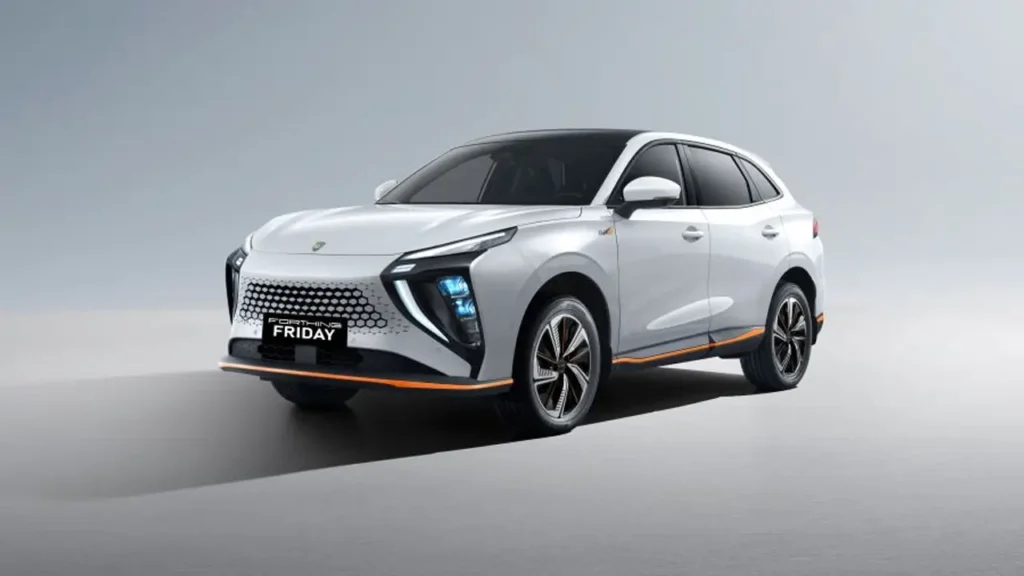
2. Dongfeng Motor: The State-Owned Export Powerhouse
Target Audience: Practical buyers in Middle East, Africa, Latin America, and Asia, plus businesses seeking reliable commercial/B2B vehicles.
Main Sub-brands: Aeolus (mainstream), Venucia (JV), Nano (city EV), Voyah (premium EV), HOVO, Eπ
Top Models: Aeolus eπ007 (EV fastback), Nano 01 (city EV), AEOLUS SKY EV01, Venucia VX6 (SUV), VOYAH Free (luxury EV SUV)
Key Features: Dongfeng Motor exemplifies “backbone” status in China’s state automotive complex. With 2.4806 million vehicles sold in 2024 and aggressive export growth (+30% YoY in 2025), it straddles mainstream, joint venture, and high-end EV segments. Its passenger line covers everything from rugged SUVs (Venucia VX6) to city-friendly EVs (Nano 01) and business-appropriate commercial vans.
The Aeolus eπ007 and Nano lines highlight Dongfeng’s city EV focus: smart features, solid battery life and quick charging, with strong uptake among rideshare providers and urban dwellers. Its global expansion is marked by right-hand drive vehicle development and CKD (export assembly) projects.
Global Note: Dongfeng’s presence is rapidly increasing in the Middle East, Africa, South America, and Southeast Asia, where its affordable seven-seaters and extended-range hybrids win over families and taxi/rideshare operators. The premium Voyah EV brand, already successful in the Middle East, enters the EU in 2025.
Innovation: Advanced hybrid/EV architectures, price parity between hybrid and ICE models, and export-specific features (RHD, rugged upgrades). Service support and warranty now match global benchmarks.
Summary: Dongfeng is the global go-to for buyers needing reliability, space, and low cost of ownership—especially families or fleet managers prioritizing proven durability over brand bling. Their smart electric/hybrid vehicles cater to a broad spectrum, with the promise of continuous aftersales support.
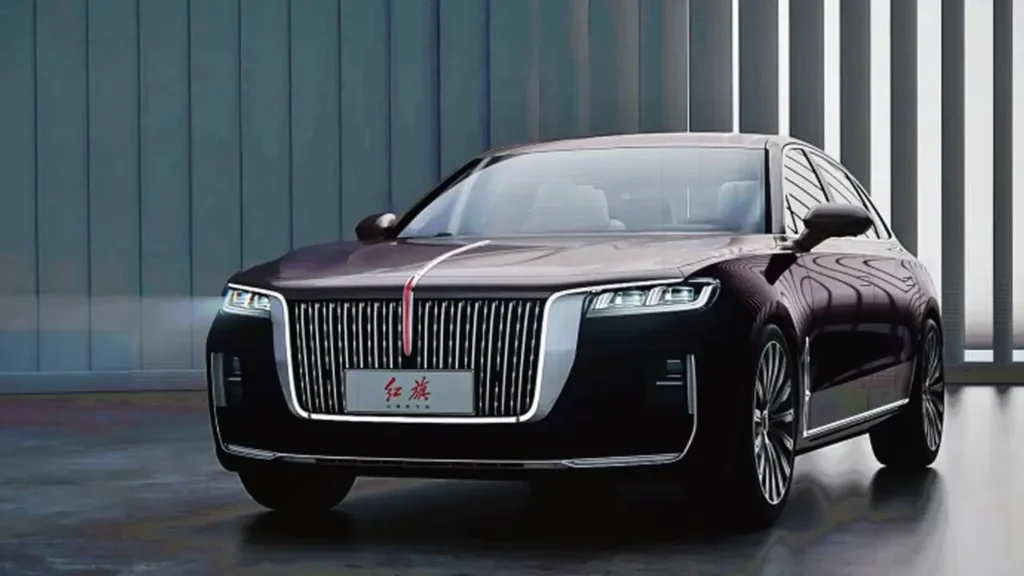
3. FAW Group: Pioneering Tradition Meets Global Technology
Target Audience: Buyers seeking a blend of historical pedigree, luxury, and high safety standards—urban professionals, business users, tech-focused families.
Main Sub-brands: Hongqi (luxury), Bestune (mainstream), Jiefang (commercial leaders)
Top Models: Hongqi EHS5 (EU-premium EV SUV), Bestune T99 (mid-size SUV), Jiefang J7 (long-haul truck)
Key Features: Founded in 1953, FAW Group’s story is intertwined with China’s industrial rise. Once reliant on state sales, FAW is now a global operator, exporting vehicles to 100+ countries, with 127 primary dealers, almost 300 distributors, and 23 assembly plants worldwide. The Hongqi sub-brand stands out for Asian luxury and technical sophistication: the EHS5 SUV targets European families with class-leading safety (78% ultra-high-strength steel, 2000MPa battery protection), advanced ADAS, wireless charging, and premium interiors. Bestune targets accessible luxury and tech, while Jiefang maintains a commanding position in trucks.
Innovation: FAW is at the forefront of solid-state battery R&D, smart driving (L4 autonomy in robotaxi segment), and tailored global product development. Hongqi’s EHS5, designed for EU launch, incorporates rapid charging and “Safety First” philosophy.
Global Note: Hongqi is on a mission to be China’s “Mercedes”—and with new EU HQs and localization, its strategy is starting to bear fruit. Jiefang’s commercial dominance is backed by strict life cycle cost efficiency and global support network.
Summary: For drivers who want Chinese engineering tradition seamlessly fused with modern luxury and safety, FAW—especially through Hongqi—is an aspirational yet attainable choice, particularly in the rising global luxury EV market.
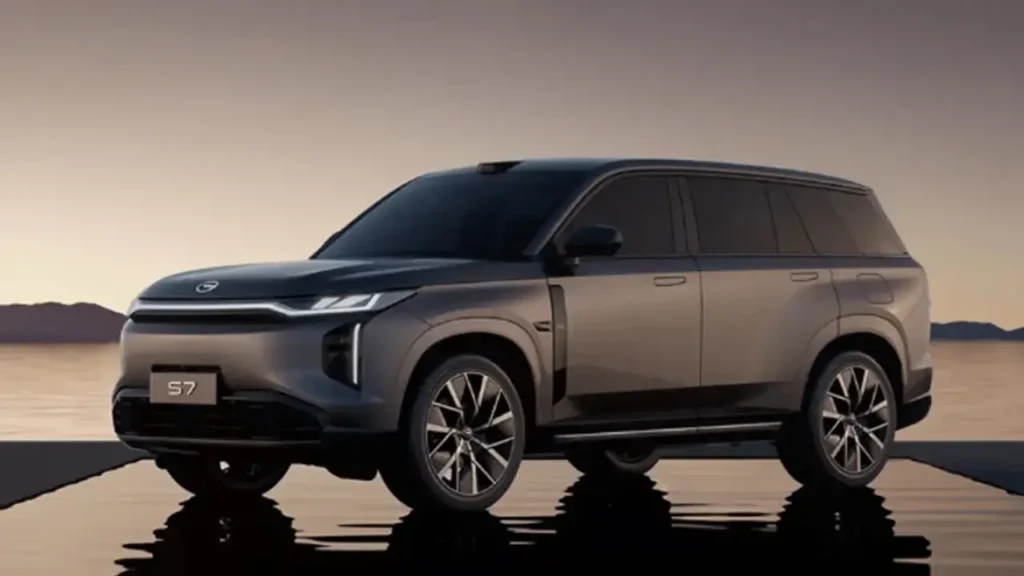
4. GAC Group: Versatility and Value With Rising Global Recognition
Target Audience: Urban and suburban families; tech-forward commuters in Southeast Asia, the Middle East, and Europe.
Main Sub-brands: Trumpchi, Aion (premium EV), GAC Motor, GAC NE, GAC Honda (JV)
Top Models: Trumpchi GS8 (7-seater SUV), GS3 (compact SUV), Aion V, Aion Y, GE3 (EV)
Key Features: GAC Group ranks with China’s “Big Five,” now a consistent contender in global markets. With 2.5+ million sales in 2023 and continued double-digit growth through 2025, GAC’s main strength lies in versatile, budget-friendly vehicles. The Trumpchi GS8 is prized in the Middle East and Latin America as a flagship 7-seater with hybrid options, blending space with future-proofing for wider emissions rules. The GS3 appeals to emerging markets for affordable efficiency, while Aion’s AEP 3.0 electric platform and Magazine Battery 2.0 represent GAC’s advanced EV innovation.
Innovation: Aion, GAC’s EV spin-off, hits EU markets with models supporting 550km+ range, fast charging (20min 10–80%), and standardized safety suites. Trumpchi lines adopt ADAS, premium infotainment, and rugged reliability at mid-range pricing.
Global Note: Aion expands steadily in Finland and EU, while GAC’s right-hand drive and regional assembly strategies fuel its growth across the Americas and Africa.
Summary: GAC is the sweet spot for sensible, modern transport—urban SUVs, minivans, and EVs that balance space, affordability, and comfort without sacrificing must-have connectivity or safety. It’s the favorite of practical families and small businesses worldwide.
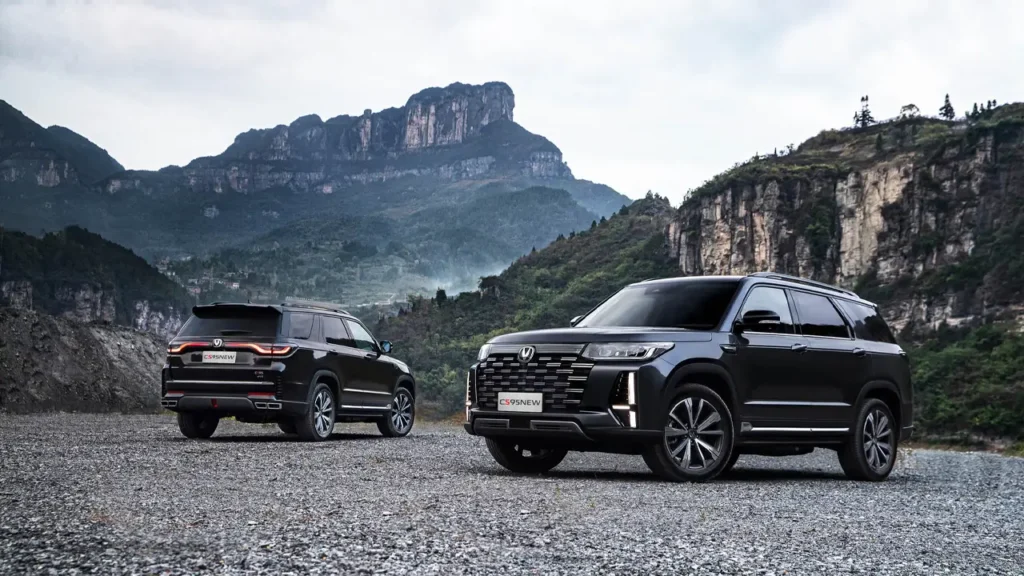
5. Changan Automobile: Budget-Friendly Tech and Export Hero
Target Audience: Cost-conscious drivers, first-time car owners, and families across the GCC, Africa, and emerging markets, plus younger buyers demanding digital features.
Main Sub-brands: UNI, CS, AVATR, Deepal, Qiyuan
Top Models: CS75 Plus (top-selling compact SUV), UNI-T, Deepal S09 (smart EV), Lumin microcar
Key Features: Changan is China’s rising export star. With annual sales topping 2.68 million units (2024), Changan’s focus on accessible SUVs with rich tech has made it a darling among young and budget buyers. The CS75 Plus delivers practicality, a Blue Core engine, and Aisin 8-speed automatic—fitting for families who need space, reliability, and reasonable operating costs. UNI models pack design punch and value, while Deepal and Avatr brands move upmarket with smart EVs and digital cockpits.
Innovation: Changan was among the first to bundle dual 10”+ infotainment displays, integrated 4G connectivity, and real-time traffic support even in budget trims. Deepal and Qiyuan EVs highlight this tech edge, targeting EU entry. OTA updates and digital driver fatigue alerts are standard even on low-priced models.
Global Note: Changan’s aggressive export push covers Southeast Asia, Africa, and the Middle East. Its city-friendly SUVs are top sellers in markets like Thailand and the UAE, combining low maintenance with high feature count.
Summary: Changan is the budget-friendly innovator: reliable, tech-savvy, and safe, without the sticker shock. Its mix of export-focused models and upmarket EVs makes it a default choice for practical buyers on nearly every continent.
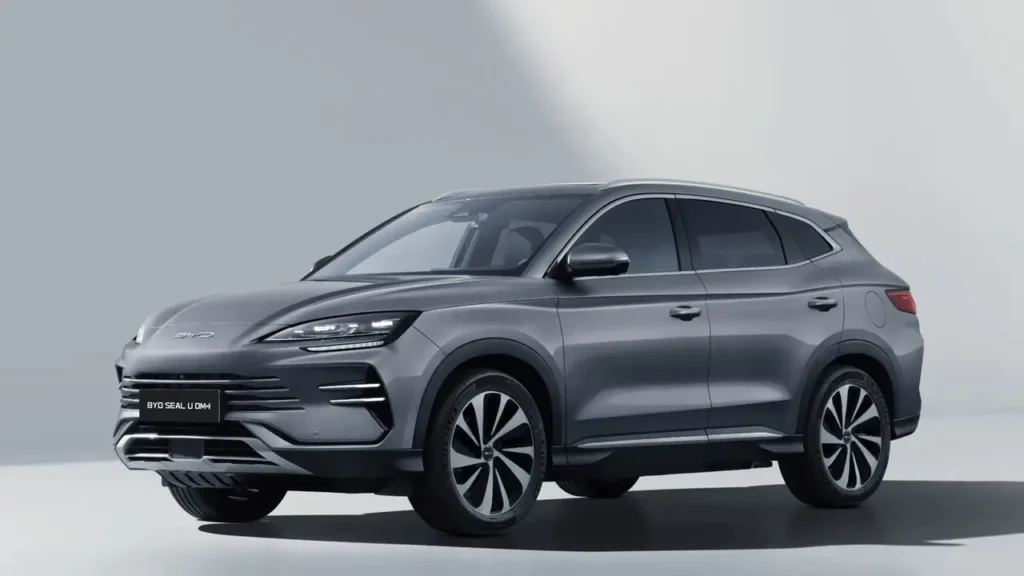
6. BYD: Global Tech Leader and Value Benchmark
Target Audience: Tech enthusiasts, early EV adopters, urban and suburban families seeking best-in-class safety, range, and technology without luxury markup.
Main Sub-brands: BYD, Denza, Yangwang, (previous: Fudi)
Top Models: Seal (premium EV), Atto 3 (global compact SUV), Han (executive EV), Dolphin (compact hatch), Song Plus (plug-in hybrid)
Key Features: BYD, or Build Your Dreams, is arguably the face of the new Chinese automotive revolution. In 2025, it stands as the world’s largest EV manufacturer, with a stunning global sales record: 377,628 vehicles in June alone; exports up 109% YoY. Its “Blade Battery” is a safety and efficiency benchmark—industry-leading in thermal management and cycle life, standard in every new BYD model.
The Seal and Dolphin models offer Tesla-level tech at lower cost, while the Atto 3 crossover dominates as a Europe/global “best buy” for families and city drivers. BYD’s “God’s Eye” driver-assistance suite (free on many trims) rivals much more expensive competitors. Range, quick charging (800V platforms), and semi-autonomous ADAS are standard across the portfolio.
BYD’s relentless manufacturing efficiency, deep vertical integration, and global-scale export strategy translate into industry-leading pricing and rapid model refresh rates; the average BYD is half as old, tech-wise, as its Western rivals. The company now operates battery factories in Europe and Brazil to skirt tariffs.
Global Note: BYD leads NEV (plug-in and pure electric) exports, has the fastest-growing European EV share (+311% in 1H 2025), and is favored in Southeast Asia and South America for reliability, safety, and driver experience.
Summary: If you want the best technology, the best value, and industry-leading real-world range—plus robust support, industry-widest warranties, and direct purchase options—BYD is the “best Chinese car brand” in 2025 by almost any metric.

7. Chery: Export Champion and Family Car Specialist
Target Audience: Families, fleet buyers, and young professionals—especially those looking for reliable, spacious, and value-packed vehicles for work or adventure.
Main Sub-brands: Tiggo, Arrizo, Omoda, Jaecoo
Top Models: Tiggo 8 Pro (top global SUV), Omoda 5 (urban crossover), Arrizo 8 (premium sedan), Jaecoo J7
Key Features: Chery has turbocharged its global expansion—doubling exports every year since 2023, reaching 1.14 million units shipped in 2024 alone. Its ability to rapidly localize and refresh models (six weeks from concept to EU launch) is unmatched, ensuring alignment with local tastes and regulations.
The Tiggo 8 Pro and Arrizo 8 offer modern safety, panoramic sunroofs, and smart interiors—specifically designed for families. Omoda and Jaecoo act as its vanguards in Europe, both targeting younger drivers with expressive design and tech-rich, budget-friendly specs. Chery regularly wins awards for customer satisfaction and quality, particularly in new markets.
Innovation: Chery has scaled affordable ADAS-enabled vehicles with five-star safety, and flexible hybrid/EV options for each big-selling line. Omoda E5 and Jaecoo plug-ins specifically target and excel in European buyer preferences.
Global Note: Chery’s network now covers 100+ countries, with deep penetration in Latin America, South Africa, Middle East, and Eastern Europe—often outpacing more familiar brands in customer service and warranty.
Summary: Chery is the “one to watch” for growing families or anyone needing an affordable, durable, and stylish SUV or sedan, with aftersales and value outshining traditional rivals.
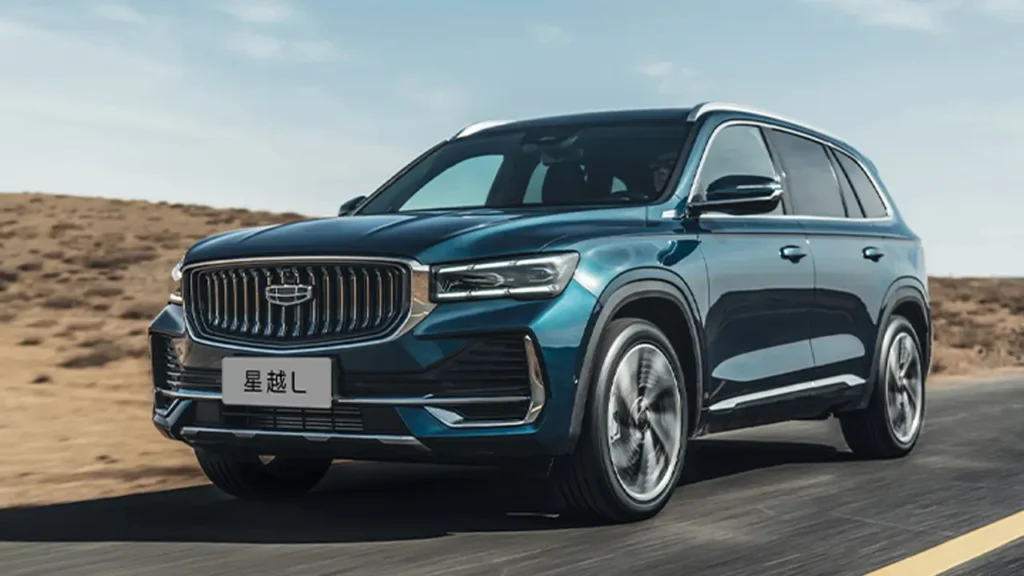
8. Geely: The All-Rounder and Premium Challenger
Target Audience: Tech-savvy drivers, urban professionals, and families seeking high value, strong connectivity, and safety without the German luxury price tag.
Main Sub-brands: Geometry (EVs), Galaxy, Lynk & Co, Zeekr, Polestar, (owns Volvo, Proton, Lotus)
Top Models: Xingyue L (smart SUV), Geometry E, Galaxy L6, Zeekr 001 (luxury EV), Lynk & Co 08
Key Features: Geely is a quiet powerhouse with European presence as owner of Volvo, Polestar, and Lotus. In 2025, its hybrid and EV push is encapsulated by the Galaxy and Geometry series, bringing 2000km+ hybrid range, advanced ADAS, and “Thor” hybrid technology to mid-price brackets.
The Xingyue L/Galaxy L6 are export favorites thanks to advanced comfort, “cotton candy” multi-layer seats, plush interiors, and long-range efficiency. Zeekr targets Tesla and Mercedes directly with >600km luxury EVs, while Geometry focuses on affordable city EVs.
Innovation: Geely is unique among Chinese brands for integrating IoT/connected car tech (built-in satellite support), L2+/L3 autonomy, and a “tech democratization” approach—comfort and luxury features standard on mid-price models. Its global recharge partnerships rival Tesla’s Supercharger, and large-screen infotainment comes standard across the premium range.
Global Note: Geely is a leader in Europe—Zeekr, Lynk & Co, and Polestar—proving premium isn’t just German. It’s also expanding into Southeast Asia via Proton and rideshare fleets globally.
Summary: Geely is the “intelligent” alternative—blending premium feel, long-term comfort, and top safety ratings. Its hybrid range, exported at aggressive prices, plus European design and engineering, make it a smart 2025 buy for aspirational drivers.
9. Great Wall Motor: The SUV and Off-Road King
Target Audience: Outdoor enthusiasts, off-roaders, and value-conscious family SUV buyers; also strong in commercial/fleet pickup sales.
Main Sub-brands: Haval, WEY, ORA, Tank
Top Models: Haval Jolion (compact SUV), Tank 500 (off-road SUV), ORA 03 (EU/UK urban EV), WEY 03 (hybrid/premium SUV)
Key Features: Great Wall Motor is China’s best-known SUV and pickup specialist, now exporting globally with Haval, WEY, and Tank. The Haval Jolion, with turbo engines, ADAS, and high comfort scores at entry prices, is a hit in ASEAN and Middle East markets. The ORA EV series (ORA 03) wins younger, urban buyers with style and efficiency. Tank 500 and 300 target premium and adventure buyers looking for true SUV capabilities at a fraction of the German or Japanese price.
Innovation: Great Wall leads in SUV platform development, with extensive hybrid/EV lines, robust 4×4 systems, fast-charging EVs, and “Coffee AI” infotainment in premium models.
Global Note: ORA and Haval are among the first Chinese brands with full EU/UK compliance, strong dealership networks, and positive owner ratings (especially for service costs and resale).
Summary: For those who crave “SUV adventure” or just want rugged, reliable family cars, Great Wall delivers more features, more space, and more style for less—and has the global product/parts support to match.
10. BAIC Group: Urban Innovator and Electric Mobility Leader
Target Audience: Urban drivers, young families, public sector buyers, and technology-early adopters in city mobility markets.
Main Sub-brands: BJEV (urban EV), ARCFOX (premium EV), Beijing Auto, Stelato
Top Models: ARCFOX αS5 (premium EV), BJ60 (off-road SUV), Beijing X7
Key Features: BAIC is a Beijing-based player excelling in city mobility, smart EVs, and off-roaders. BJEV is a longstanding EV line for dense urban markets, while ARCFOX is now an EU contender with αS5—offering L4 robotaxi autonomy, 700km range, rapid charging, and immersive digital cabins. BAIC’s design teams work with Mercedes (joint China production), ensuring a blend of attractive design and automotive engineering.
Innovation: BAIC is a leader in solid-state battery development, smart-chassis tech, L4-level self-driving for urban environments, and multi-brand collaboration (notably via the Mercedes and Huawei JVs for Lamb-like sedans and crossovers).
Global Note: ARCFOX launches the αS5 robotaxi in the EU, and BAIC lines see wide municipal and corporate uptake in Latin America and Eastern Europe, combining safety, range, and smart city integration.
Summary: For urban dwellers, fleet operators, and eco-conscious drivers seeking efficient, affordable, and comfortable mobility, BAIC’s model mix stands out as a global technology showcase and a smart buy in city-focused transport.
Pros and Cons of Chinese Car Brands in 2025
Pros:
- Unbeatable Value: Chinese brands consistently offer lower prices for more features and safety, beating Western, Japanese, or Korean brands on cost per tech dollar.
- EV Leadership: The best Chinese car brands lead the global EV and hybrid markets, prioritizing fast-charging, range, and battery safety (e.g., BYD, Geely, SAIC).
- Rapid Innovation: Short development cycles mean fresher models, faster adoption of global tech trends, and quick response to buyer preferences.
- Comprehensive Warranties: Brands match or exceed international standards—7-year vehicle and 8-year battery packages (e.g., MG, Geely, BYD).
- Strong Export/Service Network: Many have deep aftersales coverage, especially for service, parts, and training (MG, Chery, BYD, GAC).
- Localized Global Offerings: Models are tailored for regional regulations and tastes, e.g., right-hand drive, cold/hot weather packages, and EU-compliant ADAS.
Cons:
- Long-Term Reliability Uncertainty: Some brands still transition from fast design to lifetime thoroughness; issues like infotainment bugs or trim quality may arise in early production runs.
- Limited Dealer Support in Some Markets: Not all export brands have established full-service networks; some EU/UK buyers face early teething pains.
- Brand Perception: Outside China, some buyers remain wary of unfamiliar brands, despite rising satisfaction scores.
- Tariff/Trade Uncertainty: Aggressive tariff environments in the US/EU can cause rapid price swings or limit model range mid-year.
- Early Software Growing Pains: OTA bugs, navigation quirks, and ADAS feature consistency may still lag German or Japanese benchmarks, though catching up quickly.
Real User Reviews: Everyday Life with Chinese Car Brands
Case 1: The Budget-Conscious Family (Changan CS75 Plus, UAE) “We needed a reliable SUV for school runs and summer road trips. The CS75 Plus offered features like the digital dash, navigation, and a roomy cabin—at 30% less than a comparable Japanese model. Maintenance is cheap, and there’s always a dealer nearby. After 18 months, still fault-free.”
Case 2: The Global Commuter (BYD Atto 3, Germany/UK) “I cross Germany twice a week for work. The Atto 3’s 420km range and quick charging fit my routine—plus adaptive cruise and wireless CarPlay are standard! The dealership helped me get my wallbox installed at home, and so far, running costs are way below my old diesel Golf.”
Case 3: The Young City Driver (MG4 EV, London) “For city life, range anxiety is real—but my MG4 does over 400km a week on a single charge. The 7-year warranty protected me when I had an infotainment issue, fixed at no cost. Space for groceries, a reliable app, and surprisingly fun to drive.”
Case 4: The Adventure Family (Haval Jolion, South Africa) “We live near Cape Town and often go off-road. The Haval Jolion’s turbo engine, rugged body, and easy parts support have made it a practical, worry-free choice. It’s our second Chinese SUV, and the local dealer has been proactive about recalls and service.”
Case 5: The Tech-Enthusiast Executive (Geely Zeekr 001, Sweden) “My Zeekr is a Porsche Taycan alternative at half the price. Matrix headlights, massive screens, instant torque, and lounge seats. OTA updates improved battery performance after delivery, and the EU south service center had replacement parts, even for minor trim.”
In-Depth: BYD vs Geely – Which Should You Pick in 2025?
BYD dominates for buyers seeking the latest in safety, range, and “plug-and-play” global EV tech. Blade Battery on every model, democratization of ADAS (“Sky Eye” standard on most cars, even cheaper Seagull), and relentless charging infrastructure rollout mean you’ll experience lower operating costs, industry-leading warranty, and the most advanced OTA features. BYD also has the broadest factory-owned export network, with assembly plants in Hungary and Brazil, minimizing tariff risk and ensuring local support in the EU and LatAm.
Geely, in contrast, appeals to comfort and real-world range warriors. The Galaxy and Lynk & Co lines boast massaging seats, premium sound, and 2000km+ hybrid range; their “high-spec-at-low-price” positioning is ideal for families who road-trip or crave a softer, more luxurious cabin feel. Geely also wins on export flexibility—by owning and partnering with Volvo, Proton, and Polestar, Geely buyers get access to European build quality and regional adaptation that BYD sometimes lacks. Satellite connectivity and huge infotainment screens complete the package.
Practical Take:
- If you’re an EV-first adopter prioritizing ADAS, consistent real-world range, and global dealer coverage, BYD is a safer bet.
- If you want longer hybrid range, more premium seats, or greater export flexibility, Geely will feel more luxurious at similar prices.
In 2025, BYD edges ahead globally, but both brands have fierce customer loyalty and an ever-expanding international footprint—meaning buyers in most regions win either way.
Selection Criteria for Everyday Car Buyers—From Budget to Premium
When hunting for the “best Chinese car brands,” buyers in 2025 should focus on five core areas:
- Total Cost of Ownership: Factor purchase price, warranty, battery replacement, and local parts availability—Chinese brands are ahead on all fronts now.
- Powertrain Fit: With a wide range of pure EVs (300–700 km), hybrids, and ultra-low-consumption ICEs, buyers can prioritize sustainability, range, or fuel cost.
- Tech Features: Look for OTA updates, high-resolution displays, adaptive cruise and parking, and safety tech—often standard even on entry trims.
- After-Sales and Support: The local service center network and warranty should be a top priority. The best brands (MG/SAIC, BYD, Chery) match or beat Japanese or Korean rivals here.
- Export Credentials: For buyers outside China, ensure your model is sold via official distributors—not parallel importers. This guarantees aftersales, local warranty, and compliance with safety/emission rules.
The Future Outlook: Chinese Car Brands Lead the EV and Value Revolution
All signs point to continued momentum for the “best Chinese car brands” in the coming years:
- European Expansion Accelerates: BYD, MG, Chery, and Geely double EU market share, with local factories skirting tariffs and improving support.
- Global Powertrain Leadership: Rapid adoption of solid-state batteries, OTA-rich infotainment, and L3+ autonomous features make Chinese brands the default for tech-forward buyers.
- Affordability Meets Sustainability: Government incentives, lower operating expenses, and robust new/used value retention make these brands more attractive for budget and eco-conscious shoppers alike.
- Global Brand Recognition: Brands like Hongqi, Omoda, and Avatr aim high with premium positioning, while traditional giants like SAIC, Dongfeng, and Chery continue to deliver everyday reliability.
Final Recommendation: Why the Best Chinese Car Brands Are Your Smartest Buy in 2025
For everyday car buyers in 2025, top-tier Chinese brands are no longer just “affordable alternatives”—they are smart, sustainable, and increasingly the benchmark for value, technology, and safety.
Whether you seek a feature-packed urban EV, a family SUV with room to grow, or a hybrid that makes your fuel expenses almost disappear, the top 10 brands in this post offer world-class options for every need and style. From BYD’s leadership in battery innovation to MG’s service footprint, and from Chery’s export champion status to Geely’s luxury comfort at value prices—Chinese car brands are the new global standard.
Ready to compare models, get local pricing, or read real-world test drives? Visit autochina.blog for full reviews, up-to-date model guides, and the latest insights from global drivers. Your next, better car could be waiting for you—Chinese, and proud of it.
Discover more from AutoChina
Subscribe to get the latest posts sent to your email.