Changan Deepal Hydrogen Fuel Cell as a New Trend
There’s something quietly revolutionary happening inside a mid-sized sedan from China — and it runs on hydrogen. The Changan Deepal hydrogen fuel cell story is one of the most fascinating developments in the global automotive industry right now. At a time when the world is debating whether electric vehicles are the final answer to sustainable transportation, Changan’s Deepal brand is making a bold case that hydrogen might have a critical role to play — especially in the context of a hydrogen passenger vehicle China 2027 roadmap that’s already firmly in motion.
Let’s be honest: most people outside China haven’t heard much about Deepal. But that’s about to change. Changan Automobile — China’s fourth-largest automaker and a state-owned enterprise with over 40 years of history — launched the Deepal brand as a dedicated new energy vehicle sub-brand. Right from the start, it positioned hydrogen alongside pure electric and range-extended powertrains as equal members of a diverse, forward-looking energy strategy. That’s not just bold — it’s strategically significant on a national scale.
Whether you’re a car enthusiast, a clean energy advocate, an investor, or simply someone curious about where the automotive world is heading, the Changan Deepal hydrogen fuel cell platform deserves your full attention. In this article, we’ll walk through the technology, the performance numbers, the economics, the infrastructure realities, and the broader market picture — all with a clear eye on what 2027 and beyond could look like for hydrogen passenger vehicles in China.
Why Changan Deepal Hydrogen Fuel Cell Is a Strategic Move for China
To understand why Changan is doubling down on hydrogen, you need to understand China’s energy strategy at a macro level. China is simultaneously the world’s largest automobile market and the world’s largest hydrogen producer. For Chinese policymakers, the Changan Deepal hydrogen fuel cell program isn’t just about selling cars — it’s about securing energy independence, reducing urban pollution, and positioning the country as a global technology leader in the next frontier of clean mobility.
China’s medium- and long-term hydrogen plan targets 50,000 hydrogen fuel cell vehicles and 100,000 to 200,000 tonnes per year of green hydrogen production by 2025, supported by the rollout of hydrogen refueling stations. That plan has since evolved into something far more ambitious. In March 2026, China’s Ministry of Industry and Information Technology, together with two additional government departments, issued a joint circular setting a clear national target: 100,000 fuel cell vehicles in operation by 2030 — doubling the fleet from 2025 levels — and end-user hydrogen prices cut to below 25 yuan per kilogram in the same timeframe.
Against this policy backdrop, the fuel cell efficiency benchmark China is setting is rising rapidly. Projected technological improvements and scaled production are expected to reduce fuel cell system costs by more than 40 percent by 2027. This isn’t an optimistic projection from a startup — it’s an industry consensus figure backed by the China Society of Automotive Engineers and discussed at national strategy seminars. Changan, with its deep government ties and established R&D infrastructure, is positioned squarely at the center of that transformation. The Changan Deepal hydrogen fuel cell initiative is therefore not just a product launch — it is a piece of China’s industrial architecture for the next decade.

Technology: How the Changan Deepal Hydrogen Fuel Cell Works
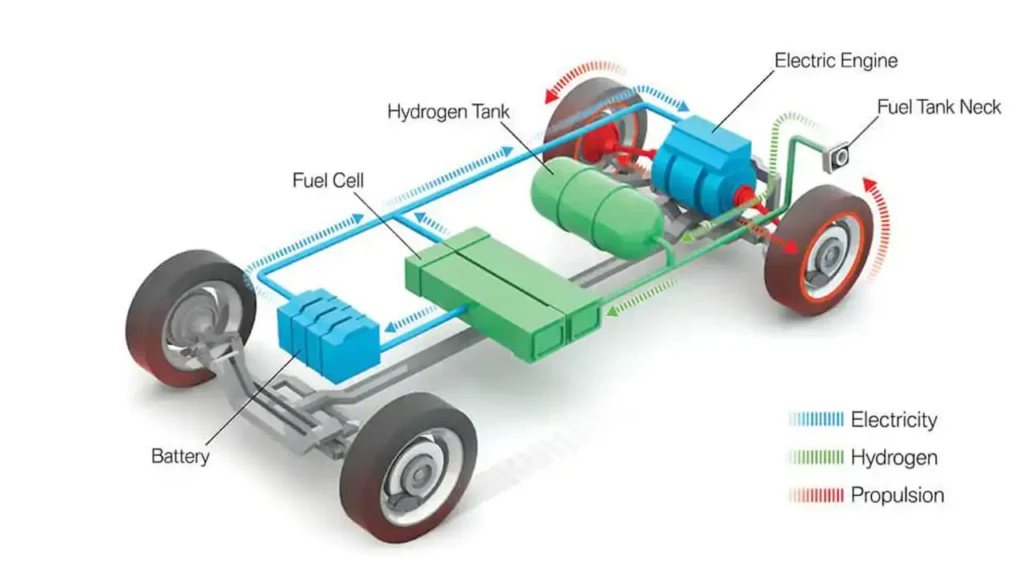
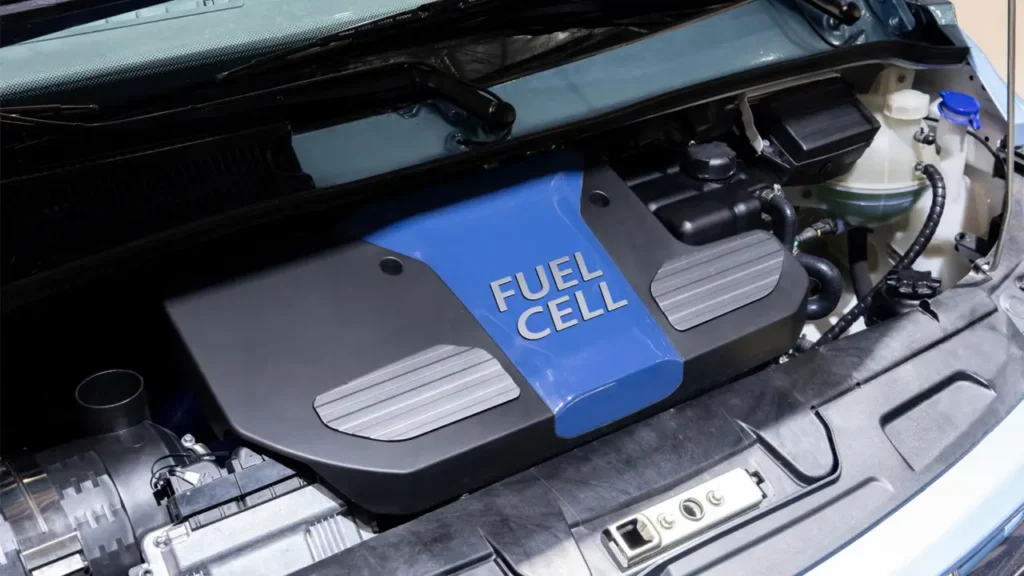
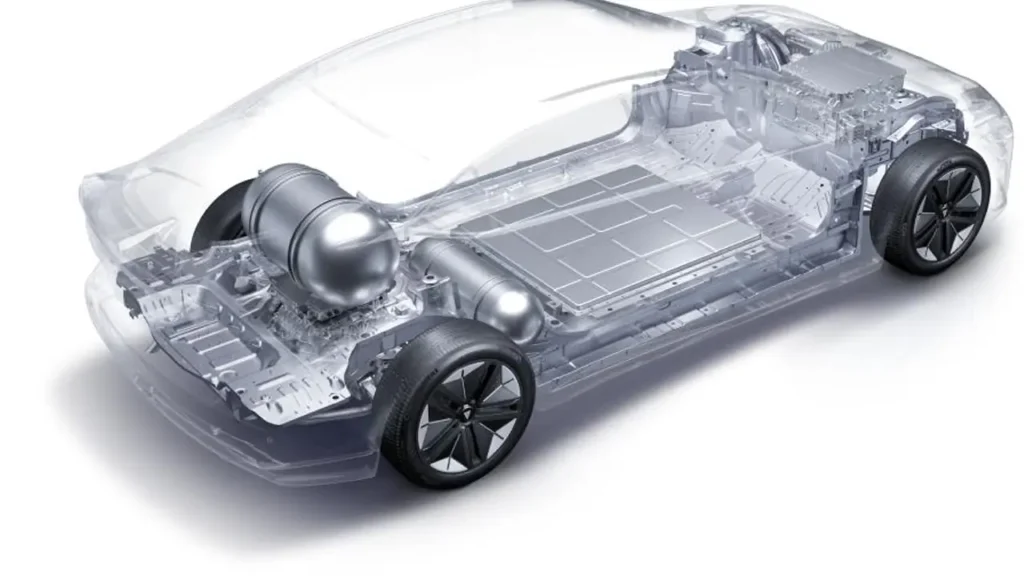
If you’ve never thought much about how a hydrogen fuel cell car actually works, here’s a friendly explainer. Unlike a battery electric vehicle that stores electricity in a large pack and depletes it as you drive, a hydrogen fuel cell vehicle generates electricity on board — in real time — through a chemical reaction between hydrogen and oxygen. The only byproduct is water vapor. No combustion, no carbon emissions, and no large heavy battery pack needed.
The Changan Deepal hydrogen fuel cell system is entirely self-developed, which is itself a significant achievement. Hydrogen fuel cell technology China automakers have pursued for years often relied on imported stacks and components, particularly from Japanese suppliers. Deepal’s approach breaks from that dependency. Changan’s proprietary hydrogen fuel cell system uses full-variable decoupling high-precision control technology, which enhances the hydrogen-to-electricity conversion efficiency significantly. The result is a system that achieves hydrogen consumption of just 0.65 kg per 100 kilometers on the SL03 sedan — a figure that places it at the very front of the global industry for passenger vehicles.
The Deepal S7 SUV hydrogen version, unveiled at the Shanghai Auto Show, takes things a step further. Its hydrogen consumption is rated at 0.73 kg per 100 kilometers under CLTC conditions. The system supports ultra-fast refueling in just 3 minutes — a number that puts hydrogen’s practical daily usability in a very favorable light compared to even the fastest EV charging options.
Looking ahead, Deepal has confirmed that a next-generation hydrogen fuel power system is currently under development, targeting double the power density of the current system while simultaneously reducing production costs. This is exactly the kind of iterative engineering progress that moves a technology from demonstration phase to genuine mass-market readiness — and it is why the Changan Deepal hydrogen fuel cell roadmap deserves to be taken seriously by anyone watching the global auto industry.
At the Guangzhou International Auto Show in 2023, Changan also announced its self-developed battery brand, “Golden Shield,” indicating that its hydrogen efforts are part of a broader energy diversification strategy — not a replacement for battery electric vehicles, but a complementary pathway for specific use cases and user profiles.
Performance: Deepal Hydrogen Vehicle Performance and the +10% Efficiency Gain
Numbers matter, and the Deepal hydrogen vehicle performance numbers are genuinely impressive when placed in their proper context. The Deepal SL03 hydrogen version delivers a CLTC-rated range of 730 kilometers on a single fill of hydrogen — a distance that comfortably exceeds the range of most battery electric vehicles currently on sale in China, including many premium offerings.
The electric motor in the hydrogen version produces 160 kW of power output, paired with a lithium iron phosphate battery of 28.39 kWh that acts as a buffer, capturing regenerative braking energy and providing power peaks on demand. The combination of fuel cell and buffer battery is the standard architecture for modern hydrogen passenger vehicles, and Deepal’s implementation is refined and well-calibrated.
The broader industry context for the Changan Deepal hydrogen fuel cell efficiency gain comes from Chinese government and industry data. Core component localization in China’s hydrogen vehicle sector exceeded 70 percent in 2025, reflecting expanded domestic manufacturing capacity for fuel cell stacks and related systems. The efficiency improvements being logged across the industry are real and measurable — the 10 percent efficiency benchmark gain referenced across Chinese automakers and research bodies reflects advances in membrane electrode assembly technology, improved stack durability, and better thermal management systems.
For the Deepal hydrogen vehicle performance specifically, Changan’s self-developed full-variable decoupling control technology is the key differentiator. By precisely managing the ratio of hydrogen input to electrical output across a wider range of operating conditions — including cold weather and high-speed highway driving — the system maintains peak efficiency where older architectures would suffer losses. This is the engineering core behind that efficiency gain, and it represents genuine intellectual property developed within China rather than licensed from abroad.
BestChina3DPrinters
Expert Reviews & Rankings
Independent 3D Printer Reviews
Your trusted source for Chinese 3D printer reviews, rankings, and comparisons. We buy, test, and review every printer so you can make informed decisions.
Comparison: Hydrogen Fuel Cell vs Electric Car Cost
This is the question everyone asks — and it deserves an honest, data-driven answer. The hydrogen fuel cell vs electric car cost comparison is nuanced, and context matters enormously. Here is a clear side-by-side look at where the two technologies stand today:
| Parameter | Hydrogen Fuel Cell | Battery Electric Vehicle |
|---|---|---|
| Refueling / Charging Time | 3–5 minutes | 30–60 minutes (fast charge) |
| Range per Fill / Charge | 600–800 km | 400–700 km |
| Infrastructure Availability | Limited (growing) | Widespread and expanding |
| Vehicle Purchase Cost (2026) | High | Medium |
| Efficiency Trend | Improving (+10% benchmark) | Largely stable / incremental |
| Maintenance Complexity | More complex (specialist required) | Lower, fewer moving parts |
| Cold Weather Performance | Reliable | Range reduction in extreme cold |
| Emissions at Point of Use | Zero (water vapor only) | Zero |
The Deepal SL03 hydrogen version launched at a price of 699,900 yuan — significantly higher than its pure electric counterpart at around 215,900 yuan. That gap is large, and it’s the single biggest commercial challenge facing the Changan Deepal hydrogen fuel cell program right now. However, that gap is expected to narrow significantly as production volumes increase and component costs fall — with industry projections pointing to a cost reduction of over 40 percent in fuel cell systems by 2027.
From a lifetime cost perspective, once hydrogen fuel prices drop to the government’s target of below 25 yuan per kilogram, the total cost of ownership picture for fuel cell vehicles improves dramatically — particularly for high-mileage users who value fast refueling and long range over low upfront sticker prices.
Infrastructure: China Hydrogen Vehicle Infrastructure Readiness
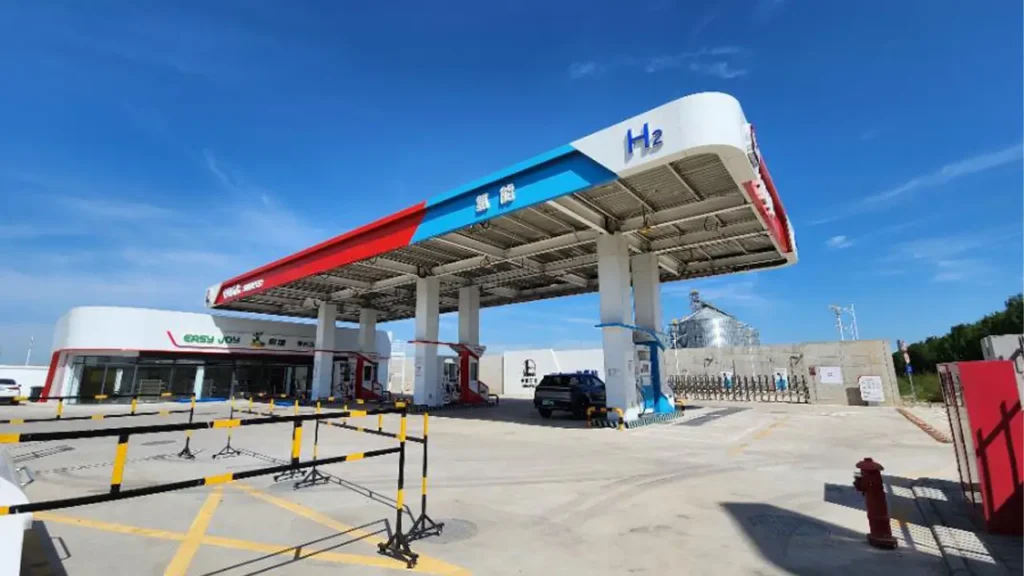
No technology exists in isolation, and the China hydrogen vehicle infrastructure story is one of the most important subplots of the entire hydrogen narrative. The honest picture today is one of significant progress combined with significant gaps still to be closed.
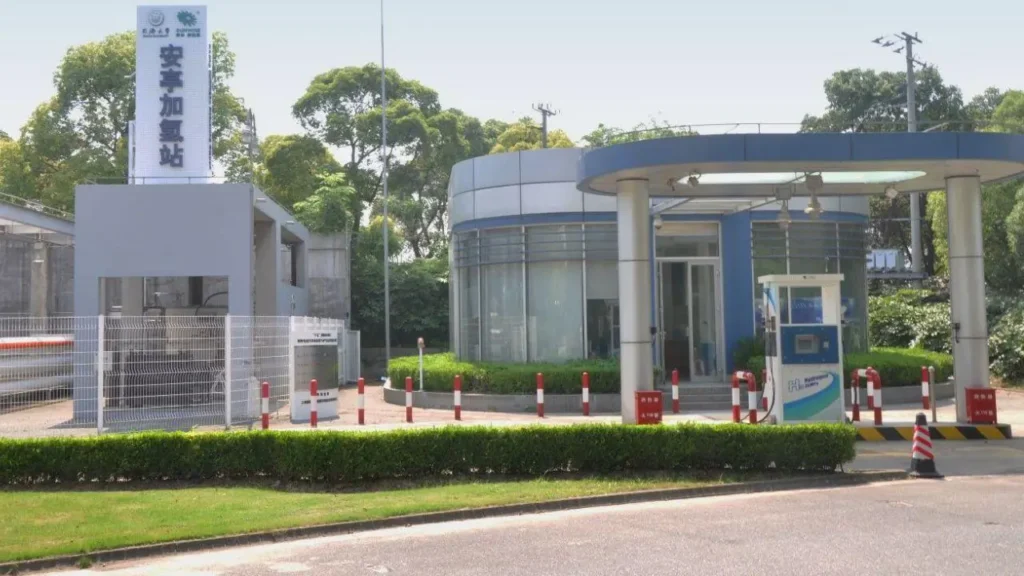
By the end of 2025, China had built 574 hydrogen refueling stations with a combined daily refueling capacity of over 360 metric tons — the largest hydrogen infrastructure network in the world by station count. Nearly 40,000 hydrogen fuel cell vehicles had been sold nationally by that same date. However, senior researchers at the China Society of Automotive Engineers have been candid about the limitations: those 574 stations can currently support the daily refueling needs of only around 4,000 to 5,000 heavy trucks, leaving passenger vehicle users — including owners of the Changan Deepal hydrogen fuel cell models — with genuinely limited access in many regions.
The government’s response has been to launch targeted pilot programs. The central government is offering up to 1.6 billion yuan to each selected city cluster to support green hydrogen development, including infrastructure. Priority regions include the Beijing-Tianjin-Hebei cluster, the Shanghai area, and Guangdong province — locations where Deepal’s hydrogen vehicles are most likely to find early adopters.
For the China hydrogen vehicle infrastructure to reach the scale needed to support genuine mass adoption of passenger fuel cell vehicles, industry experts point to the need for hydrogen prices to fall below 25 yuan per kilogram nationally — compared to current prices of 35 to 76 yuan per kilogram in pilot cities. That cost reduction is achievable, but it requires both infrastructure scale and green hydrogen production growth to happen in tandem. The government has set 2030 as the target horizon for that price milestone, which makes the 2027 timeline for the Changan Deepal hydrogen fuel cell next generation critically important as a market-readiness checkpoint.
Economics: Hydrogen Vehicle Total Cost of Ownership
When people talk about whether a hydrogen car is “worth it,” they usually focus on the purchase price — and that’s understandable, because right now it’s a significant number. But the hydrogen vehicle total cost of ownership is a more complete and ultimately more honest way to evaluate the proposition.
Let’s break it down practically. A high-mileage driver — think a private hire operator, a frequent long-distance traveler, or a business user covering 40,000 to 50,000 kilometers per year — benefits from the Changan Deepal hydrogen fuel cell’s core practical advantages in ways that directly affect their bottom line. The 3-minute refueling time means virtually zero downtime for refueling. The 730-kilometer range means fewer stops per long-distance journey. The low hydrogen consumption of 0.65 kg per 100 km means that once fuel prices hit the government’s target of 25 yuan per kilogram, operating costs become genuinely competitive with conventional vehicles.
Government subsidies currently support fuel cell vehicle purchases in China’s pilot program cities, and the statewide subsidy framework for new energy vehicles — which classifies fuel cell vehicles as a priority category — further softens the upfront cost burden for early adopters. For fleet operators in logistics, government transport, and corporate mobility, the calculus is increasingly favorable.
The projected fuel cell system cost reduction of more than 40 percent by 2027 is the single most important economic variable for the Changan Deepal hydrogen fuel cell program’s commercial future. If that projection holds — and China’s track record on bringing down manufacturing costs for clean energy technology is well established, from solar panels to lithium batteries — the total cost of ownership for hydrogen passenger vehicles moves from “interesting pilot project” territory into genuine mass-market viability.
Market: Hydrogen Car Adoption China Market by 2027
The hydrogen car adoption China market trajectory is accelerating, though it remains in an early stage when measured against the overall passenger vehicle market. As of the end of 2025, China had approximately 40,000 fuel cell vehicles on the road — a fleet that is overwhelmingly composed of commercial vehicles, buses, and heavy trucks rather than passenger cars.
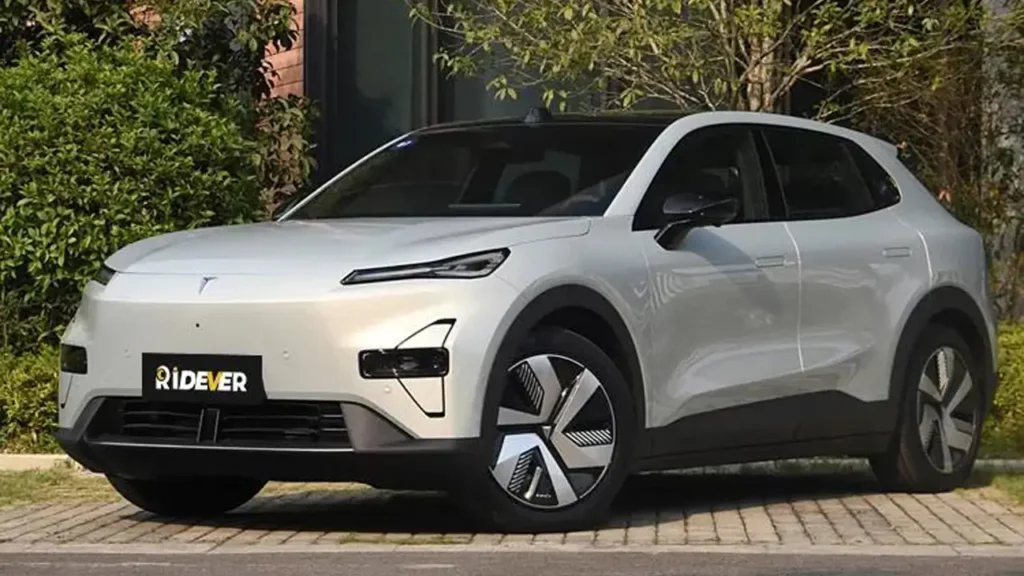
The Deepal SL03 hydrogen version and the Deepal S7 hydrogen version represent the most serious attempts by any Chinese automaker to bring hydrogen passenger vehicles into a more accessible, consumer-facing product format. The fact that these vehicles are offered alongside pure electric and range-extended versions of the same model — sharing platforms, interiors, and brand identity — is strategically smart. It allows hydrogen to benefit from Deepal’s broader brand momentum without requiring a separate niche vehicle lineup.
China’s stated policy goal of 100,000 fuel cell vehicles on the road by 2030 creates a clear demand signal for automakers and infrastructure providers alike. For the 2027 milestone specifically, the convergence of next-generation Deepal hydrogen systems with cost reductions in fuel cell components and expanding refueling infrastructure in key city clusters makes this a credible inflection point for hydrogen passenger vehicle adoption in China. The Changan Deepal hydrogen fuel cell program is designed to be ready for that window — which is precisely why the 2027 timeline matters so much for the brand’s hydrogen roadmap.
Competition: Future of Hydrogen Cars China vs Tesla and BYD
The future of hydrogen cars China is being shaped not just by Changan and Deepal, but by the competitive dynamics of the world’s most intense auto market. Understanding where hydrogen fits relative to BYD, Tesla, and other major players is essential context.
BYD is the undisputed leader in battery electric vehicles in China, with a massive vertical integration advantage in battery production, electronics, and software. BYD has shown no significant public commitment to hydrogen passenger vehicles, positioning itself firmly in the battery electric camp. Tesla, similarly, has been famously skeptical of hydrogen fuel cells for passenger cars, with its focus remaining entirely on battery electric technology.
This creates a genuine strategic opening for Changan Deepal hydrogen fuel cell technology. Rather than competing head-on with BYD and Tesla in the battery electric space — where those companies have enormous scale and cost advantages — Deepal’s hydrogen pathway targets a different value proposition: faster refueling, longer range, and superior cold-weather performance. These are not abstract selling points; they are real practical advantages for specific segments of the driving population.
Geely has also entered the hydrogen space with commercial vehicle applications, and other Chinese automakers are exploring fuel cell technology at various stages of development. However, Deepal’s distinction is that it has already brought hydrogen fuel cell technology to a mass-produced passenger sedan — the SL03 — making it the first to actually list and sell such a vehicle in China’s consumer market rather than just announce plans. That first-mover advantage in the passenger segment is meaningful as infrastructure expands and costs fall toward the 2027-2030 window.
What makes the future of hydrogen cars China particularly compelling is the alignment between government policy, industrial investment, and automaker strategy. This is not a single company betting on hydrogen in isolation — it is a coordinated national industrial strategy, with Changan Deepal serving as one of its most visible passenger vehicle champions.
Conclusion: Is It Worth Investing in the Changan Deepal Hydrogen Fuel Cell Future?
So, after walking through all of this — the technology, the performance, the economics, the infrastructure, and the competitive landscape — is the Changan Deepal hydrogen fuel cell program a story worth taking seriously? The answer is clearly yes, with honest acknowledgment of the challenges that remain.
The Changan Deepal hydrogen fuel cell platform has demonstrated real-world performance credentials with a 730-kilometer passenger sedan, industry-leading hydrogen consumption figures, and a self-developed system architecture that reduces dependency on imported technology. The next-generation system — targeting double the power density at lower cost — is in active development and aligned with the 2027 market window that both the company and the Chinese government have identified as a critical milestone.
The barriers are real: hydrogen prices need to fall further, refueling infrastructure needs to expand well beyond its current 574-station network, and purchase prices need to come down substantially for mass-market adoption to occur. None of these are trivial challenges. But China’s track record of rapidly scaling clean energy technologies — solar, wind, lithium batteries, and EV charging — demonstrates that when industrial policy, state investment, and competitive manufacturing combine, cost curves can fall faster than anyone expected.
For drivers, the Changan Deepal hydrogen fuel cell proposition is most compelling today for high-mileage users in cities with existing hydrogen infrastructure. For investors and industry observers, the 2027 timeline represents a genuine evaluation point: will next-generation systems, falling costs, and expanding infrastructure combine to tip hydrogen passenger vehicles from niche to mainstream in China?
All signs point to a fascinating few years ahead. The Changan Deepal hydrogen fuel cell story is still being written — and its most important chapters are yet to come.
Professional Web Development and SEO Services
Discover more from AutoChina
Subscribe to get the latest posts sent to your email.