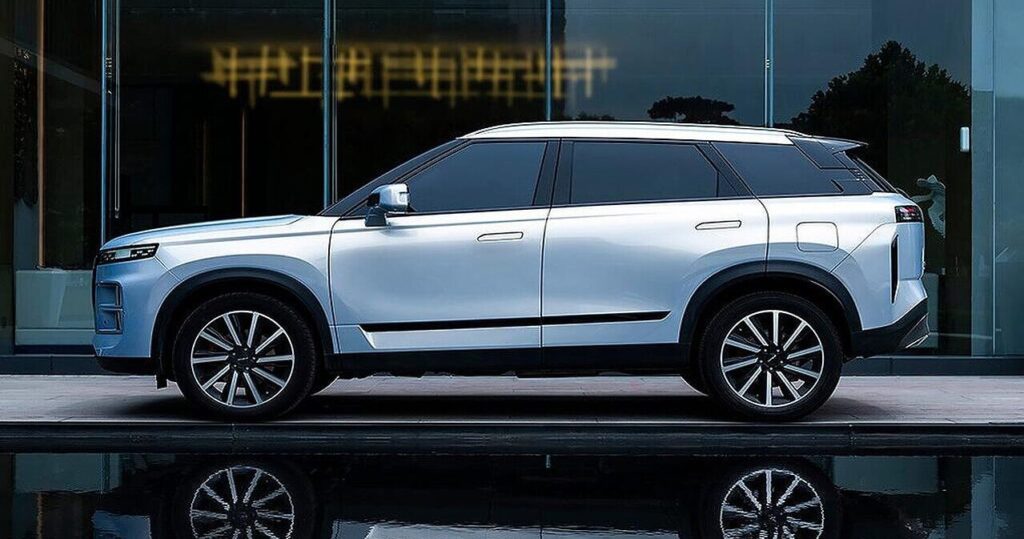
The Wuling Starlight S PHEV review reveals something extraordinary happening in the automotive world right now. While Western markets obsess over $50,000+ electric crossovers, Chinese buyers are snapping up a plug-in hybrid SUV that costs roughly $14,000 and genuinely looks like it should wear a $30,000 price tag. The Wuling Starlight S hybrid SUV isn’t just cheap—it’s a legitimate alternative to established players, offering technology, design, and efficiency that challenge everything we thought we knew about budget vehicles. This review digs into the real story behind the hype, examining whether this people’s champion actually delivers or if it’s just smoke and mirrors wrapped in a pretty shell.
1. Introduction Wuling Starlight S PHEV review: The $14,000 Phenomenon
When you first encounter the Wuling Starlight S PHEV in person, cognitive dissonance kicks in immediately. Your brain knows this vehicle costs around 99,800 yuan (approximately $14,000) in China, but your eyes register something that looks entirely out of place in that price bracket. The Starlight S represents Wuling’s ambitious push upmarket from its utilitarian roots—this is the same company that built millions of no-frills microvans, now producing a genuinely handsome crossover with plug-in hybrid technology.
The Wuling Starlight S hybrid SUV arrived in late 2024 as part of a broader strategy by SAIC-GM-Wuling to capture the booming affordable PHEV segment. China’s government incentives for plug-in hybrids, combined with rising fuel costs and increasing environmental consciousness, created the perfect storm for vehicles like this. Unlike pure EVs that still face range anxiety and charging infrastructure challenges in smaller cities, PHEVs offer the best of both worlds—electric driving for daily commutes with gasoline backup for longer trips.
What makes this vehicle particularly interesting is Wuling’s approach. Instead of cutting corners everywhere to hit a price point, the company seems to have prioritized the elements buyers actually see and touch daily while engineering clever solutions for the expensive bits. The result is a vehicle that feels far more premium than its sticker price suggests, though not without compromises we’ll explore throughout this review.
2. Design & First Impression: Punching Above Its Weight Class
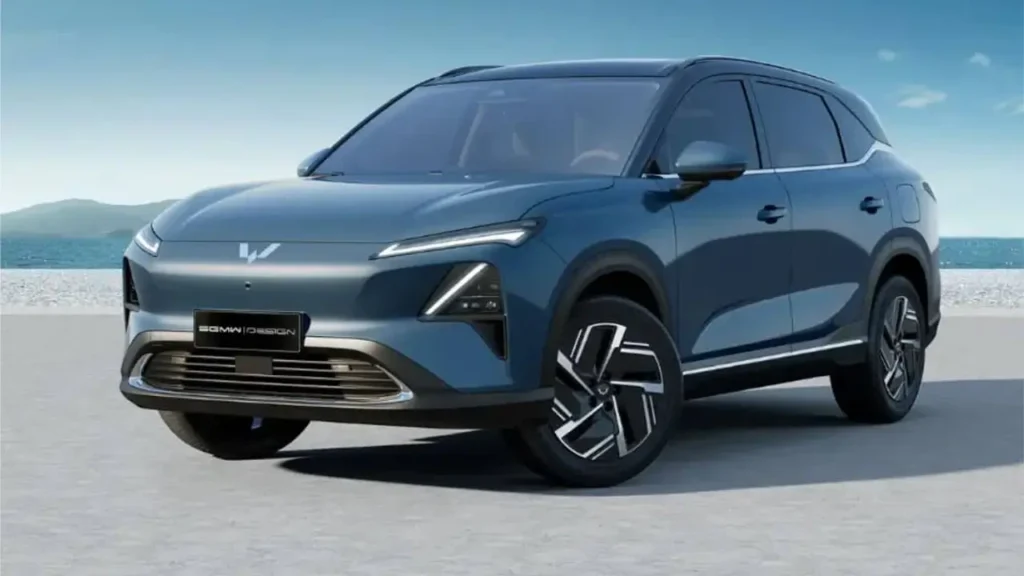
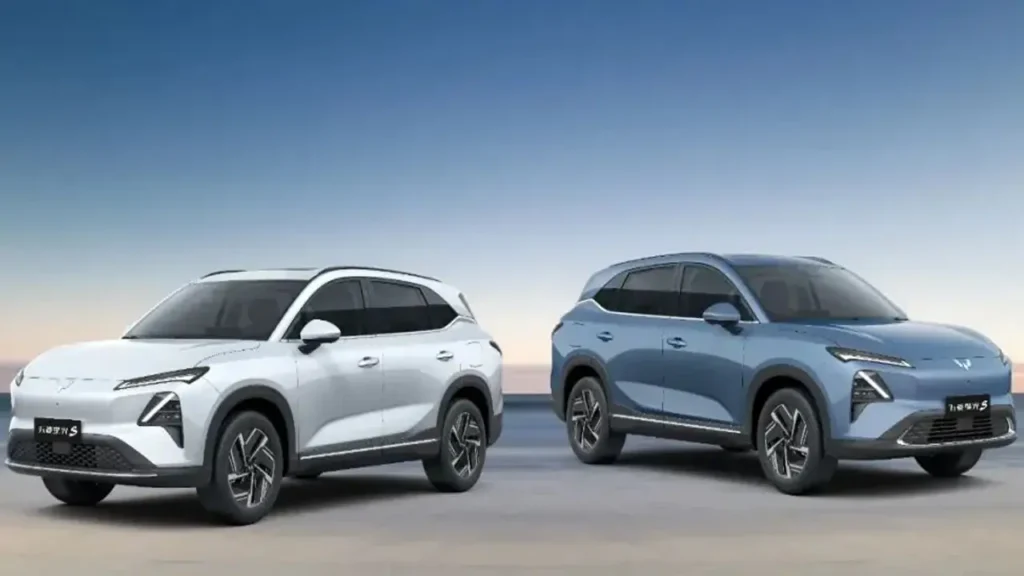
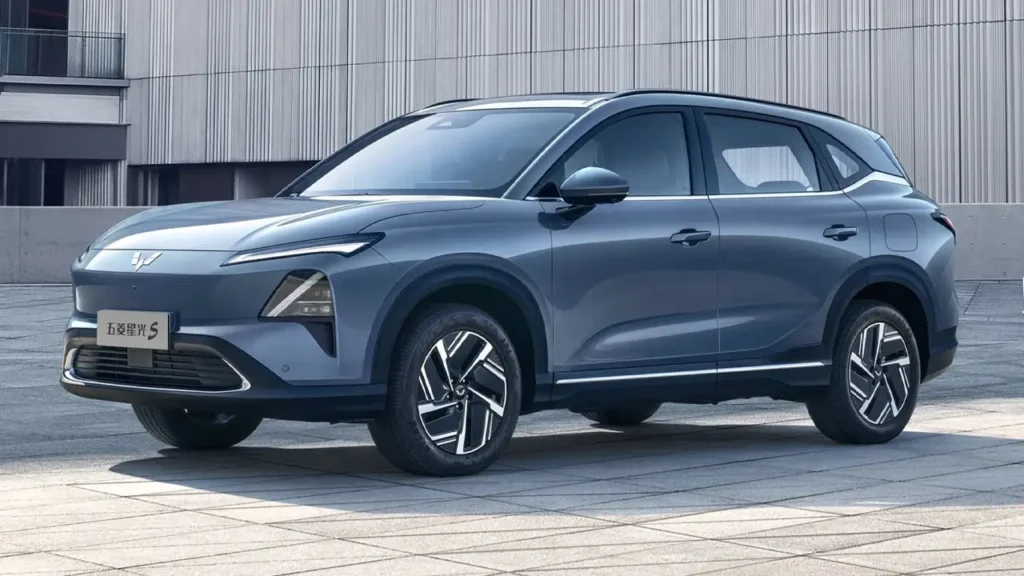
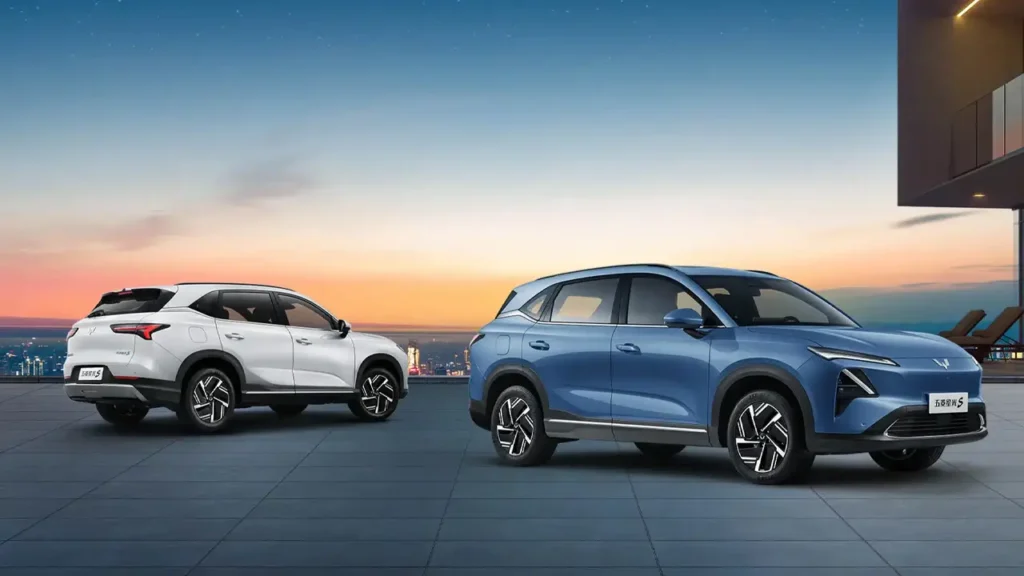
The first thing people notice about the Wuling Starlight S specs isn’t the numbers—it’s how the thing actually looks. Wuling hired designers who clearly studied the homework from premium brands. The front fascia features a sleek, closed-off grille typical of electrified vehicles, flanked by sharp LED headlights that incorporate a distinctive “星光” (starlight) signature lighting pattern. There’s no cheapness in the lighting; these are full LEDs front and rear, not the halogen bulbs you’d expect at this price.
Measuring 4,835mm long, 1,860mm wide, and 1,515mm tall with a 2,800mm wheelbase, the Starlight S sits firmly in the compact crossover segment. For context, that wheelbase is longer than a Honda CR-V’s, promising decent rear legroom. The side profile avoids the boxy, utilitarian look of budget vehicles, instead opting for a gently sloping roofline that adds visual dynamism without sacrificing too much headroom. Flush door handles—a feature usually reserved for more expensive vehicles—give it a clean, modern appearance.
The wheel situation varies by trim. Base models get 17-inch alloys that look fine but a bit underwhelming in the large wheel arches, while higher trims sport 18-inch units that better fill the space. The paint quality surprised me during inspection—the clear coat appears consistent, and panel gaps, while not Lexus-level tight, are completely acceptable for the price point. Wuling clearly invested in decent stamping and assembly processes.
Around back, a full-width LED taillight bar connects slender vertical light clusters, creating a modern signature at night. The rear bumper integrates subtle diffuser-style elements and concealed exhaust tips, maintaining the clean aesthetic. It’s not groundbreaking design, but it’s cohesive, modern, and devoid of the awkward proportions that plague many budget vehicles.
3. Interior & Technology: Where the Money Shows
Step inside, and the Wuling Starlight S interior continues the surprisingly upscale impression. The dashboard architecture centers around a 15.6-inch floating touchscreen oriented vertically—a layout borrowed from Tesla and since adopted across the industry. This isn’t some sluggish, afterthought infotainment system; the interface runs on a relatively snappy processor with clear graphics and logical menu structures.
Material choices reveal where Wuling saved money and where they spent it. The upper dashboard and door tops feature soft-touch materials with convincing stitching, while hard plastics populate the lower regions. This high-low approach mirrors what mainstream brands like Honda and Toyota do, prioritizing surfaces you frequently interact with. The seats are wrapped in synthetic leather that won’t fool anyone into thinking it’s real hide, but the bolstering is supportive and the cushioning density feels appropriate for long drives.
The 10.25-inch digital instrument cluster provides customizable displays showing everything from energy flow diagrams to navigation guidance. Unlike some competitors that still use partial digital displays or analog gauges, Wuling went full digital across all trims—a smart move for a tech-focused audience. Climate controls remain physical buttons and dials below the main screen, a welcome decision that prevents the frustration of diving through menus to adjust temperature.
Rear seat space benefits from that lengthy wheelbase. Adults over six feet tall will find adequate legroom, though headroom gets a bit tight for taller passengers due to the sloping roofline. The rear bench is fairly flat, compromising middle-seat comfort somewhat, but the outboard positions are genuinely comfortable for trips several hours long. Rear air vents and USB charging ports are included—details that budget vehicles sometimes skip.
Cargo capacity measures 480 liters with the rear seats up, expanding to approximately 1,400 liters with them folded. That’s less than some non-hybrid competitors because the battery pack intrudes on cargo volume, but it’s still enough for a family’s weekly shopping or several large suitcases. The rear seats fold in a 60/40 split, though the floor isn’t completely flat when lowered—a minor annoyance for loading larger items.
4. Powertrain Overview: Hybrid Engineering on a Budget
The Wuling Starlight S hybrid SUV employs a plug-in hybrid system that combines a 1.5-liter naturally aspirated gasoline engine with an electric motor. Total system output reaches 177 horsepower, which sounds modest on paper but feels adequate in practice thanks to the electric motor’s instant torque delivery. The gasoline engine operates on the efficient Atkinson cycle, prioritizing fuel economy over outright power—a sensible choice for a vehicle targeting economy-minded buyers.
The electric motor integrates with a single-speed transmission, while the gasoline engine connects through a more complex multi-mode transmission that can act as both a series and parallel hybrid. In simple terms: at low speeds and during gentle acceleration, the electric motor does most of the work, with the gasoline engine potentially acting as a generator. At higher speeds or during hard acceleration, both power sources work together, with the gasoline engine also directly driving the wheels for better efficiency.
This architecture isn’t as sophisticated as some rival systems from BYD or Honda, which use more complex multi-motor setups, but it’s proven and cost-effective. Wuling didn’t reinvent the wheel here; they adapted existing technology into a package that works reliably without exotic components that would inflate costs.
The battery pack uses lithium iron phosphate (LFP) chemistry, favored in China for its lower cost, excellent safety characteristics, and tolerance for repeated charging cycles. Capacity varies by trim, with the standard battery offering 18.3 kWh and an available larger 25.6 kWh pack. LFP batteries don’t offer the energy density of nickel-based chemistries, explaining why the Starlight S carries fairly large batteries to achieve its range figures, but they’re significantly cheaper and last longer—smart tradeoffs for this market segment.
Charging occurs via a combination port on the front fender. AC charging at 6.6 kW means a full charge takes about 3-4 hours from a home wallbox, which is perfectly acceptable for overnight charging. Unfortunately, there’s no DC fast charging capability—a limitation across most affordable PHEVs that keeps costs down but means you can’t quickly top up on road trips like you could with a pure EV.
5. Driving Range & Efficiency: Real-World Numbers
The Wuling Starlight S range varies significantly depending on which battery you choose. The standard 18.3 kWh pack delivers a CLTC-rated pure electric range of 85 kilometers (approximately 53 miles), while the larger 25.6 kWh battery extends that to 120 kilometers (about 75 miles). These are Chinese CLTC figures, which tend to be more optimistic than EPA or WLTP ratings. Real-world electric range in moderate weather typically comes in about 20-25% lower, meaning you’re looking at roughly 40-45 miles for the small battery and 55-60 miles for the large one.
For many Chinese buyers, particularly those in smaller cities or with predictable commutes, this electric range covers daily driving entirely. Plug in overnight, drive to work and back electrically, repeat. The gasoline engine becomes a range extender for weekend trips or unexpected longer drives, eliminating the anxiety that still plagues pure EV owners.
Wuling Starlight S fuel consumption becomes relevant when the battery depletes and you’re running in hybrid mode. Official CLTC figures claim around 4.8 liters per 100 kilometers (roughly 49 mpg) in hybrid mode, which again proves optimistic in real use. Owner reports suggest actual highway fuel consumption hovers around 6-7 liters per 100 kilometers (34-40 mpg) when running as a hybrid—still excellent for a vehicle this size and weight, though not quite the miraculous efficiency the brochure suggests.
Combined range with a full battery and full tank approaches 1,000 kilometers (620 miles), making the Starlight S genuinely practical for long trips despite its modest electric range. This flexibility represents the key advantage of PHEVs in markets where charging infrastructure remains patchy—you get electric efficiency for daily use with zero compromise on ultimate range.
Temperature impacts battery range as it does with all electrified vehicles. Chinese owners in northeastern provinces report electric range dropping 30-40% during harsh winter conditions, while southern owners see minimal seasonal variation. The LFP battery chemistry handles temperature extremes better than some alternatives, but physics still applies—cold weather reduces battery efficiency and cabin heating consumes significant energy.
6. Price & Value for Money: The Market Disruption
The Wuling Starlight S price starts at approximately 99,800 yuan (roughly $14,000) for the base model with the smaller battery, extending to around 129,800 yuan (approximately $18,000) for the top trim with the larger battery and all available features. These Wuling Starlight S China price figures have sent shockwaves through the automotive industry because they undercut most competitors by 30-50% while offering comparable features and quality.
To understand this pricing, you need context on China’s automotive market. Government subsidies for new energy vehicles (NEVs) reduce the actual price consumers pay, though these incentives are gradually phasing out as adoption increases. Local governments often add their own incentives, and NEVs bypass license plate lotteries in major cities like Shanghai and Beijing—benefits worth thousands of dollars by themselves.
Manufacturing scale plays a huge role. SAIC-GM-Wuling operates massive production facilities in Guangxi province with integrated supply chains that reduce component costs. The company produces hundreds of thousands of vehicles annually across multiple models, spreading fixed costs and leveraging bulk purchasing power that startups can’t match. Vertical integration means many components are produced in-house rather than purchased from expensive tier-one suppliers.
| Feature | Base Trim | Mid Trim | Top Trim |
|---|---|---|---|
| Price (CNY) | 99,800 | 114,800 | 129,800 |
| Battery Capacity | 18.3 kWh | 25.6 kWh | 25.6 kWh |
| Electric Range (CLTC) | 85 km | 120 km | 120 km |
| Screen Size | 12.3″ | 15.6″ | 15.6″ |
| Wheel Size | 17″ | 18″ | 18″ |
| Driver Assistance | Basic | Advanced | Advanced+ |
| Interior Material | Cloth/Vinyl | Synthetic Leather | Premium Synthetic |
Value for money becomes subjective based on market. For Chinese buyers, the Starlight S offers incredible value—features and refinement previously requiring 200,000+ yuan vehicles now available for half that. For international buyers in markets where this vehicle might eventually appear, the equation changes. Import duties, homologation costs, and smaller economies of scale would likely push prices significantly higher, potentially reducing the value advantage.
7. Wuling Starlight S vs BYD Song: The People’s Champion Showdown
The Wuling Starlight S vs BYD Song comparison matters because these vehicles target the exact same buyer: middle-class Chinese families seeking affordable electrification without sacrificing practicality. The BYD Song Plus DM-i, the direct competitor, starts around 140,000 yuan—roughly 40% more expensive than the base Starlight S. That price difference is substantial, but BYD’s brand carries significantly more cachet and their hybrid technology is widely recognized as industry-leading.
From a purely technical standpoint, BYD’s DM-i system is more sophisticated. Their hybrid architecture achieves better fuel economy in hybrid mode (commonly 4.5-5.0 L/100km in real-world use versus the Starlight S’s 6-7 L/100km), and their battery energy density allows for longer electric range without as much weight penalty. The Song Plus DM-i with a comparable battery offers about 110 kilometers CLTC range from a smaller, lighter battery pack.
Interior quality tilts slightly toward BYD as well. The Song Plus features more extensive use of soft-touch materials, and the infotainment system, while not dramatically better, includes more native app integrations and over-the-air update capabilities that Wuling’s system lacks. BYD’s rotating screen is a signature feature that some love and others find gimmicky, but it does add a premium feeling absent in the Starlight S.
However, the Wuling Starlight S fights back with design. This is subjective, but many reviewers and buyers find the Starlight S exterior more attractive and modern-looking than the Song Plus, which skews more conservative in its styling. The Starlight S also offers a slightly larger wheelbase, translating to marginally better rear legroom—a meaningful consideration for families with taller teenagers.
| Specification | Wuling Starlight S | BYD Song Plus DM-i |
|---|---|---|
| Starting Price (CNY) | 99,800 | 139,800 |
| Length (mm) | 4,835 | 4,705 |
| Wheelbase (mm) | 2,800 | 2,765 |
| System Power (hp) | 177 | 197-235 (varies) |
| Battery Options | 18.3 / 25.6 kWh | 18.3 / 20.5 kWh |
| Max EV Range (km) | 120 | 110 |
| Hybrid Fuel Economy | 6-7 L/100km (real) | 4.5-5 L/100km (real) |
| Screen Size | 15.6″ | 12.8″ / 15.6″ |
The verdict in this comparison depends entirely on budget and priorities. If you can afford the BYD Song Plus DM-i, it’s objectively the more refined, efficient vehicle with better brand reputation and resale value. But if budget constraints matter—and for most buyers, they absolutely do—the Starlight S delivers 80-85% of the experience for 60-70% of the price. That math makes sense for millions of Chinese families, explaining why the Starlight S sells in volumes that surprise industry analysts.
8. Real Owner Reviews: What Chinese Buyers Actually Say
Diving into Wuling Starlight S real owner reviews from Chinese automotive forums, car-sharing apps, and social media reveals patterns that don’t always make it into professional reviews. Owner feedback after several months of daily use provides invaluable insight into long-term reliability, hidden annoyances, and unexpected pleasures.
The most common praise centers on running costs. Owners who commute within electric range report monthly fuel expenses dropping to nearly zero, paying only for electricity that costs a fraction of gasoline per kilometer. Multiple owners in second and third-tier cities mention averaging 150-200 yuan ($21-28) monthly for combined electricity and occasional gasoline fillups—a dramatic reduction from the 800-1,000 yuan they previously spent on fuel alone.
Interior space and comfort receive generally positive marks, with families appreciating the rear legroom and cargo capacity. However, several owners note that taller passengers (over 180cm) find rear headroom somewhat limited due to the sloping roofline—consistent with my own observations. The seats hold up well over time according to six-month+ owners, with no reports of significant wear or deterioration in the synthetic leather.
Technology complaints emerge around the infotainment system. While the hardware is capable, several owners report bugs in the navigation software, occasional touch response lag, and limited third-party app support compared to BYD or newer competitors. The voice control system works reasonably well for basic commands but struggles with complex requests or thick regional accents. These aren’t deal-breakers, but they reveal where Wuling’s software development lags behind competitors who’ve invested more heavily in digital ecosystems.
Build quality feedback is mixed but generally positive for the price point. Most owners report no significant issues through their first year of ownership, though a minority mention minor interior squeaks and rattles developing after several months. One common complaint involves the rear hatch struts, which several owners claim weakened prematurely, requiring dealer replacement. Paint quality holds up well according to owners in various climates, with no widespread reports of premature fading or peeling.
Battery performance concerns are minimal so far. The LFP chemistry proves durable through daily charge cycles, with owners reporting minimal capacity degradation even after 20,000-30,000 kilometers of driving. Winter range loss frustrates owners in northern provinces, but this is universal to all electrified vehicles and not specific to the Starlight S. Importantly, there are no widespread reports of battery failures or safety incidents—a relief given past concerns about budget EVs.
Customer service experiences vary by region. Wuling’s dealer network is extensive in China, but service quality depends heavily on the specific dealer. Some owners praise quick warranty work and helpful service advisors, while others complain about long waits for appointments and parts. This inconsistency is common across most mainstream brands in China and not unique to Wuling.
9. Pros and Cons: Who Should Buy This SUV?
After examining the Wuling Starlight S PHEV from multiple angles, clear strengths and weaknesses emerge that help define the ideal buyer for this vehicle.
Pros:
The value proposition stands as the Starlight S’s defining advantage. You simply cannot find this combination of space, technology, and electrified powertrain at this price point anywhere else globally. For budget-conscious buyers who want modern features without stretching finances, few vehicles compete.
Design punches far above the price class. The exterior styling looks contemporary and premium, avoiding the cheap, awkward aesthetics that plague many budget vehicles. Walking up to this SUV doesn’t broadcast that you bought the cheapest option—it looks like a thoughtful choice.
Daily driving costs are minimal for buyers whose commutes fit within electric range. Charging overnight at home electricity rates costs a fraction of gasoline, and maintenance requirements for the hybrid system are less demanding than traditional engines. Over five years of ownership, the fuel savings alone could offset a significant portion of the purchase price.
Space and practicality suit family use. The generous wheelbase provides legitimate rear legroom for adults, the cargo area swallows weekly shopping and luggage, and the rear seats fold to accommodate larger items when needed. It’s a genuinely useful vehicle, not just a budget compromise.
The LFP battery chemistry offers peace of mind regarding longevity and safety. These batteries tolerate repeated charging cycles better than some alternatives and have excellent safety records—important for buyers keeping the vehicle long-term.
Cons:
Hybrid fuel economy lags behind best-in-class competitors. When running on gasoline with a depleted battery, the Starlight S consumes noticeably more fuel than rivals like the BYD Song Plus DM-i. For buyers who frequently exceed electric range, this efficiency gap matters over thousands of kilometers.
Software and infotainment lag more advanced competitors. The system works fine for basic tasks, but it lacks the polish, app ecosystem, and update cadence that companies like BYD, NIO, or Tesla provide. Tech-focused buyers will notice this deficit.
Brand prestige is minimal outside China, and even within China, Wuling’s brand doesn’t carry the aspirational quality of BYD or foreign marques. For buyers who care about badge status, this matters. Resale value likely suffers as a result, though the low initial price mitigates this somewhat.
No DC fast charging limits road trip flexibility. While the gasoline range extender solves this practically, EV owners accustomed to topping up quickly on highway fast chargers will find the Starlight S more limited. You can only charge at AC rates, meaning you can’t gain significant range during a meal stop.
Build quality, while good for the price, doesn’t match premium standards. Panel gaps are wider than luxury vehicles, some materials feel cheap upon close inspection, and long-term durability remains unproven given the model’s recent introduction.
Ideal Buyer Profile:
The Wuling Starlight S makes perfect sense for middle-class Chinese families with predictable daily commutes under 60-70 kilometers who want to electrify their daily driving without paying premium prices or accepting pure EV range limitations. It’s ideal for second or third-tier city buyers where traffic is moderate, parking at home allows overnight charging, and weekend trips to visit family or tourist destinations benefit from the gasoline backup.
It makes less sense for buyers who frequently drive long distances, those who prioritize cutting-edge technology and software, or anyone who cares deeply about brand prestige. If you’re shopping with a 150,000+ yuan budget, better options exist. But if your budget caps around 100,000-120,000 yuan and you want the most modern, spacious, efficient vehicle that money can buy, the Starlight S deserves serious consideration.
10. Final Verdict: A Rational Choice in an Expensive World
This Wuling Starlight S PHEV review ultimately reveals a vehicle that succeeds brilliantly at its core mission: providing affordable, practical electrification to the mass market. In an automotive landscape increasingly dominated by luxury electric vehicles priced for upper-middle-class buyers, the Starlight S remembers that most people still need to watch their budgets carefully while also wanting to reduce fuel costs and environmental impact.
Is it perfect? Absolutely not. The hybrid efficiency trails class leaders, the software needs refinement, and the brand lacks prestige. But perfection was never the goal—sufficiency at an accessible price was. And by that measure, Wuling succeeded remarkably.
The Starlight S represents what happens when a manufacturer truly understands its market. Wuling recognized that Chinese buyers in smaller cities want modern design, appreciate technology, need family space, and desire electrification—but they won’t pay 200,000 yuan for these things. By focusing engineering resources on visible, tangible features while using proven, cost-effective solutions for the powertrain, Wuling created something that feels far more expensive than it actually is.
Looking forward, the Starlight S could foreshadow the future of global automotive markets. As manufacturing costs continue declining and electric powertrains become commoditized, the ability to deliver genuinely good vehicles at accessible prices will separate winners from losers. Western manufacturers still charging $40,000+ for basic electric crossovers should take note—buyers everywhere eventually demand value, and companies like Wuling are learning how to deliver it.
For Chinese buyers shopping today, the Wuling Starlight S deserves a test drive and serious consideration. It won’t be the right choice for everyone, but for millions of families seeking rational transportation in 2025, it might be one of the smartest purchases available. That’s high praise for any vehicle, regardless of price—and for one costing $14,000, it’s genuinely remarkable.
If you’re interested in how smart technology is changing not only cars but entire industries, take a look at AI-powered tools that drive real results. From automation and content creation to business optimization, AI is no longer the future — it’s working today. Explore practical solutions here:
https://aiinnovationhub.shop/
Discover more from AutoChina
Subscribe to get the latest posts sent to your email.