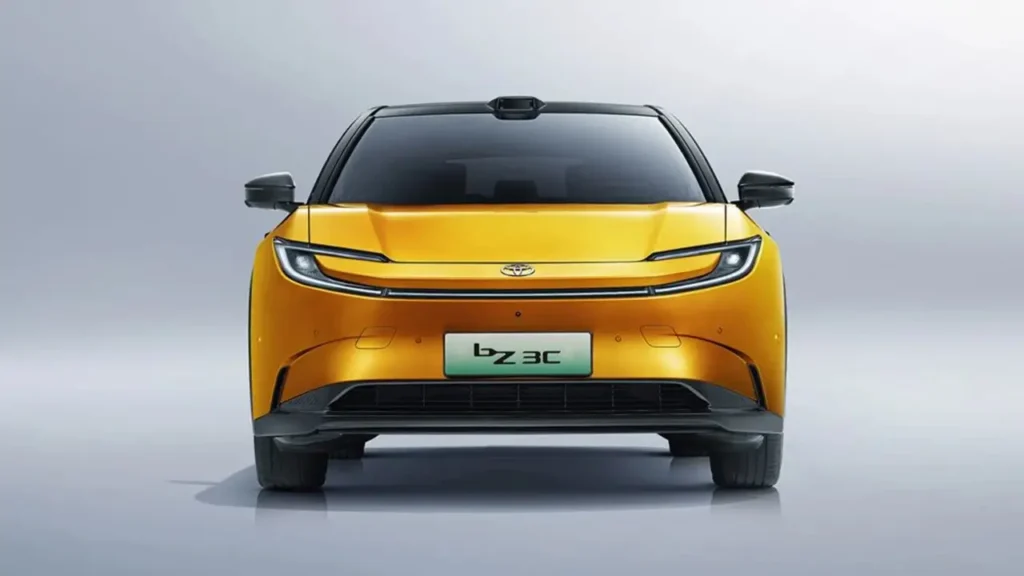
Welcome to an exciting dive into the Toyota bZ3C autonomous driving features, where Japanese engineering meets innovative Chinese technology from BYD. If you’re curious about electric vehicles (EVs) that blend reliability with cutting-edge smarts, the bZ3C is a standout model tailored for the Chinese market. Launched through a collaboration between Toyota, BYD, and FAW Toyota, this crossover SUV represents Toyota’s push into affordable, tech-packed EVs. But why is this not just another bZ4X? Let’s break it down in a friendly way to help you understand its unique appeal.
First off, Toyota bZ3C autonomous driving emphasizes practical assistance rather than full self-driving hype. It incorporates LiDAR and advanced sensors for safer, smoother rides, but it’s built on a foundation of Level 2+ autonomy—meaning it handles tasks like lane-keeping and adaptive cruise control while keeping you in the loop. This “Chinese heart” comes from BYD’s battery and motor tech, which provides efficient power without the premium price tag of global models.
Now, comparing Toyota bZ3C vs bZ4X: The bZ4X is Toyota’s global EV flagship on the e-TNGA platform, offering all-wheel-drive options and up to 338 horsepower for broader appeal. It’s larger, with dimensions around 4690 mm long and a focus on family utility, achieving EPA ranges of about 252 miles. In contrast, the bZ3C is more compact at 4780 mm long, designed specifically for China’s urban drivers, with front-wheel drive and BYD’s LFP battery for better cost-efficiency and longevity.
While the bZ4X prioritizes ruggedness and global standards, the bZ3C shines in smart integration, like its optional LiDAR for enhanced autonomous driving in dense traffic. This makes the bZ3C feel like a “smart Toyota” for tech-savvy buyers, whereas the bZ4X is more about traditional Toyota dependability.
Think of the bZ3C as Toyota’s bridge to the future in China—affordable, feature-rich, and autonomous-ready without overpromising. It’s not aiming to replace the bZ4X but to complement it by addressing local needs like rapid charging and app-heavy cockpits. If you’re new to EVs, this model shows how partnerships can create vehicles that are both innovative and accessible. Over the next sections, we’ll explore its specs, features, and why it might be the EV you’ve been waiting for. Stick around to learn more!
If you’re tracking new tech waves, don’t miss what’s happening in visual AI right now. Flux.1 is one of those tools that can change how creators, sellers, and marketers produce high-quality images at scale. I broke it down with real use-cases here: https://aiinnovationhub.shop/flux-1-image-for-selling/
Toyota bZ3C Autonomous Driving: Key Specs in 60 Seconds
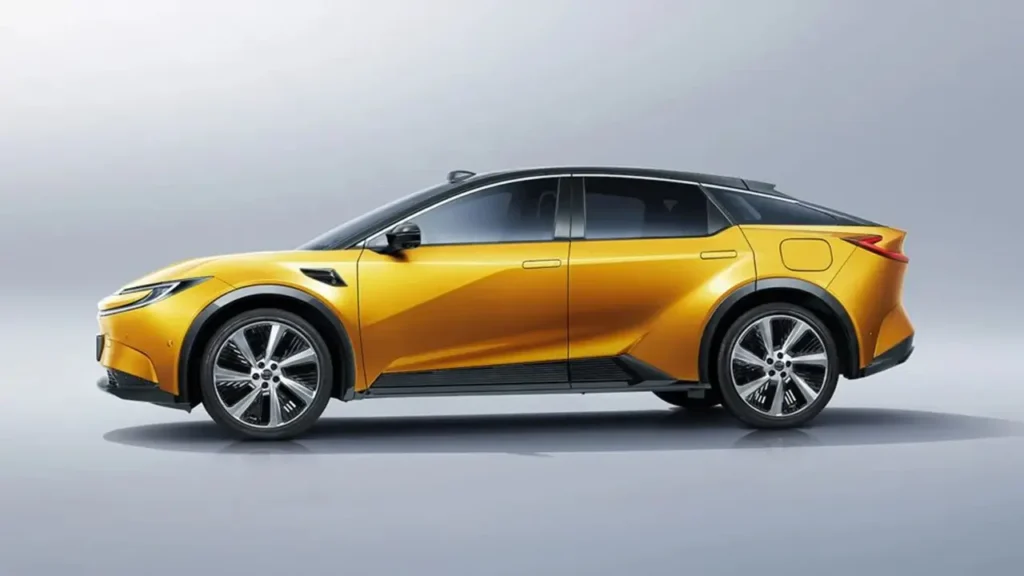
If you’re eager to grasp the essentials of Toyota bZ3C autonomous driving without diving deep just yet, this section is your quick guide. The bZ3C is a sleek electric crossover that packs impressive Toyota bZ3C specs into a package designed for everyday usability. Built on a collaborative platform with BYD, it prioritizes efficiency, safety, and smart tech, making it an educational entry point for those exploring EVs.
At its core, the bZ3C measures 4780 mm in length, 1866 mm in width, and 1510 mm in height, with a generous 2880 mm wheelbase for comfortable seating. This compact yet spacious design fits urban lifestyles perfectly. Power comes from a single front-mounted electric motor delivering 268 horsepower, ensuring responsive acceleration without excess drama. The battery is a lithium-iron-phosphate (LFP) unit from BYD, known for its safety and longevity, though exact capacity isn’t publicly detailed—focus instead on its real-world performance.
For range, Toyota claims up to 630 km on the CLTC cycle, ideal for long commutes. Charging is efficient, supporting fast DC options to minimize downtime. The smart driving suite includes LiDAR for precise environmental mapping, enhancing autonomous features like adaptive cruise and lane assist. Inside, a 15.6-inch touchscreen dominates the dashboard, running a smart cockpit with AI integration.
Here’s a handy table summarizing the key specs:
| Category | Details |
|---|---|
| Dimensions (L x W x H) | 4780 x 1866 x 1510 mm |
| Wheelbase | 2880 mm |
| Power | 268 hp electric motor |
| Battery | BYD LFP (capacity TBD) |
| Range | Up to 630 km CLTC |
| Smart Driving/LiDAR | LiDAR-enabled Level 2+ autonomy |
| Screen | 15.6-inch touchscreen |
| Charging | Fast DC compatible |
Toyota bZ3C Autonomous Driving and LiDAR: What “Autopilot” Really Means Here
Let’s explore Toyota bZ3C autonomous driving and LiDAR in a straightforward way—think of it as your friendly intro to how this tech works without the buzzwords. The bZ3C isn’t promising full self-driving like some hype machines; instead, it offers reliable Level 2+ assistance, where the car handles routine tasks but requires your attention. This makes it educational for drivers new to autonomous features, showing how sensors enhance safety.
Central to this is the Toyota bZ3C LiDAR system, mounted on the windshield for 360-degree environmental scanning. LiDAR uses laser pulses to create detailed 3D maps, spotting obstacles, pedestrians, and road changes more accurately than cameras alone. Why LiDAR? In busy Chinese cities, it excels at low-light or foggy conditions, reducing accident risks. Media reports highlight its end-to-end AI integration, meaning the system learns from data to improve decisions like lane changes or emergency braking.
The “autopilot” here means features like adaptive cruise control, automatic lane-keeping, and traffic jam assist. It’s not Level 3 autonomy (where you can zone out), but Level 2+ with advanced hardware for smoother operation. Leaks suggest it uses 27 sensors, including cameras and radar, powered by chips like Nvidia’s for quick processing. This setup promises safer drives, but remember, it’s assistance—not replacement—for human judgment.
For beginners, imagine LiDAR as the car’s “eyes” that see beyond what you can, feeding data to the autonomous system for proactive responses. Official Toyota statements emphasize safe, comfortable driving through these tools. While not magical, it’s a step toward smarter EVs. If you’re considering the bZ3C, this LiDAR-enhanced autonomy could make daily commutes less stressful, especially in traffic-heavy areas. It’s all about building trust through practical tech!
If regular EV news feels too normal, Xpeng just went full sci-fi. Their “Land Aircraft Carrier” is a 6×6 modular beast that literally carries a drone inside, built for real production—not just a concept slideshow. Specs, range, and why it’s wild are here: https://autochina.blog/xpeng-land-aircraft-carrier-specs-6×6/
Toyota bZ3C autonomous driving
Toyota bZ3C Autonomous Driving + Smart Cockpit: “Smart Toyota” from Inside
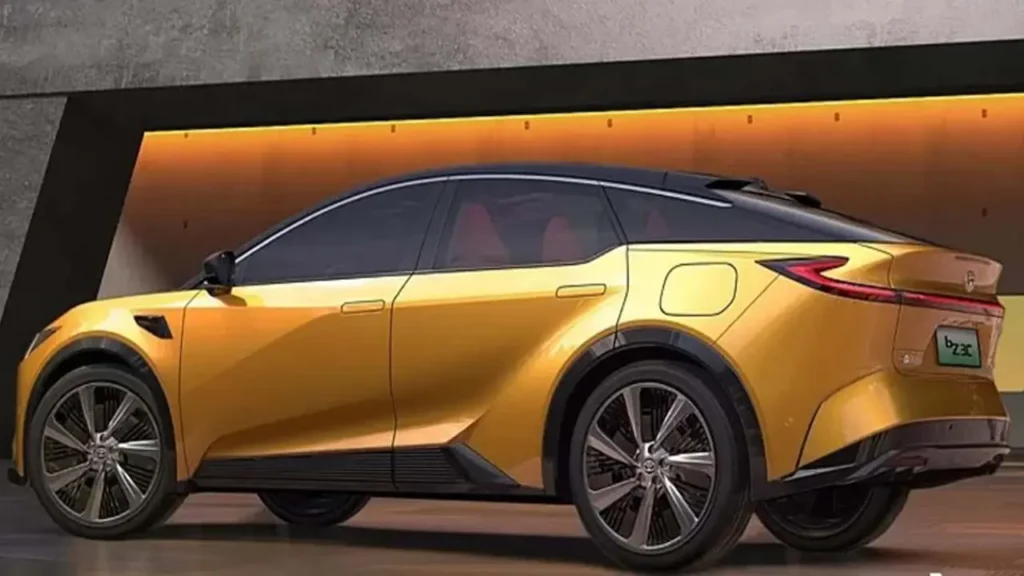
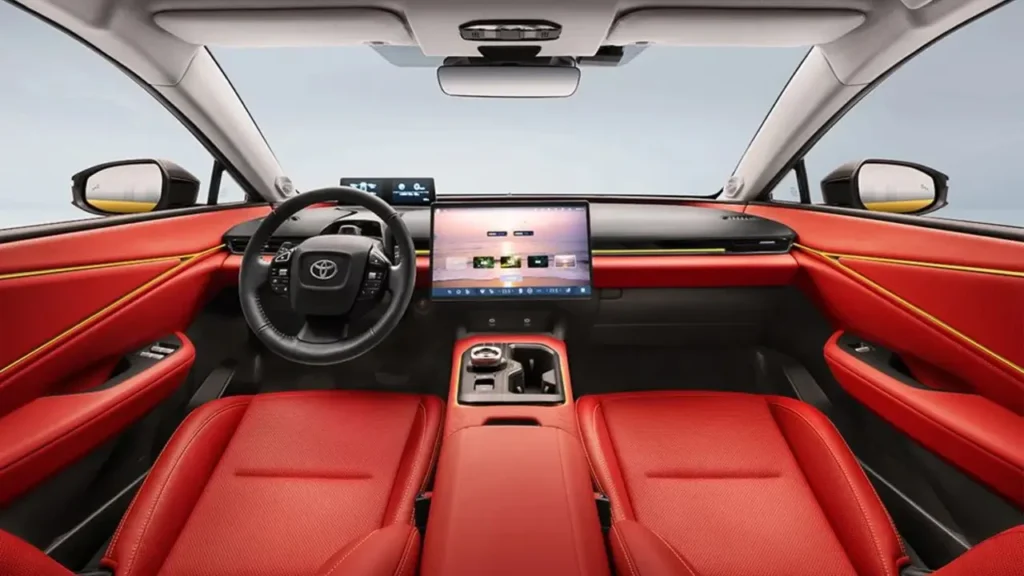
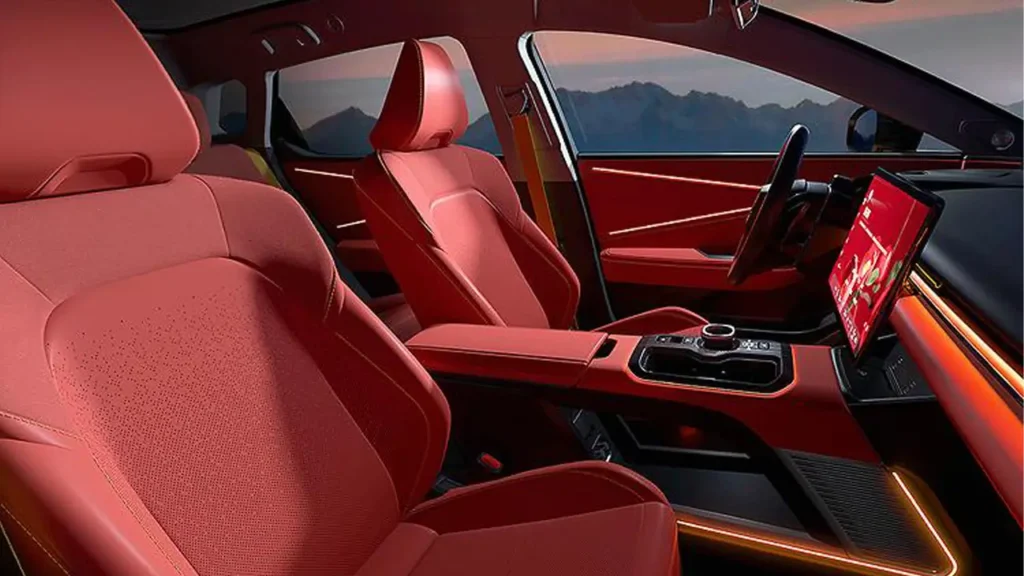
Diving into the Toyota bZ3C autonomous driving + smart cockpit feels like stepping into a modern living room on wheels—let’s unpack it educationally so you can picture yourself behind the wheel. The smart cockpit is the heart of the “smart Toyota” experience, integrating seamless interfaces that complement the autonomous features for a cohesive drive.
At the center is a massive 15.6-inch touchscreen, serving as the hub for navigation, entertainment, and vehicle controls. This isn’t just a display; it’s powered by an ecosystem with over 200 third-party apps, allowing everything from streaming music to real-time traffic updates. The interface is intuitive, with AI-driven personalization—think voice commands that adjust seats or climate based on your preferences. Autonomous driving ties in here, as the screen displays LiDAR data visualizations, like augmented reality overlays for lane guidance.
Smart scenarios elevate the cabin: Imagine the system detecting fatigue via cameras and suggesting a coffee stop, or integrating with home devices for seamless transitions. It’s designed for China’s tech-forward market, with 5G connectivity for in-car video calls and AI face recognition for secure access. This creates “umnye” (smart) moments, like ambient lighting syncing with music or autonomous parking previews on the screen.
For newcomers, the Toyota bZ3C smart cockpit teaches how EVs can be more than transport—they’re companions. Official Toyota highlights its role in safe, comfortable driving, blending autonomy with user-friendly apps. It’s not overwhelming; instead, it’s inviting, making tech accessible. Whether commuting or road-tripping, this setup makes the bZ3C feel futuristic yet familiar.
Toyota bZ3C autonomous driving
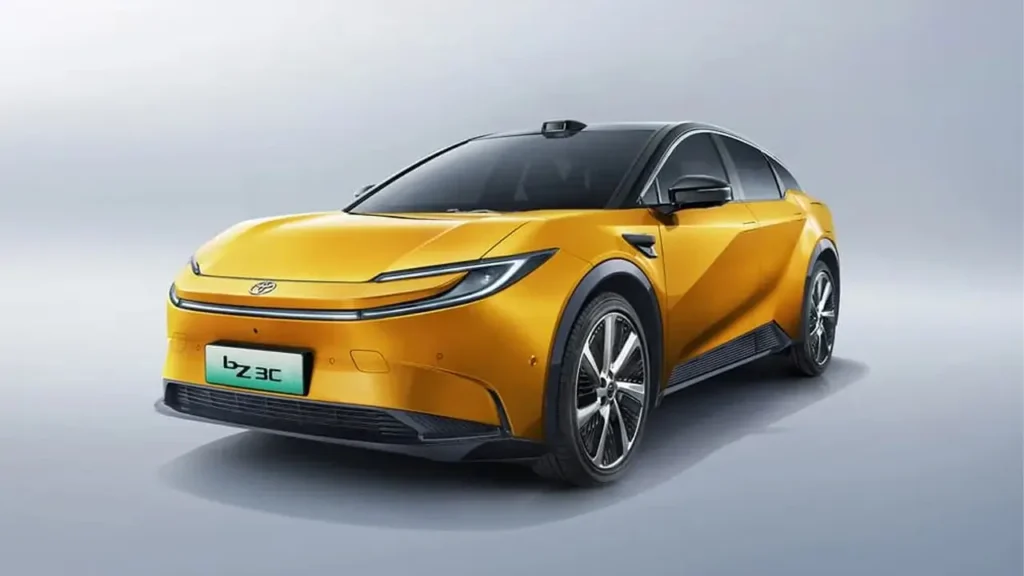
Toyota bZ3C Autonomous Driving with BYD Battery: Why It Matters
Understanding Toyota bZ3C autonomous driving with BYD battery is key to appreciating its practicality—let’s explore this partnership in an introductory manner. The BYD-sourced LFP (lithium-iron-phosphate) battery is the “Chinese heart” powering everything from daily drives to smart features, offering a blend of safety and efficiency that’s educational for EV enthusiasts.
Why LFP? Unlike nickel-based batteries in some EVs, LFP is more stable, resistant to overheating, and longer-lasting—ideal for autonomous systems that demand reliable energy. This tech from BYD’s FinDream division positions the bZ3C as a practical choice, with lower degradation over time and better cold-weather performance. For Toyota, partnering with China’s battery leader means accessing cost-effective innovation without compromising quality.
In practice, the Toyota bZ3C BYD battery supports up to 630 km range, enabling extended autonomous cruising without frequent stops. It’s about real-world usability: LFP’s safety features align with autonomy’s need for consistent power, reducing risks during assisted driving. This combo reflects Toyota’s shift toward hybrid tech ecosystems, learning from Chinese expertise to make EVs more accessible.
For beginners, think of it as a durable power source that enhances the overall experience—safer, cheaper to maintain, and eco-friendly. Official sources note this integration boosts positioning in competitive markets. If reliability matters to you, this battery setup makes the bZ3C a smart pick.
Toyota bZ3C autonomous driving
Toyota bZ3C Autonomous Driving with BYD Motor: Dynamics Without Drama
The Toyota bZ3C autonomous driving with BYD motor brings smooth, efficient performance to the forefront—let’s break it down educationally. This single front-mounted motor from BYD delivers 268 horsepower, focusing on balanced dynamics rather than raw speed, perfect for urban and highway autonomy.
What stands out is its torque delivery: Instant acceleration for merging or overtaking, yet refined to avoid “drama” like wheel spin. For most drivers, this is plenty—enough for family hauls or solo commutes, but not overkill for efficiency. The front-wheel-drive setup keeps things simple and cost-effective, integrating seamlessly with autonomous features like regenerative braking for energy recovery.
Who’ll love it? City dwellers who value quiet, responsive rides; it might feel “enough” for them but “lacking” for thrill-seekers compared to dual-motor setups. The Toyota bZ3C BYD motor emphasizes practicality, supporting the car’s smart driving without excess power drain.
In essence, it’s about harmonious performance that educates on EV basics—efficient, reliable, and tied to autonomy for safer travels. Official Toyota collaborations highlight this as a step toward accessible tech.
Toyota bZ3C autonomous driving
Toyota bZ3C Autonomous Driving Range: Reality of “630 km” and Charging
The Toyota bZ3C’s autonomous driving range is rated at up to 630 kilometers under the China Light-Duty Vehicle Test Cycle (CLTC) standard, which represents an optimistic assessment compared to more stringent protocols such as the Worldwide Harmonized Light Vehicles Test Procedure (WLTP) or the Environmental Protection Agency (EPA) estimates. This CLTC figure typically exceeds real-world performance by 20-30% due to its milder testing conditions, including lower speeds and minimal accessory usage. In practical mixed driving scenarios, encompassing urban, highway, and variable weather conditions, one may anticipate a range of approximately 400-500 kilometers, influenced by factors such as vehicle speed, ambient temperature, and the operation of climate control systems.
Autonomous driving features, including LiDAR integration, impose a minor additional energy demand; however, this is mitigated by regenerative braking systems that recapture kinetic energy during deceleration, thereby enhancing overall efficiency. For professional users or fleet operators, this configuration supports extended operational periods with reduced charging frequency, facilitating reliable daily utilization in autonomous modes.
Regarding charging capabilities, the bZ3C supports fast direct current (DC) charging at up to 150 kW, enabling a recharge from 30% to 80% battery capacity in approximately 27 minutes under optimal conditions. Alternating current (AC) home charging, conversely, requires several hours for a full replenishment, depending on the charger’s power output. This infrastructure compatibility positions the bZ3C favorably for practical electric vehicle adoption, emphasizing the importance of strategic range planning to account for variables like terrain and load. Official specifications underscore the vehicle’s design for efficiency, drawing from collaborative engineering with BYD to ensure robust performance in diverse environments. Professionals evaluating this model should consider local charging networks and usage patterns to optimize operational costs and downtime.
In summary, while the 630 km rating provides a benchmark, conservative planning based on real-world estimates is advisable to maintain reliability in autonomous applications.
Toyota bZ3C autonomous driving
Toyota bZ3C Autonomous Driving Safety: Cameras, Monitoring Driver and Attention Control
The Toyota bZ3C’s autonomous driving safety architecture incorporates an array of cameras, sensors, and advanced monitoring systems to ensure comprehensive vehicle awareness and operator vigilance. This includes multiple exterior cameras providing 360-degree environmental coverage, complemented by radar and LiDAR for precise object detection and distance measurement. The driver monitoring system employs artificial intelligence-based face recognition to identify signs of drowsiness, distraction, or inattention, thereby enhancing overall safety protocols.
Such systems may occasionally generate alerts—such as auditory signals or visual prompts—when deviations in attention are detected, which, although potentially perceived as intrusive, serve a critical preventive function in mitigating accident risks. This integration with autonomous features allows for seamless transitions between manual and assisted driving modes, ensuring that human oversight remains paramount in accordance with Level 2+ autonomy standards.
This configuration educates users on the principles of responsible vehicle operation, where technological aids augment but do not supplant human judgment. Official features, as detailed in manufacturer documentation, prioritize occupant protection through proactive interventions, including reminders for child passengers and gesture-based controls for minimal distraction. For professionals in automotive safety or fleet management, the bZ3C represents a balanced approach to advanced driver-assistance systems (ADAS), aligning with global safety benchmarks while incorporating China-specific innovations from partnerships like those with BYD.
In essence, these elements contribute to a secure driving experience, fostering confidence in the vehicle’s autonomous capabilities while underscoring the necessity of attentive operation.
Toyota bZ3C autonomous driving
Toyota bZ3C Autonomous Driving Price in China: Who Will Like It and Who Will Pass
The pricing for the Toyota bZ3C in China is anticipated to commence in the range of 110,000 to 160,000 yuan (approximately 15,000 to 22,000 USD), with variations across trim levels; base models offer essential features, while higher variants include advanced LiDAR-equipped autonomous systems. This competitive positioning places it alongside rivals such as the Tesla Model Y and BYD Atto 3, appealing to cost-conscious consumers seeking established brand reliability infused with cutting-edge technology.
This model is particularly suited to technology-oriented urban professionals and families who prioritize Toyota’s reputation for durability combined with intelligent features like extended range and sophisticated cockpits. Commuters valuing efficiency in densely populated areas will appreciate its practical autonomous capabilities and affordability, making it an accessible entry into electric mobility.
Conversely, individuals seeking high-performance attributes, such as all-wheel drive or superior acceleration, may find it less compelling, as the bZ3C emphasizes efficiency and cost-effectiveness over dynamic prowess. Enthusiasts requiring premium luxury elements might opt for alternatives in higher price segments.
Overall, the bZ3C serves as an exemplary option for newcomers to electric vehicles in the Chinese market, balancing innovation with economic viability.
Toyota bZ3C Autonomous Driving — Final Verdict
In conclusion, the Toyota bZ3C offers a pragmatic integration of autonomous driving technologies within an electric vehicle framework, suitable for those pursuing affordable intelligence in mobility solutions. It is recommended for acquisition by individuals desiring cost-effective smart features; alternatively, await potential international adaptations for broader availability, or forego it if luxury-oriented alternatives are preferred. For further insights into Chinese automotive advancements and technological hybrids, consider visiting www.autochina.blog.
Discover more from AutoChina
Subscribe to get the latest posts sent to your email.