 Skip to content
In a world where innovation meets practicality, the Xiaomi SU7 and the Tesla Model 3 stand out as two formidable contenders in the electric vehicle market. Both models offer a blend of cutting-edge technology and performance, but how do they stack up against each other in terms of price, range, and specs? From the Xiaomi SU7 vs Tesla Model 3 charging capabilities to their autopilot systems, this comparison will help you decide which one best fits your needs. Whether you’re in Europe or the USA, this detailed analysis will provide valuable insights. Subscribe to the website to stay updated with the latest in electric vehicle technology and reviews.
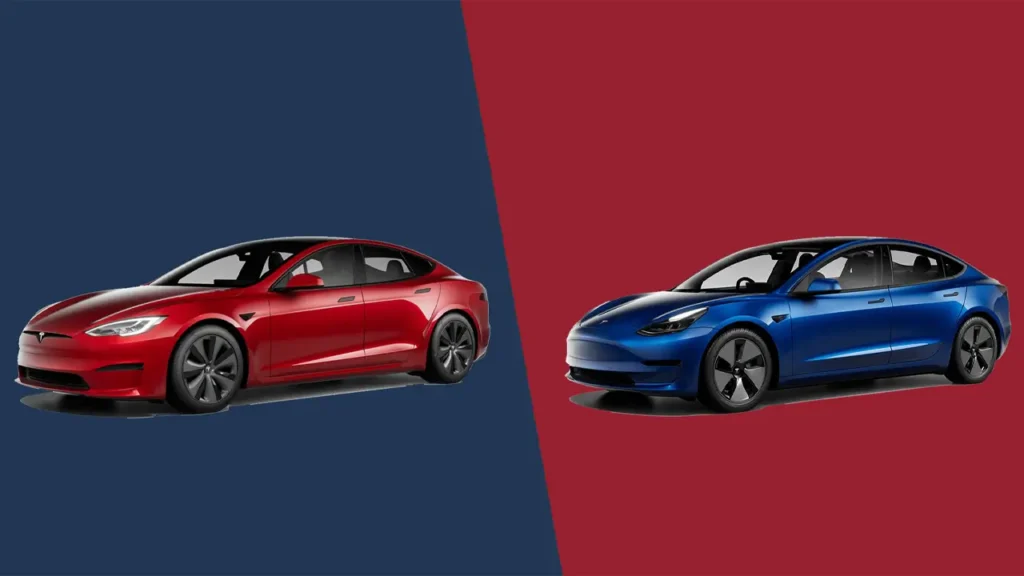
Price showdown: Xiaomi SU7 vs Tesla Model 3
When it comes to affordability, the Xiaomi SU7 and the Tesla Model 3 offer distinct propositions, each catering to different budgets and lifestyles. The Xiaomi SU7 stands out as a more accessible entry point into the world of electric vehicles, making it an appealing choice for those who are budget-conscious. With its competitive pricing, Xiaomi aims to bring the benefits of electric mobility to a broader audience, ensuring that more consumers can enjoy the eco-friendly and technologically advanced features without breaking the bank.
On the other hand, the Tesla Model 3 has established itself as a premium option in the EV market, backed by a robust brand reputation and a host of high-end features. The higher cost of the Model 3 is often justified by its cutting-edge technology, performance, and the luxury associated with the Tesla name. For many, the Model 3 represents a benchmark in electric vehicle design, offering a blend of style, functionality, and innovation that has set new standards in the industry. While the price tag is steeper, the value proposition is strong, especially for those who prioritize top-tier performance and brand prestige.
In the Xiaomi SU7 vs. Tesla Model 3 in Europe, the price comparison becomes even more nuanced due to the varying subsidies and tax incentives offered by different European countries. These government programs can significantly reduce the cost of both vehicles, making the decision even more challenging for potential buyers. For instance, in countries with generous EV incentives, the gap between the Xiaomi SU7 and the Tesla Model 3 might narrow, offering a more balanced choice. Understanding the local market conditions and financial support available is crucial for making an informed decision.
Both the Xiaomi SU7 and the Tesla Model 3 also offer financing options, which can make them more accessible to a wider audience. These flexible payment plans allow consumers to spread the cost over time, reducing the initial financial burden. Whether you’re looking at the SU7 or the Model 3, exploring the available financing schemes can help you find a payment plan that fits your budget. This added flexibility ensures that both vehicles remain within reach for many consumers, regardless of their upfront financial situation.
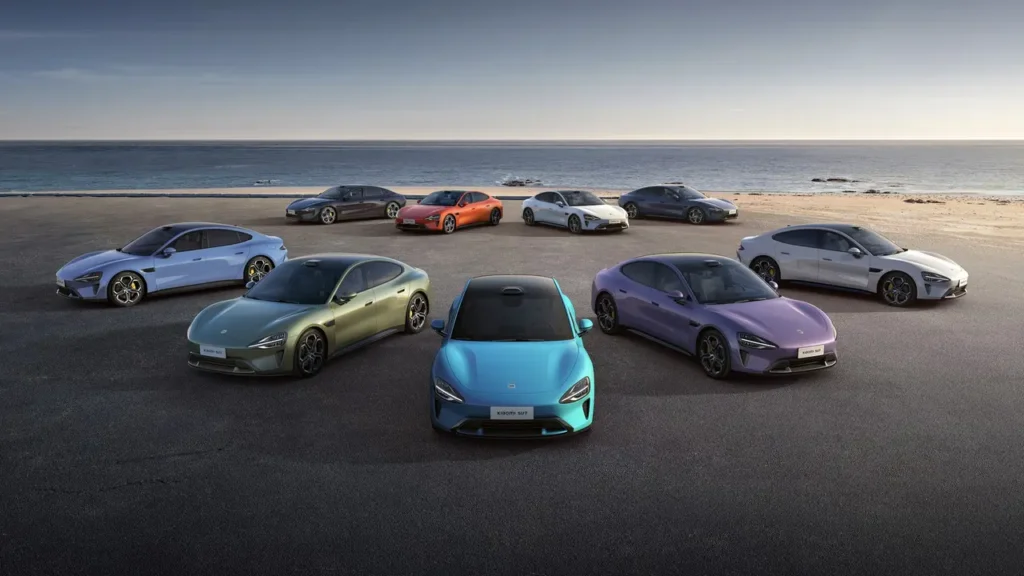
Xiaomi SU7 vs Tesla Model 3 — The Best Comparison. Range and efficiency: How they compare
Range and efficiency are crucial factors in the EV world, and the battle between the Xiaomi SU7 vs Tesla Model 3 is far from one-sided. The Xiaomi SU7 has made a strong entry into the market with a competitive range that caters to a wide array of driving needs. With a range that comfortably covers daily commutes and even longer trips, the SU7 is designed to alleviate range anxiety for most users. This makes it an attractive option for those who value the freedom to travel without frequent stops for charging.
On the other hand, the Tesla Model 3 has long been a benchmark in the electric vehicle industry, particularly when it comes to efficiency. Tesla’s extensive battery technology and continuous software updates have allowed the Model 3 to maintain a leading edge in real-world driving performance. The Model 3’s efficiency is not just a number on a spec sheet; it translates into a more reliable and consistent driving experience, making it a top choice for those who prioritize long-distance travel and minimal energy consumption. This superior efficiency is a result of Tesla’s commitment to innovation and its deep understanding of electric vehicle dynamics.
The Xiaomi SU7’s efficiency is also noteworthy, thanks to its advanced energy recovery systems and aerodynamic design. These features work in tandem to maximize the vehicle’s range and reduce energy waste. The energy recovery systems, in particular, are designed to capture and reuse energy that would otherwise be lost during braking, contributing to a more sustainable and efficient drive. The SU7’s sleek, aerodynamic body further enhances its efficiency by reducing drag, allowing the vehicle to glide through the air with minimal resistance.
In the Xiaomi SU7 vs Tesla Model 3 in Europe, both models face unique challenges and opportunities when it comes to charging infrastructure and regulatory frameworks. Tesla’s extensive Supercharger network provides a significant advantage for Model 3 owners, offering fast and convenient charging options across the continent. However, the SU7 is not left behind, as it is compatible with a growing number of charging stations and benefits from the increasing availability of public charging networks in Europe. Regulations and incentives for electric vehicles vary by country, but both the SU7 and the Model 3 are well-positioned to meet the demands of European drivers.
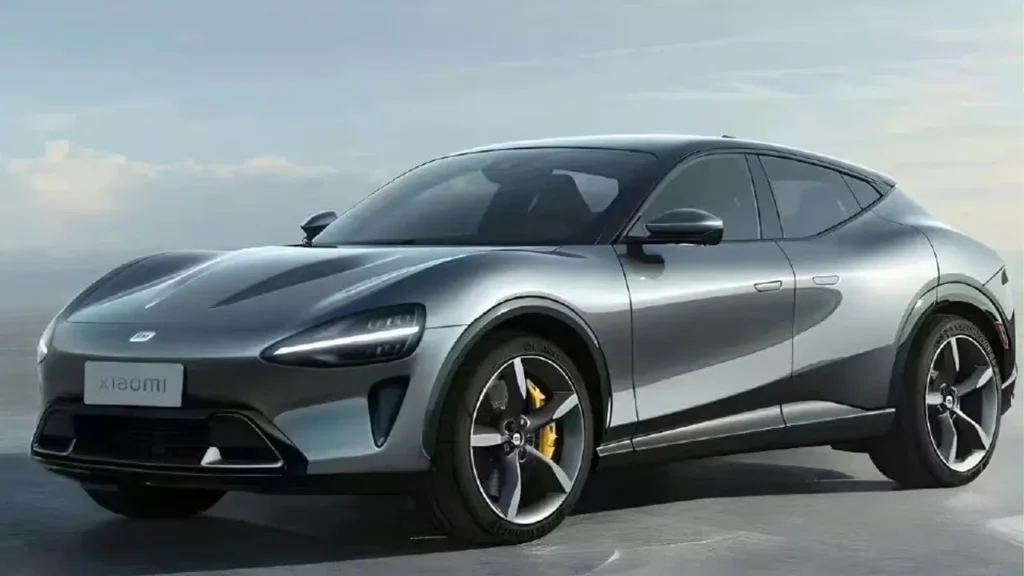
Xiaomi SU7 vs Tesla Model 3 — The Best Comparison. Tech specs battle: Under the hood
Beneath the sleek exteriors, the tech specs of the Xiaomi SU7 vs. Tesla Model 3 offer a wealth of insights into their performance and capabilities. The Xiaomi SU7 is a formidable contender in the electric vehicle market, boasting a powertrain that delivers impressive performance. With its advanced electric motor, the SU7 can achieve rapid acceleration, making it a thrilling ride that can keep up with the demands of modern driving. While exact figures are not always available, the SU7’s powertrain technology is designed to offer a seamless and powerful driving experience, challenging the dominance of the Tesla Model 3 in this area.
The Tesla Model 3, on the other hand, has long been praised for its superior range efficiency. Tesla’s advanced battery technology, which has been continuously refined over the years, ensures that the Model 3 can travel longer distances on a single charge. This is a significant advantage for those who prioritize range and efficiency, as it reduces the frequency of charging stops and enhances the overall driving experience. However, the Xiaomi SU7 vs. Tesla Model 3 battery comparison is more nuanced than just range. Both vehicles feature cutting-edge battery management systems that optimize performance and extend battery life, but Tesla’s software updates have consistently brought improvements in this area, further solidifying its lead.
In terms of thermal management, the Xiaomi SU7 introduces innovative systems that enhance overall vehicle performance and reliability. These systems are designed to maintain optimal operating temperatures, even under extreme conditions, which can be crucial for the longevity and efficiency of the vehicle. The SU7’s thermal management is a testament to Xiaomi’s commitment to innovation and quality, ensuring that the vehicle can perform at its best, no matter the environment. This is a critical aspect of the Xiaomi SU7 vs. Tesla Model 3 specs battle, as it directly impacts the vehicle’s performance and user experience.
When it comes to software, the Tesla Model 3 has set a high standard in the industry. Tesla’s over-the-air updates are a hallmark of the brand, bringing continuous improvements in performance, safety, and user features. These updates can add new functionalities, enhance existing ones, and even improve the vehicle’s range and efficiency. The Xiaomi SU7 vs. Tesla Model 3 comparison in this area is particularly interesting, as it highlights the difference between a well-established player and a newcomer.
While Xiaomi may not have the same legacy of software updates, the SU7 is equipped with a robust and upgradable system that can compete in terms of user interface and connectivity. The large touchscreen and intuitive user interface in the SU7 are designed to provide a seamless and modern driving experience, much like the Tesla Model 3. However, the true test of software will come with time, as both manufacturers continue to push the boundaries of what is possible in electric vehicles.
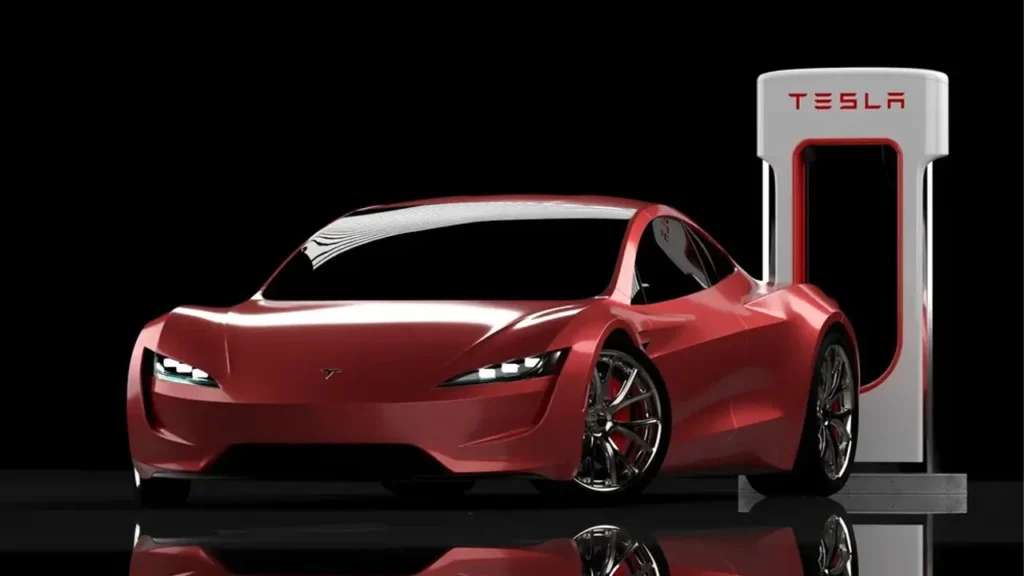
Xiaomi SU7 vs Tesla Model 3 — The Best Comparison. Charging convenience: On the go
Charging convenience is more than just a feature; it’s a necessity, and both the Xiaomi SU7 and Tesla Model 3 have their own unique approaches to keeping you on the road. The Xiaomi SU7 offers a robust charging system that ensures you can recharge quickly and efficiently, whether you’re at home or on the road.
With a fast-charging capability, the SU7 can reach an 80% charge in under an hour using a high-power home charging station. This is particularly useful for daily commutes, as it means you can start each day with a full battery. Additionally, the SU7 is equipped with a mobile app that allows you to monitor and schedule charging sessions, ensuring that your vehicle is always ready when you need it. For those who frequently travel, the SU7 also supports a variety of public charging networks, making it easy to find a charging point no matter where you are.
The Tesla Model 3 benefits from Tesla’s extensive Supercharger network, which is designed to enhance long-distance travel. With Superchargers strategically placed along major routes, Tesla owners can recharge their vehicles in as little as 15 minutes, significantly reducing downtime on trips. The Model 3’s charging speed is optimized for efficiency, allowing you to get back on the road faster. Like the Xiaomi SU7, the Model 3 also supports mobile app monitoring and scheduling, providing a seamless user experience.
However, Tesla takes charging convenience a step further with its charging capabilities by offering an integrated navigation system that can automatically plan routes to the nearest Supercharger. This feature is particularly useful for long journeys, as it ensures you never run out of power. Moreover, the Model 3 introduces innovative wireless charging for smartphones, adding to the overall user convenience and making it a standout feature in the tech-savvy market.
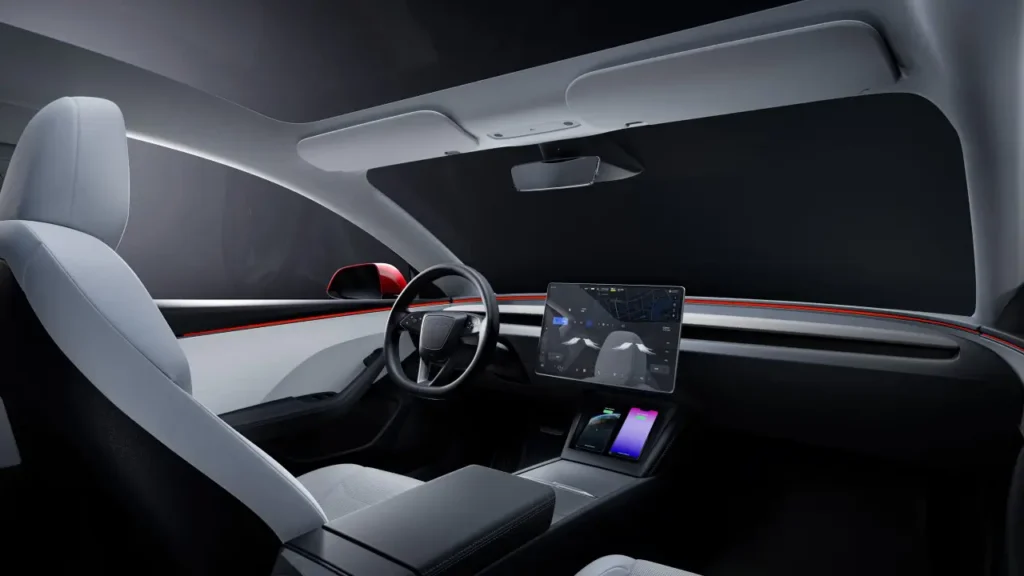
Xiaomi SU7 vs Tesla Model 3 — The Best Comparison. Interior and Autopilot: Driving experience
The driving experience is about more than just the journey; it’s about the comfort and safety of the ride, and the interior and Autopilot systems of the Xiaomi SU7 vs. Tesla Model 3 set the stage for an unforgettable experience. The Xiaomi SU7 offers a spacious, tech-forward cabin that prioritizes user convenience and luxury. With a generous amount of legroom and headroom, passengers can enjoy a comfortable ride, even on longer journeys.
The dashboard is equipped with a large, high-resolution touchscreen that serves as the hub for the vehicle’s entertainment and navigation systems. Additionally, the SU7 integrates AI voice control, enhancing the hands-free driving experience. This feature allows drivers to control various functions, such as climate settings, music, and navigation, with simple voice commands, reducing distractions and increasing safety.
On the other hand, the Tesla Model 3 boasts a minimalist, futuristic design that is both sleek and functional. The interior is characterized by its simplicity, with a large, central touchscreen that dominates the dashboard. This screen not only controls the vehicle’s functions but also provides a clean and intuitive interface for the driver. The Model 3’s cabin is well-insulated, providing a quiet and serene environment that enhances the overall driving experience. While the SU7 offers more traditional design elements, the Model 3’s approach is more streamlined and modern, appealing to those who value a clutter-free aesthetic.
When it comes to advanced driver assistance systems, the Xiaomi SU7 vs. Tesla Model 3 Autopilot comparison is particularly interesting. Tesla’s Autopilot is widely recognized as one of the most advanced systems on the market, offering features like Autosteer, Autopark, and Navigate on Autopilot. These features allow the vehicle to handle many driving tasks, from lane changes to parking, with minimal input from the driver.
Tesla’s system is continually updated through over-the-air software updates, ensuring that it remains at the forefront of technology. The Xiaomi SU7, while not as advanced in its Autopilot capabilities, does offer a robust suite of driver assistance features that include adaptive cruise control and lane-keeping assist. These systems, combined with the AI voice control, create a driving experience that is both safe and convenient.
Both models prioritize safety, incorporating advanced collision avoidance systems to protect occupants. The Tesla Model 3 has been praised for its comprehensive safety features, including forward collision warning, automatic emergency braking, and side collision intervention. The Xiaomi SU7 also includes a range of safety features, such as blind-spot monitoring and rear cross-traffic alert, ensuring that drivers and passengers are well-protected. While the Model 3 may have a slight edge in terms of the sheer number of features, the SU7’s focus on integrating these systems with its AI voice control creates a seamless and intuitive driving experience.
Connectivity options are another area where the Xiaomi SU7 vs. Tesla Model 3 interior differ significantly. The Xiaomi SU7 is equipped with a multitude of charging ports, including USB-A and USB-C, making it easy for passengers to keep their devices charged on the go. The vehicle also supports wireless charging, adding another layer of convenience for smartphone users. In contrast, the Tesla Model 3 offers a more streamlined approach to connectivity, with a focus on wireless technology. While it may have fewer physical ports, the Model 3’s integration with Tesla’s ecosystem, including its mobile app, allows for remote control of various functions, such as climate settings and charging.
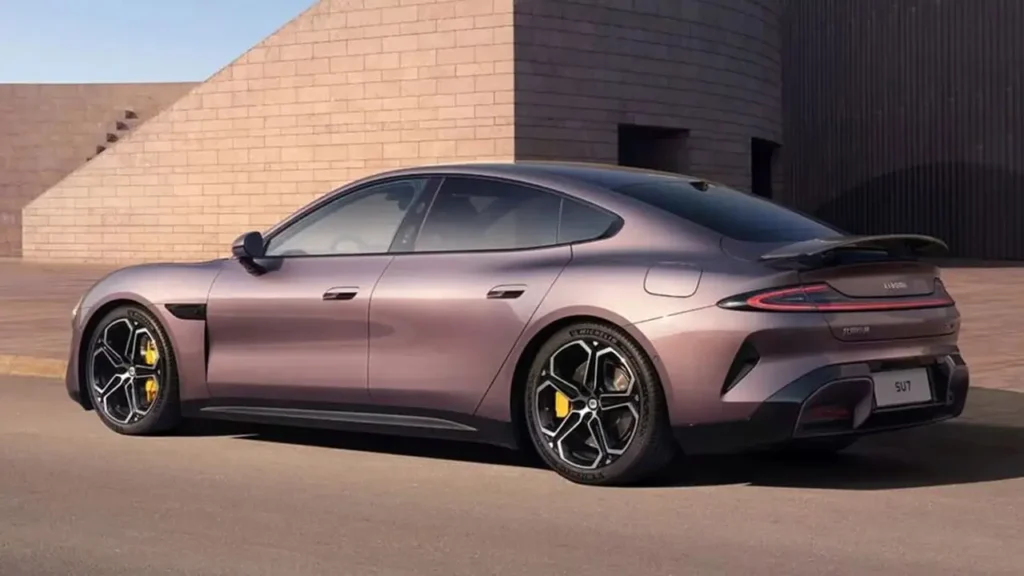
Xiaomi SU7 vs Tesla Model 3 — The Best Comparison. Xiaomi SU7 vs Tesla Model 3 autopilot
When it comes to advanced driver-assistance systems, the Autopilot features of the Xiaomi SU7 and Tesla Model 3 offer a glimpse into the future of automotive technology. Tesla has long been a pioneer in this field, with its Model 3 boasting a suite of Autopilot functions that enhance both safety and convenience. These features include adaptive cruise control, lane departure warning, and automatic emergency braking, among others. The Model 3’s Autopilot is designed to provide a hands-free driving experience, although it still requires the driver to remain attentive and ready to take control at any moment. Tesla’s commitment to continuous improvement is evident through its regular software updates, which often introduce new capabilities and refine existing ones.
On the other hand, Xiaomi, a relative newcomer to the automotive industry, has introduced the SU7 with its own set of innovative driver-assist technologies. The SU7’s Autopilot system is designed to be user-friendly and highly responsive, incorporating advanced sensors and AI algorithms to provide a seamless driving experience. Some of the standout features include traffic jam assist, which helps navigate through heavy traffic, and a sophisticated camera system that monitors the road and surrounding environment in real-time. Xiaomi’s approach to Autopilot is to integrate it seamlessly with the car’s overall tech ecosystem, ensuring that it works in harmony with other smart features like the infotainment system and connectivity options.
Real-world testing has highlighted some key differences in performance and reliability between the SU7 and the Model 3. Tesla’s Autopilot has been extensively tested and is known for its robustness and reliability, thanks to the vast amount of data collected from its fleet of vehicles. However, the SU7’s system has shown promising results, particularly in urban environments where its traffic jam assist and camera system excel. Both vehicles are continuously evolving, with software updates that address user feedback and incorporate new technologies. This ongoing development ensures that drivers can expect improvements in their Autopilot experiences over time.
In the European market, the Autopilot configurations of both the Xiaomi SU7 and Tesla Model 3 are tailored to meet local driving conditions and regulations. Tesla has a strong presence in Europe and has adapted its Autopilot features to work effectively on European roads, which often have different traffic patterns and signage compared to other regions. Xiaomi, recognizing the importance of the European market, has also fine-tuned its SU7’s Autopilot to provide a more localized and personalized driving experience. These market-specific configurations highlight the commitment of both manufacturers to ensuring that their vehicles are well-suited to the needs of European drivers.
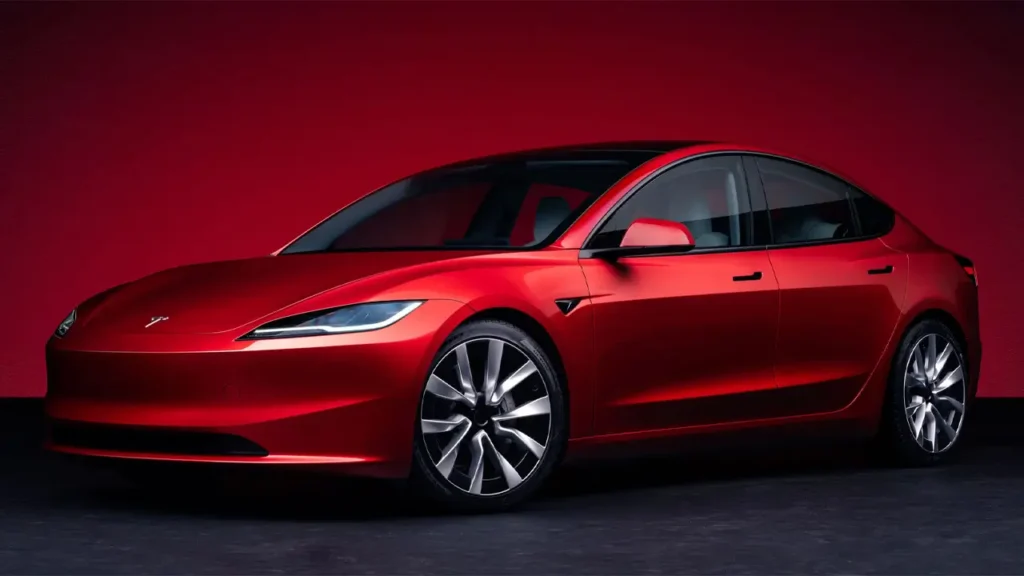
Xiaomi SU7 vs Tesla Model 3 — The Best Comparison. Xiaomi SU7 vs Tesla Model 3 in Europe
In Europe, the landscape of electric vehicles is rapidly evolving, and the Xiaomi SU7 vs. Tesla Model 3 is at the forefront of this transformation. The Xiaomi SU7 vs. Tesla Model 3 price debate is particularly intense in European markets, where affordability and value for money are crucial factors for consumers. The Xiaomi SU7 has made significant inroads by offering a competitive price point, challenging Tesla’s long-standing dominance. This pricing strategy makes the SU7 an attractive option for budget-conscious buyers who are looking for a high-quality electric vehicle without the premium price tag.
However, when it comes to charging infrastructure, the Tesla Model 3 has a clear advantage. Tesla has built an extensive Supercharger network across Europe, which greatly enhances travel flexibility and convenience for Model 3 owners. This network is unmatched by many other EV manufacturers, including Xiaomi, which is still in the process of expanding its charging options. The Xiaomi SU7 vs. Tesla Model 3 charging comparison highlights the importance of a robust charging ecosystem, especially for those who frequently travel long distances or live in areas with limited public charging stations.
In terms of infotainment, the Xiaomi SU7 introduces innovative features that cater to the European market. The vehicle comes with a state-of-the-art infotainment system that includes local content partnerships, ensuring that European drivers have access to relevant and engaging media. This localized approach is a strategic move by Xiaomi to enhance the user experience and compete with the well-established tech offerings of the Tesla Model 3. While the Model 3’s infotainment system is also highly praised, the SU7’s focus on local content could be a differentiator for many European consumers.
European safety standards are stringent and significantly influence the design and features of both the Xiaomi SU7 and the Tesla Model 3. Both vehicles have undergone rigorous testing to meet these standards, but the Tesla Model 3 stands out with its advanced safety features and continuous updates. Tesla’s Autopilot system, which is more advanced and frequently updated to cater to European roads, is a key selling point. The Xiaomi SU7 vs. Tesla Model 3 Autopilot comparison reveals that while the SU7 offers a reliable and user-friendly system, Tesla’s technology is currently more sophisticated and better integrated with the vehicle’s overall performance. This could be a decisive factor for safety-conscious buyers in Europe.
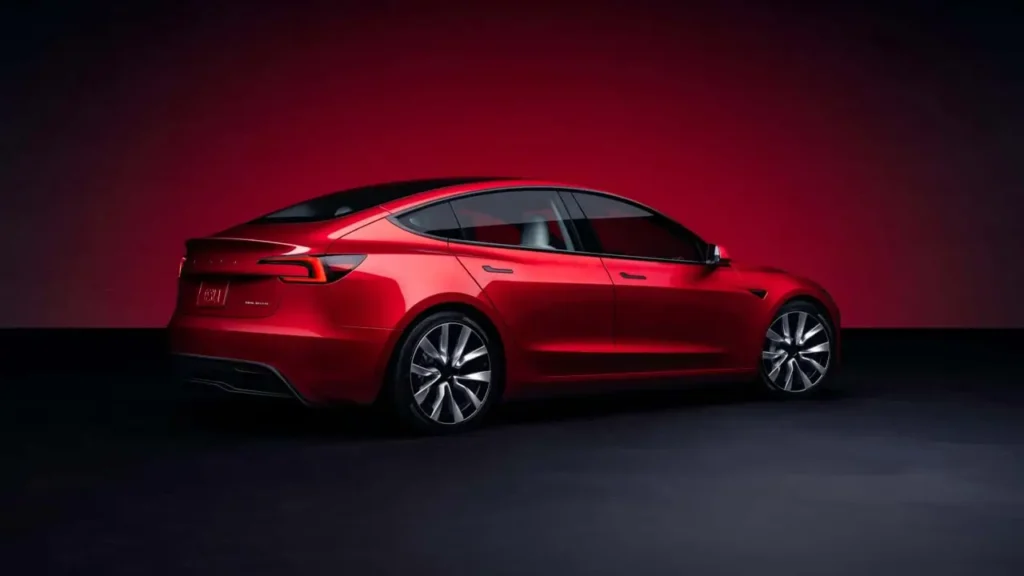
Xiaomi SU7 vs Tesla Model 3 — The Best Comparison. USA: Xiaomi SU7 vs Tesla Model 3
Across the Atlantic, the USA presents a different set of challenges and opportunities for electric vehicles, and the Xiaomi SU7 vs Tesla Model 3 are well-prepared to meet them. In the American market, the Xiaomi SU7 vs Tesla Model 3 price is a significant factor for many buyers. The Xiaomi SU7 offers competitive pricing, making it an attractive option for budget-conscious consumers. This affordability could be a game-changer in a market where electric vehicles are still viewed as a premium choice.
On the other hand, the Tesla Model 3 has established itself as a leader in the EV segment, with a strong brand presence and a loyal customer base. Despite the higher price tag, the Model 3’s reputation for innovation and reliability continues to draw attention and secure sales.
When it comes to infrastructure, the Tesla Model 3 benefits from the extensive and well-established Supercharger network across the USA. This network provides convenient and fast charging options, making long-distance travel more feasible and less stressful for Tesla owners. While the Xiaomi SU7 is still building its charging infrastructure, the company has been proactive in partnerships and investments to improve accessibility.
For urban drivers, the SU7’s compact design is a significant advantage, offering ease of maneuverability and parking in congested city environments. The Xiaomi SU7 vs Tesla Model 3 range is a different story, with the Model 3 leading in this aspect. The superior range of the Tesla Model 3 makes it an excellent choice for those who frequently travel long distances or require more flexibility in their driving.
In terms of technology and safety, the Xiaomi SU7 vs Tesla Model 3 Autopilot is a clear differentiator. The Tesla Model 3’s advanced Autopilot system is a step ahead in the American market, adhering to the highest tech and safety standards. This feature not only enhances the driving experience but also provides a level of convenience and security that is highly valued by US consumers. The Xiaomi SU7, while equipped with its own suite of advanced driver-assistance systems (ADAS), still has some catching up to do in this regard.
However, the SU7’s tech integrations and customizations for the US market show a commitment to meeting local preferences and demands. For instance, the integration of popular US navigation and entertainment systems, as well as smartphone connectivity, ensures that the SU7 remains a compelling choice for tech-savvy buyers.
Both models have unique customizations and tech integrations that cater to the specific needs of the US market. The Tesla Model 3, with its robust ecosystem and seamless integration with Tesla’s mobile app, offers a highly connected and user-friendly experience. Meanwhile, the Xiaomi SU7 focuses on providing a balance of affordability and cutting-edge technology, making it a strong contender for those looking to enter the EV market without breaking the bank. As the US market continues to evolve, the competition between these two models is likely to intensify, with each brand striving to offer the best combination of features, performance, and value.
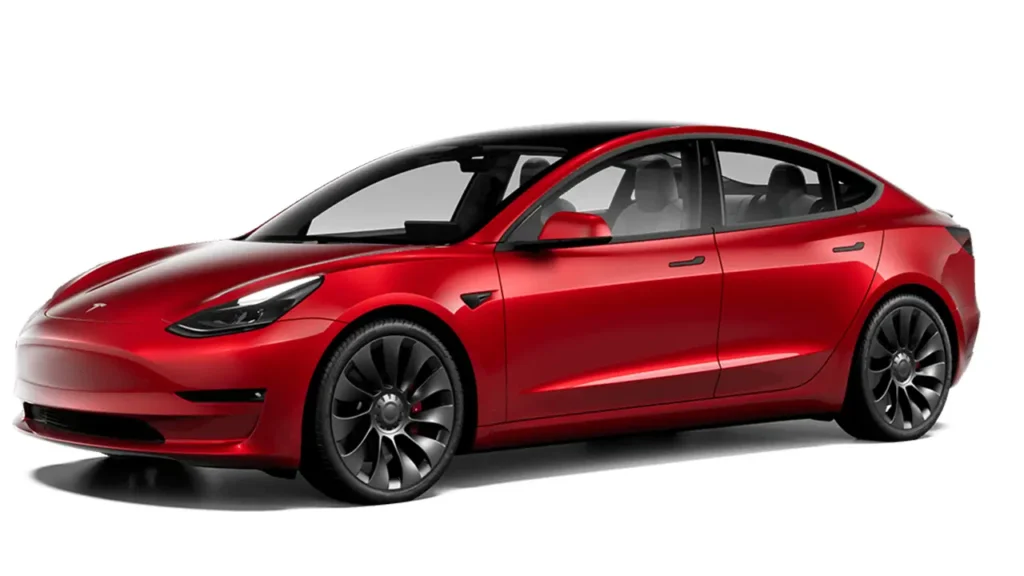
Conclusion Xiaomi SU7 vs Tesla Model 3 — The Best Comparison
After delving into the nitty-gritty details, it’s clear that both the Xiaomi SU7 and Tesla Model 3 bring unique strengths to the table, making the choice between them a matter of personal preference and need. The Xiaomi SU7 vs. Tesla Model 3 price is a significant factor for many buyers, and the Xiaomi SU7 offers a compelling alternative with its competitive pricing. This makes it an attractive option for those looking to enter the electric vehicle market without a hefty initial investment. Despite the cost advantage, the SU7 doesn’t skimp on advanced tech features, ensuring that you get a modern and innovative driving experience.
On the other hand, the Tesla Model 3 excels in range and charging convenience. For long-distance travel, the Model 3’s superior range and extensive Supercharger network are hard to beat. These features not only enhance the vehicle’s practicality but also provide a level of confidence that is essential for daily commutes and road trips alike. The interior and autopilot features of the Tesla Model 3 set a new standard for electric vehicles, offering a seamless blend of luxury and cutting-edge technology. The Xiaomi SU7 vs. Tesla Model 3 autopilot comparison reveals that Tesla’s advanced driver assistance system is a standout feature, providing a level of safety and convenience that is unmatched in the market.
However, the Xiaomi SU7’s innovative charging solutions could disrupt the market, especially in Europe. With a focus on convenience and accessibility, the SU7 introduces new ways to keep your vehicle powered, which could be particularly appealing to urban dwellers and those who prioritize ease of use. The Xiaomi SU7 vs. Tesla Model 3 Europe market analysis shows that the SU7 is well-positioned to challenge Tesla’s dominance, thanks to its tailored features and competitive pricing.
Ultimately, both models have their own unique strengths. The Xiaomi SU7 is a strong contender for those who value affordability and innovation, while the Tesla Model 3 remains the leader in range, charging infrastructure, and advanced autopilot capabilities. The decision will depend on your specific needs, whether you prioritize cost, technology, or long-distance travel. Regional availability also plays a crucial role, as the SU7 is making significant inroads in Europe, whereas the Model 3 is more widely available in the USA and other markets.
Choosing the right electric vehicle is a personal journey, and both the Xiaomi SU7 and Tesla Model 3 offer compelling reasons to make the switch. Whether you’re drawn to the affordability and tech features of the SU7 or the unparalleled range and autopilot of the Model 3, you can be confident that you’re making a smart and forward-thinking choice.
