Skip to content
Toyota bZ7 Huawei HarmonyOS integration. Hey everyone, welcome back to the channel! Today, we’re diving into something that’s shaking up the EV world big time. Picture this: Toyota, the Japanese giant that’s been synonymous with reliability and innovation for decades, is waving what feels like a “white flag” in the face of China’s EV dominance. I’m talking about the Toyota bZ7 Huawei HarmonyOS integration – a move that’s got everyone buzzing. Is this a historical turnaround for Japan? Absolutely, and here’s why.
For years, Toyota has been cautious about fully embracing electric vehicles, sticking to hybrids while Chinese brands like BYD, Xiaomi, and Huawei surged ahead with cutting-edge tech. But now, with the bZ7, Toyota’s essentially admitting that to compete in China – the world’s biggest EV market – they need to borrow from the best. Integrating Huawei’s HarmonyOS isn’t just a software update; it’s like grafting a Chinese “brain” onto a Japanese body. This sedan, developed by GAC Toyota, debuted at the 2025 Shanghai Auto Show and later at Guangzhou, marking the first joint venture car to feature Huawei’s ecosystem. It’s a symbol of surrender to superior software, where hardware alone doesn’t cut it anymore.
Think about it: Japan led the auto industry for so long, but China’s rapid advancements in batteries, AI, and smart cockpits have flipped the script. The bZ7’s HarmonyOS cockpit promises seamless connectivity, voice controls, and app integration that rivals anything from Tesla or Apple CarPlay. And it’s not just Huawei – there’s Xiaomi involvement too, blending ecosystems for a “Human x Car x Home” experience. This could be Toyota’s way of saying, “We can’t beat ’em, so join ’em.” But is it a white flag or a smart pivot? For Japan, it might sting, but in a global market, adaptation is key.
This integration highlights a broader trend: Western and Japanese automakers partnering with Chinese tech to stay relevant. Remember Volkswagen’s deals with XPeng? Same vibe here. The bZ7 isn’t just a car; it’s a statement that software is the new battleground. If Toyota pulls this off, it could revitalize their EV lineup in China, where sales have lagged. But skeptics wonder if this dilutes the Toyota brand – after all, purity in engineering has been their hallmark.
As we unpack this, I’ll break down the facts, specs, and implications. Stick around because this could redefine EVs globally. What do you think – is this a genius move or a sign of weakness? Drop your thoughts in the comments, like and subscribe for more deep dives into the EV revolution. Let’s get into what exactly happened with this groundbreaking integration.
If Toyota can swap “software brains” and instantly change the whole driving experience, imagine what happens when AI starts generating the visuals themselves. That’s exactly why Kling AI is blowing up: realistic motion, strong character consistency, and video clips that look way more expensive than they should. Full breakdown here: https://aiinovationhub.com/kling-ai-video-generator-review-aiinnovationhub/
Toyota bZ7 Huawei HarmonyOS Integration — What Exactly Happened
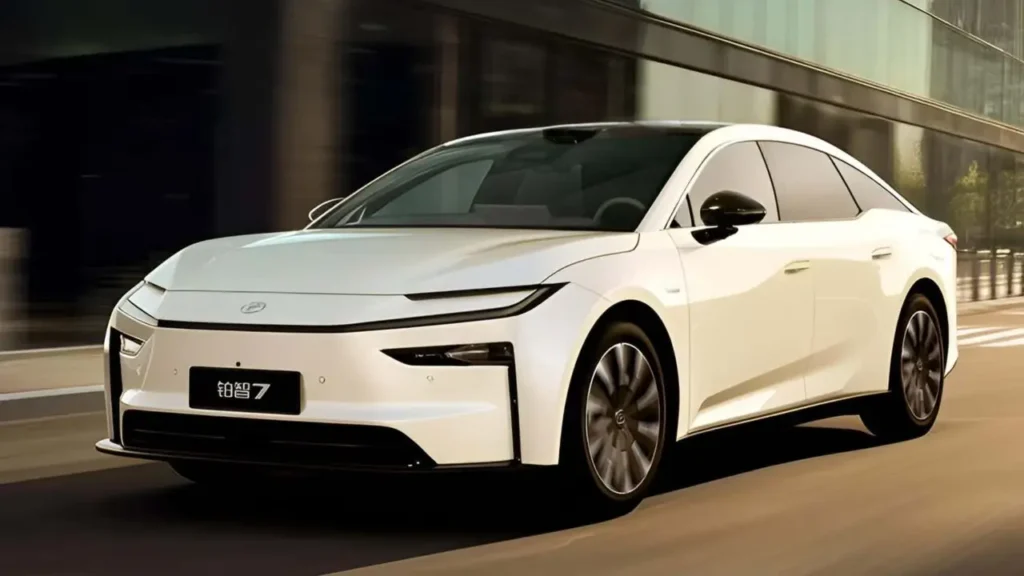
Alright, folks, let’s get to the meat of it. What exactly went down with the Toyota bZ7 Huawei HarmonyOS integration? If you’ve been following the EV scene, you know this isn’t just another software patch – it’s a full-on collaboration that’s turning heads. The bZ7, a sleek all-electric sedan from GAC Toyota, made its big reveal at the 2025 Shanghai Auto Show, but the real bombshell was the announcement of Huawei’s HarmonyOS cockpit system being baked right in. This marks the first time a joint venture like GAC-Toyota has adopted Huawei’s OS, blending Japanese manufacturing prowess with Chinese digital smarts.
So, picture the scene: Toyota, facing stiff competition in China where EVs outsell everything else, teams up with Huawei to equip the bZ7 with HarmonyOS 5.0. This isn’t your basic infotainment; it’s a comprehensive cockpit that handles everything from navigation to entertainment with AI-driven personalization. Powered by a Kirin chip, it offers ultra-smooth performance, multi-device syncing, and even over-the-air updates that keep the car evolving. Huawei’s involvement goes deeper – they’re supplying the DriveONE electric motor too, making this a hardware-software powerhouse.
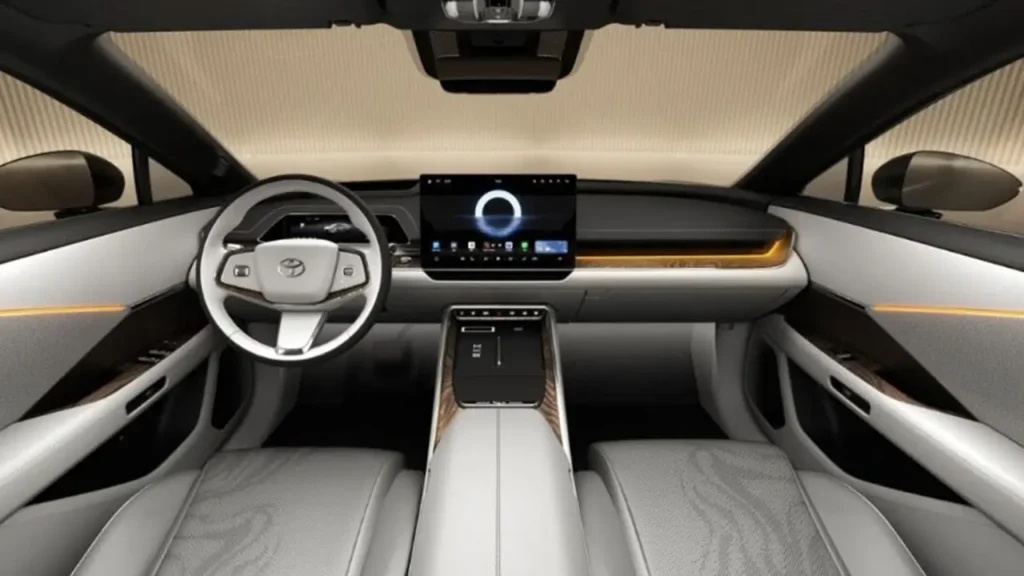
The integration happened amid Toyota’s push to localize development in China. GAC Toyota led the charge, incorporating local tech to appeal to Chinese buyers who demand smart features. At the Guangzhou Auto Show later in 2025, the production-ready bZ7 arrived at dealerships, showcasing the HarmonyOS in action with themes like “Dawn,” “Dusk,” and “Starlight” for customizable interiors. It’s not just about screens; HarmonyOS enables voice assistants that understand natural language, integrates with Huawei phones for seamless handoffs, and even optimizes energy use based on driving habits.
But why now? Toyota’s EV sales in China have been sluggish, with models like the bZ4X not hitting the mark. By adopting HarmonyOS, they’re tapping into Huawei’s ecosystem, which boasts millions of users. This move was teased earlier in 2024 concepts, but the 2025 debuts made it official. It’s a strategic alliance, with Toyota providing the chassis and safety tech, while Huawei handles the digital core.
Critics call it a “white flag,” but I see it as evolution. This integration sets a precedent for cross-border tech sharing. Imagine driving a Toyota that feels like a Huawei gadget on wheels – that’s the reality here. As we move forward, this could influence global models. Stay tuned; next up, the quick facts in a handy table.
Toyota bZ7 Huawei HarmonyOS Integration — Quick Facts
Now, let’s break it down with some quick facts on the Toyota bZ7 Huawei HarmonyOS integration. I’ve put together a table based on official specs from GAC Toyota and reliable sources like CnEVPost. This GAC Toyota bZ7 is positioned as a premium China EV sedan, blending size, tech, and performance. Check it out – I’ve made it mobile-friendly for you guys scrolling on your phones.
| Specification | Details |
|---|---|
| Model Name | GAC Toyota bZ7 |
| Body Type | All-Electric Sedan |
| Dimensions (L x W x H) | 5130 mm x 1965 mm x 1506 mm |
| Wheelbase | 3020 mm |
| Powertrain | Huawei DriveONE e-Motor, 207 kW (278 hp) |
| Top Speed | 180 km/h |
| Cockpit System | Huawei HarmonyOS 5.0 |
| ADAS | Momenta with LiDAR |
| Ecosystem Integration | Xiaomi Human x Car x Home |
| Launch Market | China |
This table captures the essentials – it’s a beast of a sedan, longer than a Tesla Model S, with tech that’s pure China innovation. The bZ7’s size makes it ideal for families, offering spacious interiors and a luxurious feel. HarmonyOS ties it all together, making the cockpit intuitive and future-proof.
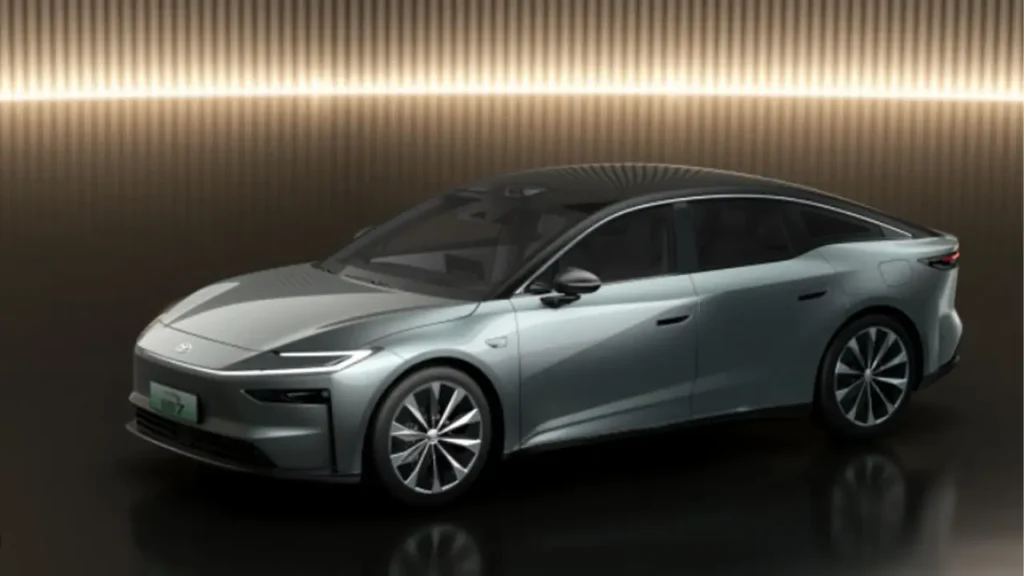
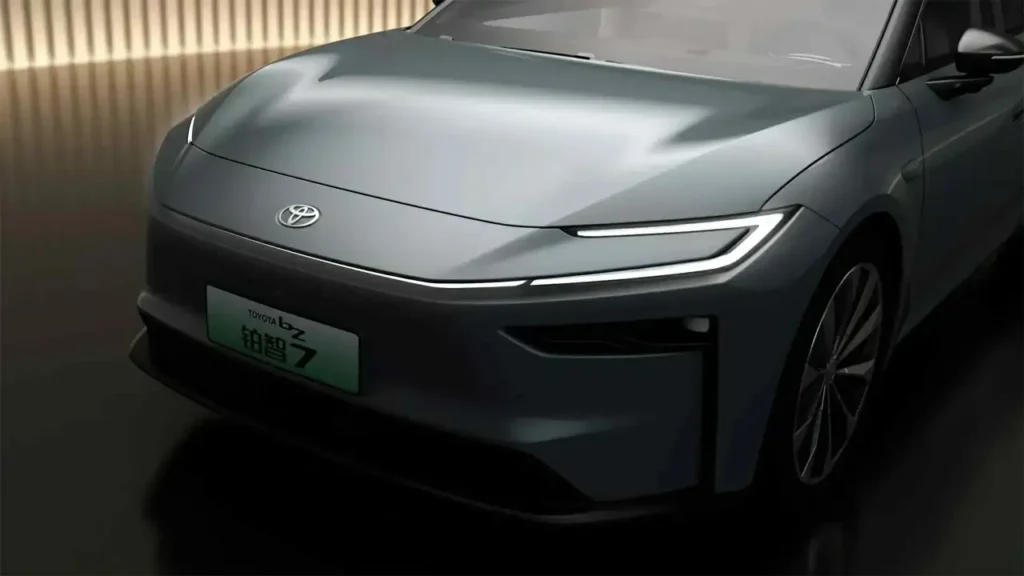
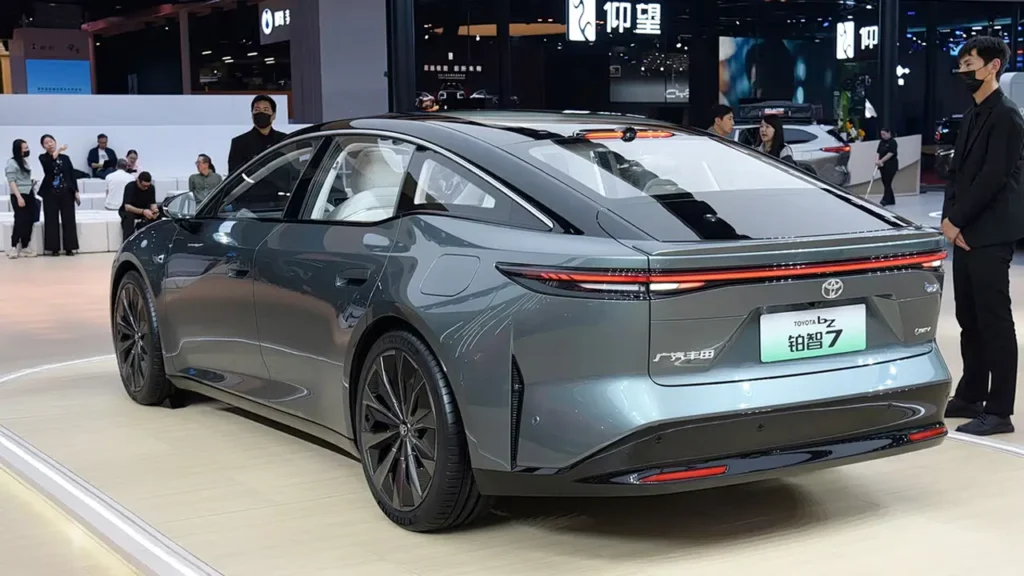
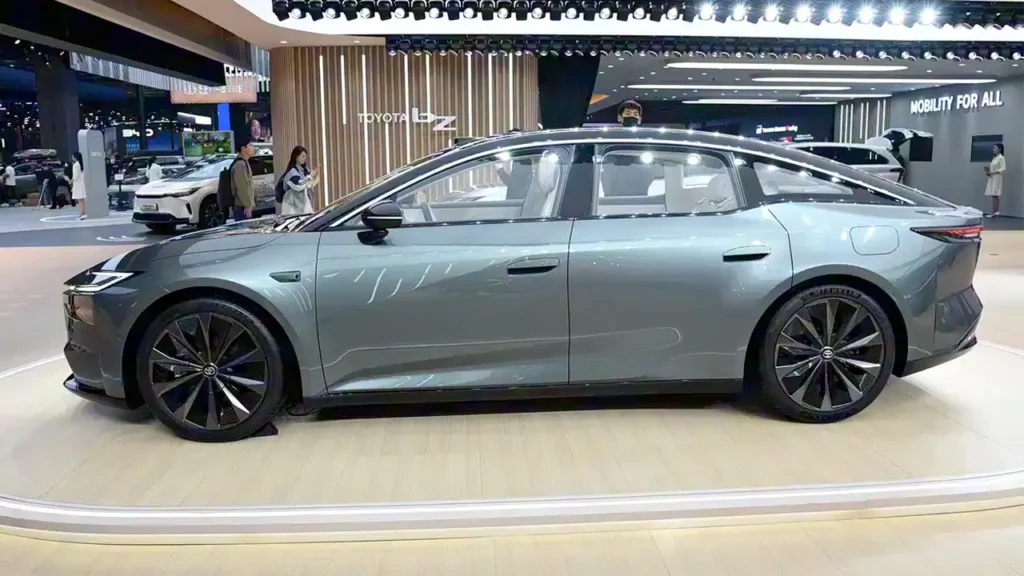
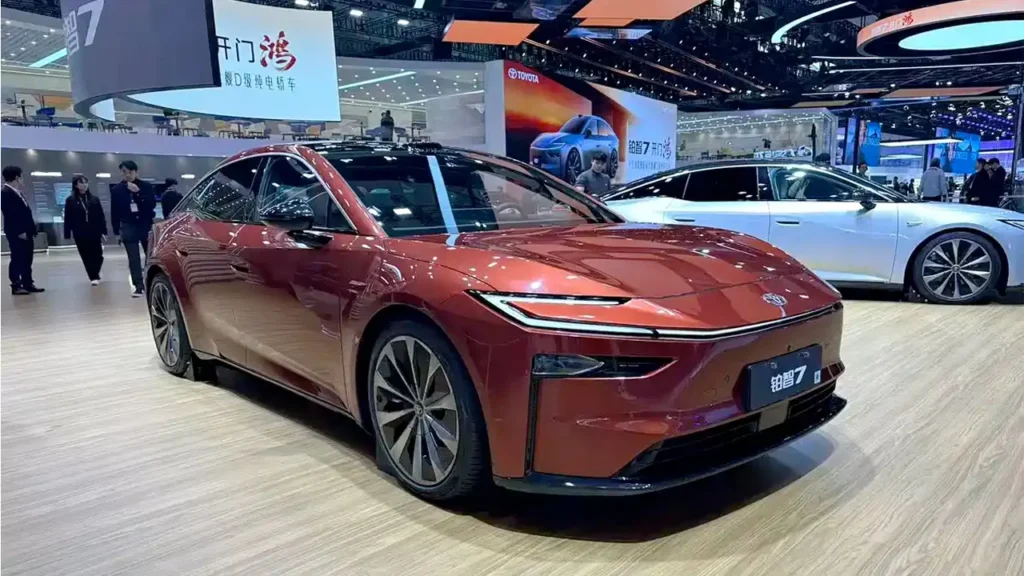
Diving deeper, the bZ7’s design screams modernity: hammerhead front, sleek lines for aero efficiency, and a coupe-like profile. Inside, a 15.6-inch floating screen runs HarmonyOS, supporting themes and ambient lighting. It’s built on Toyota’s e-TNGA platform but customized for China with local batteries, likely LFP for cost and safety.
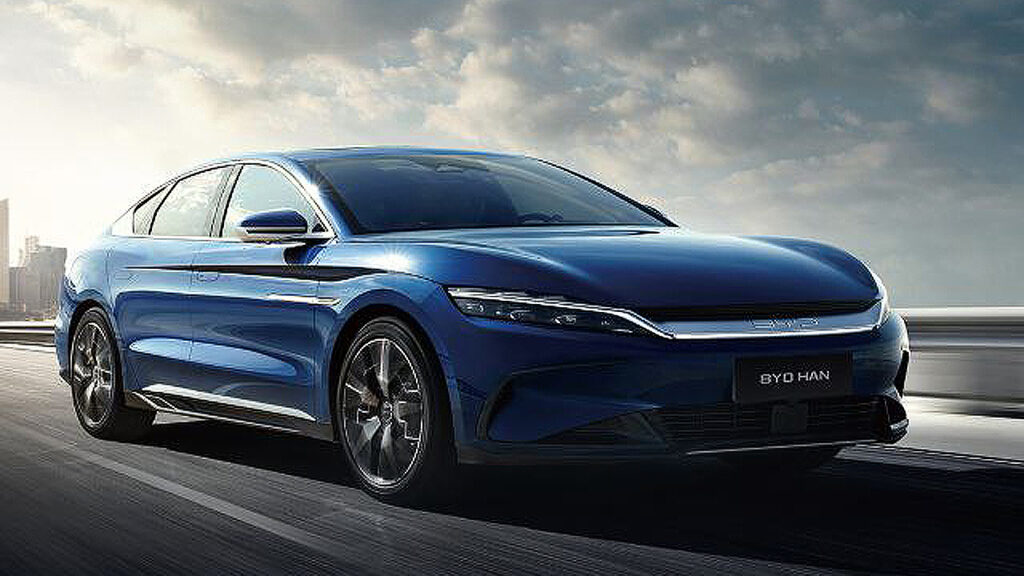
Why these specs matter? In China, EVs need to excel in range (up to 600+ km estimated), charging speed, and smarts. The bZ7 delivers, positioning it against rivals like BYD Han or Xiaomi SU7. Toyota’s reliability plus Huawei’s tech could be a winning combo. If you’re into EVs, this table is your cheat sheet – memorize it!
Toyota bZ7 Huawei HarmonyOS Integration — “Chinese Brain” Huawei
Let’s talk about the “Chinese brain” powering this beast – Huawei’s role in the Toyota bZ7 Huawei HarmonyOS integration. Huawei isn’t just providing software; they’re the core intelligence behind the drive system. The bZ7 features Huawei’s DriveONE motor, a high-efficiency electric powertrain that delivers 207 kW of power, or about 278 horsepower, pushing the sedan to a top speed of 180 km/h. This isn’t some off-the-shelf component; it’s tailored for seamless integration with HarmonyOS, optimizing energy flow and performance in real-time.
Huawei DriveONE is essentially the “brain” because it combines motor, controller, and reducer into one unit, reducing weight and boosting efficiency. In the bZ7, it’s mounted on the rear axle for better handling and traction. Paired with lithium-ion batteries (details still emerging, but likely from Chinese suppliers), it promises impressive range – estimates hover around 600 km on CLTC cycle. Huawei’s expertise in 5G and AI means the system can predict driving needs, adjusting power delivery for city commutes or highway blasts.
This collaboration stems from Toyota’s shift to China-led development. As per official Toyota announcements at Auto Shanghai 2025, the bZ7 leverages Huawei’s tech to compete locally. It’s a far cry from Toyota’s traditional in-house engineering, but necessary in a market where Huawei-powered cars like AITO models dominate.
The “brain” extends to software: HarmonyOS processes data from sensors, enabling features like adaptive cruise and energy management. Imagine your car learning your habits – that’s Huawei’s AI at work. Critics might say Toyota’s outsourcing core tech, but I think it’s brilliant. It frees them to focus on build quality while Huawei handles the smarts.
In essence, this integration makes the bZ7 a hybrid of cultures: Japanese hardware with Chinese intellect. It could set a template for future EVs. What excites me is the potential for global rollout – if successful in China, we might see this tech elsewhere. Huawei’s DriveONE isn’t new; it’s proven in other EVs, ensuring reliability.
Toyota bZ7 Huawei HarmonyOS Integration — ADAS/Safety and LiDAR
Safety first, right? In the Toyota bZ7 Huawei HarmonyOS integration, ADAS and LiDAR take center stage, thanks to Momenta’s tech. The bZ7 is equipped with a roof-mounted LiDAR sensor, enabling advanced driver-assistance systems that push towards Level 3 autonomy. Momenta, a Chinese AI firm backed by Toyota, provides the software that interprets LiDAR data for precise mapping, obstacle detection, and path planning.
LiDAR works by emitting laser pulses to create 3D maps of surroundings, far superior to cameras alone in low-light or bad weather. In the bZ7, it’s integrated with HarmonyOS for real-time processing, allowing features like highway pilot, automatic lane changes, and urban navigation. Toyota’s safety heritage shines here – think Pre-Collision System enhanced by Momenta’s algorithms.
Official specs from GAC Toyota highlight multiple sensors: radars, cameras, and ultrasonics complementing LiDAR for 360-degree awareness. This setup not only prevents accidents but also enables parking assist and traffic jam pilot. HarmonyOS displays ADAS info on the 15.6-inch screen, with AR overlays for intuitive feedback.
Why Momenta? They’re leaders in autonomous driving, with tech in Mercedes and others. For the bZ7, it’s customized for China’s chaotic roads – think dodging scooters or sudden merges. Toyota invested in Momenta back in 2021, making this a natural fit.
This integration elevates the bZ7 beyond basic EVs. Safety ratings? Expect top marks from C-NCAP, thanks to Toyota’s chassis and Momenta’s smarts. In tests, similar systems achieve 99% accuracy in detection.
For drivers, it’s peace of mind: the car anticipates dangers, braking or steering if needed. As EVs evolve, ADAS like this becomes standard. The bZ7’s LiDAR sets it apart in the mid-large sedan segment, rivaling Tesla’s Full Self-Driving.
Toyota bZ7 Huawei HarmonyOS Integration — Xiaomi Ecosystem as “Second OS”
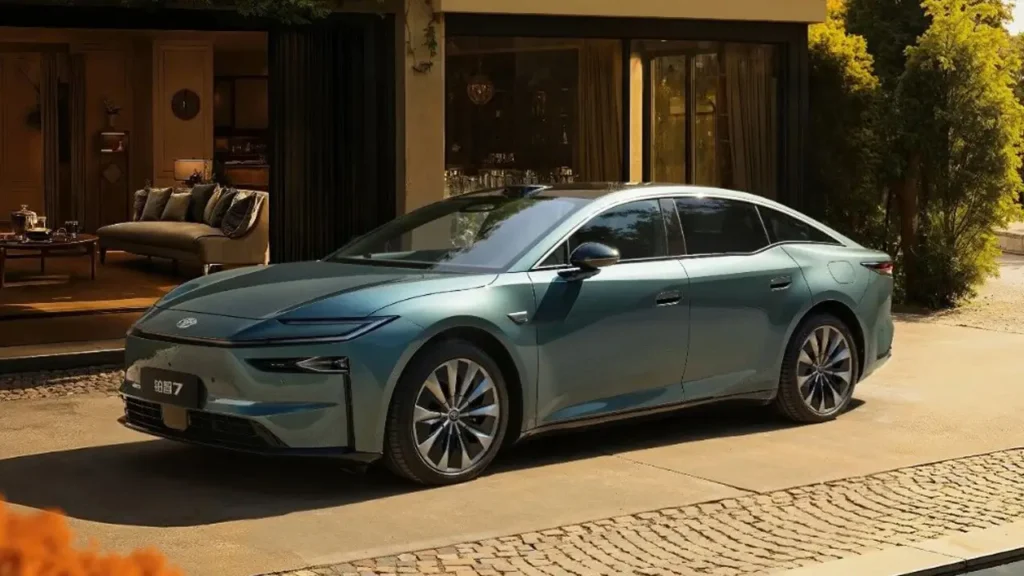
Here’s where it gets even more interesting: the Xiaomi ecosystem acting as a “second OS” in the Toyota bZ7 Huawei HarmonyOS integration. Xiaomi’s Human x Car x Home ecosystem brings seamless connectivity, linking the car to your smart home and devices. While HarmonyOS is the primary cockpit, Xiaomi’s HyperOS complements it, creating a dual-OS vibe for ultimate integration.
Xiaomi’s ecosystem allows the bZ7 to connect with Xiaomi phones, tablets, and home appliances. Imagine pre-heating your home AC from the car or streaming from your Xiaomi TV to the infotainment screen. This “second OS” handles lifestyle features, like voice commands for smart lights or security cams, all via the car’s interface.
Official Xiaomi announcements highlight their auto push, with the SU7 EV as proof. For the bZ7, Toyota collaborated to embed Xiaomi’s APIs into HarmonyOS, enabling cross-platform syncing. It’s like having Android Auto on steroids, but native and deeper.
Why add Xiaomi? China loves ecosystems – users want one app for everything. This makes the bZ7 more than a vehicle; it’s a hub. Features include remote car control via Xiaomi app, shared calendars, and even health monitoring tied to wearables.
The integration is smooth: HarmonyOS manages driving, Xiaomi handles entertainment and home links. Toyota’s press at Shanghai 2025 teased this as a game-changer. For families, it’s gold – kids can control backseat screens with Xiaomi tablets.
This dual setup could inspire global trends, blending OS for richer experiences. Xiaomi’s affordability adds value without hiking prices.
Toyota bZ7 Huawei HarmonyOS Integration — How Will the Link with HyperOS Work
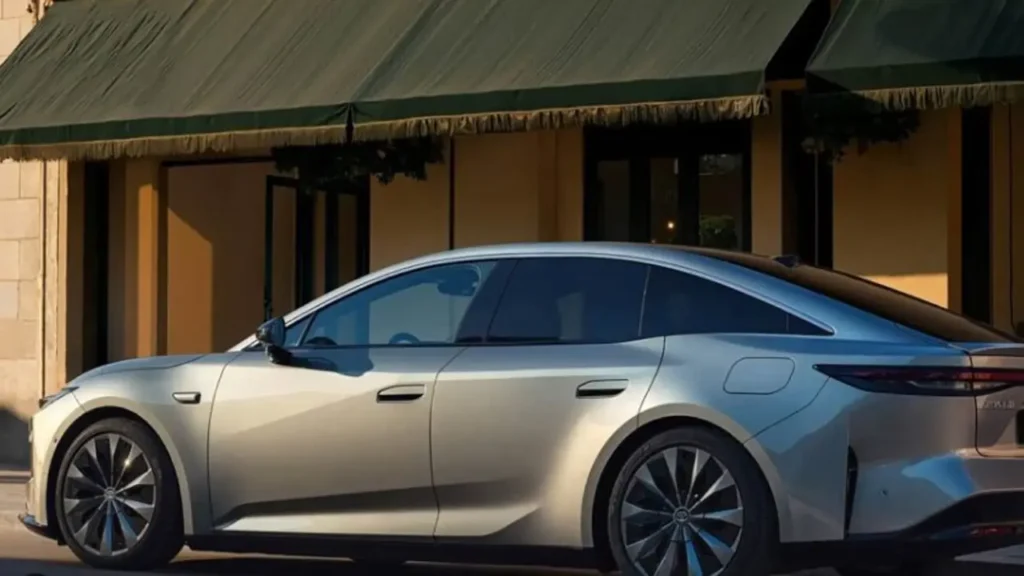
Curious how the Toyota bZ7 Xiaomi HyperOS connectivity ties into the Huawei HarmonyOS integration? Let’s unpack it. HyperOS, Xiaomi’s unified OS, links seamlessly with HarmonyOS to create a connected experience. In the bZ7, this means your Xiaomi devices sync effortlessly, turning the car into an extension of your digital life.
The link works via APIs and cloud syncing. HarmonyOS handles the core cockpit, while HyperOS injects ecosystem features like device mirroring and data sharing. For example, pair your Xiaomi phone, and apps transfer to the 15.6-inch screen without lag. Voice commands through HarmonyOS can control HyperOS-linked home devices – say, “Turn on the lights,” and it happens.
Official demos from GAC Toyota show real-time integration: navigation from phone to car, music playlists syncing, even EV charging status pushed to your watch. Security is key – encrypted connections prevent hacks.
This setup leverages 5G for fast data transfer, with OTA updates keeping everything current. In practice, it’s user-friendly: log in once, and the ecosystems merge. For road trips, HyperOS optimizes routes based on home energy use.
Toyota’s choice of both Huawei and Xiaomi shows strategic depth – Harmony for drive, HyperOS for lifestyle. It could reduce driver distraction by unifying interfaces.
Expect this to evolve with future updates, perhaps adding AR features. It’s a blueprint for smart cars.
Toyota bZ7 Huawei HarmonyOS Integration — Price/Positioning in China
The pricing and market positioning of the Toyota bZ7 in China are critical factors in its integration with Huawei’s HarmonyOS, as they determine its competitiveness within the rapidly evolving electric vehicle sector. According to official announcements from GAC Toyota, the bZ7 is positioned in the RMB 200,000 segment, equivalent to approximately USD 28,000, making it an accessible option in the mid-large electric sedan category. This starting price aligns with dealer previews indicating values near 200,000 yuan, positioning the vehicle as a premium yet affordable choice for urban professionals and families seeking advanced technology without excessive cost.
In comparison to competitors, the bZ7 undercuts models such as the Tesla Model 3, which starts at higher price points in China, and the BYD Han, offering greater value through its integration of Huawei’s HarmonyOS cockpit and DriveONE motor. It also provides advantages over Toyota’s own bZ4X, which is priced around USD 28,000 but lacks the bZ7’s larger dimensions (5130 mm x 1965 mm x 1506 mm) and enhanced smart features, including Xiaomi’s Human x Car x Home ecosystem. This strategic pricing reflects Toyota’s efforts to regain market share in China’s price-sensitive EV landscape, where aggressive competition drives value-oriented offerings.
Government subsidies for new energy vehicles in China could further reduce the effective price, enhancing accessibility for buyers. The bZ7 emphasizes technological sophistication over traditional luxury branding, with features like LiDAR-enabled Momenta ADAS and seamless connectivity justifying its cost through superior ecosystem integration. Potential bundles with Huawei services or Xiaomi devices may add further appeal, positioning the bZ7 as a “smart buy” that combines Japanese reliability with Chinese innovation. Overall, this approach targets the growing demand for intelligent, efficient sedans in urban environments, potentially setting a benchmark for joint venture EVs.
Toyota bZ7 Huawei HarmonyOS Integration — Timelines for Launch and What to Expect Next
The launch timeline for the Toyota bZ7, featuring Huawei’s HarmonyOS integration, has been outlined by GAC Toyota through official channels. The vehicle made its production debut at the 2025 Guangzhou Auto Show on November 21, following an initial unveiling at the 2025 Shanghai Auto Show. Pre-orders commenced on the opening day of the Guangzhou event, with units arriving at dealerships by early December 2025 for previews. The official market launch is scheduled for the first quarter of 2026, with deliveries expected to begin shortly thereafter.
This schedule positions the bZ7 as a key component of Toyota’s accelerated EV strategy in China, building on collaborations with Huawei for the HarmonyOS 5.0 cockpit and DriveONE powertrain. In the near term, stakeholders can anticipate software beta releases for HarmonyOS updates, which may include enhancements to range optimization via over-the-air (OTA) capabilities, potentially extending the vehicle’s CLTC-rated range of up to 710 km on higher-capacity battery variants. Toyota has indicated potential expansions, such as all-wheel-drive configurations or extended-range models, to cater to diverse consumer preferences.
Looking further ahead, successful performance in the Chinese market could facilitate exports to regions like Europe, with adaptations to meet local regulations and preferences. Additional ecosystem integrations, possibly deepening ties with Xiaomi’s smart home features or advancing autonomy through Momenta’s ADAS, are plausible developments. This trajectory may encourage further collaborations between Japanese automakers and Chinese technology firms, fostering innovation in global EV markets. Monitoring official GAC Toyota updates will be essential for precise details on these advancements.
Final Verdict: Why This Could Become the New Norm (“Hardware ≠ Value”), and Soft CTA
In conclusion, the Toyota bZ7’s integration with Huawei’s HarmonyOS exemplifies a paradigm shift in the electric vehicle industry, where hardware no longer constitutes the primary value proposition, and software ecosystems take precedence. This collaboration demonstrates that in the contemporary EV landscape, the “intelligence” provided by advanced operating systems like HarmonyOS—encompassing seamless connectivity, AI-driven personalization, and multi-device integration—outweighs traditional mechanical attributes. By incorporating Chinese software into a Japanese-engineered platform, Toyota normalizes cross-border technology adoption, potentially establishing it as a standard practice as software increasingly defines user experiences and vehicle differentiation.
This approach addresses the competitive pressures in markets like China, where consumers prioritize smart features over hardware alone, as evidenced by the bZ7’s HarmonyOS cockpit, Xiaomi ecosystem compatibility, and Huawei DriveONE components. Such integrations enable enhanced functionality, including OTA updates and home-car connectivity, which could extend to global models if proven successful. This trend may encourage other legacy automakers to partner with tech giants, accelerating innovation while mitigating development costs.
For in-depth analyses of similar Japanese-Chinese automotive hybrids, consider visiting www.autochina.blog.
Discover more from AutoChina
Subscribe to get the latest posts sent to your email.