Skip to content
Hongqi Tiangong 08 Electric SUV — “Red Flag” for the Youth
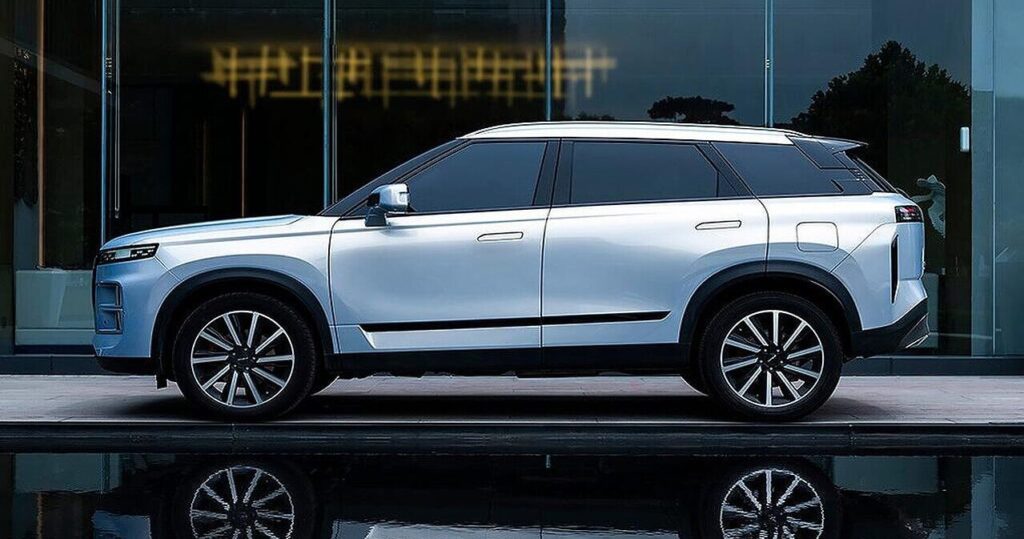
The Hongqi Tiangong 08 electric SUV represents a bold evolution for the storied “Red Flag” brand, traditionally associated with prestige and heritage in China. This model shifts focus toward a younger demographic, emphasizing modern innovation and dynamic appeal without relying on conventional luxury tropes. Launched in early 2025, the Tiangong 08 combines cutting-edge electric technology with a fresh aesthetic, positioning itself as an accessible yet aspirational vehicle for urban professionals and families seeking sustainable mobility.
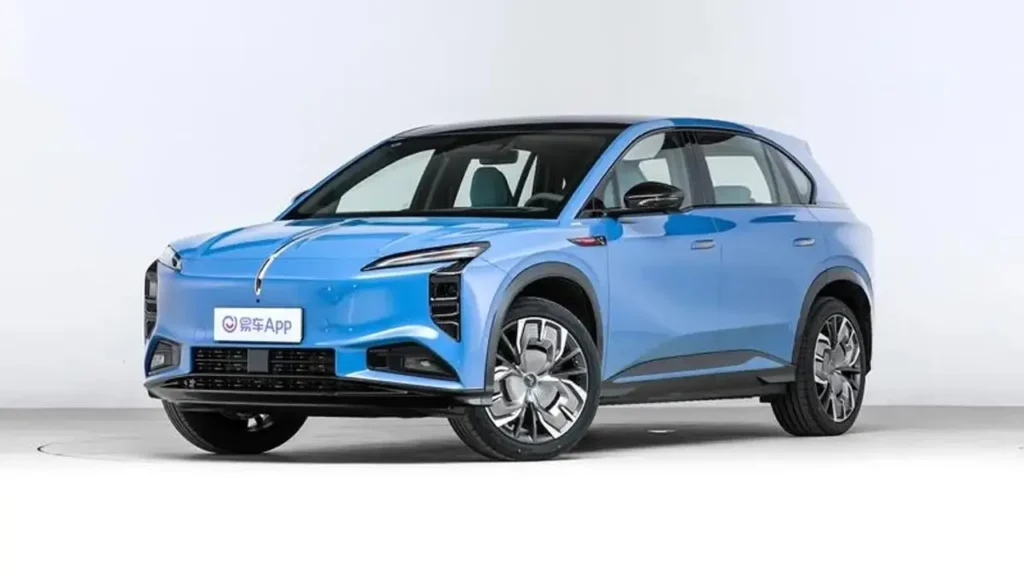
At its core, the Hongqi Tiangong 08 electric SUV embodies a departure from Hongqi’s historical image, introducing elements that resonate with tech-savvy users. Its design draws inspiration from futuristic motifs, blending sharp lines and advanced lighting to create a visually striking presence on the road. Measuring 4,925 mm in length with a 3,000 mm wheelbase, it offers ample space in a mid-to-large SUV format, seating five comfortably. The vehicle is built on the new Tiangong pure electric platform, which promises enhanced efficiency and performance.
Key highlights include a range of powertrain options, from rear-wheel drive (RWD) to all-wheel drive (AWD), with battery capacities supporting up to 730 km of CLTC range. Fast charging capabilities allow for quick replenishment, making it practical for daily use. Inside, the cabin features premium materials and intelligent interfaces, enhancing user experience. Priced starting at approximately RMB 239,800 (around $33,000), it targets competitive positioning against global EVs.
This introduction sets the stage for exploring how the Hongqi Tiangong 08 electric SUV redefines luxury for the next generation, appealing to those who value style, technology, and environmental responsibility. As we delve deeper, you’ll discover why this model signals a new chapter for Hongqi, moving beyond tradition to embrace youthful energy and innovation.
Hongqi Tiangong 08 Electric SUV and New Style: What Means Hongqi Cyberpunk SUV Design and Why It’s a Change of Era
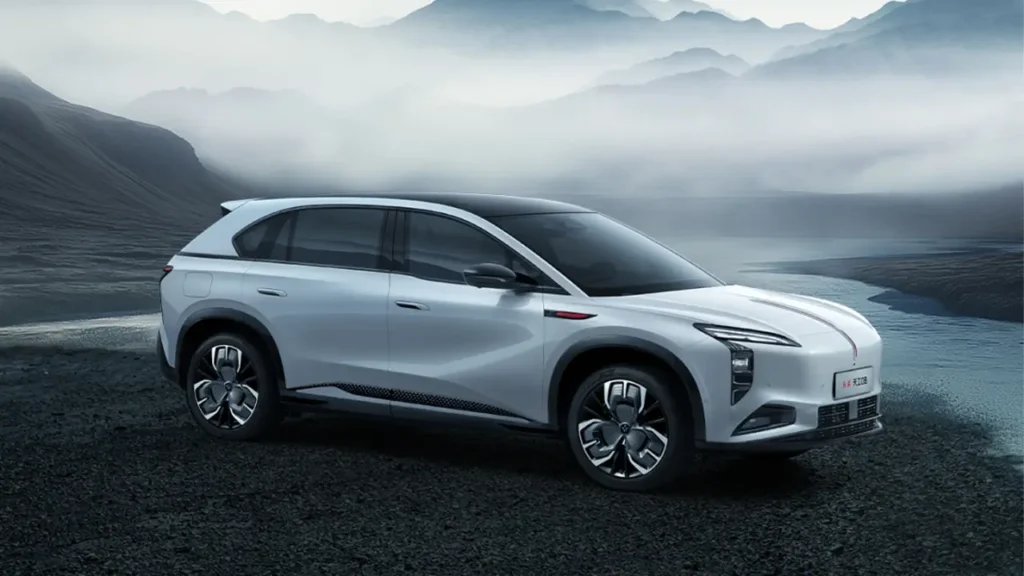
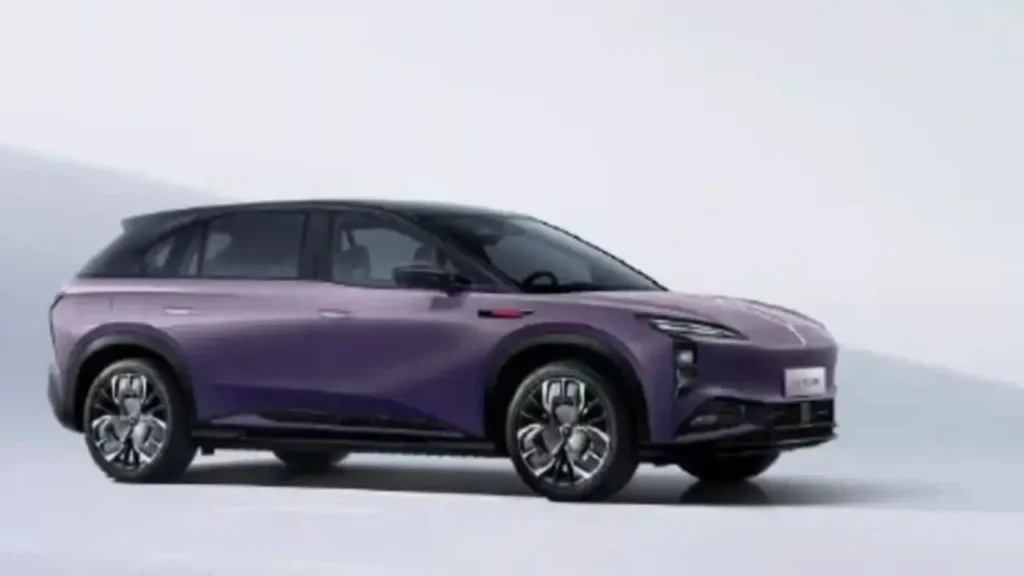
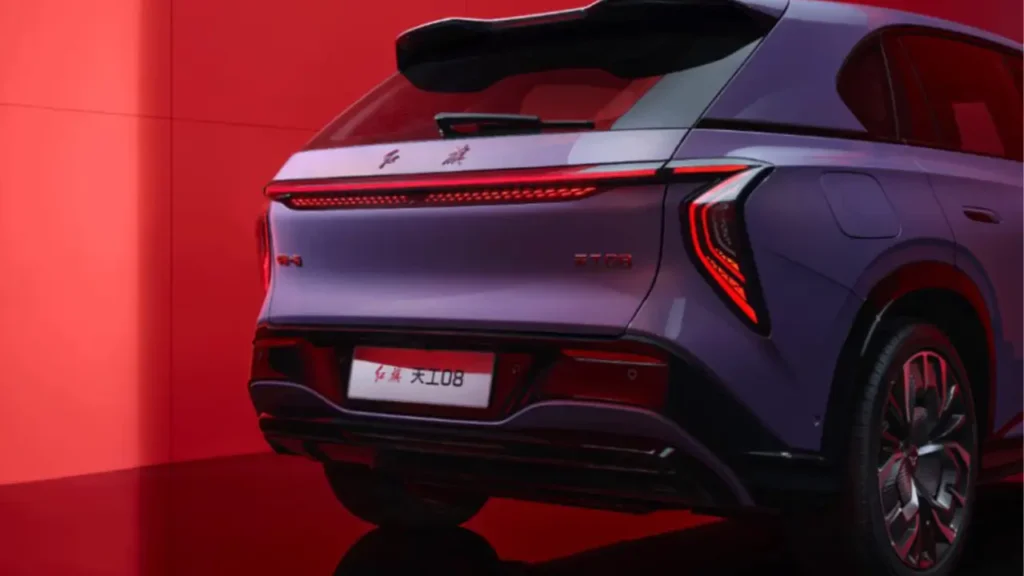
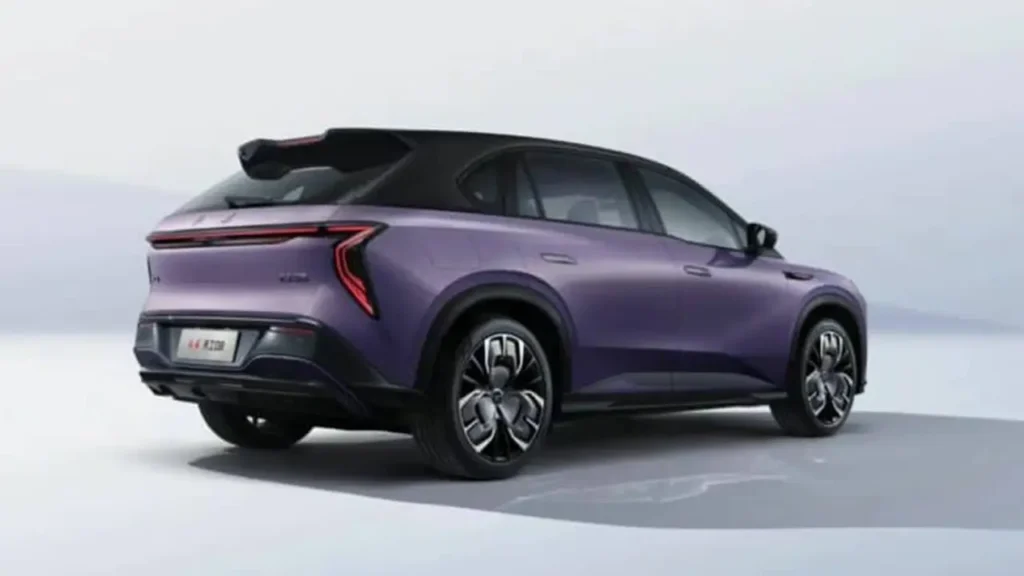
The Hongqi Tiangong 08 electric SUV introduces a revolutionary design language that can be aptly described as Hongqi cyberpunk SUV design, marking a significant shift from the brand’s conventional elegance to a more edgy, futuristic aesthetic. This style draws from cyberpunk themes—characterized by bold, angular forms, high-tech accents, and a sense of urban futurism—reimagining the “Red Flag” for a contemporary audience. The exterior features distinctive “7-shaped” LED headlights that evoke a sharp, predatory gaze, complemented by a dual-tone body and sleek, aerodynamic contours that give it a dynamic, almost sci-fi appearance.
This design evolution signifies a change of era for Hongqi, a brand historically tied to stately limousines and official vehicles. By adopting cyberpunk elements, Hongqi aims to attract younger buyers who prioritize individuality and innovation over traditional luxury. The Tiangong 08’s profile avoids the bulky, imposing stance of older models, opting instead for a streamlined silhouette that enhances visual agility. Hidden door handles, frameless windows, and integrated spoilers further amplify its modern vibe, making it stand out in crowded urban environments.
From an engineering perspective, this Hongqi cyberpunk SUV design integrates functional aerodynamics, reducing drag to improve efficiency and range. The front fascia, with its closed grille and illuminated accents, not only boosts visual appeal but also optimizes airflow for better battery performance. This approach reflects broader industry trends where design serves both form and function, aligning with the demands of electric mobility.
Why is this a pivotal change? It democratizes Hongqi’s prestige, making it accessible beyond elite circles. In a market dominated by Western and domestic competitors, the Tiangong 08’s bold style positions Hongqi as a forward-thinking player, blending Chinese heritage with global trends. For enthusiasts, it offers a fresh alternative to bland EVs, promising excitement without compromising on luxury. Overall, the Hongqi Tiangong 08 electric SUV’s design heralds a new era of inclusive, innovative automotive expression.
Platform: What Promises Tiangong Pure Electric Platform and How It Affects Layout/Dynamics
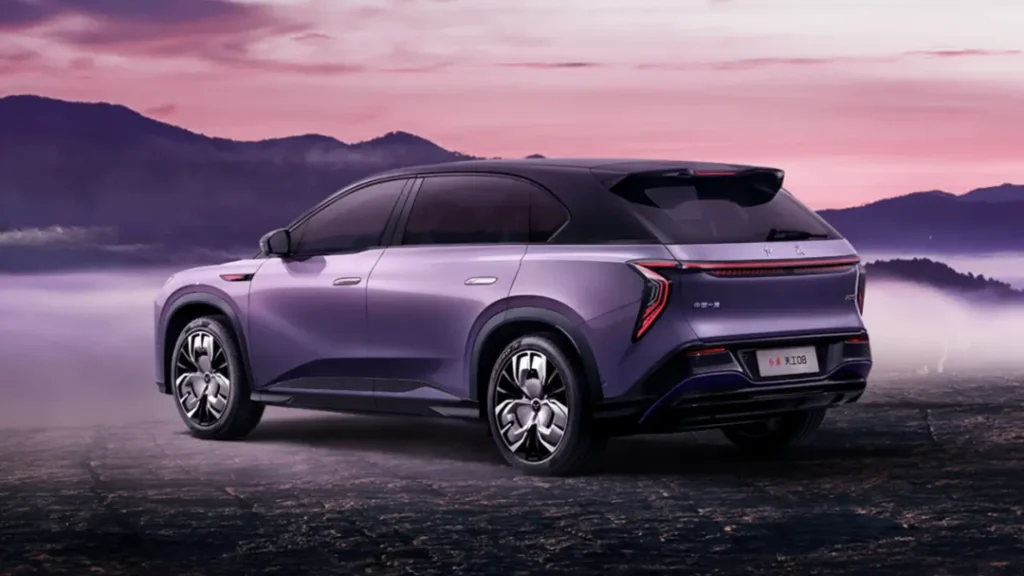
The Tiangong pure electric platform forms the foundation of the Hongqi Tiangong 08 electric SUV, representing Hongqi’s latest advancement in dedicated EV architecture. Developed independently by the brand, this platform boasts a remarkable 96% efficiency rate in its electric drive system, setting a benchmark for mass-produced EVs. It incorporates low-temperature battery cells designed to maintain performance in challenging climates, ensuring reliability across diverse conditions. Additionally, the platform supports high-voltage systems, enabling faster charging and superior energy management.
One of the key promises of the Tiangong pure electric platform is enhanced modularity, allowing for flexible configurations in vehicle layout. This results in an optimized weight distribution, with batteries placed low in the chassis to lower the center of gravity, improving stability and handling. For the Tiangong 08, this translates to a spacious interior despite its compact exterior dimensions, as the absence of a traditional engine bay frees up cabin space. The wheelbase of 3,000 mm facilitates a flat floor, enhancing passenger comfort and cargo versatility.
In terms of dynamics, the platform’s influence is profound. It integrates advanced suspension systems and precise torque vectoring, delivering responsive driving characteristics. The high-efficiency motors provide instant acceleration, while regenerative braking contributes to energy recuperation, extending range. This setup not only boosts performance—such as the AWD variant’s 3.9-second 0-100 km/h sprint—but also refines ride quality, absorbing road imperfections for a smoother experience.
Furthermore, the Tiangong pure electric platform emphasizes safety and intelligence, incorporating robust structural reinforcements and integrated smart driving aids. It supports over-the-air updates, ensuring the vehicle evolves with technology. For users, this means a blend of efficiency, agility, and future-proofing that elevates the driving experience. By prioritizing these elements, Hongqi positions the Tiangong 08 as a competitive option in the EV landscape, where platform innovation directly impacts everyday usability and long-term value.
Versions and Drive: Difference in Configurations, Accent on Hongqi Tiangong 08 AWD (Who Really Needs AWD)
The Hongqi Tiangong 08 electric SUV offers multiple configurations to suit varied preferences, primarily differentiated by drive type and battery options. The base models feature rear-wheel drive (RWD) with a single motor delivering 253 kW (344 PS) and 450 Nm of torque, achieving 0-100 km/h in 6.5 seconds. These are paired with smaller batteries (75 kWh or 85 kWh), providing CLTC ranges of 520 km to 605 km, ideal for urban commuting where efficiency and cost are priorities.
In contrast, the Hongqi Tiangong 08 AWD variants add a front motor of 202 kW (275 PS), resulting in a combined output of 455 kW (619 PS) and 756 Nm. This setup reduces 0-100 km/h time to 3.9 seconds, offering supercar-like acceleration. AWD models typically come with the larger 111 kWh battery, extending range to 680-730 km CLTC. The dual-motor system enhances traction through intelligent torque distribution, improving handling in diverse conditions.
Who really needs the Hongqi Tiangong 08 AWD? It’s particularly beneficial for drivers in regions with variable weather, such as rain-slicked roads or light snow, where enhanced grip prevents wheel slip. Families or those towing light loads will appreciate the added stability, while performance enthusiasts will enjoy the spirited dynamics. However, for city dwellers in mild climates, RWD suffices, offering better energy efficiency and a lower price point—potentially saving thousands without sacrificing core features.
All configurations share the Tiangong platform’s benefits, including a top speed of 200 km/h and regenerative braking. Buyers should consider their driving habits: AWD excels in demanding scenarios, but RWD provides ample power for most. This flexibility allows the Tiangong 08 to cater to a broad audience, balancing performance with practicality.
Range: Scenarios of City/Highway and Expectations by Hongqi Tiangong 08 Range (Without Rose-Colored Glasses)
The Hongqi Tiangong 08 range varies by configuration, with CLTC estimates providing a benchmark for real-world expectations. Entry-level RWD models with a 75 kWh battery offer 520 km, while mid-tier 85 kWh versions reach 605 km. Top-spec AWD variants with 111 kWh batteries claim up to 730 km in RWD and 680 km in AWD, reflecting the efficiency of the Tiangong platform.
In city scenarios, where stop-start traffic and regenerative braking shine, users can expect to achieve 80-90% of the rated Hongqi Tiangong 08 range. For instance, a 605 km model might deliver 480-540 km on urban routes, benefiting from lower speeds and energy recovery. This makes it suitable for daily commutes, reducing the need for frequent charging.
Highway driving, however, tells a different story. At sustained speeds of 100-120 km/h, aerodynamic drag and constant power draw can reduce range by 20-30%. A 730 km variant might realistically provide 510-580 km, influenced by factors like wind, temperature, and load. Cold weather further impacts performance, potentially dropping efficiency by 15-25% due to battery heating demands—without rose-colored glasses, plan for conservative estimates in winter.
Realistically, the Hongqi Tiangong 08 range excels in mixed use, averaging 400-600 km depending on the battery. Compared to competitors like the Tesla Model Y or BMW iX, it holds its own in controlled tests but may lag in extreme conditions. Users should factor in driving style, terrain, and accessories (e.g., AC usage) for accurate predictions. Overall, while impressive on paper, practical range underscores the importance of infrastructure access, making the Tiangong 08 a solid choice for those with reliable charging options.
Charging: What Important to Check, Breakdown of Hongqi Tiangong 08 Fast Charging and Real Charging Habits
When evaluating the Hongqi Tiangong 08 fast charging, key factors include compatibility, speed, and infrastructure. The vehicle supports both 400V and 800V systems, allowing flexibility across chargers. Official specs indicate 10-80% charging in as little as 20 minutes on a 350 kW DC fast charger, adding substantial range quickly—potentially 400-500 km in that time for larger batteries.
Breaking down Hongqi Tiangong 08 fast charging: Peak rates reach 189 kW for the 85 kWh pack and higher for 111 kWh, with real-world performance depending on battery temperature and state of charge. Starting from low SOC yields faster rates, but tapering occurs above 80% to protect longevity. Users should check charger availability; in China, widespread 800V stations maximize potential, while Europe (as EHS7) may rely on CCS2 networks like Ionity.
Real charging habits reveal practical insights. Daily users might opt for home Level 2 charging (7-11 kW), fully replenishing overnight in 8-12 hours—cost-effective and convenient. For long trips, plan stops every 300-400 km, factoring in 20-30 minute sessions. Temperature matters: Cold weather slows rates, so preconditioning via the app is advisable.
Important checks include battery health monitoring through the vehicle’s interface and warranty coverage for degradation. Compared to peers, the Tiangong 08’s charging is competitive but not class-leading; real-world tests show 18-33 minutes for 10-80%, influenced by grid stability. For optimal habits, combine fast charging sparingly with slower methods to preserve battery life. This balanced approach ensures the Hongqi Tiangong 08 remains reliable for varied lifestyles.
Salon and UX: Materials, Screens, Assistants — Block Pro Hongqi Tiangong 08 Interior (Where “Luxury”, Where Marketing)
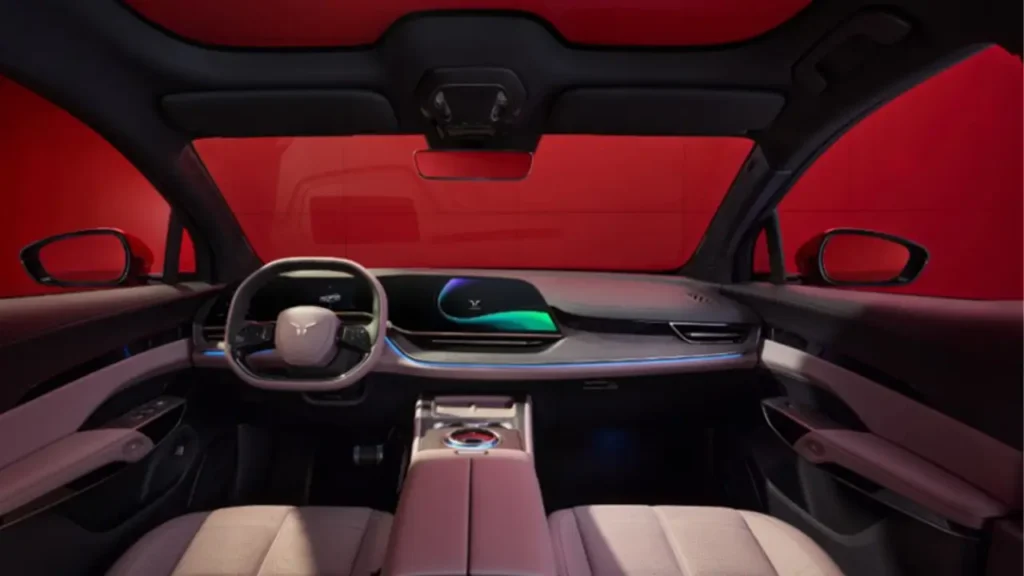
The Hongqi Tiangong 08 interior blends premium elements with practical design, creating a user-centric space that emphasizes comfort and technology. High-quality materials dominate: Soft-touch leather upholstery, aluminum accents, and wood-like trims convey genuine luxury, particularly in higher trims where ventilated seats and ambient lighting elevate the experience. The 256-color lighting system allows personalization, fostering a serene or vibrant atmosphere as needed.
Central to the UX are the embedded screens—a large central infotainment display (likely 15-17 inches) and digital instrument cluster, integrated seamlessly into the dashboard for a clean, wave-like aesthetic. This avoids the “stuck-on” look of some rivals, enhancing ergonomics. The system supports Apple CarPlay, wireless connectivity, and voice assistants powered by Hongqi’s No. 1 chip, enabling intuitive navigation and media control.
Assistants include Level 2 intelligent driving features like adaptive cruise, lane-keeping, and automatic parking, making commutes effortless. Voice recognition handles commands accurately, while over-the-air updates keep software current. Where is the true luxury? In the spacious cabin with ample legroom (thanks to the 3,000 mm wheelbase) and quiet ride, insulated by advanced NVH materials—ideal for long drives.
However, some aspects lean toward marketing: The “immersive cockpit” hype may overstate basic features common in EVs, and entry models might use more synthetic materials. Compared to Audi or Mercedes interiors, it competes well but lacks the ultra-premium tactility in base configs. Overall, the Hongqi Tiangong 08 interior excels in blending luxury with usability, appealing to those seeking value-driven sophistication without excess.
Table of Characteristics (EN) + Short Explanation: Hongqi Tiangong 08 Specs (What We Compare and Why)
The Hongqi Tiangong 08 specs highlight its competitive edge in the EV SUV segment. We compare across versions to illustrate trade-offs in performance, range, and features, helping buyers align choices with needs—e.g., prioritizing efficiency vs. power. This table uses official data for accuracy.
| Specification | 520 Max RWD | 605 km RWD | 680 Ultra AWD |
|---|---|---|---|
| Dimensions (L x W x H, mm) | 4925 x 1950 x 1680 | 4925 x 1950 x 1680 | 4925 x 1950 x 1680 |
| Wheelbase (mm) | 3000 | 3000 | 3000 |
| Power (kW/PS) | 253/344 | 253/344 | 455/619 |
| Torque (Nm) | 450 | 450 | 756 |
| 0-100 km/h (s) | 6.5 | 6.5 | 3.9 |
| Top Speed (km/h) | 200 | 200 | 200 |
| Battery (kWh) | 75 | 85 | 111 |
| Range (CLTC, km) | 520 | 605 | 680 |
| Fast Charge (10-80%, min) | 25 | 20 | 33 |
| Drive Type | RWD | RWD | AWD |
| Seats | 5 | 5 | 5 |
These Hongqi Tiangong 08 specs are compared to show how upgrades affect usability—e.g., AWD for traction vs. RWD for efficiency. This aids informed decisions against rivals like the Nio ES6.
Price and Positioning: Expectations of Market, Competitors, Frame by Hongqi Tiangong 08 Price (and for What You Pay)
The Hongqi Tiangong 08 price starts at RMB 239,800 (approximately $33,000) for base RWD models, scaling to RMB 339,800 ($46,000) for top AWD variants. This positioning places it in the premium mid-range EV SUV segment, offering luxury features at a value-driven cost compared to Western brands.
Market expectations are high, given Hongqi’s heritage and the model’s tech focus. In China, it competes with the Li Auto L7 or Zeekr 001, where its price undercuts equivalents while providing similar range and performance. Globally, as the EHS7, it targets €50,000 in Europe, challenging the Audi Q6 e-tron or Mercedes EQE SUV by delivering comparable specs at a lower entry point.
What do you pay for? The base price covers the Tiangong platform’s efficiency, a spacious interior, and Level 2 ADAS—core value for daily drivers. Upgrades add AWD, larger batteries, and enhanced interiors, justifying the premium for those needing power or range. However, factor in potential incentives; in China, EV subsidies could reduce effective costs.
Positioning-wise, the Tiangong 08 bridges luxury and accessibility, appealing to upwardly mobile buyers. Competitors like Tesla Model Y offer sportier dynamics but less opulent cabins, while Hongqi emphasizes comfort. Expectations include strong sales in Asia, with Europe eyeing it for affordability amid tariff debates. Ultimately, the Hongqi Tiangong 08 price reflects smart value: Paying for innovation, not just brand prestige.
Final Verdict: Worth Waiting/Buying; Mention External Name Hongqi EHS7 Europe + Final Recommendation
In conclusion, the Hongqi Tiangong 08 electric SUV merits consideration for those seeking a blend of luxury, performance, and value in the EV market. Its strengths—impressive range, fast charging, and innovative design—make it worth buying for urban families or tech enthusiasts, especially at its competitive pricing. However, if you’re in regions with limited charging infrastructure or prefer established brands, waiting for more real-world reviews could be prudent.
Known as the Hongqi EHS7 in Europe, this model expands its appeal internationally, with shipments beginning in late 2024 and pre-sales around €50,000. This export variant maintains core specs, tailored for European standards, offering a fresh alternative to traditional luxury SUVs.
Final recommendation: If you value futuristic style like the Hongqi cyberpunk SUV design, efficient Tiangong pure electric platform, and features like Hongqi Tiangong 08 AWD and interior tech, proceed with purchase—particularly in China for optimal support. For global buyers, test drive to confirm dynamics. Overall, it’s a compelling option that modernizes the “Red Flag” legacy.
Dongfeng Nissan just dropped something that quietly changes the game: the Tianyan platform architecture — a China-first (and basically China-only) tech base built for Nissan’s local NEV push. This isn’t “global Nissan” with a China sticker. This is local engineering, local suppliers, local priorities. And yes, tech nerds are already hunting for the real specs like it’s a rare Pokémon.
Why does it matter? Because platforms decide everything: how fast models launch, how much they cost, how they charge, and how easy it is to scale from one car to a whole family (EV, PHEV, maybe EREV too). If Tianyan is truly modular, it could be Nissan’s fastest route to staying relevant in China’s hyper-competitive EV arena.
We broke it down clearly (no corporate fog, just the essentials). Full article here:
https://autochina.blog/dongfeng-nissan-tianyan-platform-architecture/
If you follow Chinese cars, you already know: China doesn’t wait for anyone. And Tianyan looks like Nissan’s way of saying, “Okay, we’re running now.”
If you’re building with tools like Lovable.dev, you’ll want a clean place to grab practical AI resources, templates, and ready-to-use workflows. That’s exactly why we’re growing https://aiinnovationhub.shop/ — a curated hub for creators, indie hackers, and small teams who want faster results with less guesswork. Bookmark it and level up your stack.
Discover more from AutoChina
Subscribe to get the latest posts sent to your email.