The electric vehicle landscape is evolving rapidly, and one technology stands out as a game-changer: battery swapping. The Arcfox S3, a sedan from BAIC’s premium electric brand, brings this innovation to the mainstream market. Instead of waiting hours at a charging station, imagine pulling into a swap station and driving away with a full battery in just three minutes. Sounds futuristic? It’s happening right now with the Arcfox S3 battery swap system.
This comprehensive review explores everything you need to know about the Arcfox S3, from its impressive specifications and real-world range to the revolutionary battery swap technology that’s redefining convenience in electric driving. Whether you’re considering your first EV or looking to upgrade, understanding how the Arcfox S3 approaches the traditional charging problem might just change your perspective on electric mobility.
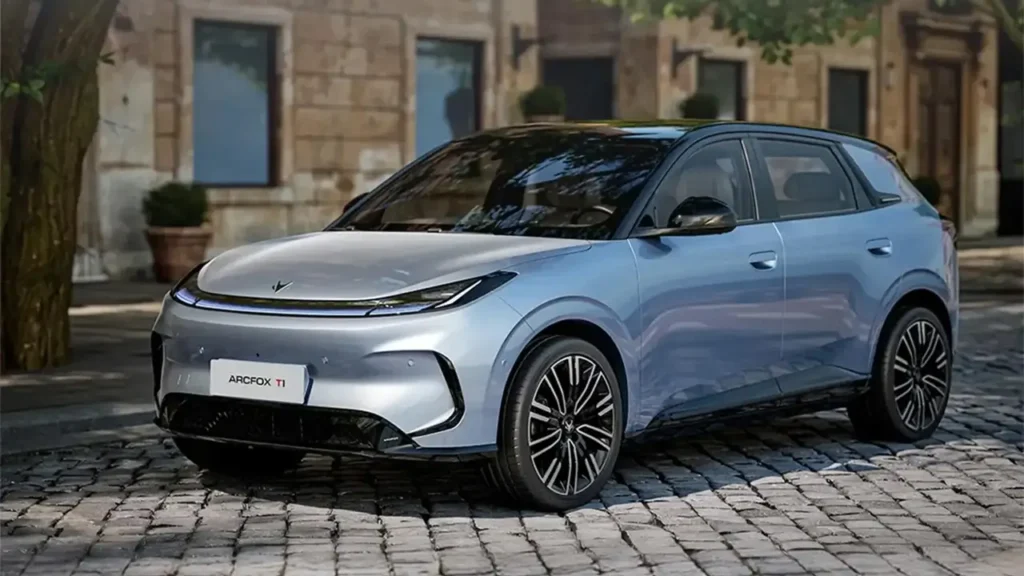
Arcfox S3 Specs Overview
The Arcfox S3 is a compact electric sedan that combines practical dimensions with modern technology. Built on BAIC’s dedicated EV platform, this vehicle targets urban drivers and small families who want electric mobility without compromise.
| Specification | Details |
|---|---|
| Dimensions | 4650mm × 1820mm × 1510mm |
| Wheelbase | 2730mm |
| Motor Power | 160 kW (215 hp) |
| Max Torque | 360 Nm |
| Battery Capacity | 60.7 kWh (swappable) |
| 0-100 km/h | 7.8 seconds |
| Top Speed | 170 km/h |
| Drive Type | Front-wheel drive |
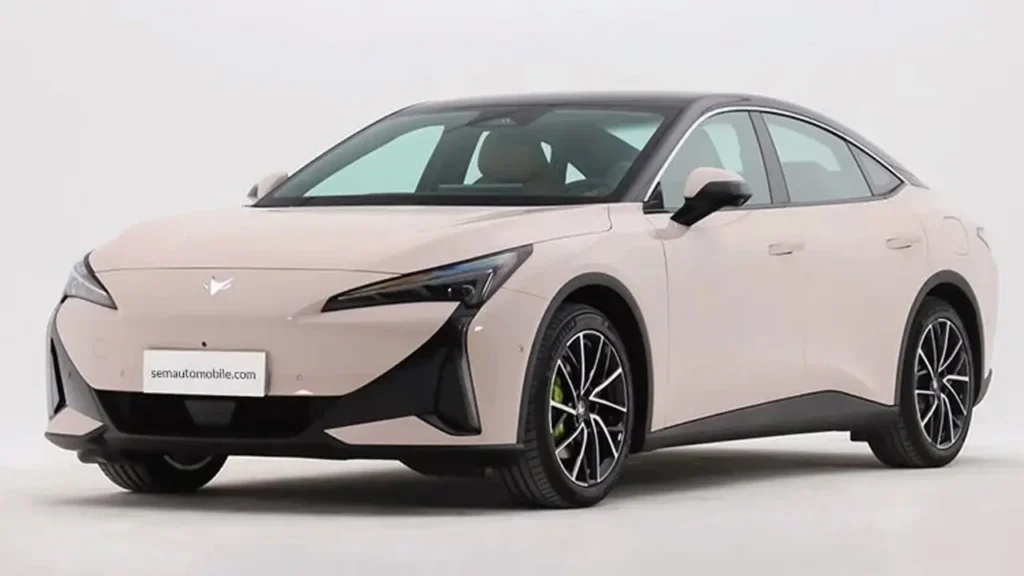
The Arcfox S3 features a contemporary design that balances aerodynamics with visual appeal. The front fascia showcases a closed grille typical of EVs, complemented by sharp LED headlights and daytime running lights. The side profile reveals smooth, flowing lines that help achieve a respectable drag coefficient, contributing to overall efficiency.
Under the skin, the S3 utilizes a permanent magnet synchronous motor delivering 160 kilowatts of power. This setup provides adequate acceleration for city driving and highway merging, reaching 100 kilometers per hour in under eight seconds. While not blistering fast, the power delivery is smooth and immediate, as expected from an electric powertrain.
The interior space benefits from the 2730mm wheelbase, offering comfortable seating for five adults. Rear passengers enjoy decent legroom, though headroom might feel slightly restricted for taller individuals. The cabin features a minimalist design with a large central touchscreen handling most vehicle functions, dual-zone climate control, and synthetic leather upholstery in higher trim levels.
How Arcfox Battery Swap Technology Works
Battery swapping isn’t new—the concept dates back years—but the Arcfox S3 implements it with modern efficiency and scale. The system is based on infrastructure developed by BAIC and partners, particularly leveraging networks established for commercial vehicles and taxi fleets.
The battery swap process is remarkably straightforward. Drivers pull into a dedicated swap station, similar to entering an automated car wash. The vehicle is positioned precisely using guide rails and sensors. Once in place, the automated system takes over.
Below the vehicle, robotic mechanisms unlock the battery pack from its mounting points. The depleted battery slides out on a specialized tray system, and a fully charged replacement battery slides into position. The system reconnects all electrical and cooling connections, performs a quick systems check, and locks the new battery securely in place. The entire operation takes approximately three minutes from entry to exit.
This speed advantage is transformative. While DC fast charging might replenish 80 percent of battery capacity in 30 to 40 minutes under ideal conditions, battery swapping returns you to full range in less time than a traditional fuel stop. For drivers making multiple trips daily—taxi services, ride-sharing operators, or delivery vehicles—this efficiency multiplies significantly.
The swappable battery design also addresses battery degradation concerns differently than traditional EVs. Since drivers don’t own their specific battery pack, they always receive a battery meeting minimum health standards. Degraded batteries are cycled out of rotation for refurbishment or recycling, ensuring consistent performance across the fleet.
BestChina3DPrinters
Expert Reviews & Rankings
Independent 3D Printer Reviews
Your trusted source for Chinese 3D printer reviews, rankings, and comparisons. We buy, test, and review every printer so you can make informed decisions.
Arcfox S3 Range and Real Performance
The Arcfox S3 with its 60.7 kWh battery pack offers an official NEDC range of approximately 430 kilometers. However, real-world conditions typically yield more conservative numbers, as NEDC testing standards tend to be optimistic compared to actual driving scenarios.
| Driving Condition | Expected Range |
|---|---|
| City driving (moderate) | 350-380 km |
| Highway driving (110-120 km/h) | 280-320 km |
| Mixed urban/highway | 320-350 km |
| Cold weather (below 0°C) | 250-290 km |
| Eco mode, city | 380-410 km |
In city driving with moderate acceleration and frequent regenerative braking opportunities, drivers can expect between 350 and 380 kilometers of range. The electric motor’s efficiency shines in stop-and-go traffic, where traditional combustion engines are least efficient.
Highway driving consumes energy more rapidly due to aerodynamic resistance increasing exponentially with speed. At sustained speeds between 110 and 120 kilometers per hour, range drops to approximately 280 to 320 kilometers. This remains sufficient for most intercity trips, especially considering the availability of battery swap stations along major routes.
Cold weather impacts EV range universally, and the Arcfox S3 is no exception. Battery chemistry becomes less efficient in freezing temperatures, and cabin heating draws significant power. Winter driving can reduce range by 20 to 30 percent, bringing real-world numbers down to 250 to 290 kilometers in harsh conditions.
The vehicle features multiple driving modes that influence range performance. Eco mode limits power output and optimizes climate control settings, potentially extending range by 10 to 15 percent compared to normal mode. Sport mode prioritizes performance over efficiency, though the difference remains modest given the vehicle’s overall performance envelope.
Regenerative braking contributes meaningfully to range, particularly in urban environments. The system offers adjustable levels, from minimal regeneration allowing coasting to strong regeneration providing near-one-pedal driving capability. Maximizing regeneration can recover 15 to 20 percent of energy used, though actual benefits depend heavily on driving patterns.
Arcfox S3 Charging Time vs Battery Swap
While the Arcfox S3’s primary energy replenishment method is battery swapping, the vehicle still supports conventional charging for flexibility. Understanding the differences between these methods helps contextualize the battery swap advantage.
| Charging Method | Time Required | Result |
|---|---|---|
| Battery swap station | 3 minutes | 100% capacity |
| DC fast charging (80 kW) | 35-40 minutes | 20% to 80% |
| DC fast charging (full) | 55-65 minutes | 20% to 100% |
| AC charging (7 kW) | 8-9 hours | 0% to 100% |
| AC charging (3.3 kW) | 16-18 hours | 0% to 100% |
The three-minute battery swap represents a paradigm shift in EV usability. This speed matches or beats traditional refueling times, eliminating the primary practical disadvantage electric vehicles face compared to gasoline cars. For commercial operators running multiple shifts, this time savings translates directly into revenue opportunities and operational flexibility.
DC fast charging remains available as a backup option. The Arcfox S3 supports charging rates up to 80 kilowatts on compatible fast chargers. Under optimal conditions, charging from 20 to 80 percent takes approximately 35 to 40 minutes. This represents the charging sweet spot where speed remains high before tapering significantly above 80 percent.
Charging beyond 80 percent slows considerably to protect battery longevity. Reaching 100 percent capacity through DC fast charging typically requires 55 to 65 minutes total from a low state of charge. Most manufacturers recommend limiting regular fast charging sessions to 80 percent for this reason, though battery swap users enjoy full capacity without degradation concerns.
Home or workplace AC charging provides convenient overnight replenishment. A 7-kilowatt Level 2 charger fully replenishes the Arcfox S3’s battery in eight to nine hours, perfect for overnight charging at home. Lower-power options like standard household outlets (3.3 kilowatts) require 16 to 18 hours but remain viable for users with predictable daily routines and limited driving needs.
The battery swap model in electric car battery swap China infrastructure has gained significant traction, particularly in urban areas with dense station networks. Major cities feature swap stations spaced every few kilometers along primary routes, making range anxiety virtually nonexistent for drivers within coverage areas.
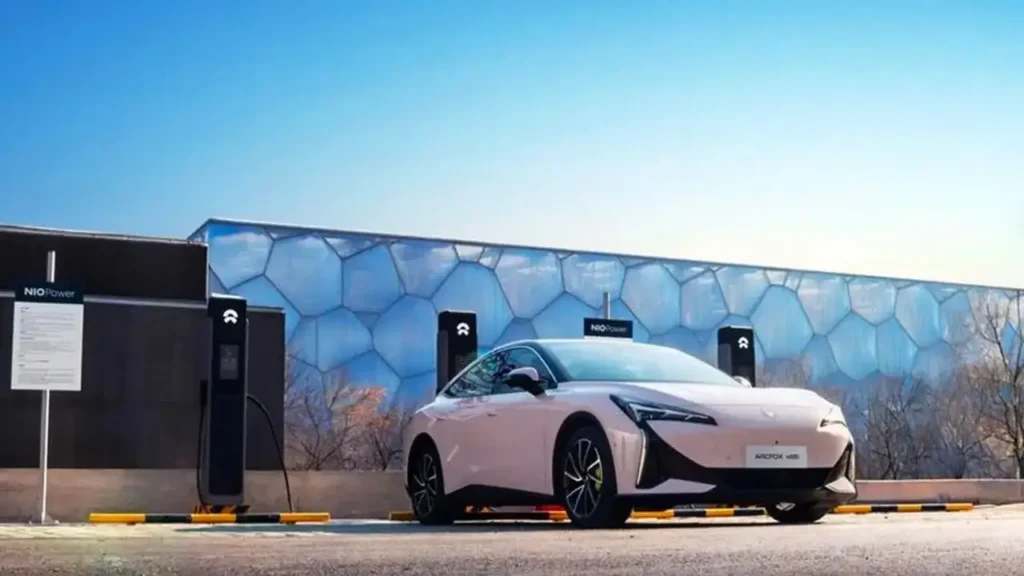
Arcfox S3 Price and Positioning
The BAIC Arcfox sedan pricing strategy reflects the battery swap model’s unique economics. Rather than purchasing the battery outright, customers typically pay a lower initial vehicle price and subscribe to a battery service plan.
| Purchase Option | Price Range |
|---|---|
| Vehicle without battery | 145,000 – 165,000 CNY |
| Vehicle with battery (full purchase) | 210,000 – 230,000 CNY |
| Monthly battery subscription | 780 – 980 CNY/month |
| Pay-per-swap (no subscription) | 60 – 80 CNY per swap |
The battery separation model reduces the initial purchase price significantly. Buying the vehicle without the battery costs approximately 145,000 to 165,000 Chinese yuan, depending on trim level and options. This represents roughly 30 percent savings compared to traditional EV ownership where the battery is included.
For buyers preferring traditional ownership, full-purchase options including the battery range from 210,000 to 230,000 yuan. This pricing positions the Arcfox S3 competitively against other compact electric sedans in the Chinese market, though these buyers lose access to the automatic battery upgrade benefit that swap subscribers enjoy.
Battery subscription plans typically cost between 780 and 980 yuan monthly, offering unlimited swaps within the coverage network. This pricing model particularly benefits high-mileage drivers who would otherwise spend heavily on electricity or require frequent charging sessions. A taxi driver performing four swaps daily pays the same monthly fee as a commuter swapping twice weekly.
Pay-per-swap options exist for occasional users who prefer flexibility without monthly commitments. Individual swaps cost approximately 60 to 80 yuan, making this approach economical for drivers who primarily charge at home but need occasional quick replenishment for longer trips.
The financial equation favors battery subscription for drivers exceeding approximately 15,000 kilometers annually. Below this threshold, combined vehicle payment plus subscription may exceed the total cost of traditional EV ownership with home charging. Above it, the convenience and time savings increasingly justify the subscription model’s total cost.
The Arcfox brand positions itself as a premium offering within BAIC’s portfolio, targeting younger, tech-savvy buyers who value innovation and convenience. The S3 sits in the mainstream segment, balancing accessible pricing with modern features and the battery swap value proposition.
Driving Experience and Interior Features
Behind the wheel, the Arcfox S3 delivers a pleasant and modern driving experience characterized by the smoothness inherent to electric powertrains. The permanent magnet motor provides instant torque delivery from standstill, making city driving responsive and effortless.
Acceleration feels brisk in normal mode, with adequate passing power for highway driving. Sport mode sharpens throttle response slightly, though the overall performance envelope remains focused on efficiency rather than excitement. The 7.8-second sprint to 100 kilometers per hour feels quicker in daily driving than the number suggests, thanks to immediate torque availability.
The steering offers light, easy operation well-suited to urban environments and parking maneuvers. Feedback remains limited, prioritizing comfort over sportiness. Highway stability is adequate, though some body roll appears in aggressive cornering. The suspension tuning favors ride comfort, absorbing most road imperfections capably while occasionally feeling slightly soft over larger bumps.
The cabin environment emphasizes simplicity and technology. A large central touchscreen, typically 12.3 or 15.6 inches depending on trim, dominates the dashboard and controls most vehicle functions. The interface responds quickly and organizes menus logically, though some drivers may miss physical controls for frequently adjusted settings like climate temperature.
| Feature Category | Standard/Available Features |
|---|---|
| Infotainment | 12.3-15.6″ touchscreen, voice control, smartphone connectivity, OTA updates |
| Driver Assistance | Adaptive cruise control, lane keeping assist, automatic emergency braking, parking sensors |
| Comfort | Dual-zone climate control, heated seats, power-adjustable driver seat, ambient lighting |
| Convenience | Keyless entry, push-button start, wireless charging, panoramic sunroof (optional) |
Voice control functionality allows hands-free adjustment of navigation, climate, and media settings. The system recognizes natural language commands reasonably well, though complex requests occasionally require rephrasing. Over-the-air update capability ensures the software improves continuously, adding features and refining existing functionality without requiring dealership visits.
Driver assistance features include adaptive cruise control, lane keeping assist, and automatic emergency braking. These systems function adequately for highway driving assistance, though they require active supervision and don’t approach autonomous driving capabilities. The lane keeping assist occasionally feels intrusive on winding roads, though it can be temporarily disabled.
Interior materials present an acceptable quality level for the price point. Soft-touch plastics cover high-contact areas, while harder plastics appear in lower dashboard and door panel regions. Build quality feels solid with minimal squeaks or rattles reported by early owners. The synthetic leather upholstery in higher trims looks presentable and cleans easily.
Seating comfort accommodates average adults well on longer journeys. Front seats offer adequate support and adjustment range, though some drivers may desire additional lumbar adjustment options. Rear seats provide reasonable space for two adults or three children, with adequate legroom though headroom feels slightly restricted due to the sloping roofline.
Cargo capacity measures approximately 420 liters, sufficient for groceries, luggage, or sports equipment. The rear seats fold in a 60/40 split to accommodate longer items, though the opening remains somewhat constrained. A small front trunk provides minimal additional storage for charging cables or small items.
Noise insulation performs adequately, blocking most road and wind noise at highway speeds. The lack of engine noise reveals some tire roar on coarse pavement, though overall cabin quietness remains a strength compared to gasoline vehicles in this price range.
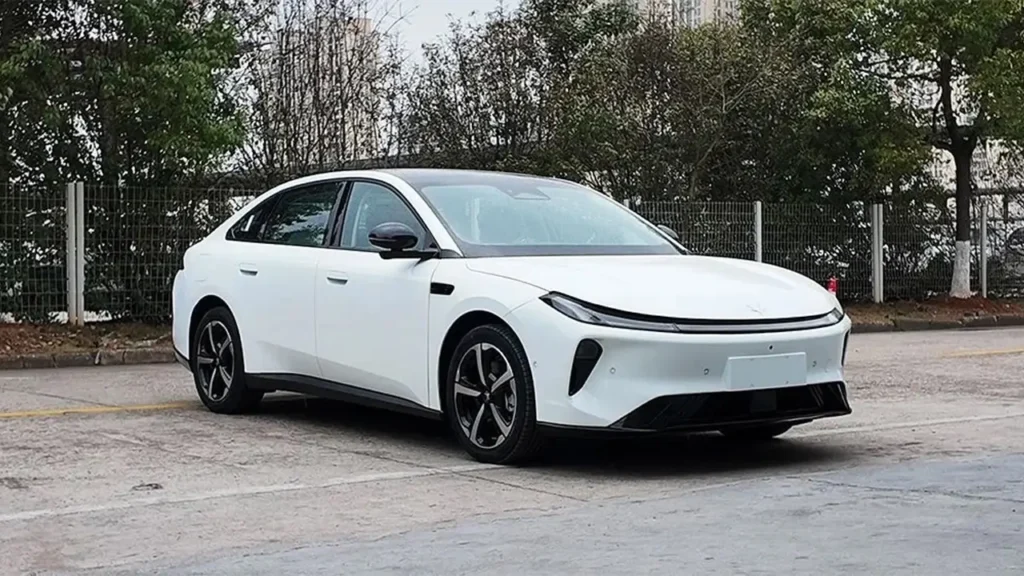
Pros and Cons of Arcfox S3 Battery Swap
Every vehicle and technology presents trade-offs, and the Arcfox S3 battery swap system is no exception. Understanding these advantages and limitations helps potential buyers make informed decisions aligned with their specific needs and circumstances.
The primary advantage of battery swap EV benefits centers on time efficiency. Three-minute battery replacement eliminates range anxiety for drivers within swap network coverage. This speed enables use cases impractical for conventional EVs, particularly commercial applications requiring maximum uptime. Taxi operators, ride-sharing drivers, and delivery services benefit tremendously from this capability.
Battery swap also addresses degradation concerns uniquely. Traditional EV owners watch their battery capacity slowly decline over years, accepting reduced range as inevitable. Swap users always receive batteries meeting minimum health standards, maintaining consistent performance throughout vehicle ownership. When battery technology improves, swap subscribers automatically benefit from upgraded packs without purchasing a new vehicle.
The lower initial purchase price makes electric mobility accessible to buyers deterred by traditional EV costs. Separating the battery cost from the vehicle price reduces the entry barrier significantly, though monthly subscription fees must be considered in total ownership calculations.
Infrastructure dependency represents the most significant limitation. Battery swapping works wonderfully within coverage areas but becomes problematic beyond swap station networks. Long trips outside major urban corridors may require conventional charging as backup, partially negating the time advantage. Buyers must honestly assess whether their typical driving patterns align with existing swap station geography.
The subscription model doesn’t suit every buyer. Low-mileage drivers may find monthly fees economically unfavorable compared to occasional home charging. The total cost of ownership equation tilts toward battery swap as annual mileage increases, but light users might prefer traditional EV ownership.
Battery standardization creates both advantages and constraints. The swappable battery design requires specific dimensions and mounting interfaces, potentially limiting future pack capacity increases compared to vehicles designed around integrated batteries. However, this standardization also enables the swap infrastructure’s scale and efficiency.
Charging flexibility exists but remains less convenient than in traditional EVs designed primarily for plug-in charging. The Arcfox S3 supports conventional charging, though the battery placement and packaging optimized for swapping may not achieve the fastest possible charging rates compared to dedicated plug-in designs.
The swap station network continues expanding but remains geographically limited compared to traditional charging infrastructure. Urban centers enjoy good coverage while rural areas and smaller cities may have limited or no swap stations. This geographic restriction makes the Arcfox S3 primarily an urban vehicle, at least until swap infrastructure expands significantly.
| Advantages | Limitations |
|---|---|
| 3-minute battery replacement | Limited swap station coverage |
| No battery degradation concerns | Monthly subscription costs |
| Lower initial purchase price | Infrastructure dependency |
| Automatic battery upgrades | Standardization constraints |
| Ideal for high-mileage drivers | Less optimal for low-mileage users |
| Conventional charging backup | Primarily urban vehicle |
User Reviews and Market Reaction
Early Arcfox EV review feedback from owners and automotive journalists provides valuable real-world perspective on the S3’s daily usability and battery swap system performance. The response has been largely positive, particularly from drivers whose usage patterns align well with the swap model.
Commercial operators universally praise the time efficiency advantage. Taxi companies report significantly improved vehicle utilization rates compared to their previous electric vehicles. Drivers complete more fares per shift without extended charging breaks, directly increasing revenue. One Beijing taxi operator noted their Arcfox S3 fleet achieves approximately 15 percent more daily trips compared to similar EVs requiring conventional charging.
Ride-sharing drivers echo these sentiments. The ability to swap batteries during peak demand periods rather than losing earning opportunities while charging provides clear economic benefits. Multiple drivers mentioned the psychological relief of never worrying about range during busy periods, allowing them to accept longer fares confidently.
Private owners within well-covered urban areas report high satisfaction, frequently mentioning the convenience factor. The swap process impresses passengers and eliminates the planning required for longer trips in conventional EVs. Several owners noted they chose the Arcfox S3 specifically for the swap capability after experiencing range anxiety with previous electric vehicles.
The vehicle itself receives solid if unremarkable reviews. Most owners describe it as competent and comfortable rather than exciting or luxurious. Build quality meets expectations for the price point, though some owners note minor fit-and-finish inconsistencies typical of newer automotive brands establishing their quality processes.
Technology features earn praise, particularly the large touchscreen interface and over-the-air update capability. Several owners mentioned appreciating new features and refinements appearing through software updates after purchase. Voice control functionality works adequately, though some users report occasional misunderstandings requiring command repetition.
Range performance matches official claims reasonably well under moderate conditions, with typical urban driving achieving 350 to 380 kilometers as expected. Cold weather impacts remain notable, with winter range dropping significantly, though battery swap availability minimizes this concern compared to conventional EVs where reduced range creates genuine inconvenience.
Some criticism appears regarding the monthly subscription model’s cost for light users. Several owners who drive less than anticipated feel the subscription fees don’t justify the convenience compared to occasional fast charging. This reinforces the conclusion that battery swap economics favor higher-mileage drivers.
Infrastructure coverage receives mixed feedback. Urban owners within dense swap networks report excellent experiences with minimal wait times and reliable station availability. However, owners in smaller cities or those attempting longer intercity trips mention frustration with limited station networks, occasionally requiring conventional charging as backup.
Station reliability has improved significantly since early deployment, with maintenance and battery inventory management becoming more sophisticated. Early issues with depleted battery availability during peak hours have largely been resolved through better predictive stocking and faster battery rotation.
Market reception in China has been cautiously optimistic. The Arcfox S3 hasn’t achieved blockbuster sales numbers but maintains steady demand, particularly from commercial operators and urban commuters. Industry observers view the battery swap approach as a viable complementary technology rather than a wholesale replacement for conventional charging infrastructure.
International interest exists, though battery swap infrastructure deployment outside China remains limited. The model’s success depends heavily on achieving sufficient station density to make swap convenient, requiring substantial infrastructure investment before expanding to new markets.
Final Verdict: Is Arcfox S3 Battery Swap Worth It
The Arcfox S3 battery swap system represents a genuinely innovative approach to electric vehicle usability challenges. Whether it’s worth choosing depends entirely on individual circumstances, driving patterns, and geographic location.
For high-mileage urban drivers within established swap networks, the Arcfox S3 delivers compelling advantages. Commercial operators, ride-sharing drivers, and commuters logging significant daily miles benefit tremendously from three-minute battery replacement. The time savings accumulate rapidly, and the convenience eliminates range anxiety completely within coverage areas. These buyers should seriously consider the Arcfox S3 over conventional EVs.
Private owners with moderate driving needs within well-covered cities also find value in the battery swap model. The peace of mind knowing quick battery replacement is always available, combined with the lower initial purchase price, makes the S3 attractive. The vehicle itself performs competently in this role, offering adequate space, features, and range for typical urban and suburban use.
Buyers outside established swap networks should proceed cautiously. While conventional charging capability provides backup, purchasing a vehicle optimized for battery swapping when swap infrastructure isn’t readily available negates the primary advantage. These buyers might be better served by conventional EVs designed primarily for plug-in charging.
Low-mileage drivers need to carefully evaluate the economics. The monthly subscription fee might not justify the convenience if you drive infrequently or have reliable home charging for daily needs. Traditional EV ownership with occasional DC fast charging for longer trips might prove more economical for drivers logging less than 12,000 to 15,000 kilometers annually.
The vehicle itself deserves consideration separate from the battery swap technology. The Arcfox S3 offers competitive specifications, adequate performance, and modern features at a reasonable price. It’s not particularly exciting or luxurious, but it executes the practical electric sedan mission competently. Buyers should evaluate whether the vehicle meets their needs independently of the swap capability.
Battery swap technology’s future remains uncertain. The approach has achieved meaningful scale in China, particularly for commercial applications. Whether it expands globally or remains a regional solution depends on continued infrastructure investment and standardization efforts across manufacturers. Buyers are essentially betting on continued swap network growth and support, which carries some risk compared to established charging infrastructure.
The Arcfox S3 succeeds in its primary mission: demonstrating that battery swapping can work at commercial scale and deliver genuine user benefits. It won’t suit everyone, but for the right buyer in the right location, it offers a compelling alternative to conventional electric vehicles.
The three-minute battery replacement genuinely changes the EV ownership experience, eliminating the primary practical disadvantage electric vehicles face compared to gasoline cars. Time efficiency matters enormously for commercial operators and increasingly time-conscious consumers alike.
Ultimately, the Arcfox S3 battery swap makes sense for urban drivers with high mileage needs within established swap networks. It represents a viable path forward for electric mobility, complementing rather than replacing traditional charging infrastructure. As the technology matures and networks expand, battery swapping may become increasingly relevant for mainstream buyers. For now, it remains a specialized solution delivering exceptional value in specific use cases.
1. English Review 🇺🇸
Honestly, this is one of the most interesting EV articles I’ve read lately. The explanation of battery swap technology is super clear, and the visuals make it even better. I didn’t know Arcfox was pushing this concept so aggressively. The site autochina.blog looks clean, fast, and actually useful — not just another copy-paste car blog. Definitely bookmarking it.
2. Reseña en Español 🇪🇸
Muy buen artículo, fácil de entender incluso si no sabes mucho sobre coches eléctricos. La tecnología de cambio de batería me parece increíble y el contenido está bien explicado. Además, el sitio autochina.blog se ve profesional y actualizado. Se nota que hay trabajo detrás. Voy a seguir revisando más publicaciones.
3. مراجعة باللغة العربية 🇸🇦
مقال ممتاز ومفيد جداً. شرح تقنية تبديل البطارية كان واضح وبسيط، وهذا شيء نادر في مواقع السيارات. موقع autochina.blog منظم وسهل التصفح ويعطي معلومات حقيقية بدون تعقيد. بصراحة أصبح من مواقعي المفضلة لمتابعة أخبار السيارات الكهربائية.
4. 中文评价 🇨🇳
这篇文章非常有意思,关于电池更换技术的讲解很清晰。Arcfox S3 的概念让我印象深刻。网站 autochina.blog 内容专业,阅读体验很好,不像很多普通汽车网站那样无聊。我会继续关注这个网站的更新。
Discover more from AutoChina
Subscribe to get the latest posts sent to your email.