You know that feeling when your EV’s range drops by 40% the moment winter hits? Yeah, we’ve all been there. The pure electric dream was beautiful until you found yourself anxiously searching for charging stations in freezing weather, watching your battery percentage drop faster than your patience.
But here’s the thing: the Avatr 12 EREV vs BEV debate isn’t just another “which one’s better” argument. This is about a fundamental shift in how we think about electric mobility in 2026. The EREV (Extended Range Electric Vehicle) version that launched this winter season doesn’t just solve range anxiety—it completely eliminates it. Meanwhile, the BEV (Battery Electric Vehicle) version pushes pure-electric technology to impressive limits with its 800V architecture and massive battery pack.
So which one should you actually consider? Let’s break down everything you need to know about the Avatr 12 EREV vs BEV situation, from real-world winter performance to what it’ll actually cost you to own one.
| Spec (China) | Avatr 12 EREV/REEV | Avatr 12 BEV |
|---|---|---|
| EV-only range (CLTC) | 245 km (earlier EREV) | 705–755 km |
| Total range (CLTC) | 1,155 km (full fuel + charge) | — |
| Battery | 39.05 kWh (Freevoy) | 94.53 kWh |
| Starting price | RMB 269,900 | RMB 289,900 |
What Exactly Launched Winter 2025/26: Versions, Trims, and Market Positioning
The Avatr 12 EREV price 2026 story starts with some surprisingly aggressive positioning. Avatr, the joint venture between Changan, Huawei, and CATL, made a bold move by pricing the EREV version lower than the BEV—starting at RMB 269,900 (approximately $37,000 USD) compared to the BEV’s RMB 289,900 starting point.
This isn’t your typical “hybrid costs less because it’s simpler” situation. The EREV actually shares most of the premium features with its BEV sibling, including the same gorgeous fastback design, identical interior quality, and full Huawei ADS 2.0 autonomous driving capability. What you’re really choosing between is a powertrain philosophy, not a trim level compromise.
The winter 2025/26 launch timing was strategic. Chinese buyers have become increasingly savvy about EV range loss in cold weather, and Avatr positioned the EREV as the “worry-free winter warrior” while marketing the BEV as the “pure-electric performance flagship.” Both versions come in multiple trim levels, with the top-spec models pushing past RMB 400,000 once you load them up with every available option.
What makes the Avatr 12 EREV vs BEV comparison interesting is that you’re not sacrificing luxury or technology by choosing the range-extended version. You get the same Nappa leather, the same massive infotainment screens, the same advanced driver assistance features. The choice really comes down to how you drive and where you live.
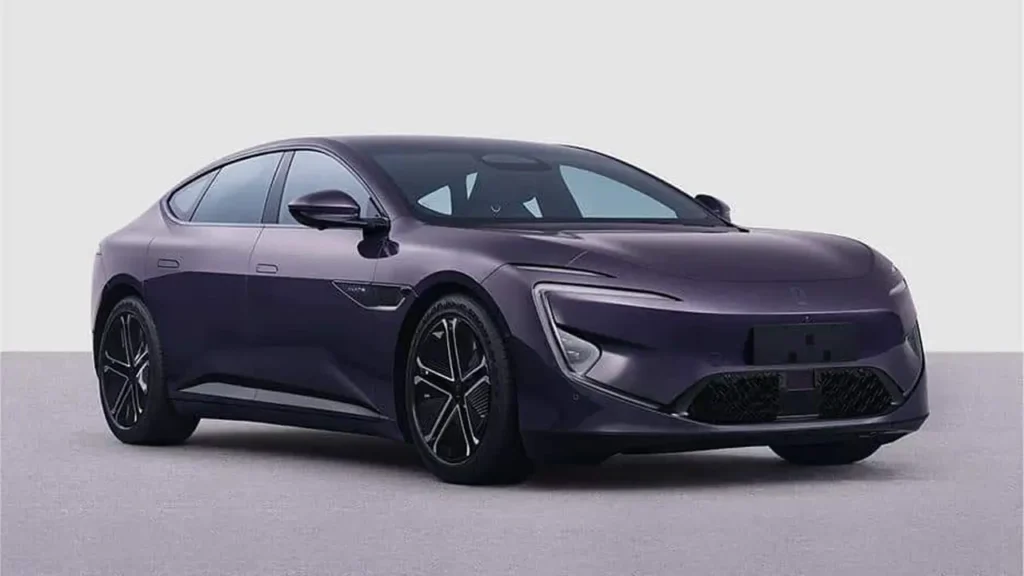
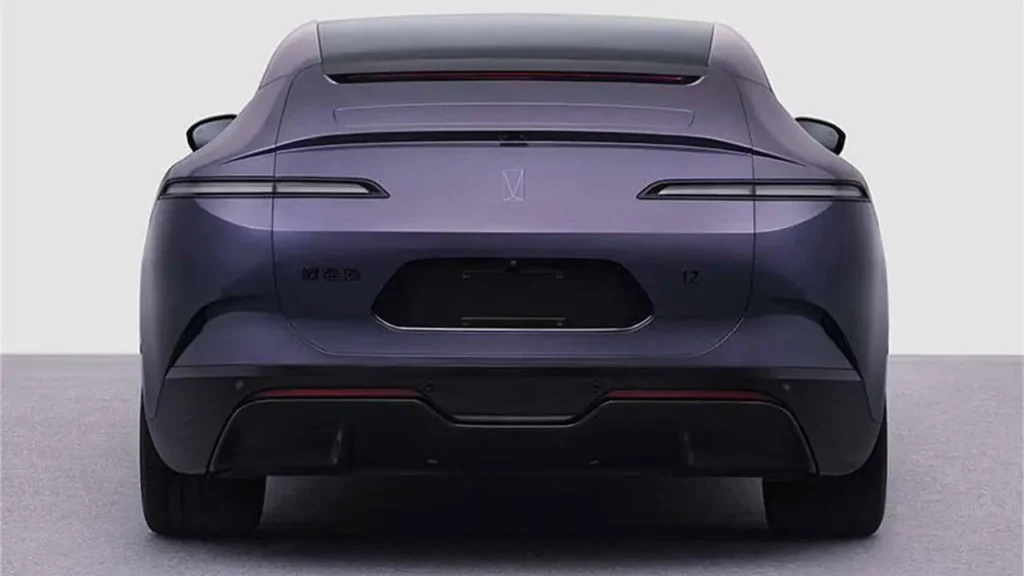
For 2026, Avatr has also refined the visual differentiation—EREV models get subtle badging and a slightly different rear fascia to accommodate the fuel filler door, but you’d have to look closely to tell them apart. This isn’t like old plug-in hybrids that screamed “compromise”—both versions look and feel like premium electric sedans.
If you’re into Chinese cars, you’re probably into Chinese tech too — because the best EV experience is basically hardware + software on wheels. For daily gear, smart gadgets, and honest tech picks that actually make life easier, check out https://bestchinagadget.com/ and grab the essentials before your next road trip.
Technical Foundation of EREV: How the “Generator + Electric Motor” System Works
The Avatr 12 REEV Kunlun powertrain represents a sophisticated approach to range extension that’s quite different from traditional hybrids. REEV (Range-Extended Electric Vehicle) and EREV are essentially the same concept with different naming conventions—some manufacturers prefer one term over the other, but the principle is identical.
Here’s how it actually works: the Avatr 12 EREV uses a 1.5-liter naturally aspirated gasoline engine that acts purely as a generator. This isn’t a traditional hybrid where the engine sometimes powers the wheels directly. Instead, the internal combustion engine does one job only—it generates electricity to either charge the battery or directly supply the electric motors.
The electric motors themselves are what actually move the car. The EREV version uses a rear-mounted electric motor producing substantial power (exact figures vary by trim, but we’re talking 230+ kW in the base version), giving you that instant torque and smooth electric driving feel whether you’re running on battery alone or with the range extender active.
Changan’s Kunlun powertrain technology focuses on efficiency and refinement. The 1.5L engine runs at its optimal rpm range when active, maximizing fuel efficiency while minimizing noise and vibration. When you’re cruising on the highway with a depleted battery, the engine kicks in seamlessly—most drivers report barely noticing the transition except for a slight increase in ambient noise.
The beauty of the Avatr 12 EREV vs BEV setup is that the EREV version still drives like an electric car 100% of the time. There’s no CVT weirdness, no “shift” points, no power lag. The combustion engine is essentially an onboard power plant, not a drive unit. This means you get the best of both worlds: electric driving dynamics with gas-station convenience.
One clever detail in the Kunlun powertrain is the ability to manage when the range extender runs. In some driving modes, you can force the engine to charge the battery to a certain level, essentially “banking” electric range for upcoming city driving or emission-controlled zones. This kind of flexibility simply doesn’t exist with the BEV version.
If Avatr 12 EREV vs BEV got you thinking about what’s next in China’s premium hybrid race, don’t miss Chery’s newest heavyweight. The Fulwin T11 is arriving at dealers right now and it’s aiming straight at the big-name EREV leaders. Full breakdown here: https://autochina.blog/chery-fulwin-t11-production-review/
EREV Battery Chemistry and the Meaning Behind “Hybrid” Technology
The Avatr 12 Freevoy battery 39.05 kWh might seem small compared to the BEV’s massive 94.53 kWh pack, but there’s sophisticated engineering behind this choice. CATL’s Freevoy battery technology is specifically designed for EREV applications, where the battery experiences different stress patterns than in a pure BEV.
Freevoy batteries use advanced lithium-iron-phosphate (LFP) chemistry optimized for rapid cycling—frequent charging and discharging as the range extender kicks in and out. Traditional EV batteries are designed for deep discharge cycles: you drain them significantly, then recharge fully. The EREV battery instead stays within a middle state-of-charge zone most of the time, which actually extends battery longevity.
The 39.05 kWh capacity is a sweet spot calculation. It’s large enough to handle a full day of city commuting in pure electric mode, but small enough to keep vehicle weight reasonable and charging times short. When you do plug in the Avatr 12 EREV, you’re looking at roughly 30-40 minutes to charge from 20% to 80% on a decent DC fast charger, or a few hours on a home AC wallbox.
What makes the Avatr 12 Freevoy battery 39.05 kWh particularly clever is the thermal management system. CATL engineered this pack to handle the frequent temperature variations that come with range-extender operation—the engine generates heat, then shuts off and cools down, creating cycles that don’t occur in BEVs. The Freevoy system includes sophisticated cooling channels and heating elements to maintain optimal battery temperature regardless of whether the engine is running.
Another advantage in the Avatr 12 EREV vs BEV comparison: the smaller battery means less weight over the rear axle, which actually improves handling balance. The EREV weighs noticeably less than the BEV version (we’re talking 200-250 kg difference), making it feel slightly more nimble in tight corners despite having similar power figures.
The “hybrid” chemistry aspect also refers to the battery management system’s dual-mode operation. When running on electric alone, the BMS (Battery Management System) optimizes for maximum range extraction. When the engine is active, it switches to a charge-acceptance mode that can handle higher input currents from the generator without degrading the cells. This dual-personality setup is what makes the Freevoy technology genuinely innovative rather than just a smaller BEV battery.
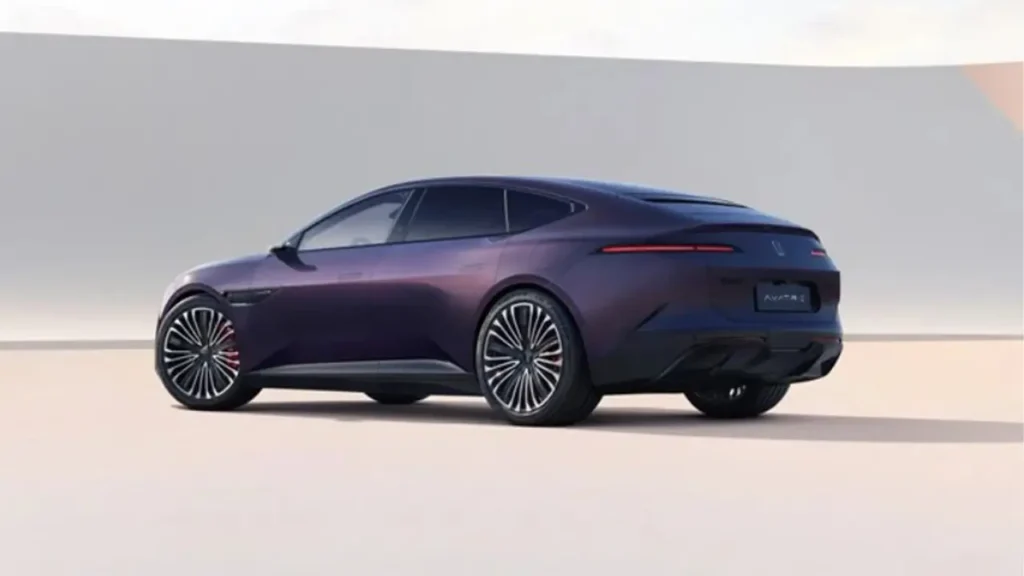
Electric-Only Mode in EREV: How Far Can You Really Drive “Like an EV”
The Avatr 12 EREV electric-only range 245 km figure comes from CLTC testing, which means real-world results will vary. Let’s be honest about what that means in practice: expect somewhere between 180-220 km in mixed driving conditions, and potentially as low as 140-160 km in harsh winter weather with the heater blasting.
But here’s the interesting part about the Avatr 12 EREV electric-only range 245 km specification: it’s actually enough for the vast majority of daily driving. Studies consistently show that average daily driving distances in urban China hover around 50-80 km. Even in sprawling cities, most commuters aren’t covering more than 100 km per day. This means the EREV can genuinely operate as a pure EV for most users, most of the time.
The experience of driving the Avatr 12 in electric-only mode is indistinguishable from the BEV version up to about 120 km/h. You get the same instant throttle response, the same regenerative braking feel, the same whisper-quiet cabin. The difference only becomes apparent when you glance at the range indicator and realize you’ve got a backup plan waiting.
Avatr’s implementation includes several driving modes that affect how aggressively the car uses electric-only power. In “Pure Electric Priority” mode, the system will drain the battery down to about 15% before waking up the range extender. In “Hybrid” mode, it maintains a buffer of around 30-40% battery charge, using the engine more liberally to preserve electric range for later. In “Mountain” or “Sport” modes, both the battery and engine work together to provide maximum performance.
What’s particularly clever about the electric-only implementation is the predictive energy management. If you’ve entered a destination into the navigation system, the Avatr 12 can calculate whether you’ll need the range extender and when. Planning a 200 km highway trip? The system might suggest starting with the engine running to preserve battery for the destination city driving. Just going to the office 30 km away? It’ll stay silent in pure EV mode.
Winter performance is where the Avatr 12 EREV vs BEV debate gets really interesting. When temperatures drop below freezing, that 245 km electric range might shrink to 160 km, but you’ve always got the engine as backup. BEV owners watching their range plummet while searching for working chargers in subzero weather don’t have that luxury. The peace of mind factor alone is worth considering.
Charging behavior also affects electric-only range. If you can plug in daily at home or work, the EREV basically becomes a BEV with an insurance policy you rarely use. Many EREV owners report going weeks without needing the range extender, essentially running on cheap electricity rather than expensive gasoline. The fuel tank just sits there, waiting for that one long road trip where it proves its worth.
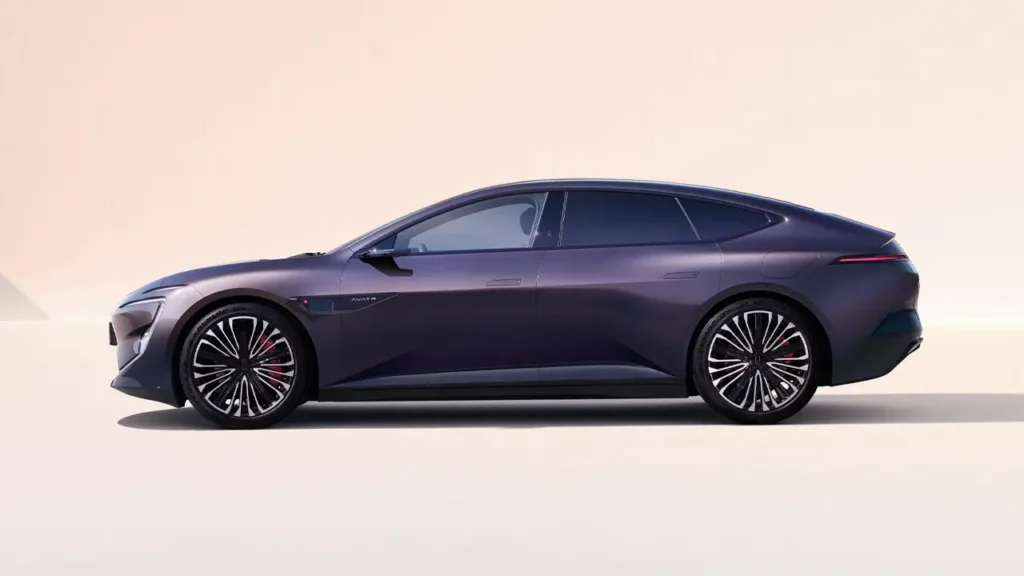
The Market-Disrupting Move: “Infinite” Range and Who Actually Benefits
The Avatr 12 EREV range 1155 km claim is both completely legitimate and somewhat theoretical at the same time. Yes, with a full 245 km of electric range plus roughly 900+ km from the fuel tank, you can theoretically drive over 1,100 km without stopping. But in practice, you’ll want to stop long before that—bathrooms and coffee exist for a reason.
What the 1155 km total range really means is freedom from planning. This is the fundamental difference in the Avatr 12 EREV vs BEV ownership experience. With the BEV, every long trip requires route planning around charging infrastructure. With the EREV, you just drive. Need to visit relatives 400 km away in a small town with questionable charging? No problem. Want to take an impromptu weekend trip to a remote scenic area? Just go.
The psychological impact of the Avatr 12 EREV range 1155 km capability shouldn’t be underestimated. Range anxiety isn’t always rational—it’s the nagging worry that you’ll get stranded, even when statistics show it rarely happens. The EREV eliminates this anxiety completely. You can drive it exactly like a gasoline car when needed, with the same refueling routine that’s second nature to anyone who’s owned a conventional vehicle.
Who benefits most from this setup? Several clear use cases emerge:
First, people in regions with developing charging infrastructure. If you live somewhere where fast chargers are still sparse or unreliable, the EREV gives you access to electric driving for daily commutes while maintaining long-distance capability through the existing gas station network.
Second, apartment dwellers without dedicated charging. If you can’t install a home charger and rely on public charging, the EREV lets you charge opportunistically when convenient rather than anxiously whenever necessary. Low battery at home but all the nearby chargers are occupied? Just use some gasoline until a charger becomes available.
Third, frequent long-distance drivers. Sales representatives, consultants, or anyone who regularly drives 300+ km trips will find the EREV liberating. You can still do most of your city driving on electricity, but those highway miles don’t require half-hour charging breaks every 400 km.
Fourth, cold-weather residents. If you live in northeastern China, Hokkaido, northern Europe, or Canadian markets (if the Avatr 12 ever launches there), winter range loss in BEVs can be severe. The EREV maintains its capability regardless of temperature because you’ve always got the combustion backup.
The Avatr 12 EREV range 1155 km specification also has practical implications for resale value. Range anxiety affects used EV prices—buyers worry about battery degradation. EREV vehicles may hold value better because the powertrain flexibility reduces long-term capability concerns. Even if the battery degrades to 80% capacity after five years, you’ve still got the range extender.
One underappreciated benefit: emergency preparedness. Natural disasters, power outages, or infrastructure failures don’t strand EREV owners the way they might strand BEV drivers. As long as gas stations have fuel, you can keep moving. In a world of increasing climate instability, this resilience has real value.
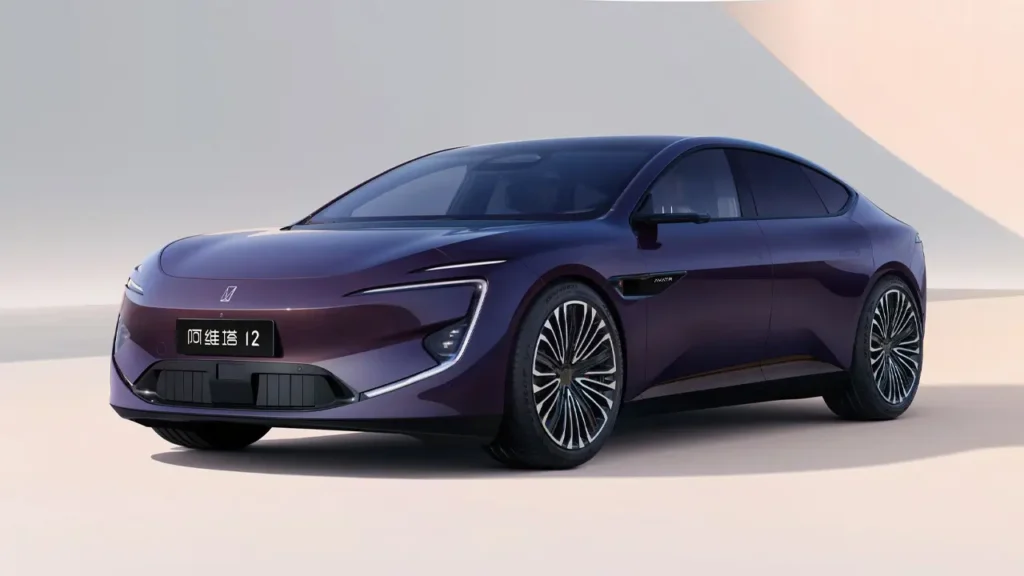
BEV Strengths: Range, Fast-Charging Platform, and the Hidden Trade-offs
The Avatr 12 BEV CLTC range 705 755 km represents the other end of the spectrum—massive battery, zero emissions, and the theoretical ability to drive 500+ real-world kilometers on a single charge. The two range figures (705 and 755 km) correspond to different trim levels, with the long-range version packing the full 94.53 kWh battery.
In ideal conditions—moderate temperatures, steady highway speeds around 90-100 km/h—the long-range BEV can genuinely approach 600-650 km of real-world range. That’s legitimately impressive and puts it in the upper tier of current EVs globally. For pure-electric advocates, this range capability means you can actually make long trips with just one charging stop, eliminating the multiple-charge hassle that plagued earlier EVs.
The charging infrastructure argument also favors the BEV in certain scenarios. If you live in a city with excellent fast-charging coverage and you primarily drive urban/suburban routes, the BEV might actually be more convenient than the EREV. You never need to visit gas stations, never worry about oil changes or engine maintenance, and never deal with any fossil fuel consumption. Your “refueling” happens while you shop, eat dinner, or sleep at home.
China’s charging network has reached impressive density in major cities. Places like Shanghai, Beijing, Shenzhen, and Guangzhou have fast chargers seemingly everywhere—parking garages, shopping malls, rest stops, even street parking. In these environments, the Avatr 12 EREV vs BEV debate tilts toward the BEV for daily convenience. Plugging in becomes as thoughtless as parking.
The BEV also offers slightly better performance in some metrics. With 200+ kg less weight and a lower center of gravity (that massive battery sits in the floor), the BEV version handles with a bit more precision. Track enthusiasts or driving purists might prefer the BEV’s dynamics, though we’re talking about subtle differences that most drivers won’t notice.
Environmental considerations matter to many buyers. The BEV produces zero tailpipe emissions, ever. In regions with clean electricity grids (hydroelectric, nuclear, or renewable-heavy), the BEV’s lifecycle emissions are significantly lower than the EREV’s. If you’re an environmental buyer in Norway, Quebec, or parts of China with clean power, the BEV makes ethical sense.
But here’s where the hidden trade-offs appear. The Avatr 12 BEV CLTC range 705 755 km sounds amazing until you hit winter. Real-world winter range can drop to 400-500 km in harsh conditions—still decent, but suddenly those long trips require charging stops. And not all charging infrastructure is created equal. Broken chargers, slow charging speeds at cold temperatures, and waiting for occupied stations become frustrations you never anticipated.
The massive battery also means longer charging times in absolute terms. Even with fast charging, going from 10% to 80% takes 35-40 minutes under ideal conditions. In cold weather or on slower chargers, you might be waiting an hour. The EREV, by contrast, can refuel its 50-liter gas tank in five minutes at any station.
Battery degradation is another long-term consideration. That 94.53 kWh pack will inevitably lose capacity over time—typically 10-20% over the first five to eight years depending on usage patterns. The Avatr 12 BEV CLTC range 705 755 km specification assumes a new battery; after five years, you might be looking at 600-650 km CLTC, or 450-500 km real-world. The EREV’s smaller battery experiences similar degradation, but since you’ve got the engine backup, it matters less.
Technology and Safety: ADS, LiDAR, and Intelligent Road Perception
The Avatr 12 Huawei ADS LiDAR features are identical across both EREV and BEV versions, which is excellent news—you’re not sacrificing advanced driver assistance by choosing the range-extended model. Huawei’s ADS (Autonomous Driving System) 2.0 represents some of the most sophisticated self-driving technology currently available in production vehicles anywhere in the world.
The LiDAR system uses solid-state sensors to create high-resolution 3D maps of the environment around the car in real-time. Unlike camera-only systems, LiDAR works in darkness, fog, rain, and snow with remarkable reliability. The Avatr 12 combines this LiDAR data with multiple cameras, millimeter-wave radar, and ultrasonic sensors to create a 360-degree perception bubble.
What makes the Avatr 12 Huawei ADS LiDAR features particularly impressive is the urban navigation capability. In supported Chinese cities, the system can handle complex scenarios like unprotected left turns, roundabouts, temporary construction detours, and even reverse into parking spaces—all without driver intervention. This isn’t just highway lane-keeping; this is genuine Level 2+ autonomy approaching Level 3 in certain conditions.
The computing platform behind ADS 2.0 uses multiple NVIDIA or Huawei Ascend chips (depending on market and supply chain factors) to process sensor data in real-time. The system can recognize and react to unexpected obstacles—pedestrians, cyclists, animals, debris—faster than human drivers in most situations. Emergency braking, collision avoidance, and blind-spot monitoring all operate with impressive reliability.
In the Avatr 12 EREV vs BEV comparison, both versions receive identical ADS hardware and software capabilities. The EREV’s engine operation doesn’t interfere with sensor accuracy, and the system’s power requirements are easily met by both powertrains. This parity is crucial—you’re making a powertrain choice, not a safety or technology trade-off.
One interesting detail: the ADS system includes over-the-air update capability, meaning the autonomous driving features can improve over time as Huawei’s algorithms get smarter. Avatr has committed to regular software updates that expand the system’s capabilities and geographic coverage. Today’s features are just the starting point.
Interior technology also deserves mention. Both EREV and BEV versions come with Huawei’s HarmonyOS-based infotainment system, offering seamless smartphone integration, voice control that actually understands natural language, and a app ecosystem that includes navigation, entertainment, and vehicle controls. The central touchscreen measures 15.6 inches, with an additional driver display and augmented reality head-up display in higher trims.
The Avatr 12 Huawei ADS LiDAR features extend to parking assistance as well. The system can remember up to 100 parking locations and autonomously navigate into and out of these spaces without driver input. Imagine arriving at your apartment garage, stepping out, and watching the car park itself in a tight space you’d normally struggle with. Then summoning it to pick you up when you’re ready to leave. This is available today, not science fiction.
Safety ratings are equivalent across both versions. China’s C-NCAP crash testing gave the Avatr 12 top marks, with five-star ratings in all categories. The structure uses ultra-high-strength steel in critical areas, with multiple airbags (including curtain airbags) and active safety features like automatic emergency braking and pedestrian detection as standard.
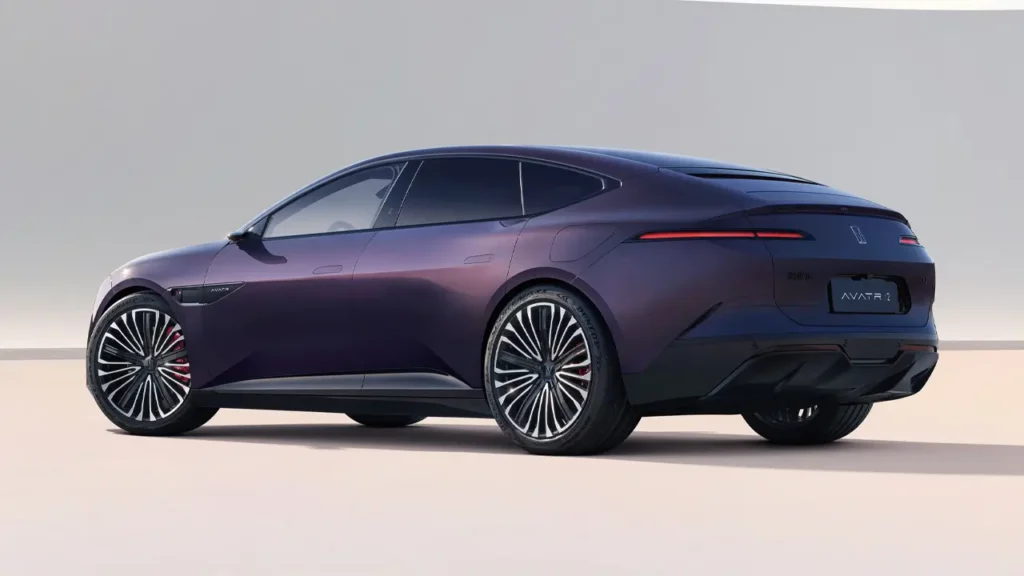
Ownership Costs: Fuel, Charging, Service—”How Much Will Your Wallet Hurt”
The Avatr 12 EREV real-world fuel consumption becomes the crucial ownership cost factor once you move past the purchase price. In pure electric mode, “fuel” costs are identical to the BEV—you’re just paying for electricity, which in China typically runs 0.5-1.5 RMB per kWh depending on time of day and location.
When the range extender is active, fuel consumption varies significantly based on driving conditions. Highway cruising with the battery depleted typically sees the engine consuming 6.5-8.0 liters per 100 km, which is reasonable for a large premium sedan. City driving with frequent engine starts can push this toward 8-10 L/100km. Aggressive mountain driving might even see double-digit consumption figures.
However, the key insight about Avatr 12 EREV real-world fuel consumption is that most owners rarely use much gasoline. If you charge daily and drive less than 200 km per day, you might only burn fuel on weekend trips or during that once-a-month long drive. Many EREV owners report using less than 50 liters of gasoline per month despite driving 1,500+ km monthly—the majority of their miles come from electricity.
Let’s run some ownership math comparing EREV vs BEV scenarios:
| Scenario | Monthly Costs (RMB) | Notes |
|---|---|---|
| EREV: 1,500 km/month, mostly city, daily charging | ~300-400 | Mostly electricity (200-250 RMB) + minimal gas (100-150 RMB) |
| BEV: 1,500 km/month, mostly city, daily charging | ~250-350 | Pure electricity, home/work charging rates |
| EREV: 2,500 km/month with highway trips, can’t charge daily | ~700-900 | More gasoline usage (500-600 RMB) + some charging (200-300 RMB) |
| BEV: 2,500 km/month with highway trips, public charging | ~600-800 | Higher fast-charging rates, but still cheaper than gas |
Maintenance costs differ subtly. The EREV requires engine oil changes, air filter replacements, and spark plug service that the BEV doesn’t need. Figure on an extra 500-800 RMB annually for these items. However, because the engine runs less frequently and at optimal rpm, it typically experiences less wear than a conventional car’s engine. Avatr recommends oil changes every 10,000 km or 12 months, whichever comes first.
Both versions require brake service, tire rotations, cabin filters, and coolant for the battery thermal management system. These costs are roughly equivalent. Regenerative braking means both vehicles experience less brake wear than conventional cars, potentially going 80,000+ km before brake pad replacement.
Insurance costs are similar between EREV and BEV versions, typically ranging from 8,000-12,000 RMB annually depending on coverage levels and driver history. Some insurers offer slight discounts for the EREV due to the lower fire risk compared to large BEV batteries, though this varies by provider.
Depreciation is harder to predict but may actually favor the EREV in the current market. Used EV buyers worry about battery health and remaining capacity. The EREV’s smaller battery and powertrain flexibility may preserve resale value better. However, as the EV market matures and battery technology improves, this advantage might diminish.
One often-overlooked cost factor: charging availability. If you can charge at home for 0.5 RMB/kWh, the BEV is incredibly cheap to run. If you’re forced to use public fast chargers at 1.5-2.0 RMB/kWh regularly, the cost advantage narrows significantly. The EREV gives you options—charge when it’s cheap and convenient, use gasoline when it’s not.
The Avatr 12 EREV real-world fuel consumption ultimately depends on your individual usage pattern. Someone with home charging and a 60 km daily commute might use one tank of gas every six months. Someone without convenient charging in a cold climate might use the EREV more like a traditional hybrid, seeing 6-8 L/100km average consumption. Your mileage, quite literally, will vary.
Final Verdict: EREV or BEV—Who Should Buy What in 2026
So we’ve finally reached the moment of truth in this comprehensive Avatr 12 EREV vs BEV analysis. After examining everything from battery chemistry to ownership costs, what’s the actual answer? As with most things in life, it depends on your specific situation.
Choose the EREV if you: Live in an area with inconsistent charging infrastructure. Can’t install home charging and rely on public stations. Frequently drive 300+ km trips. Experience harsh winters that seriously impact EV range. Want the psychological security of never worrying about range. Drive varied routes that might include remote areas. Prefer having backup plans and flexibility. Are a first-time EV buyer nervous about making the full leap to pure electric.
Choose the BEV if you: Have reliable home or workplace charging. Primarily drive predictable routes under 300 km per day. Live in a city with extensive fast-charging coverage. Rarely venture far from home base. Want zero emissions and no fossil fuel involvement. Prefer simpler technology with fewer moving parts. Don’t mind planning long trips around charging stops. Feel confident in your region’s charging infrastructure. Want the absolute maximum electric range available.
The Avatr 12 BEV 800V SiC fast charging capability really shines if you’re in the second category. The 800-volt silicon carbide architecture means the BEV can accept charging rates up to 250 kW under ideal conditions, adding roughly 200 km of range in just 10-15 minutes. If you have access to cutting-edge fast chargers and your lifestyle accommodates occasional charging breaks, the BEV provides a genuinely compelling pure-electric experience.
But let’s address the elephant in the room: range anxiety is real, and the EREV eliminates it completely. Even if you logically know you’ll charge every night and never deplete the battery, there’s immense psychological comfort in having that backup engine. The 1,155 km total range isn’t just a number—it’s peace of mind translated into kilometers.
The price difference also deserves final consideration. At RMB 20,000 less to start, the EREV is actually the value proposition unless you’re specifically targeting pure-electric operation. You’re paying less money for more flexibility. The only rational reason to pay more for the BEV is if you genuinely value zero emissions and don’t mind the trade-offs.
Looking forward to the rest of 2026 and beyond, the Avatr 12 EREV vs BEV comparison represents a broader industry crossroads. As China’s EV market matures, we’re seeing both paths develop: massive-battery BEVs pushing toward 800+ km range and sophisticated EREVs offering practical infinite range. Neither approach is “wrong”—they serve different needs.
What’s clear is that Avatr has executed both versions exceptionally well. This isn’t a half-hearted EREV tossed out to appease traditional buyers, nor is it a compromised BEV with mediocre range. Both vehicles represent serious engineering efforts with specific use cases in mind. The real winner here is the buyer, who gets to choose the powertrain that best matches their lifestyle rather than being forced into a one-size-fits-all solution.
For most people reading this who aren’t sure which to pick, here’s the honest take: if you have any doubts about charging infrastructure, winter performance, or long-distance capability, get the EREV. You can always drive it like a BEV by charging regularly and using minimal gasoline. But you can’t turn a BEV into an EREV when you find yourself 300 km from home with 20% battery remaining and no working fast chargers nearby. Flexibility trumps purity in the real world.
However, if you’re committed to the electric lifestyle, have excellent charging infrastructure, and want to maximize your environmental impact, the BEV is genuinely fantastic. The combination of 700+ km CLTC range and ultra-fast 800V charging means it’s one of the most capable pure electric sedans available anywhere at any price point.
Want to dive deeper into the world of Chinese EVs, compare more models, or stay updated on the rapidly evolving electric vehicle market in China? Head over to www.autochina.blog where we break down the latest launches, technology developments, and real-world ownership experiences. Whether you’re considering an Avatr, comparing against the Li Auto or Zeekr alternatives, or just fascinated by how China is leading the EV revolution, we’ve got you covered with detailed, honest analysis.
The Avatr 12, whether in EREV or BEV form, represents where the premium electric sedan market is heading in 2026: sophisticated technology, genuine luxury, and enough range to make range anxiety a distant memory. The question isn’t really which version is better—it’s which one is better for you.
Discover more from AutoChina
Subscribe to get the latest posts sent to your email.